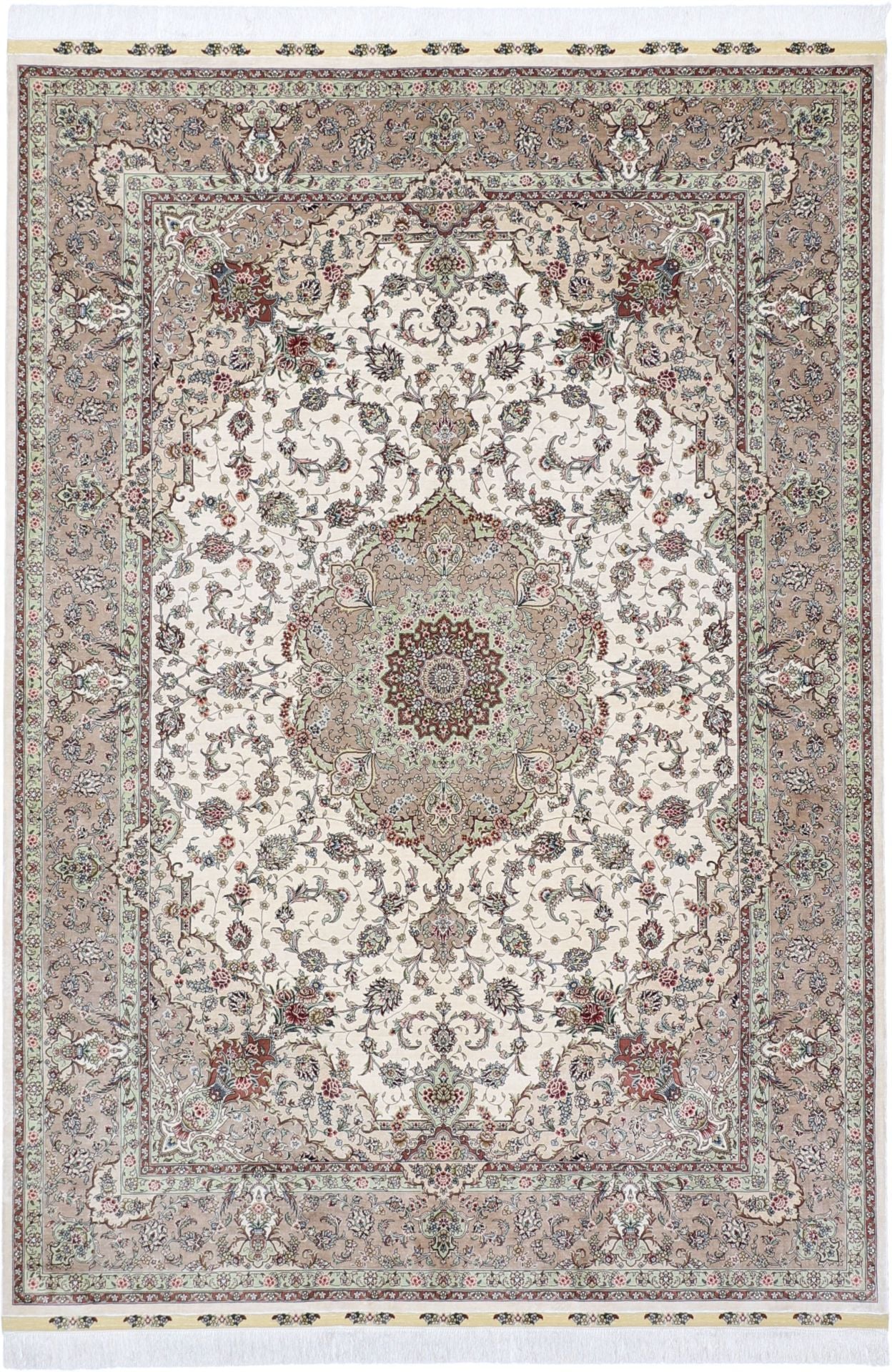
The return of tapestries: Artful accents for a stylish home
Introduction to the world of carpets
Rugs hold a special significance in the world of interior design. They serve not only as functional elements that provide comfort and warmth, but also as artistic accents that add character and style to the decor. In recent years, an interesting trend has emerged: the return of tapestries. These timeless works of art, once treasured by kings and queens, are increasingly finding their way back into modern homes. In this article, we will explore various aspects of rugs, including their types, history, care, and the reasons for their growing popularity.
The history of carpets
The origins
The art of carpet weaving dates back to ancient times. Carpets were originally produced in Central Asia and the Middle East, where they were considered significant cultural symbols. Historically, they were not only functional objects but also an expression of their owners' social status and wealth. Tapestries depicting scenes from history or mythology were particularly prestigious and adorned the walls of palaces and churches.
Carpets in the Middle Ages
In the Middle Ages, carpet art reached a new peak. Manufacturing techniques were refined, and demand for carpets increased, especially in Europe. Italy was a center for carpet production, and many of the most beautiful pieces date from this period. Tapestries served not only as decoration but also as insulation against cold and drafts.
The resurgence of modern carpets
After playing a key role in interior design for centuries, rugs experienced a decline in popularity in the 20th century as modern materials and styles became fashionable. But in recent years, the tide has turned. People are once again seeking authentic, handcrafted products to enhance their living spaces.
Types of carpets
Oriental carpets
Oriental rugs are known for their intricate patterns and vibrant colors. Each piece tells a story or symbolizes a particular tradition deeply rooted in the culture of the place it originates from. These rugs are usually made from high-quality materials such as wool or silk and can be found in a variety of sizes and designs.
Modern carpets
In contrast to traditional styles, modern rugs are characterized by minimalist designs, geometric patterns, and often unconventional materials. These rugs can be used in both homes and offices and offer a contemporary appeal.
Kelim-carpets
KelimCarpets are flat-woven rugs, often made of wool or cotton. They are characterized by their vibrant colors and geometric patterns. KelimCarpets are particularly popular for their versatile uses, for example as an accent piece on the floor or as wall decoration.
Tapestries
Tapestries, as the name suggests, are used on walls. They can be considered works of art and often depict complex designs, landscapes, or historical scenes. This type of rug can also be used as a soundproofing measure and adds a special touch to any room.
The return of the tapestries
Why do people choose tapestries?
With the return of tapestries, many people are returning to a stylish form of interior decoration that has the power to transform spaces. Tapestries not only provide visual interest but also create a welcoming atmosphere, fostering a sense of warmth and comfort. Tapestries are also often a conversation piece and can reflect the personality and taste of the homeowner.
The influence of trends
The popularity of tapestries is also a response to the minimalism prevalent in modern interior design. People are looking for ways to personalize their spaces and add character without having to choose opulent or over-the-top designs. Tapestries offer an excellent way to achieve this balance.
Variety of styles
The variety of styles available for tapestries makes it easy to find a suitable option for every room and decor style. From traditional motifs reminiscent of bygone eras to modern, abstract designs, the choices are virtually endless.
Carpet care and cleaning
Regular maintenance
To ensure the beauty and longevity of a carpet, regular maintenance is necessary. This includes vacuuming to remove dirt and dust that can accumulate over time. This practice not only helps keep the carpet's colors vibrant but also prevents the carpet from wearing out over time.
Professional cleaning
In addition to regular cleaning, carpets should also be professionally cleaned occasionally, especially if they are subject to heavy wear or have stains. Experts can use specialized cleaning methods based on the materials used to thoroughly clean the carpet without damaging it.
Care for tapestries
Tapestries require special care because they aren't subject to the same wear and tear as floor coverings. To preserve the colors and materials, tapestries should be kept away from direct sunlight to prevent fading. They should also be dusted regularly to maintain their freshness and quality.
Tips for choosing the right carpet
Consideration of space
When choosing a rug, consider the characteristics of the room it will be used in. Light colors can create an open atmosphere in small spaces, while darker shades contribute to coziness in larger rooms.
Size and proportions
The size of the rug should be chosen in proportion to the size of the room and the furniture in it. A rug that's too small can fragment the space, while one that's too large can overwhelm the entire look.
color selection and patterns
The rug's color palette and pattern should complement existing furniture and decor. In many cases, a rug can serve as a focal point in a room, harmoniously complementing other colors and styles.
Carpets as an investment
appreciation
Carpets can increase in value over the years and thus represent not only decorative but also financial value. Hand-knotted, antique, or limited-edition pieces in particular can increase significantly in value over time.
Sustainability
The trend toward sustainable products has also reached the carpet market. Many manufacturers are focusing on environmentally friendly materials and fairly traded products that are not only good for the planet but also represent a smart investment.
conclusion
Carpets, especially tapestries, are experiencing a renaissance and offer an impressive opportunity to add creative accents to interior design. Whether oriental, modern, or traditional, the variety of designs and materials opens up a wide range of design possibilities that can add character to any room. Choosing the right rug requires careful consideration, but investing in a high-quality rug is worthwhile for any stylish home.
In a time when personal style and individuality are more valued than ever, rugs can be viewed not only as functional elements but also as an expression of one's personality and taste. Be inspired by the world of rugs and bring art into your home!
FAQ
1. How often should I clean my carpet?
The frequency of cleaning depends on the carpet's use. For high-traffic areas, we recommend having the carpet professionally cleaned every 6 to 12 months. However, regular vacuuming should be done weekly to remove dirt and dust.
2. What are the best materials for a carpet?
The best materials depend on the use and the desired look. Wool is known for its durability and warmth, while cotton is easy to care for and stain-resistant. Silk offers a luxurious look, but is more delicate and requires special care.
3. How do I find the perfect rug for my room?
To find the perfect rug, consider the size of the room, the existing color palette, and the decor style. Measure the area where the rug will be placed and consider which colors and patterns will best complement your furniture. It can also be a good idea to bring samples and color swatches into the room to get the best impression.