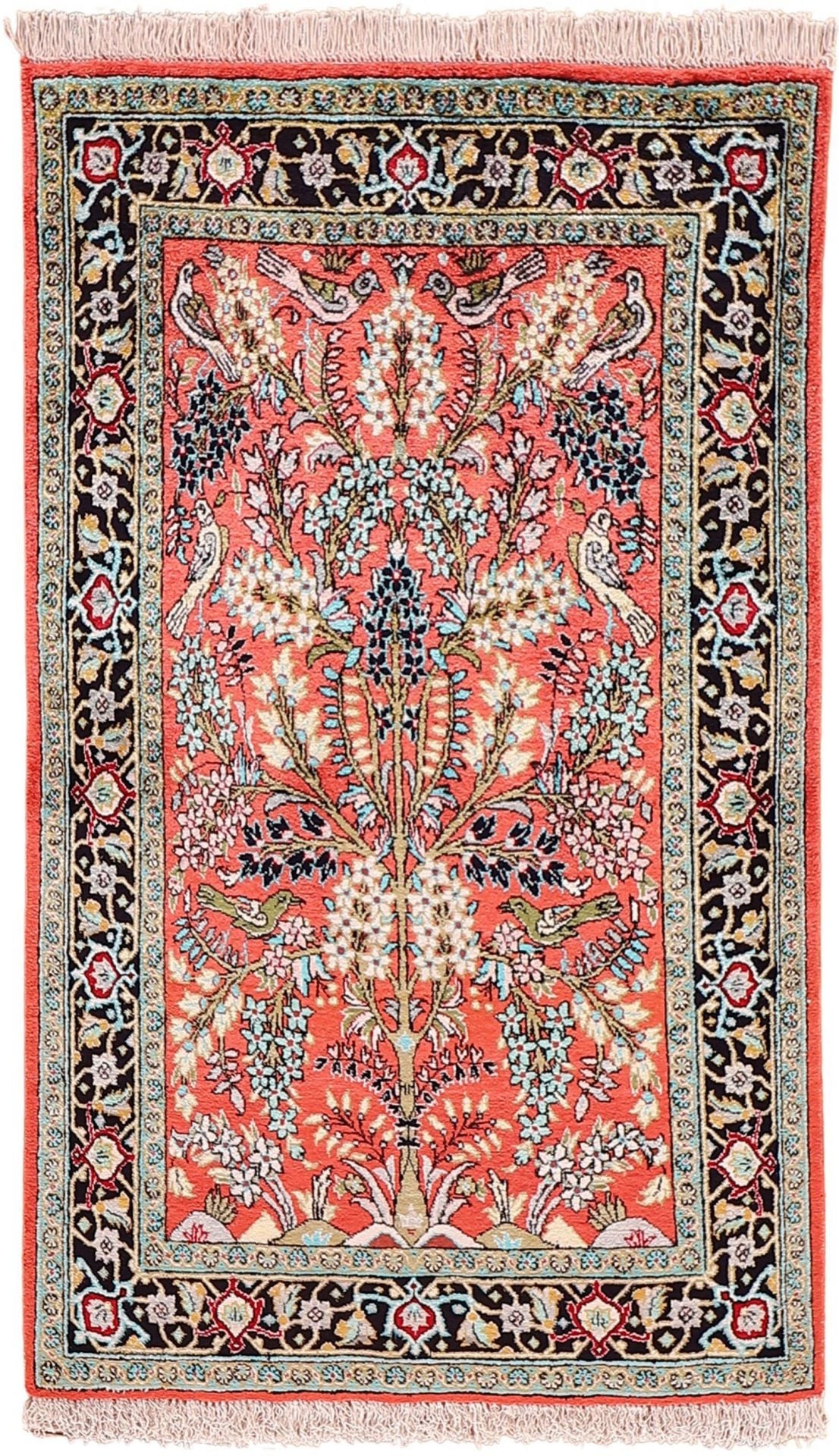
“The Renaissance of Modern Oriental Carpets: Art, Craftsmanship and Contemporary Design Unite”
Carpets: art, craftsmanship and contemporary design combined
Carpets are more than just floor coverings—they are works of art that combine tradition and innovation. In recent years, the perception of oriental carpets has changed. What was once considered an exclusive and traditional craft has now experienced a renaissance. Modern oriental carpets combine historical craftsmanship with fresh, contemporary designs. In this article, we take a look at the fascination behind this revival and offer you everything you need to know about carpets: from history and production to care and styling tips.
The history of oriental carpets
Tradition and origin
The roots of oriental rugs date back to ancient times. Originally developed as practical floor coverings, they increasingly became works of art. Regions such as Persia, Turkey, India, and North Africa are known for their unique rug-weaving techniques and designs. Many of these rugs tell stories of traditions, legends, and cultural influences.
The influence of modernity
The influence of Western design trends and increasing globalization have led to the further development of oriental carpets in their style. Designer People from all over the world have drawn inspiration from the classic patterns and colors, without neglecting traditional techniques. This fusion of old and new has given rise to modern Oriental rugs.
Manufacturing process
Materials
The choice of materials is crucial for the quality and longevity of a rug. Traditionally, oriental rugs are made from sheep's wool, silk, and cotton. Wool is particularly durable and provides natural insulation, while silk is known for its luxurious feel and luster. However, modern rug production also incorporates synthetic materials that offer additional benefits such as ease of care and color variety.
knotting technique
Carpet knotting is a lengthy and laborious process that requires years of experience. Traditional methods involve hand knotting, while modern techniques may also include machine knotting. Hand-knotted carpets are characterized by their uniqueness and high quality. The higher the number of knots per square meter, the denser and finer the weave.
design and pattern
The designs of classic Oriental rugs are complex and often inspired by nature. Floral motifs, geometric patterns, and traditional symbols are frequently found. Modern Designer However, they also incorporate abstract forms and minimalist approaches. By combining traditional patterns with contemporary design, they create carpets that harmonize with both classic and modern homes.
The Renaissance of Modern Oriental Carpets
Cultural revival
In recent years, many Designer and artists were employed to revive the art of carpet weaving. This has led to a renewed appreciation of craftsmanship and cultural elements. Modernly designed Oriental carpets are now not only decorative elements, but also expressions of identity and culture.
Sustainability
With increasing awareness of environmental protection and sustainability, many manufacturers have begun using ecological materials and creating fair production conditions. This is reflected in the revival of traditional craftsmanship techniques, which are often more sustainable than modern industrially manufactured flooring. Many brands rely on recyclable materials and environmentally friendly dyeing methods.
The role of design
Modern oriental rugs are not only found in traditionally designed rooms, but also in minimalist apartments. The variety of colors, shapes, and patterns makes it possible Designerto set individual accents. For example, a rug can form the centerpiece of a room or be harmoniously combined with other elements.
Carpets as a design element
Stylish and functional
Carpets serve not only a decorative function, but also a practical one. They provide warmth and cushioning, reduce noise levels, and can visually structure rooms. When choosing the right rug, the size, shape, and color of the room should be considered.
color design
Colors play a central role in rug design. Traditional oriental rugs often feature warm tones, while modern versions offer a wider range of colors, including cooler tones like gray and blue. Bright, bold colors can serve as eye-catchers, while softer shades create a calm atmosphere.
Formats and sizes
Rugs are available in a variety of sizes and formats, from small runners to large area rugs. When choosing, consider the proportions of the room. A large rug can dominate the overall look of a room, while smaller rugs can add accents or define specific areas.
Care and Maintenance
Regular cleaning
Proper care is crucial for a carpet's longevity. Depending on the material, it's recommended to vacuum the carpet regularly and clean it occasionally with a gentle brush. Wool has a natural ability to repel dirt, while silk is more delicate and requires special care.
stain removal
When removing stains, it's important to act immediately. At the first sign of a stain, gently dab it with a cloth to prevent it from penetrating the fibers. Use mild cleaners and always test on an inconspicuous area to ensure the colors don't fade.
Professional cleaning
Depending on the material and design, it may be advisable to have the carpet professionally cleaned every few years. Experts can ensure the carpet is thoroughly cleaned without damaging the material or fading the colors.
Styling tips for carpets
Set accents
A rug can be the focal point of a room and help define different areas. In open-plan living spaces, a rug can provide a visual boundary between the living and dining areas.
Layering
Layering is a current trend in interior design, where several rugs are placed on top of each other. This creates an interesting texture and dimension in the room. For example, combine a modern oriental rug with a classic one. BerberA rug for a cozy look.
Combination with furniture
Your furniture selection should complement the rug. A boldly patterned rug can pair well with simpler furniture, while a neutral rug can serve as a harmonious backdrop for colorful and patterned furniture. Remember that the rug should also reflect the overall style of the room.
Conclusion
The renaissance of modern oriental rugs clearly demonstrates how traditional craftsmanship can be combined with contemporary design. These rugs are no longer just practical floor coverings, but expressions of art, culture, and individuality. Whether you prefer a classic or modern style, the selection of modern oriental rugs offers something for every taste.
These works of art not only combine art and craftsmanship, but also contribute to creating a warm and inviting atmosphere in your home. With proper care and use, they can last for years and enhance any room. Be inspired and discover the variety of rugs that will bring your living spaces to life.
FAQ section
1. How do you recognize the quality of a carpet?
The quality of a carpet can often be determined by the number of knots per square meter, the materials used, and the craftsmanship. Hand-knotted carpets are generally of higher quality and more durable than machine-made carpets or carpets made from high-quality materials such as wool or silk.
2. How do I properly care for my carpet?
Regular vacuuming is important to remove dirt and dust. If stains occur, act quickly and gently dab the stain with a cloth. For a deeper clean, we recommend having your carpet professionally cleaned every few years.
3. Which carpet size should I choose?
The size of the rug depends on the size of the room and the furniture layout. A large rug can dominate a room, while smaller rugs are good for defining specific areas. Make sure the rug is proportional to the furniture and the room.
Discover the fascinating world of carpets and find the perfect piece for your home!