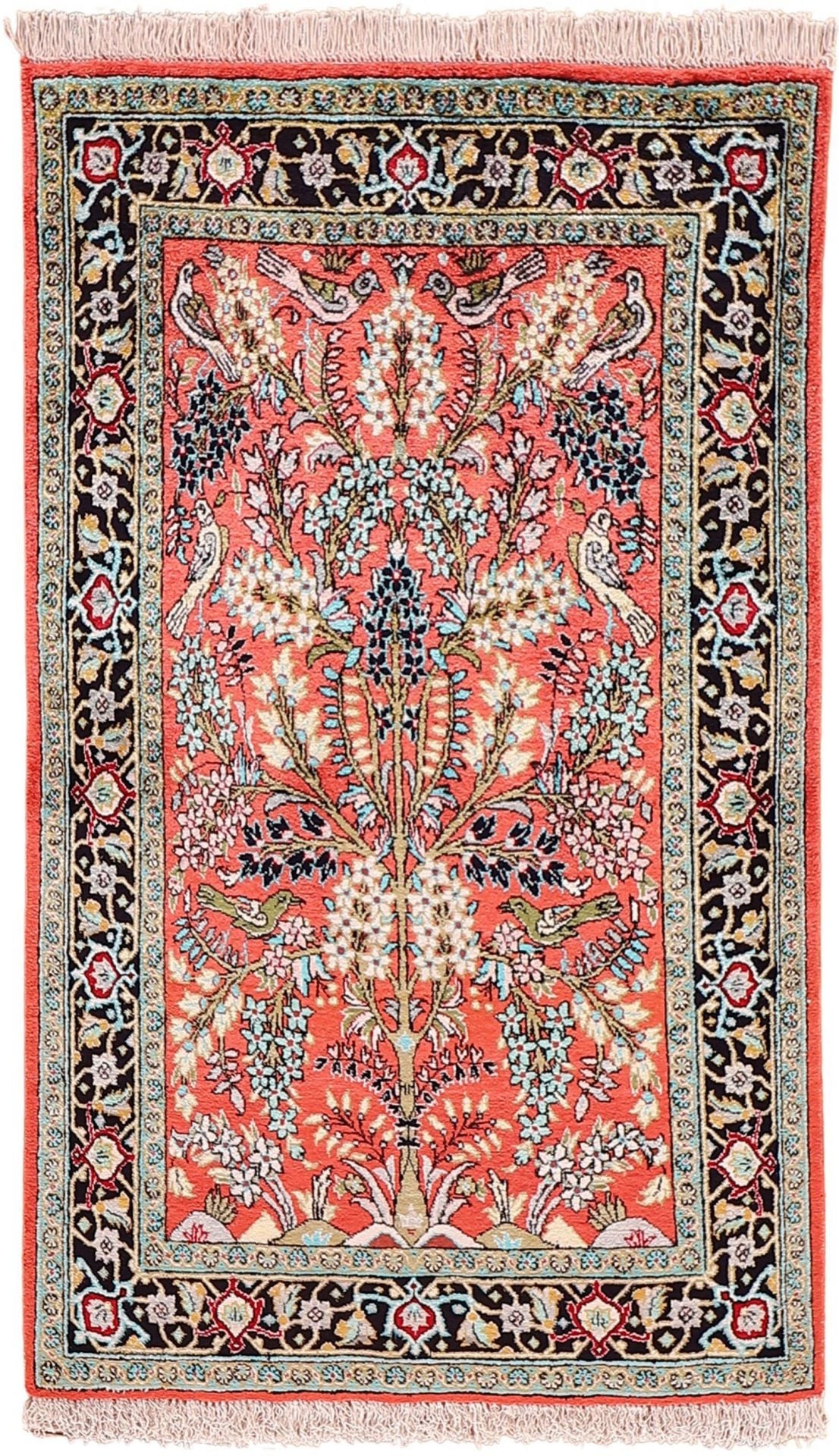
Price trends of Iranian carpets: A look at quality, craftsmanship and markets
Carpets: The art of craftsmanship and the dynamics of the markets
Carpets are far more than just floor coverings; they are works of art that tell stories, represent cultures, and fill homes with warmth and character. Iranian carpets, in particular, enjoy a first-class reputation and are recognized worldwide for their quality, designs, and cultural significance. In this article, we explore various aspects of carpets, particularly price trends for Iranian carpets, the importance of craftsmanship and quality, and changing markets.
The history of carpet craftsmanship
Carpet weaving has a millennia-old tradition in Iran and is an integral part of Persian culture. The first carpets were produced in ancient Iranian civilizations, where the practice of art was integrated into daily life. Historical evidence shows that carpet weaving was widespread in Iran as early as the 5th century BC, with finds of artwork illustrating this craft skill.
The development of styles and techniques
Over the centuries, different regions of Iran developed their own styles and techniques in carpet weaving. For example, Boshehri carpets are known for their vibrant colors and geometric patterns, while the KermanCarpets are prized for their fine details and floral designs. The differences in style and technique reflect not only the geographical characteristics but also the social and cultural influences of each region.
quality and materials
The quality of a carpet is determined by several factors: the type of materials used, the number of knots, the craftsmanship, and the durability of the finished product. Iranian carpets are often made from high-quality materials such as wool, silk, or cotton.
The choice of materials
Wool : Wool is the most commonly used material in Iranian carpets. It offers softness, durability, and good thermal insulation. The wool is often sourced in various qualities and from different sheep breeds, which explains the diversity of carpet qualities.
Silk : Silk carpets are especially sought after and represent the highest quality and luxury. They are lustrous, soft, and often feature more intricate patterns and colors. However, silk carpets are more delicate and require more care.
- CottonCotton is often used for the warps and backing of carpets. It provides stability and is generally less expensive than wool or silk.
Number of knots and durability
Another crucial criterion for carpet quality is knot count, the number of knots per square inch. A higher knot count generally means a more detailed design and a longer lifespan. Professional carpet weavers often spend months on a single carpet to achieve the best results.
The role of craftsmanship
The craft of carpet weaving is an art form with deep roots in the culture and history of the region. It is often a family tradition passed down from generation to generation. This gives the carpets not only a unique character but also an emotional value.
The knotters
Iranian carpet weaving is predominantly carried out by women, often in small village communities. These women use their skills to generate income for their families while keeping the tradition alive. Their craftsmanship is often recognized through numerous competitions and exhibitions that celebrate their achievements and recognize the quality of their work.
Price trends in the carpet market
Prices for Iranian carpets can vary greatly depending on factors such as the quality of the materials, the number of knots, the age of the carpet, and current market conditions.
Influence of supply and demand
Demand for high-quality Iranian carpets is growing worldwide, which is also affecting prices. Countries such as the USA, Germany, and Japan are major buyers of Iranian carpets, which often leads to rising prices as the international market becomes more competitive.
The effect of online marketplaces
With the advent of the internet and online marketplaces, the carpet selling and buying processes have changed significantly. Buyers now have access to a wide variety of carpets from around the world, making information and price comparisons easier. This provides transparency in the market, but can also lead to more unstable pricing structures.
Care and maintenance of carpets
To extend the lifespan of carpets and preserve their beauty, regular care and maintenance are essential.
Cleaning and care
Regular vacuuming : Carpets should be vacuumed regularly to remove dust and dirt. This protects the fibers and keeps the carpet clean.
Professional cleaning : Once a year, professional cleaning should be considered to remove deeper stains and refresh the colors.
Treating stains : Spills of liquids or food should be blotted immediately with a clean, dry cloth. Do not use harsh chemicals that could bleach the colors.
- Air circulation: Avoid placing carpets in direct sunlight as this may cause color fading.
Conclusion: The heritage and future of carpets
Carpets are more than just floor coverings; they are an expression of art, culture, and traditions. Iranian carpets, in particular, have established themselves as timeless art forms that not only enhance the beauty of our homes but also represent a deep history and craftsmanship. Current price trends demonstrate that high-quality craftsmanship and materials are valued, and the market continues to grow.
As we move into the future, it is important that we preserve the heritage of rug making while finding innovative ways to celebrate it. This will not only support the artisans but also ensure that this fascinating art form continues to be appreciated.
FAQ section
1. How do I recognize a high-quality Iranian carpet?
A high-quality Iranian rug can be identified by its knot count, the materials used, and the details of its design. Look for a high knot count, especially in hand-knotted rugs, and prefer natural materials such as wool or silk. The craftsmanship and color should be durable and consistent.
2. How long does a carpet last?
The lifespan of a carpet depends heavily on the quality of the materials and the care it receives. High-quality Iranian carpets can last 50 years or more, especially with proper care. Regular vacuuming and professional cleaning can significantly extend their lifespan.
3. Should I have my carpet cleaned regularly?
Yes, it's recommended to have your carpet professionally cleaned at least once a year. This will help remove deeper stains and refresh the colors, while also preserving the carpet for a long lifespan. Regular vacuuming is also important to remove dust and dirt.