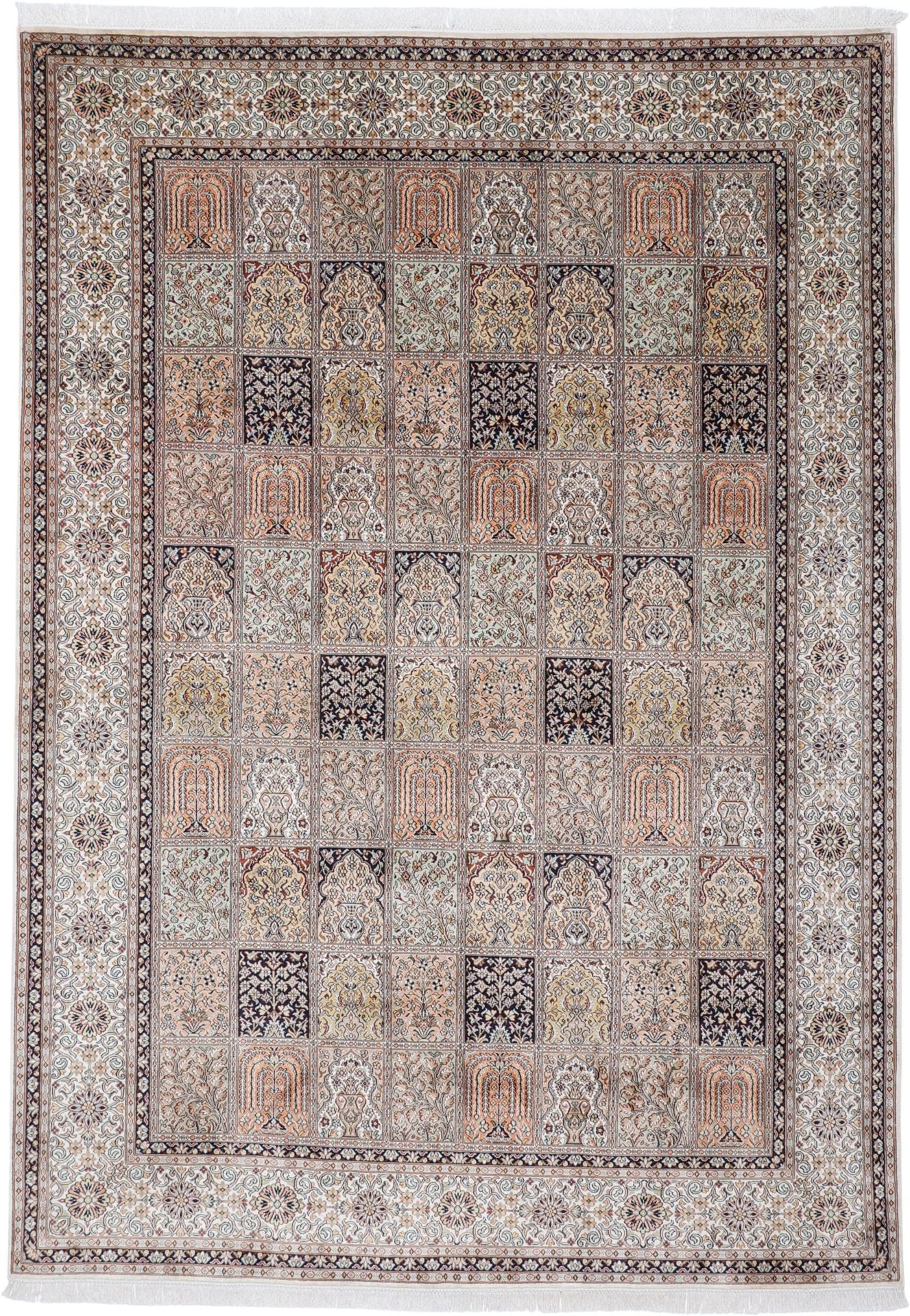
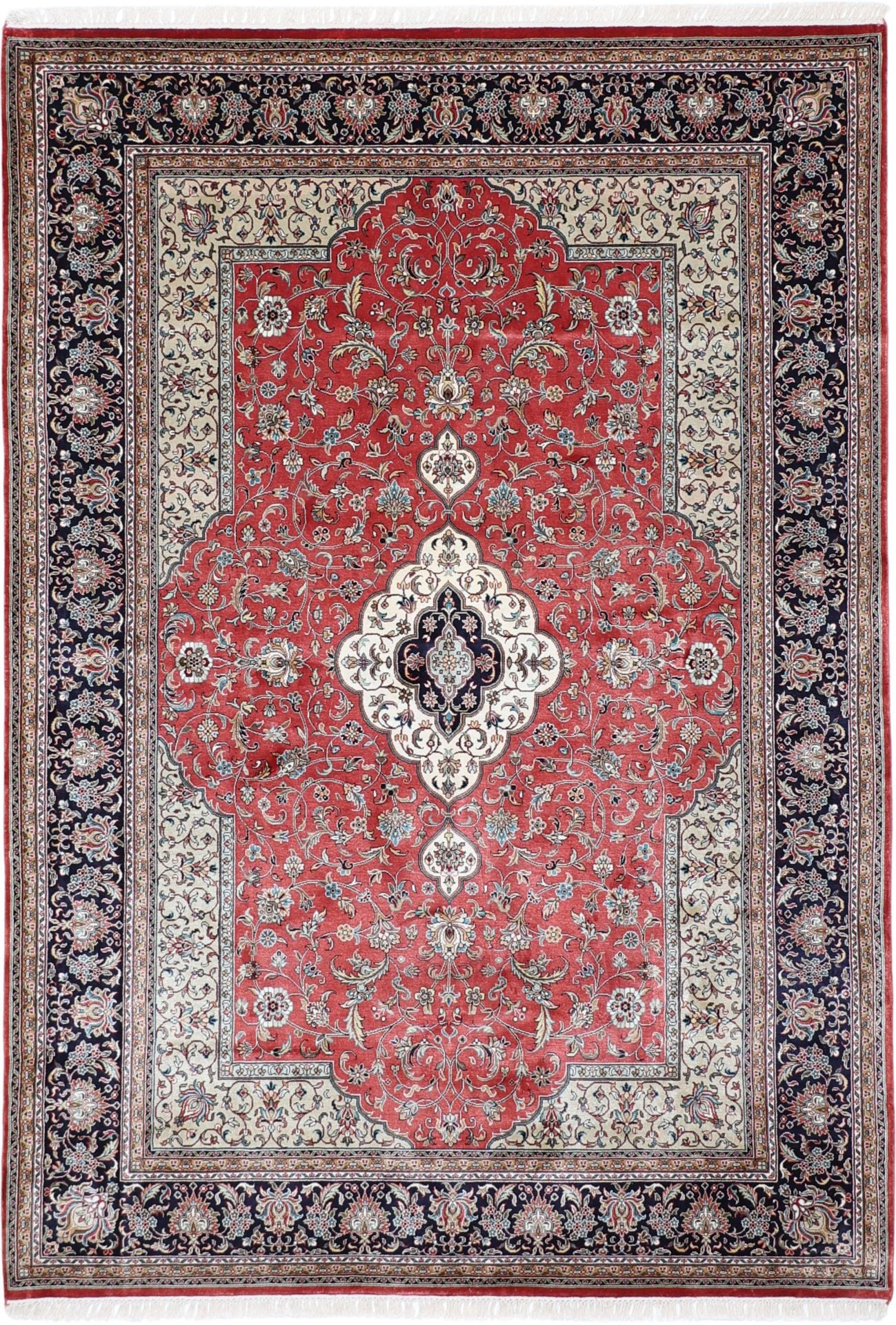
“The price development of cashmere goats: Factors influencing value”
The world of carpets: An analysis of their value development and the factors that influence their price
Carpets are not just simple floor coverings, but also works of art that tell stories and convey cultural values. The variety of materials, patterns, and techniques influences not only aesthetic sensibilities but also the price consumers are willing to pay. In this article, we take an in-depth look at the various factors that determine the value of carpets, as well as their historical and cultural significance.
Historical background of carpet production
Carpets have a long and rich history dating back to ancient Persia. Carpet making is now an art form practiced in many cultures. Originally, carpets were made primarily for practical reasons—they provided insulation and protection from the cold. Over time, however, the aesthetic aspects of carpet production also evolved, with patterns and designs constantly evolving and reflecting regional influences.
The most famous carpets come from countries such as Persia, India, Turkey, and the Caucasus. Each of these regions brings its own specific techniques and designs that define the character of its carpets. In modern times, carpets have not only functional but also, and above all, decorative value, making them an important part of interior design.
materials and their meaning
The materials from which carpets are made are a key factor influencing their price and value. The most common materials are:
- Wool: Wool is the most commonly used material for carpets. It is robust, durable, and has natural insulating properties. High-quality wool from certain regions, such as New Zealand, is considered particularly valuable.
- Silk: Silk carpets are typically very expensive due to the long production process and high processing costs. They are lustrous, delicate, and feature intricate designs.
- Cotton: Cotton is often used in combination with other materials to minimize costs. It is less expensive and well-suited for making carpet underlay.
- synthetic fibers: In recent decades, synthetic fibers such as nylon and polyester have become popular. These materials are inexpensive and easy to care for, but they don't offer the same quality as natural fibers.
The choice of material not only affects the price, but also the longevity and care of the carpet.
Design and craftsmanship
The design of a rug can significantly influence its value. Traditional designs are often associated with cultural symbolism and history. Creating patterns requires years of training and experience. There are several different techniques used in rug making:
- Node: Knotting is the most common method for making carpets. The density of the knots influences durability and price.
- Weave: Woven carpets are often less expensive because they are manufactured in an industrial setting. However, the complexity of the weave can affect the price.
- Hand-knotted carpets: These are usually the most expensive as they require time and patience.
A well-designed rug can not only serve as a functional element but can also be appreciated as a work of art, which increases its value.
Market conditions and performance
Like many market-dependent products, the carpet trade is subject to fluctuations. Supply and demand play a crucial role. The timing of price increases or decreases can vary considerably and is often influenced by economic factors such as inflation and commodity prices.
In addition, a seasonal perspective is also coming into focus. Demand for carpets can increase during certain everyday periods, such as Christmas or New Year. These periods, in turn, can have a positive impact on price trends. Awareness of sustainability and ethical sourcing has also increased, which can influence the value of hand-knotted and fairly traded carpets.
care and longevity
Carpet care is another fundamental factor that influences its value. High-quality carpets that are carefully maintained can last for generations. Care methods vary depending on the materials used and the manufacturing technique.
In general, the higher the quality and craftsmanship, the less likely it is to require frequent repairs or replacements. Regular cleaning and proper care will help maintain or even increase the value of a carpet over the long term.
Conclusion
Carpets are more than just products; they are an expression of culture, history, and craftsmanship. Carpet prices are influenced by various factors, including material selection, design, craftsmanship, and market conditions. Understanding these elements allows buyers to make an informed decision—whether for their own living space or as an investment. By investing in high-quality, well-maintained carpets, you can not only enhance your living space but also make a valuable contribution to preserving traditional craftsmanship.
Frequently Asked Questions (FAQ)
1. How can I determine the quality of a carpet?
The quality of a carpet can be assessed by several factors: the type of material (wool, silk), knot density (a higher knot count per square meter indicates better quality), and craftsmanship. Hand-knotted carpets are generally of higher quality than machine-made carpets.
2. How do I properly care for my carpet?
To ensure the longevity of your carpet, vacuum regularly, treat stains promptly, and consider professional cleaning every few years. Make sure to store the carpet in a dry environment and out of direct sunlight to avoid color changes.
3. Why are hand-knotted carpets more expensive than machine-made carpets?
Hand-knotted rugs require considerably more time and skill to produce. The craftsmanship and often high-quality materials make them more expensive. They are also generally of higher quality and more durable, making them a valuable investment.