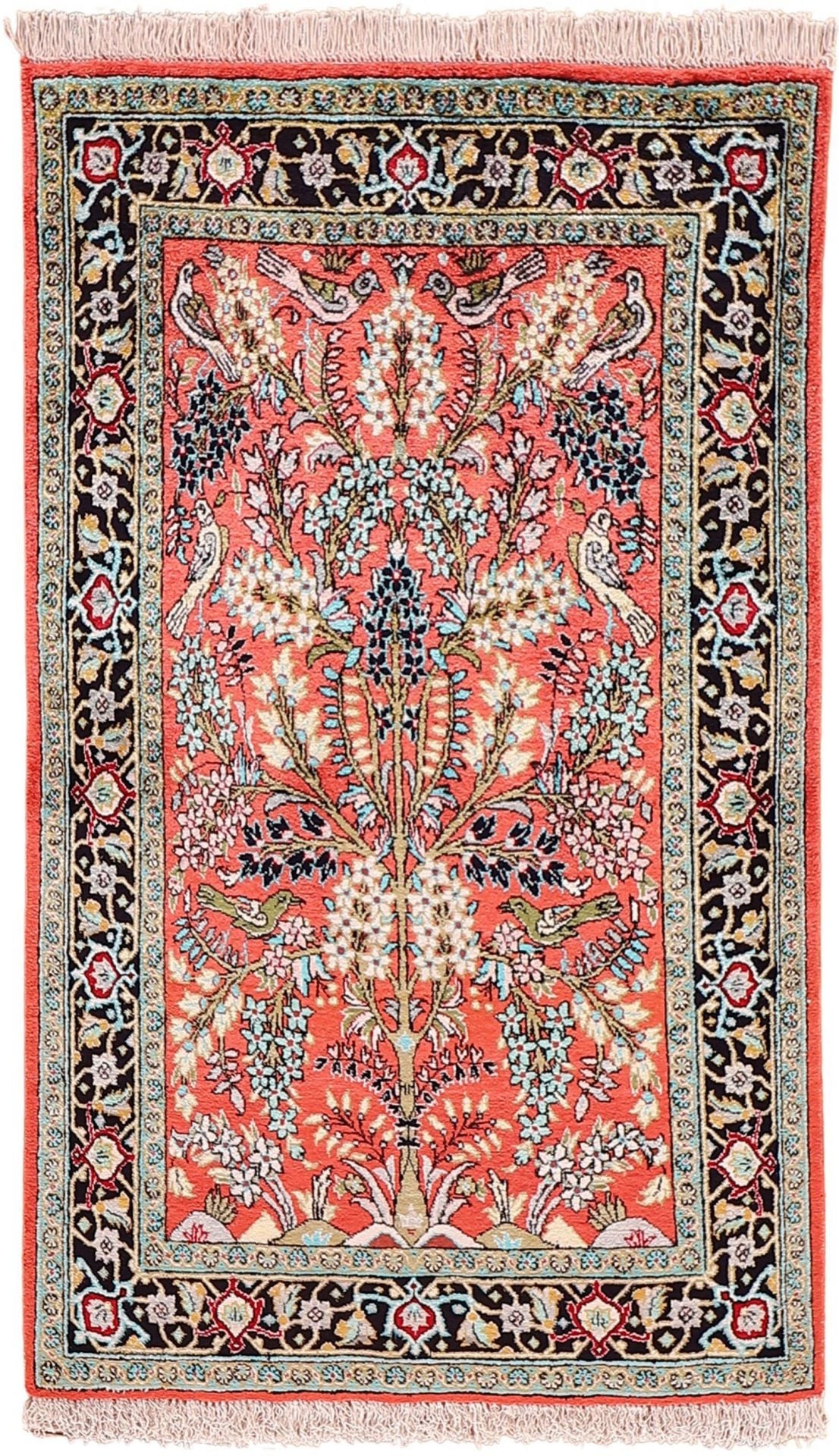
The splendor of Persian carpets: tradition, craftsmanship and timeless elegance
The splendor of carpets: tradition, craftsmanship and timeless elegance
Introduction
Carpets are more than just floor coverings. They are an expression of culture, tradition, and craftsmanship. Persian carpets, in particular, have an outstanding reputation that spans centuries. The variety of designs, the quality of the materials, and the craftsmanship that goes into each piece make them a distinctive element in any home. In this article, we will explore the fascinating world of carpets—specifically Persian carpets—and the various aspects that make them so special.
The history of carpets
The history of carpets dates back more than 2500 years. While earlier carpets were typically made from simple materials such as animal hair or plant fibers, complex designs and techniques developed over time. The origin of Persian carpets can be traced back to ancient Persia, where they played an important role in royal palaces and wealthy homes.
The beginnings of carpet weaving
The oldest known carpets were found in the 5th century BC in the region of present-day Iran. The famous Pazyryk carpet is an example of ancient weaving. Throughout the centuries, carpets were considered not only as home textiles but also as trade goods. The caravanserais along the Silk Road facilitated the exchange of stylistic and technical developments between different cultures.
The importance of carpets in Persian culture
Carpets are deeply rooted in Persian culture. They symbolize hospitality and prosperity. A carpet is often laid out at Persian weddings to celebrate the couple's union. In addition, many families have an "hereditary carpet" that is passed down from generation to generation.
The craftsmanship of carpet production
The production of a Persian carpet is a lengthy and complex process that requires both skill and patience. Each piece is the result of months of labor by talented artisans, who often spend years training in the art of carpet weaving.
Materials
The first step in carpet production is selecting the materials. Most Persian carpets are made from wool, silk, or a combination of both. While wool is known for its durability, silk gives the carpets a luxurious sheen. The use of natural dyes from plants, minerals, and insects is another hallmark of traditional Persian carpet production, ensuring deep color intensity and longevity.
Weaving techniques
Traditionally, Persian carpets are hand-woven. The weaving process can take several months, depending on the design and size of the carpet. There are various knotting techniques, with the Persian knot being one of the most well-known. This knot allows for a high level of detail and density, which is evident in the carpets' intricate patterns.
designs and patterns
The designs of Persian carpets are often inspired by nature, geometric shapes, or traditional stories. The variety ranges from floral motifs to medallions or central designs. Popular carpet types include, for example... Tabriz, Isfahan and Kerman, each with its own characteristic designs and colors.
The timeless elegance of Persian carpets
Persian rugs are not just considered home accessories, they also lend a timeless elegance to any room. They are not only functional but also an art form that conveys emotions and stories. Their beauty and uniqueness make them a focal point in any living space.
Color psychology and effect
The choice of colors in a rug can significantly influence the atmosphere of a room. While warm colors like red and gold exude warmth and coziness, cool colors like blue and green convey a sense of calm and freshness. The harmony of colors helps enhance the overall aesthetic of a room and can even influence the mood of its occupants.
Carpets as an investment
A high-quality Persian rug can also be a valuable investment. Since many rugs are produced in limited editions, they have the potential to increase in value. Collectors value the uniqueness and heritage that each rug brings, and a well-preserved rug is often passed down from generation to generation.
Care and maintenance of carpets
Proper care is crucial to maintaining the beauty and longevity of a carpet. There are some basic guidelines that should be followed to preserve the quality of carpets.
Regular cleaning
Regular cleaning is important to remove dust and dirt. Vacuuming is an effective method, but care should be taken not to over-vacuume the carpet to avoid damaging the fibers. For stubborn stains, consult a professional to avoid further damage.
Professional carpet cleaning
It's recommended to have carpets professionally cleaned every few years. This can help refresh the colors and remove deep-seated dirt. Professional cleaning can also help preserve rare materials like silk.
Storage:
If carpets need to be stored for extended periods, they should be stored in a cool, dry place. The carpet should be rolled up rather than folded to avoid creases and breakage.
Conclusion
The world of rugs, especially Persian rugs, is one of the most fascinating and richest. They combine art, tradition, and functionality in a distinctive product. A Persian rug is not just a simple floor covering, but a piece of history that stands the test of time and transcends generations. Whether you are purchasing a rug for yourself or looking to upgrade an existing family member's, the care and appreciation given to handcrafted rugs will surely be valuable. Acquiring a rug means owning an heirloom filled with life, stories, and traditions.
FAQ
1. How do I recognize a genuine Persian carpet?
Authentic Persian rugs are distinguished by certain characteristics, such as knot density, quality of materials, and intricate designs. Check if the rug is handmade by looking at the back of the rug—a hand-knotted rug should have visible knots.
2. How often should I clean my carpet?
The frequency of cleaning depends on the carpet's use and location. High-traffic areas may require monthly cleaning. For less-used carpets, a thorough cleaning every 6 to 12 months is sufficient.
3. Are there specific carpets for allergy sufferers?
Yes, rugs made from natural materials like wool are more allergy-friendly than synthetic rugs because they attract less dust and allergens. There are also special anti-allergic rug options made from hypoallergenic materials.