"The splendor of Mashhad-Carpets: A legacy from Persia"
The splendor of MashhadCarpets: A legacy from Persia
Carpets are not just floor coverings; they are works of art that tell stories and preserve traditions. Especially the Mashhad-Carpets from the Iranian city Mashhad Originating from [a specific region/country], these items embody a fascinating heritage rich in cultural and historical aspects and aesthetic value. In this article, we will discuss the history, production, designs, care, and purchase of [these items/items]. Mashhad-Rambles illuminate the world. Let's embark on a journey into these exquisite carpets that bring both beauty and functionality to any home.
The history of the Mashhad-carpets
The city Mashhad is the spiritual and cultural center of Iran. It is known for its religious significance, especially as a pilgrimage site to the tombs of Imam Reza. However, this city also has a long tradition of carpet weaving. The origins of MashhadCarpets date back to the 16th century, when the art of carpet weaving experienced a considerable boom in Iran.
The carpets made of Mashhad They quickly became known for their vibrancy, the use of high-quality materials, and the meticulous detail in their patterns. Over the past centuries, the region has developed its own distinctive style, characterized by large, opulent designs and deep colors.
Materials and techniques
The manufacture of MashhadCarpet making is an elaborate process that often takes months or even years. The materials used are crucial for the quality and durability of the carpets. Wool or silk threads are typically used, with the best quality coming from highland sheep's wool. This wool has an exceptional thickness and softness, which is essential for the carpets of [brand name]. Mashhad is characteristic.
Web technologies are equally important. Mashhad-Carpets are often made in the knot style “Senneh"Made using a knot considered one of the finest and most robust. This technique involves creating fine knots on a cotton or wool background, resulting in a particularly stable and durable product."
designs and patterns
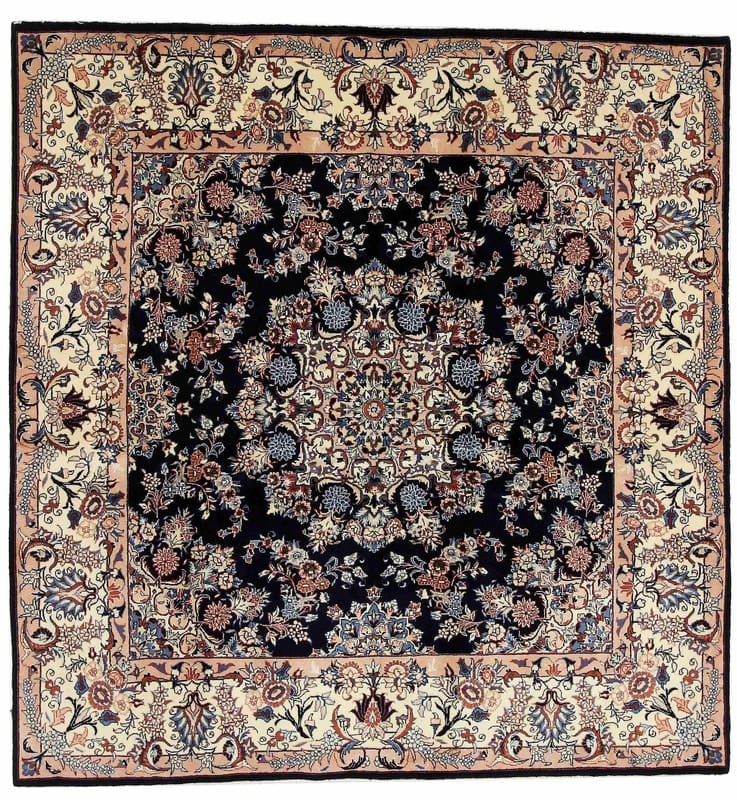
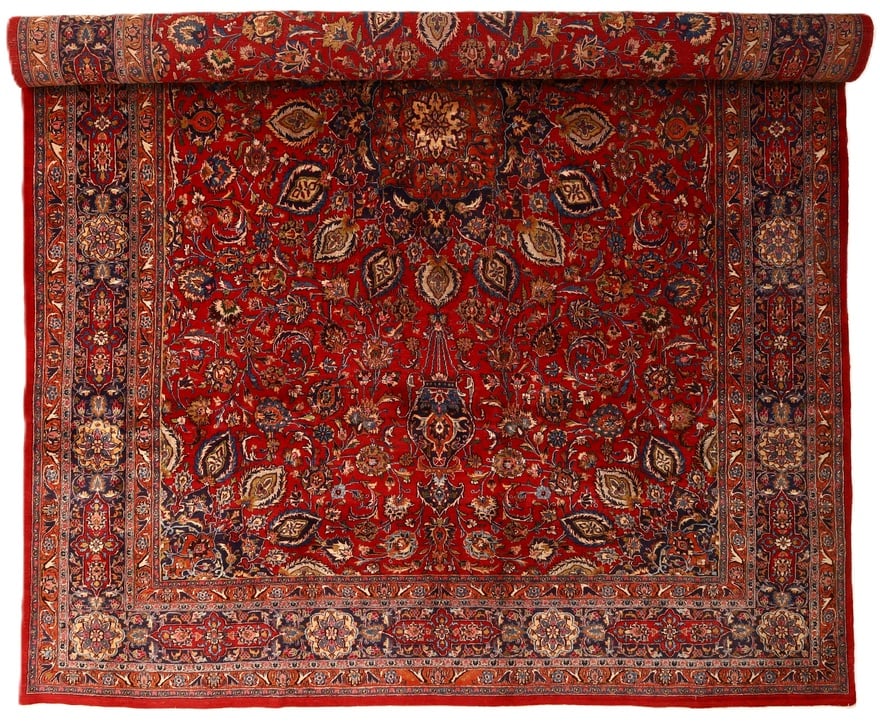
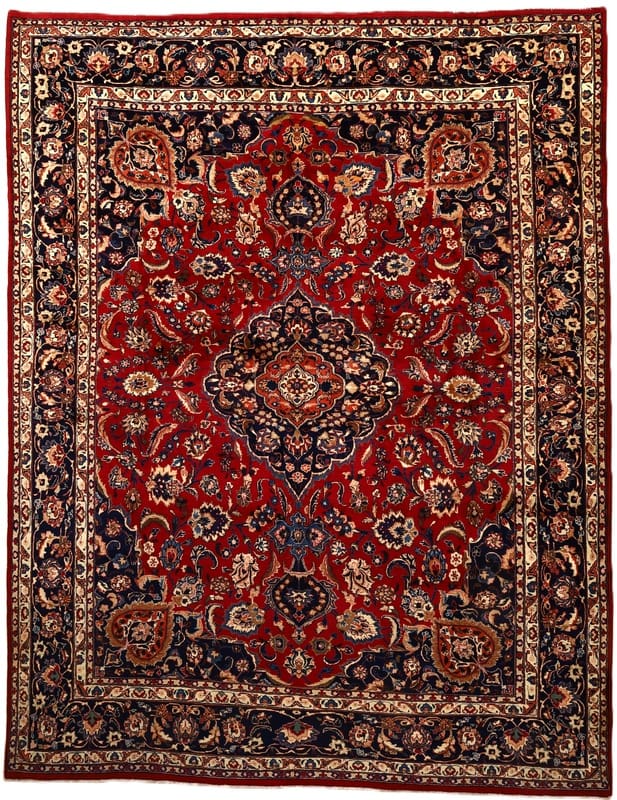
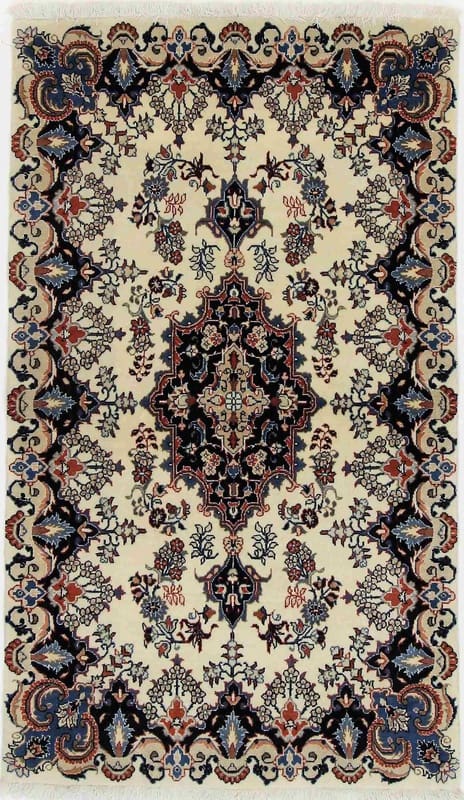
The designs of MashhadCarpets are diverse and often reflect the culture and nature of Iran. Intricate floral patterns, geometric shapes, and depictions of animals are frequently found. One of the most famous designs is the so-called "Saba," characterized by large medallions in the center of the carpet, surrounded by delicate ornaments and floral accents.
The colors that are in MashhadThe carpets used are deep and rich, often in shades of red, blue, and gold. This color palette was traditionally derived from natural dyes, which gives the carpets not only their vibrancy but also a certain individuality. No two carpets are identical, making them unique works of art.
The meaning of Mashhad-carpets
MashhadCarpets are more than just decorative elements; they carry a deeper cultural and historical meaning. They symbolize the richness of traditions rooted in Iranian society. Furthermore, they are often status symbols and are passed down from generation to generation.
These rugs bring a certain warmth and elegance to any room and are often considered an investment. A high-quality MashhadA carpet can increase in value over the years, making it a sought-after item for collectors. It also finds its place in modern interior design. MashhadCarpets are increasingly in use because they can be wonderfully combined with different styles.
care of Mashhad-carpets
To enhance the beauty and quality of a MashhadTo keep carpets looking their best, regular care and maintenance are important. Here are some care tips:
- Cleaning: Vacuum the carpet regularly to remove dust and dirt. Avoid cleaning the carpet directly with a rotating brush, as this can damage the fibers.
- Spot removal: If a stain occurs, act immediately. Use a mild, water-based cleaner and a soft cloth. Do not rub the stain, but dab gently to avoid damaging the material.
- Professional cleaning: Have the carpet professionally cleaned every few years to remove deeper stains and refresh the colors.
Buy one Mashhad-carpets
Buying one MashhadChoosing a carpet is a decision that should be well thought out. Pay attention to the following factors:
- Quality: Pay attention to the workmanship and materials. High quality. Mashhad-Carpets have a dense knot count and feel soft and durable.
- Authenticity: Buy from a trusted retailer to ensure you're getting an authentic product. Certificates and proof of origin can be helpful.
- Price: Prices can vary depending on the size, material, and design of the rug. Set a budget and don't be fooled by bargain offers.
Conclusion
MashhadCarpets are a stunning example of the art and culture of Iran's heritage. They combine exquisite craftsmanship with profound cultural meaning. Whether as an investment, for decoration, or simply as an expression of style, these carpets offer a timeless elegance that should be in every home. With proper care and maintenance, they can MashhadCarpets last for generations and bring joy to their new owners. If you'd like to delve into the world of carpets, don't forget to explore the vast variety of designs and materials available. You'll be amazed at how well a Mashhad-carpet can fit into your life.
FAQ
1. How much does a Mashhad-Carpet?
Prices for MashhadCarpets vary greatly depending on size, material, and level of detail. Smaller carpets can be found for as little as 500 euros, while larger, handmade pieces can cost several thousand euros.
2. Where can I find an authentic Mashhad-Buy a carpet?
It's advisable to purchase from reputable carpet dealers or galleries that specialize in Persian carpets. Be sure to ask for information about the carpet's origin and materials.
3. Can MashhadCan carpets be used in hot climates?
Yes, MashhadCarpets are suitable for dry and hot climates thanks to their high-quality materials. However, you should minimize direct sunlight to prevent fading.