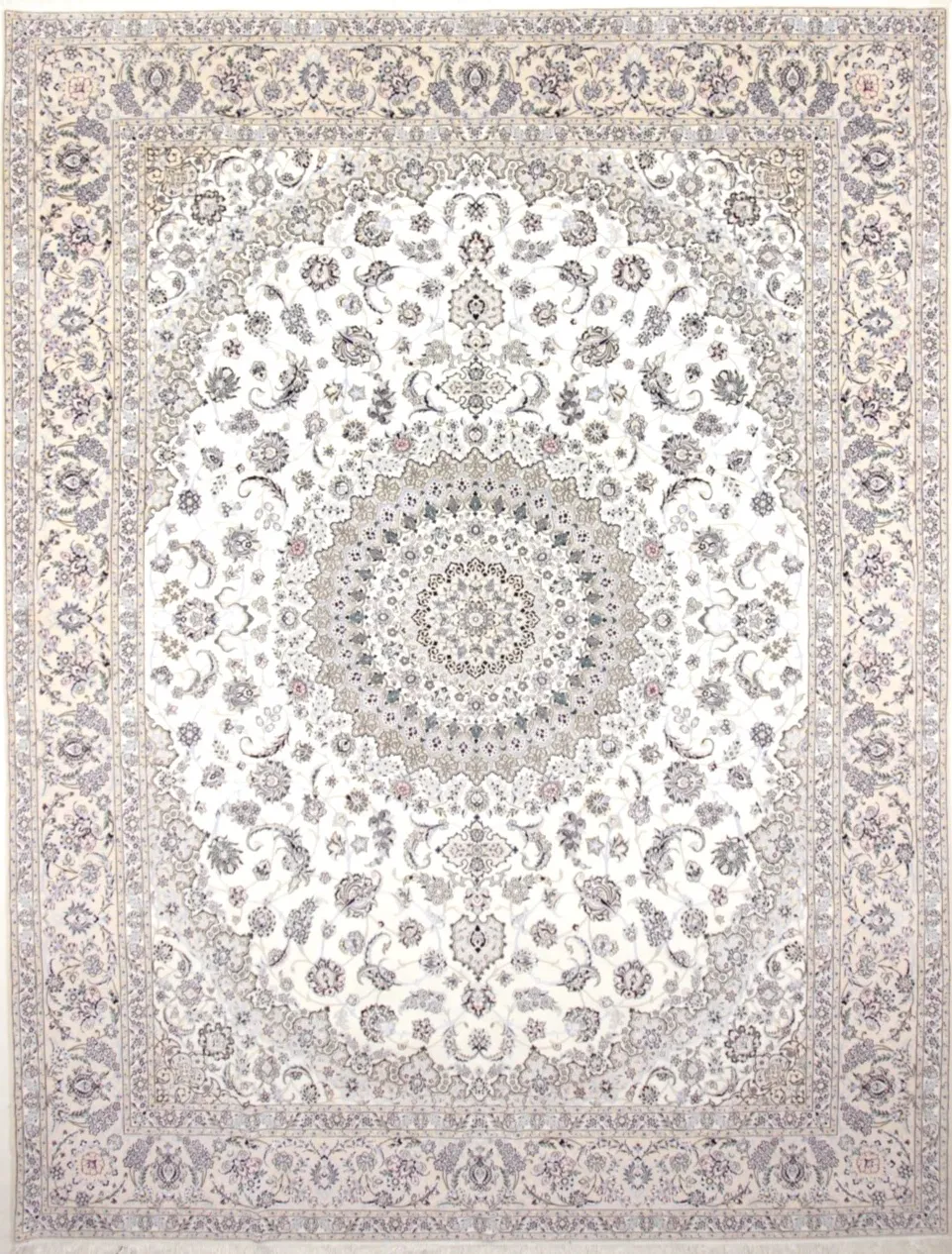
The magic of the Orient: How an oriental living room rug enchants your home
Introduction to the world of oriental carpets
Oriental rugs are more than just a decorative element; they are a striking work of art that tells stories and embodies traditions. Their origins date back to ancient times, where they were found in the magnificent palaces of the Orient. These rugs are known not only for their beauty but also for their diverse patterns, colors, and techniques, which vary from region to region.
The origin of oriental carpets
craftsmanship and tradition
The making of an oriental rug is a time-consuming and meticulous process. In many regions, including Persia, Turkey, and India, rug weaving is a centuries-old tradition passed down from generation to generation. Craftsmen use natural materials such as wool, silk, and cotton, as well as natural dyes, to create vibrant patterns steeped in the culture and history of their region.
Symbolism and meaning
The patterns of oriental rugs are often associated with deep meaning. Many designs are inspired by nature, geometry, or religious symbols. For example, floral motifs can symbolize spring, while geometric patterns represent stability and harmony. This symbolism gives each rug a special meaning and makes it a unique experience.
The variety of oriental carpets
Persian carpets
Persian carpets are known worldwide for their exquisite craftsmanship. They originate in various regions of Iran, each with its own specific designs and techniques. Famous carpet types include, for example, the... Tabriz, the Isfahan and KashanThese carpets are characterized by their rich colors and complex patterns, which often depict mythological or historical themes.
Turkish carpets
Turkish carpets are another important category. These carpets are often designed with geometric patterns and vibrant colors. Kilim One of the best-known varieties is a flat-woven rug characterized by its simple yet artistic designs. Turkish rugs are often considered Ziegler- or Anatolian carpet, and offer a wide range of styles and designs.
Indian carpets
India is known for its diverse range of carpets, which originate from different regions of the country. The most famous carpets are those from Jaipur and Agra. Indian carpets are often designed in vibrant colors and combine traditional patterns with modern accents. They frequently use fine wool and silk, which gives them a special softness and elegance.
Interior design with oriental carpets
Accentuating space and style
Oriental rugs are extremely versatile and can be used in a variety of interior styles, whether modern, classic, or bohemian. A well-chosen rug can serve as the visual centerpiece of a room, harmoniously tying together other elements while adding texture and warmth.
The right placement
The placement of a rug can significantly influence the overall feel of a room. In a living room, for example, the rug should be placed so that the front legs of the furniture rest on it to create a welcoming atmosphere. The size of the rug is crucial: a larger rug can make a room appear larger, while smaller rugs act as accent pieces.
Color selection and style
When choosing an oriental rug, colors play a crucial role. Warm, earthy tones can create a cozy, inviting atmosphere, while bold colors create an energetic and vibrant effect. It's important to choose a rug that blends harmoniously with the existing decor and underscores the desired mood of the room.
Care and maintenance of oriental carpets
Regular cleaning
To ensure the beauty and longevity of an oriental rug, it should be cleaned regularly. Gentle cleaning with a vacuum cleaner is recommended. Hair and dirt particles can become embedded in the rug, which can affect the colors and pattern over time.
Professional cleaning
Professional carpet cleaning should be considered at least every two to three years. This removes deep-seated dirt and grime caused by daily use. Experts use special techniques and products to preserve the colors and avoid damaging the material.
Protection against damage
Oriental rugs are sensitive to direct sunlight and moisture. It's advisable to store or place them away from strong sunlight to prevent color fading. Using rug pads can also help protect the rug from wear and tear.
The magic of oriental carpets
A piece of history
An oriental rug is not just a decorative element; it is also a piece of history. Each rug has its own story, deeply rooted in the culture and traditions of the region from which it originates. These stories can be passed down from generation to generation, lending the rug an emotional dimension.
Stylish investment
Oriental rugs are often a valuable investment. Their timeless beauty and craftsmanship not only increase their value but also ensure that they will be treasured for generations. A well-maintained rug can be passed down from family to family, becoming an heirloom.
Uniqueness and individuality
Every oriental rug is unique. Handcrafted rugs may exhibit nuances and details that distinguish them from machine-made rugs. This individuality makes them not only a stylish piece of furniture but also a unique expression of the owner's personality.
Conclusion
Oriental rugs are far more than just floor coverings; they are works of art that can transform any room into a unique ambiance. With their rich history, versatile designs, and symbolic meaning, they bring the magic of the Orient into your home. Whether you have a modern, minimalist, or traditional interior design style, an oriental rug can add character and elegance to your space.
FAQ section
1. How do I recognize a genuine oriental carpet?
Genuine oriental rugs are hand-knotted and often contain dyes derived from natural materials. Look for small irregularities in the patterns and knots, which are signs of handcrafting. A hang or thread test can also help you determine whether the material is actually natural, such as wool or silk.
2. How much does an oriental carpet cost?
The prices of oriental rugs can vary greatly, depending on factors such as size, quality, material, and craftsmanship. A simple Kilim Carpets can be purchased for as little as a few hundred euros, while high-quality Persian rugs can cost several thousand euros. It is advisable to compare different vendors and gather sufficient information.
3. How do I properly care for my oriental carpet?
To extend the life of your carpet, vacuum it regularly and protect it from direct sunlight. If stains occur, take immediate action by gently dabbing the stain with a damp cloth. A professional cleaning service is recommended to ensure a deeper clean and avoid damaging the material.