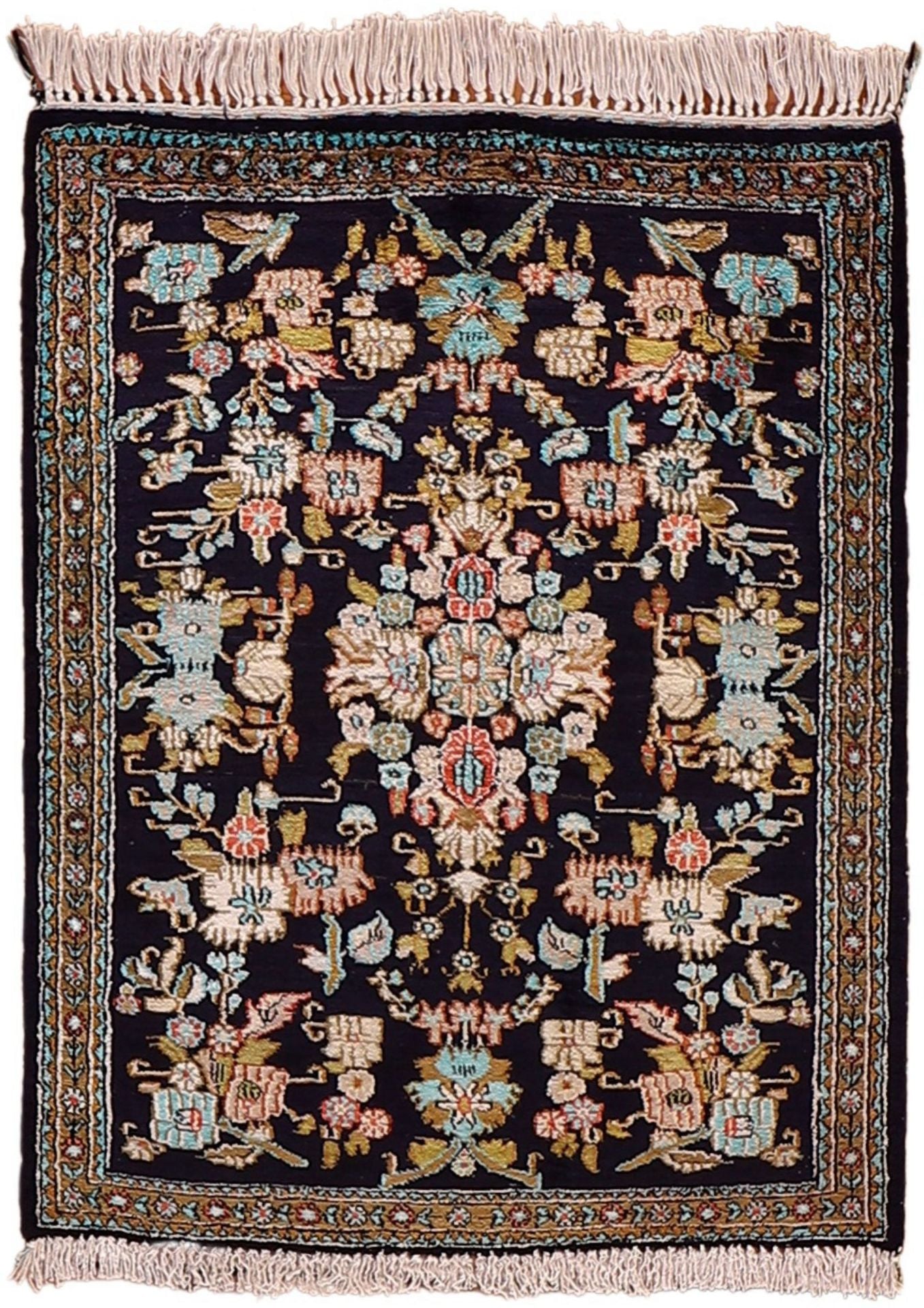
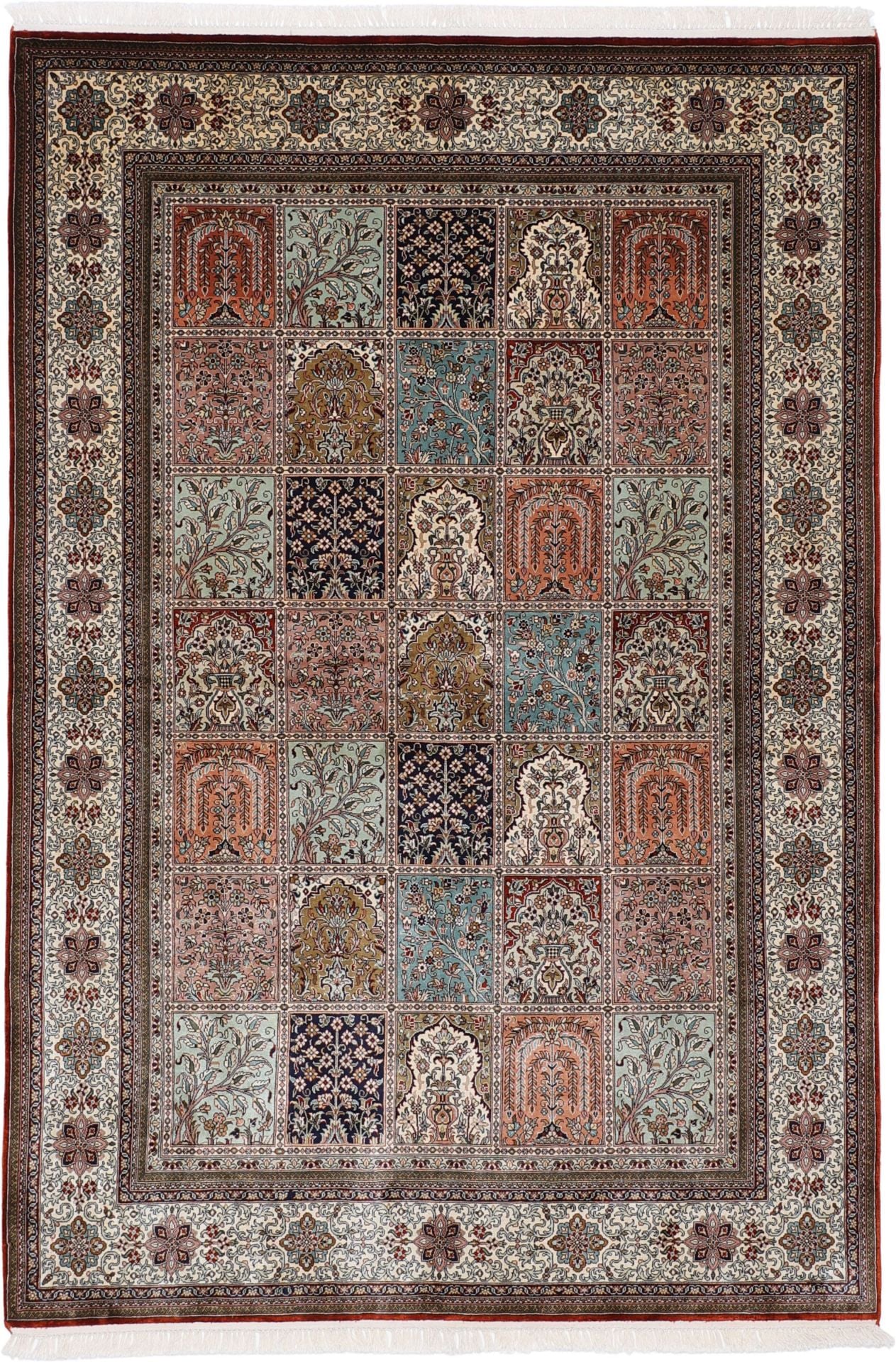
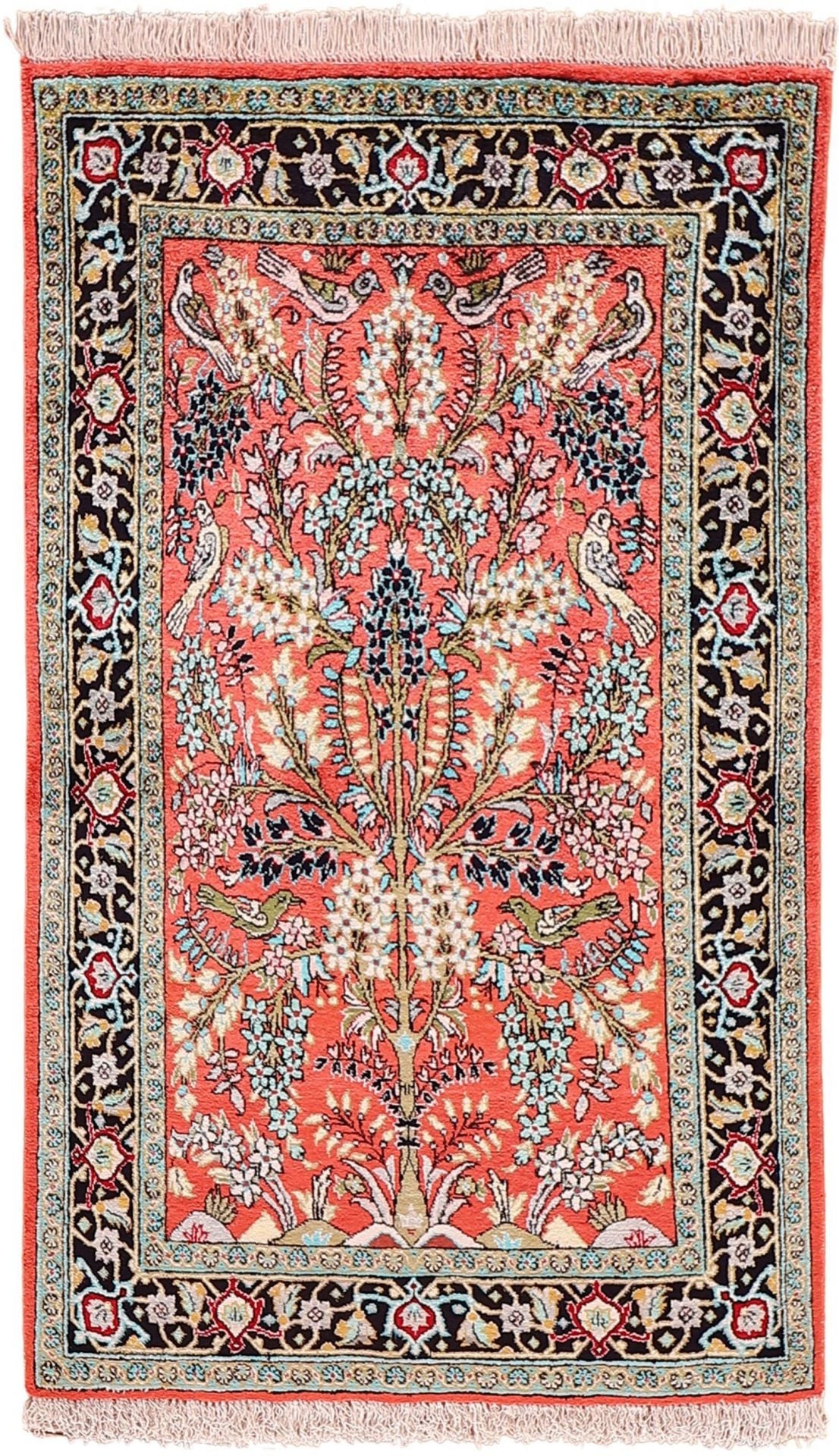
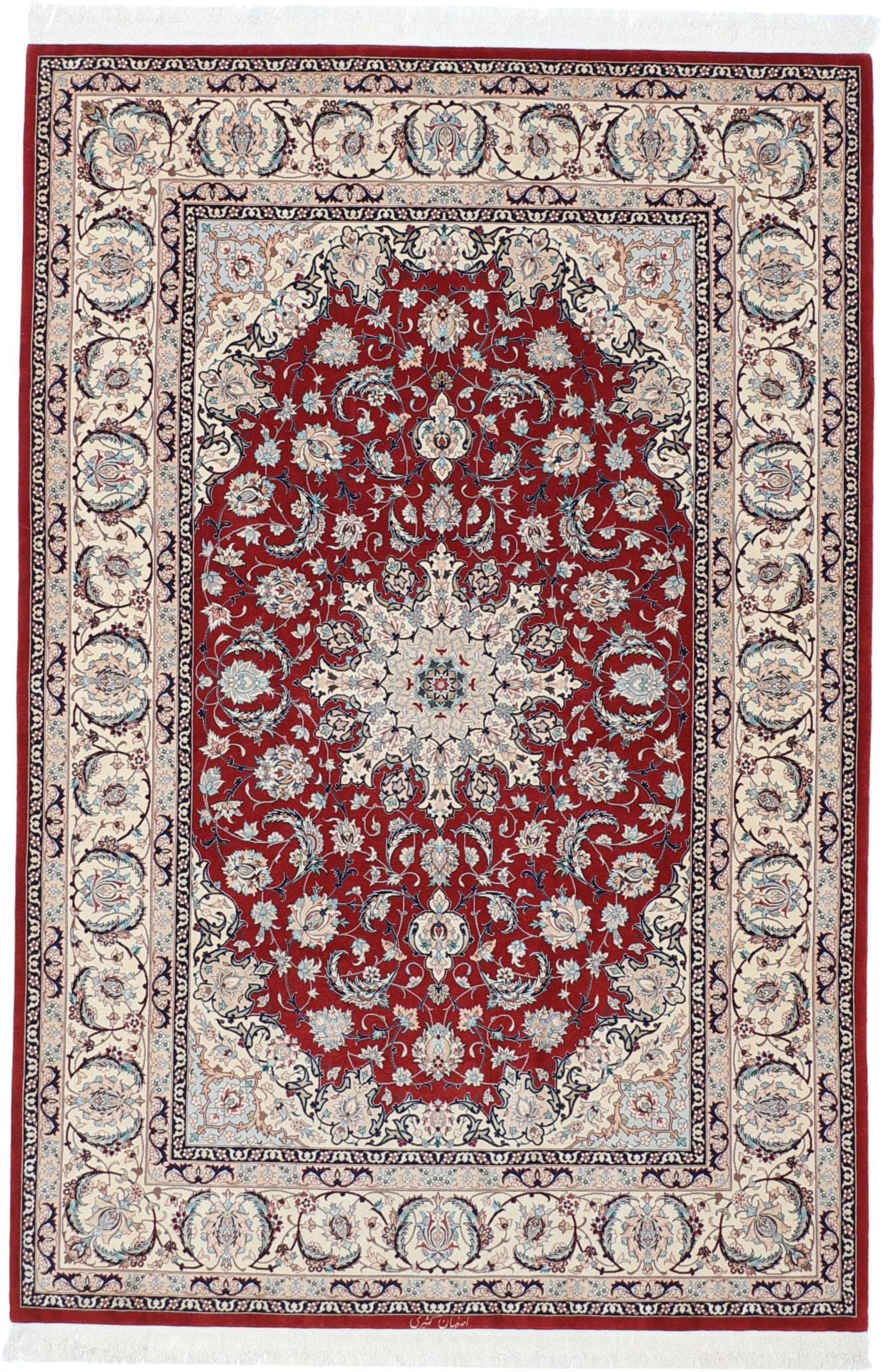
“The Magic of Moroccan Carpets: Tradition, Design and Craftsmanship”
The magic of carpets: tradition, design and craftsmanship
Carpets are far more than mere floor coverings. They are works of art that uniquely combine tradition, craftsmanship, and design. In this article, we will explore the fascinating world of carpets, with a particular focus on Moroccan carpets, their magical appeal, and their deep-rooted cultural history. We will examine the different types, manufacturing techniques, designs, and care of these unique works of art, and also discuss how to choose the perfect carpet for your home.
The origins of carpet art
Carpet art dates back to ancient times. Historically, the oldest known carpets come from Persia and Central Asia. These early carpets were often made of wool, silk, or cotton and decorated with complex patterns and vibrant colors. Over the centuries, carpets developed differently depending on the region and the available materials. Today, carpet traditions exist worldwide, but Moroccan carpets stand out in particular.
Moroccan Carpets: An Overview
Moroccan carpets are rich in symbolism and history. They are often hand-knotted and made from natural materials, making them particularly sustainable. Their designs vary by region and often tell stories from the lives of the people. Berber, who live in the Moroccan mountains and deserts.
The different types of Moroccan carpets
Morocco is known for its diverse carpet styles. Some of the most popular are:
- Beni OurainThese rugs are often neutral in color and feature geometric patterns. They are made from the purest wool and are particularly soft.
- AzilalAzilal carpets are more vibrant and feature intricate designs, often in bold colors. They reflect the creative heritage of Berber contrary.
- BoujadThese rugs combine various patterns and colors and are often a blend of traditional and modern. They are known for their unique texture and depth.
- Kilims: KilimThese are flat-woven carpets without a pile, often featuring geometric patterns. They are lightweight and suitable for both walls and floors.
The importance of design and symbolism
The patterns on Moroccan carpets are often not chosen at random. Each design has a meaning – be it the protection of family and home, fertility, or the celebration of special events. Symbolism is an essential part of the Berberculture, and this is reflected in the art of carpet making.
The craftsmanship of carpet making
Making a rug is a laborious process that can often take weeks or even months. Each rug is traditionally hand-woven, meaning every step of the process—from wool selection to weaving and dyeing—is carried out with great care and precision.
Materials and techniques
The most common materials for Moroccan rugs are wool, cotton, and, in some cases, silk. Wool is often sourced from local sheep and is known for its warmth and softness. Natural dyes derived from plants and minerals are used for coloring, highlighting the eco-friendly nature of these rugs.
The weaving process
The weaving process begins with the design of the pattern, often created by the weavers themselves. They sketch the designs and significantly influence the aesthetics of the final product. The wool is then prepared, dyed, and stretched onto the loom. This manual process requires considerable skill and patience, which translates into the quality and longevity of the finished rug.
Care and maintenance of carpets
Proper care is essential to maintaining the beauty and longevity of your carpet. Here are some important tips:
- Regular vacuuming: Vacuuming removes dirt and dust that can become trapped in the fibers. Be careful not to overclean the carpet to avoid damaging the fibers.
- Stain removal: When it comes to stains, speed is key. Dab the stain with a damp cloth and use mild cleaning agents to avoid damage.
- Professional cleaning: Have your carpet professionally cleaned regularly, especially if it is subject to heavy wear.
Carpets as a design element in your home
A rug can be the centerpiece of a room and create atmosphere. Choosing the right rug depends on several factors, including the room size, color palette, and personal taste. Here are some ideas for incorporating rugs into your home:
- Accentuation: A colorful rug can serve as an eye-catcher and add a splash of color to the room.
- Zoning: Use rugs to define different areas of a room, such as a reading or dining area.
- Comfort: A soft carpet creates a welcoming atmosphere and contributes to coziness.
closing thoughts
The variety of Moroccan rugs and their backgrounds demonstrate how much more they serve than just a practical function. They are living works of art that embody tradition and identity. Whether as an accent in a modern living room or a highlight in a traditional room, they bring life and character to any home. When choosing a rug, consider the craftsmanship and historical significance. A rug is not only an investment in interior design, but also in cultural heritage and craftsmanship.
Frequently Asked Questions (FAQ)
1. How do I recognize an original Moroccan carpet?
Original Moroccan rugs are handmade, have irregular patterns, and are usually made of natural materials such as wool. Look for labels or certifications that confirm their authenticity.
2. How do I clean my carpet properly?
Regular vacuuming is important. Mild cleaning agents should be used for stains. A professional cleaning company can perform a thorough cleaning without damaging the fibers.
3. Where can I buy Moroccan carpets?
Moroccan rugs can be purchased in specialty stores, at art markets, or online from webshops specializing in handmade products. Pay attention to reviews and information about the rugs' origins.