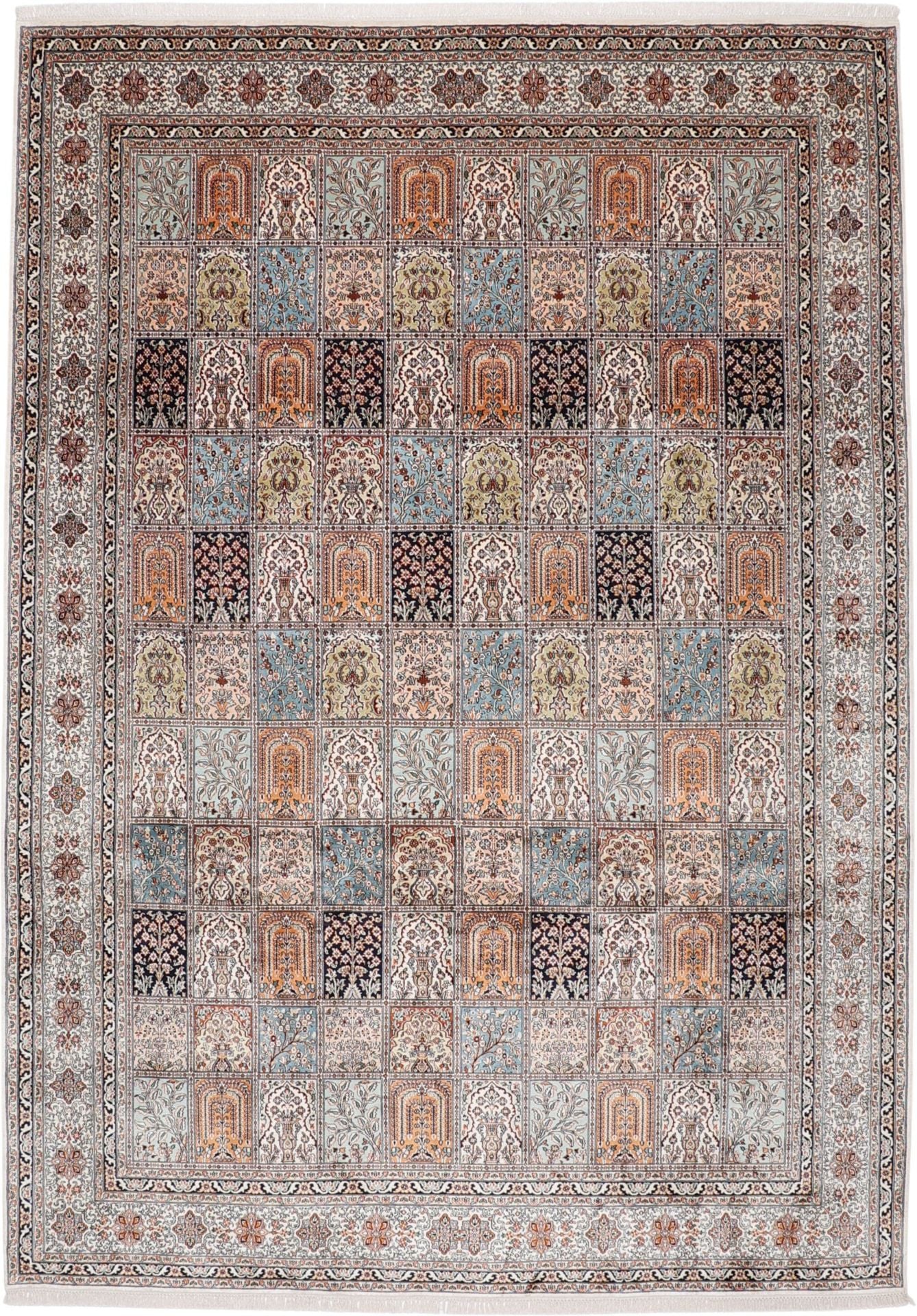
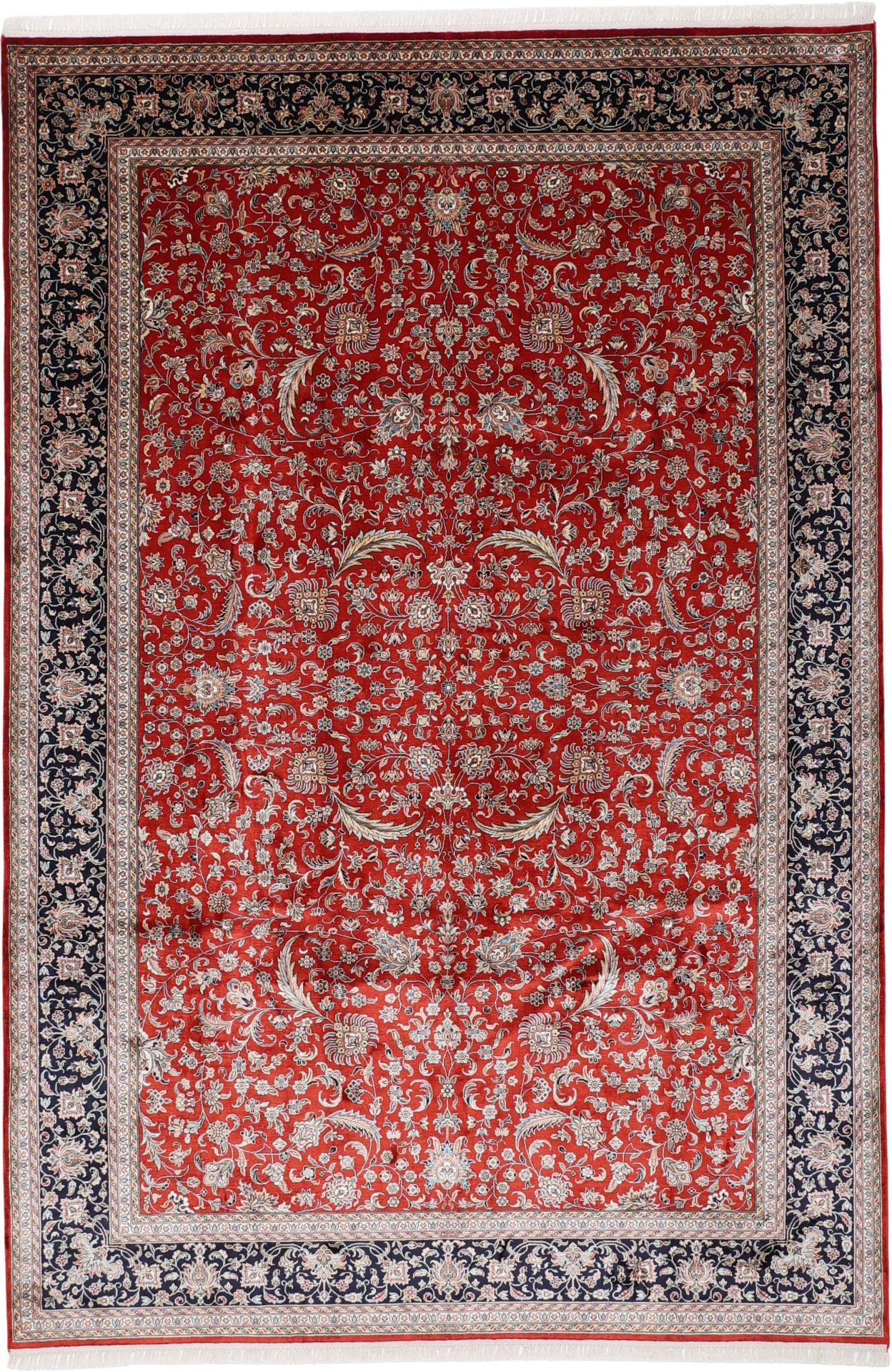
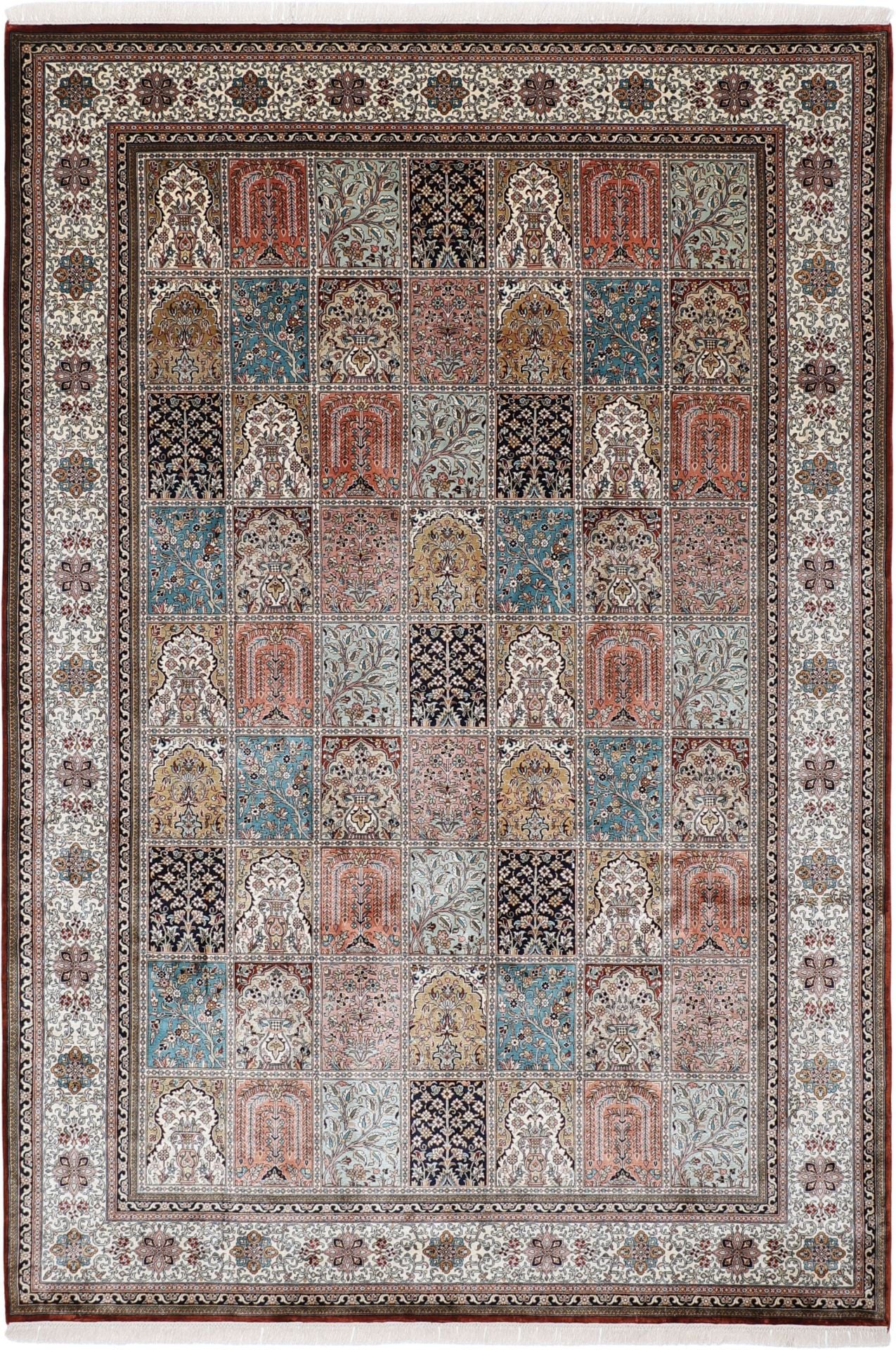
“The Artful Tradition of Pakistani Carpets: Craftsmanship and Design Through the Ages”
The artistic tradition of Pakistani carpets: craftsmanship and design through the ages
Carpets are not only functional objects, but also works of art that tell stories. Especially in Pakistan, a country with rich cultural diversity and traditional craftsmanship, carpets have a long and fascinating history. In this article, we will explore the exciting world of Pakistani carpets, the creative techniques used to make them, and the evolution of their designs over the centuries.
The origins of Pakistani carpet art
The roots of carpet weaving in Pakistan date back to ancient times. Historically, the areas that now constitute Pakistan have been home to many different ethnic groups that have shaped carpet art. The oldest carpets found in this region date back to the 16th century and show influences from Persian and Central Asian carpet traditions.
Traditional carpet weaving is still practiced with great devotion in many communities in Pakistan. Craftsmen, often for generations, use techniques passed down from their ancestors to create unique pieces that are both aesthetically pleasing and functional.
Materials and techniques
One of the most striking features of Pakistani carpets is the use of high-quality materials. The most common materials are wool, silk, and cotton. The use of these materials not only gives the carpets an exceptional texture but also improves their longevity.
Wool rugs are particularly popular because they are both warm and durable. Silk rugs, on the other hand, are characterized by their luster and delicate designs, while cotton rugs are skin-friendly and easy to care for.
The knotting technique is another crucial factor that influences the quality and design of a carpet. In Pakistan, Persian knotting and Turkish knotting are often used. The Persian knot is generally denser and gives the carpet a finer texture, while the Turkish knot has a coarser structure and is better suited to creating colorful patterns.
Regional styles and designs
Pakistan is a vast country with diverse regions, and each region has its own unique carpet style. The most famous carpet regions include Peshawar, Lahore, Karachi, and Multan.
Peshawar carpets
Peshawar rugs are known for their traditional, hand-knotted designs, which feature magnificent floral motifs. These rugs are often made of wool and feature vibrant colors such as red, blue, and beige. The floral patterns are often symmetrical and reflect nature, giving the rugs an organic and calming feel.
Lahore carpets
Lahore carpets, on the other hand, are known for their elegant, ornamental patterns and use of silk. They often feature complex geometric designs and are frequently used in traditional wedding decorations. Lahore carpets are often in neutral tones, offering a bright and sophisticated aesthetic that is becoming increasingly popular in modern interior design styles.
Karachi carpets
Karachi rugs are often characterized by a contemporary style, combining traditional inspiration with modern designs. These rugs can be both bold and minimalist in nature and are ideal for modern living spaces. They are often available in a variety of colors and patterns to reflect contemporary tastes.
Multan carpets
The carpets from Multan are known for their quality and durability. They often feature a combination of classic and modern elements. Typical colors are warm earth tones that integrate well into various interior styles.
The transformation of carpet art in contemporary design
Carpet art in Pakistan has evolved over the years. While traditional designs are still preserved and valued, there is also a strong trend towards contemporary interpretations of this art form. Many modern carpetsdesigner experimenting with new materials, colors and patterns to create fresh, contemporary pieces that contrast with classic designs.
The use of sustainable materials and environmentally friendly production methods has also increased. Designer They are increasingly looking for ways to preserve traditional craft techniques while integrating environmentally conscious practices into their work.
The symbiosis of tradition and innovation
The combination of tradition and innovation is a remarkable trend in Pakistani carpet art. Designer They often work closely with local artisans to preserve traditional knotting techniques and designs while incorporating modern aesthetic elements. This results in a diverse range of rugs that are both timeless and contemporary.
In addition, many artists are using digital technologies to create their designs and reach customers worldwide. The ability to showcase and sell rugs online has significantly expanded the reach of Pakistani rug art.
The importance of carpets as an art form and cultural heritage
Carpets are far more than just objects that decorate the floor. They are pillars of cultural identity. Pakistani carpets tell stories of community, tradition, and individual creativity. The art of carpet weaving not only transmits technical knowledge but also fosters an appreciation for craftsmanship and design.
In a world increasingly characterized by mass production and fast-paced living, purchasing a hand-knotted carpet from Pakistan offers the opportunity to own a piece of living history. It's an investment in the craftsmanship and the people behind the creation of these works of art.
Care and maintenance of carpets
Carpet care is crucial to maintaining its beauty and longevity. Here are some tips for caring for Pakistani carpets:
Regular cleaning
Regular vacuuming is important to remove dirt and dust. Make sure to vacuum the carpet on a low setting to avoid damaging the fibers. Professional cleaning every few years is also recommended.
Avoid direct sunlight
Direct sunlight can cause a carpet's colors to fade. Position furniture or curtains to protect the carpet from direct sunlight.
Instant removal of stains
If soiling occurs, act immediately. Use a clean, white cloth to blot the stain rather than rubbing, as this can damage the fibers. For stubborn stains, it's advisable to seek professional cleaning services.
Final section
The artistic tradition of Pakistani carpets demonstrates how deeply rooted craftsmanship and design are in the country's cultural and historical identity. The combination of traditional techniques with contemporary designs and materials ensures that these carpets can also find their place in modern living spaces.
The appreciation for the craftsmanship, the stories, and the people behind the rugs makes each piece unique. Incorporating a Pakistani rug into your home brings not only a work of art, but also a piece of history and culture.
FAQ section
1. Why are Pakistani carpets so special?
Pakistani carpets are special because of their rich history, high-quality materials, and unique craftsmanship passed down through generations. Each carpet tells a story and reflects the cultural identity of the region.
2. How can I be sure that I am buying an authentic Pakistani carpet?
To ensure you're buying an authentic Pakistani rug, shop from trusted dealers and online stores that offer transparency about the rugs' origins. Also, look for certificates confirming authenticity.
3. How do I ensure that my carpet lasts a long time?
To extend the lifespan of your carpet, you should perform regular care and cleaning. Vacuuming, avoiding direct sunlight, and promptly treating stains are important measures to preserve the beauty and quality of the carpet.