The artistry of carpets: The fascination of the Keshan carpet
The fascination of carpets: A look at the artistry of Keshan carpets
Carpets are more than just home accessories; they are an expression of craftsmanship, tradition, and culture. Keshan carpets from Iran, in particular, have earned a prominent place among fine carpets. Their stunning designs, high-quality materials, and centuries-old craftsmanship make them a fascinating subject, offering a deep insight into the world of carpet art.
History and origin of Keshan carpets
Origins in Iran
Keshan is a city in the province Isfahan in Iran, which is known for its exotic carpet patterns and exceptional craftsmanship. The tradition of carpet weaving in this region dates back to the 16th century, when the Safavid ruler Shah Abbas I promoted the art of carpet knotting and made elegant designs fashionable. Keshan carpets quickly became a symbol of luxury and cultural refinement.
The influences on the design
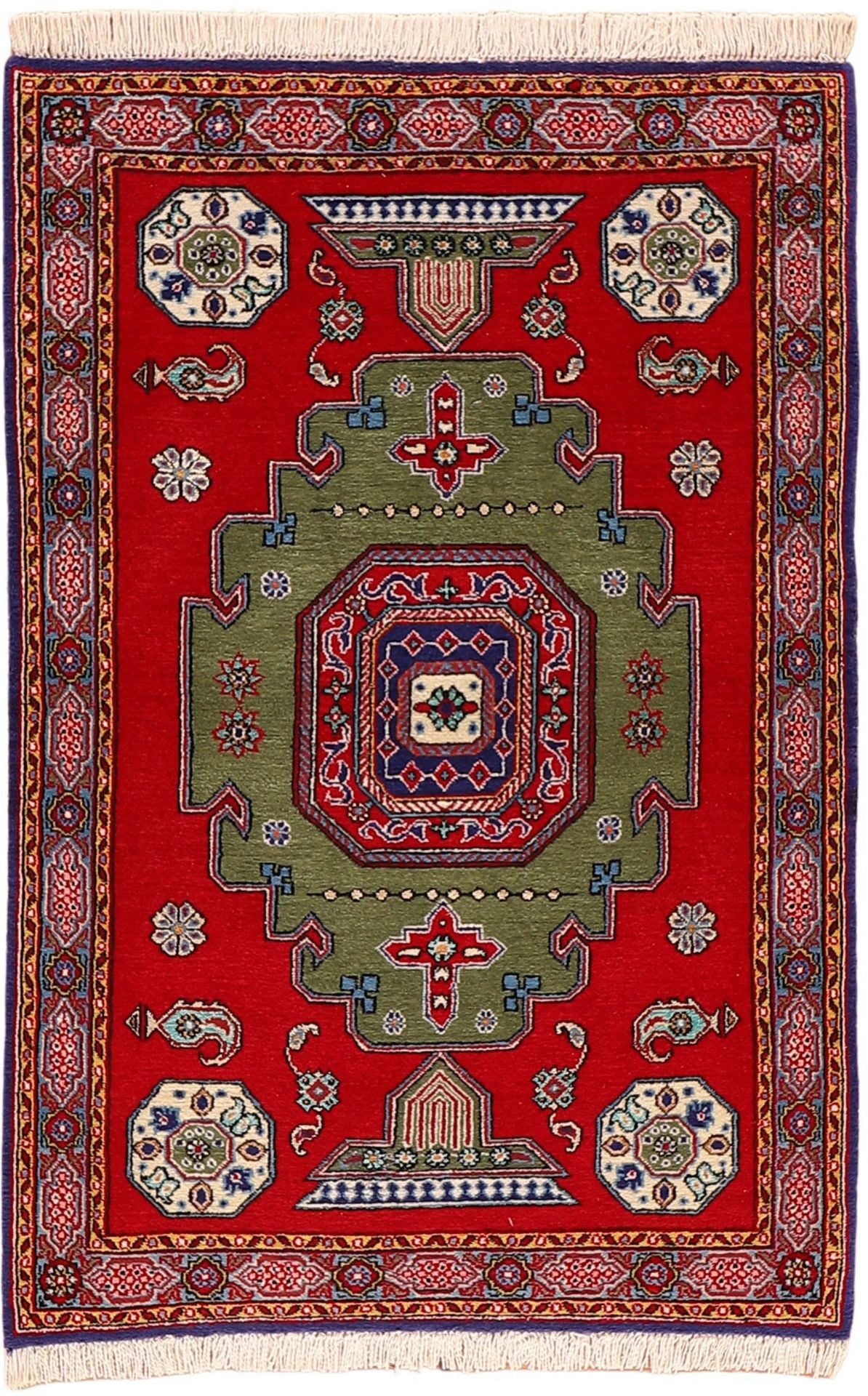
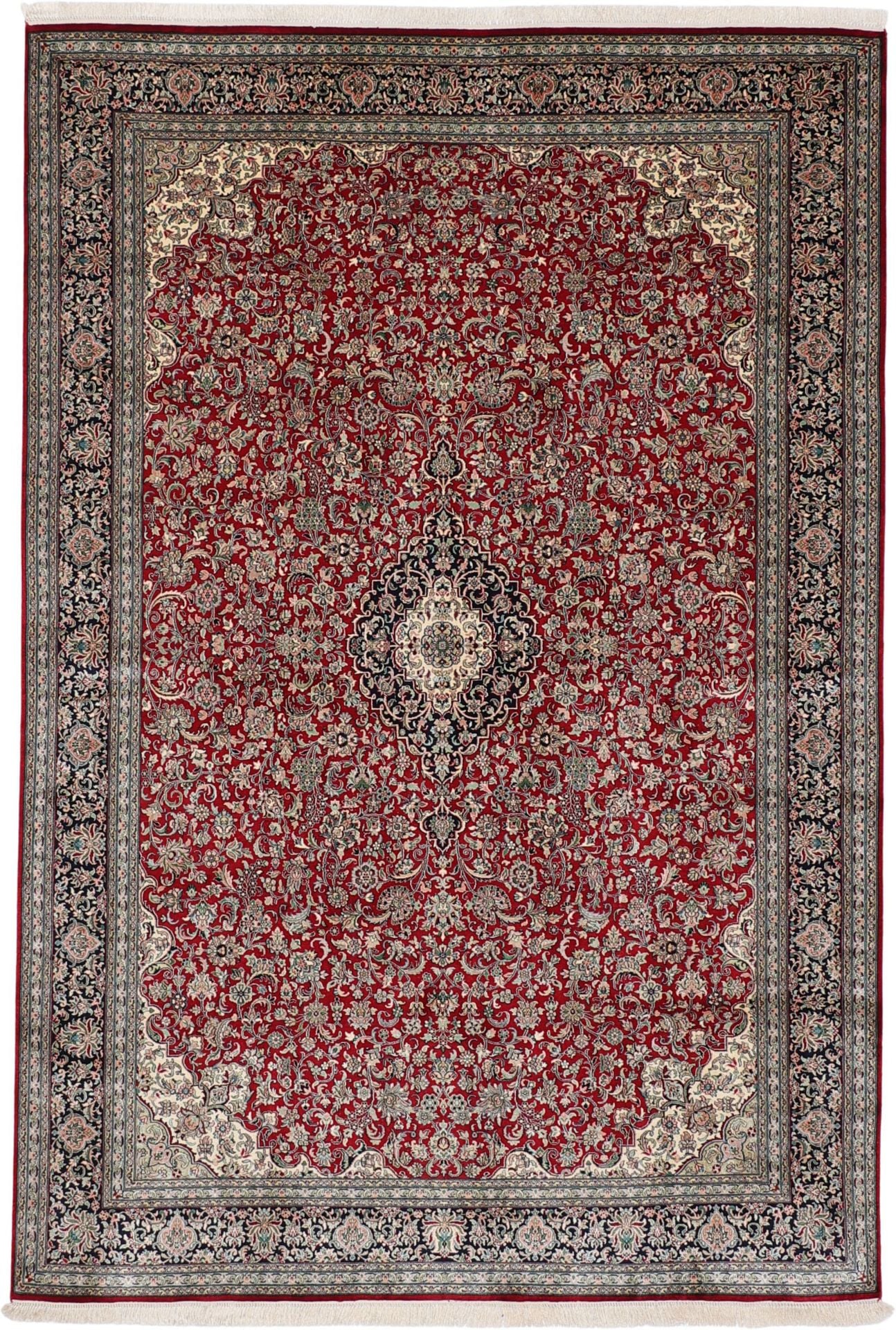
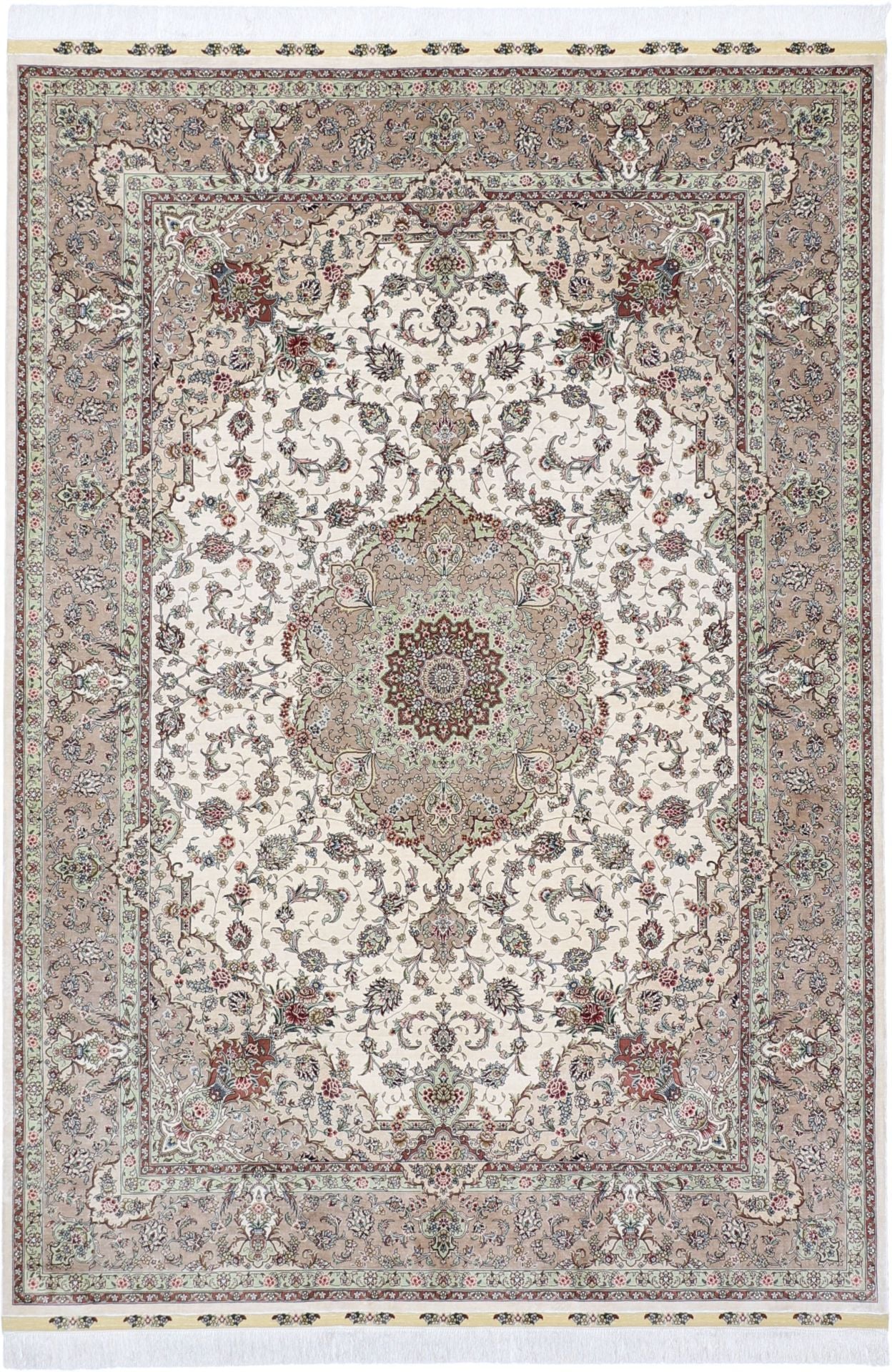
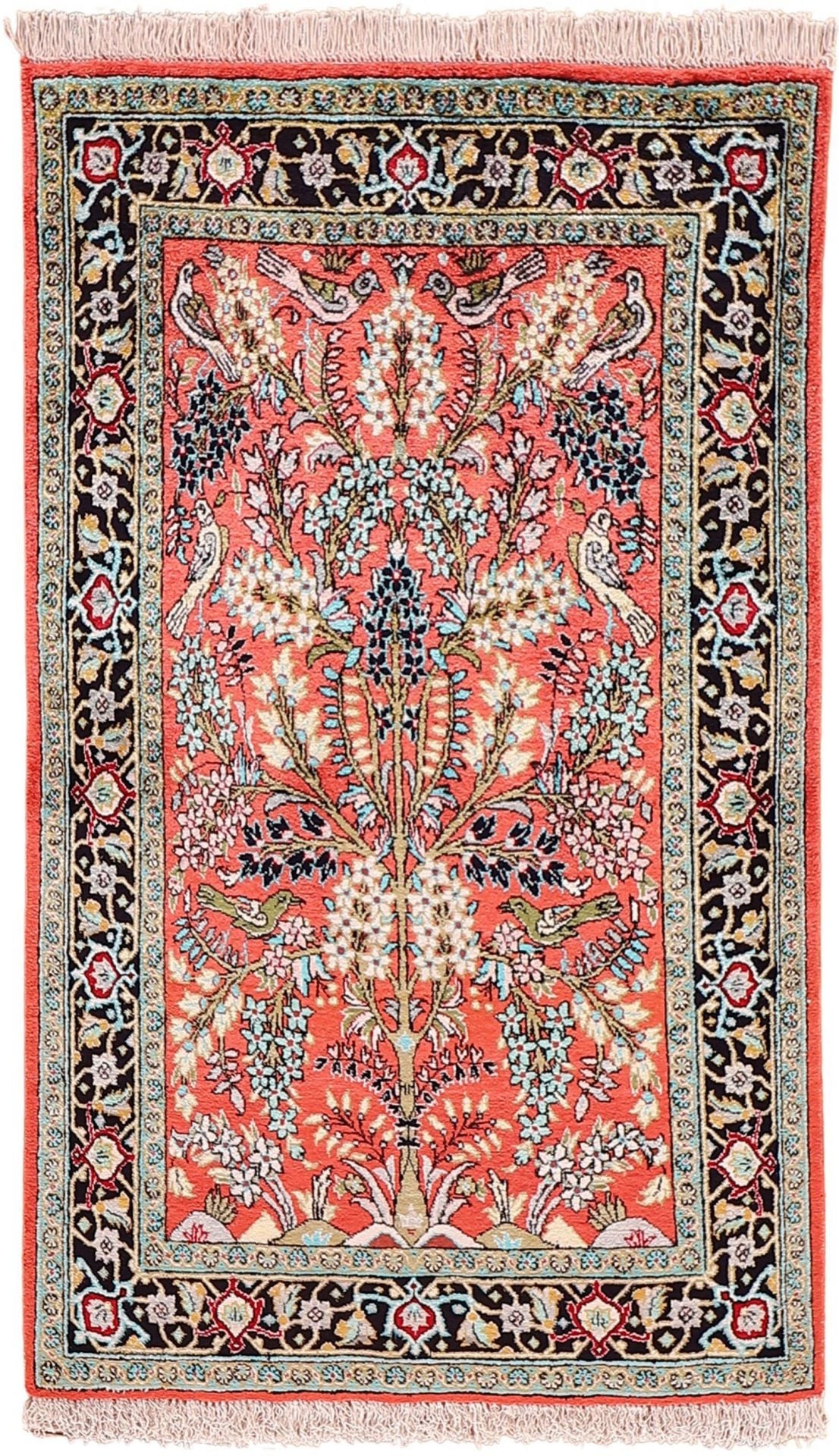
The designs of Keshan carpets are strongly influenced by the surrounding environment and cultural influences. Motifs such as flowers, vines, and geometric shapes, often in bright colors, can be found in these carpets. They reflect the rich flora and fauna of the region, as well as the mythology and spirituality of the Iranian people. The patterns are often symmetrical and testify to strict artistic discipline.
Material and technology
High-Quality Materials
The quality of a carpet is largely determined by the materials used in its manufacture. Keshan carpets are typically made of wool, silk, or a combination of both. Wool is particularly valued for its durability, while silk is known for its luxurious texture and brightness. Many Keshan carpets combine both materials to achieve both durability and an exquisite appearance.
Craft techniques
The production process of a Keshan rug is extremely time-consuming and requires considerable skill. Traditionally, the rugs are knotted by hand, meaning each rug is unique. Knotting is a precise process that can often take years, depending on the size and complexity of the design. This craftsmanship not only ensures high quality but also creates an emotional connection with each rug.
The design elements of Keshan carpets
Color psychology and meaning
Colors play a crucial role in the design of Keshan carpets. Each color has its own symbolic meaning. Red is often associated with good luck and prosperity, while blue can represent peace and harmony. The combination of these colors creates a harmonious overall image that is not only aesthetically pleasing but also conveys emotional messages.
Patterns and motifs
The patterns of Keshan carpets are complex and profound. The most common motifs include:
- Floral patterns: These symbolize the beauty of nature and the connection with the environment.
- Geometric shapes: They reflect the structure and belief in order that is deeply rooted in Iranian culture.
- Traditional stories: Many carpets tell stories from Iran's rich history, from wars to heroic deeds.
Care and maintenance of Keshan carpets
Regular maintenance
To maintain the beauty and longevity of a Keshan rug, regular care is essential. Vacuuming on a low setting can remove dirt and dust without damaging the fibers. Care should be taken to avoid excessive wear and tear on the rug and prevent color fading.
Cleaning
Professional cleaning should be performed every few years to ensure the carpet remains in optimal condition. Minor stains can be treated at home with a specialized carpet cleaner, but caution should be taken to avoid the risk of permanent damage.
The cultural significance of Keshan carpets
Cultural heritage
Keshan carpets are not only masterpieces of craftsmanship, but also bearers of Iran's cultural heritage. They play an important role in daily life and are often passed down as heirlooms, reflecting the history of a family or home. The value of a Keshan carpet can be very high, both emotionally and financially.
Art and Education
Carpet weaving in Keshan requires not only skill but also a deep understanding of the country's artistic traditions. Many artisans pass on their knowledge to the next generation, ensuring that the traditional art of carpet weaving continues into the future. Scholarships and training centers help keep this valuable heritage alive.
Keshan carpets as an investment
appreciation
Keshan carpets are considered a valuable investment. Their rarity and the time invested in their production often result in significant appreciation over the years. A well-maintained Keshan carpet can be a valuable heirloom passed down from generation to generation.
Market Analysis
The market for antique and modern carpets has gained importance in recent years. Auctions and specialized carpet dealers offer a platform for enthusiasts and collectors. However, buyers should be well informed to distinguish authentic Keshan carpets from fakes or inferior imitations.
The influence of culture and history on design
Historical influences
The origins of Keshan carpets are closely linked to various historical periods. During the Safavid period, carpet art experienced a golden age, reflected in the elaborate patterns and colors. However, other dynasties, such as the Qajar and Pahlavi dynasties, also left their influence and further refined carpet art.
The role of religion
Religion plays a central role in the design of Keshan carpets. Religious symbols, such as geometric patterns and floral ornaments, are often woven into the carpets. These elements are part of a deep spiritual connection to faith and are used in carpets often found in mosques and holy sites.
Final section
Keshan carpets embody a fascinating synthesis of art, culture, and tradition. Their production requires not only technical skill but also a deep understanding of the history and creative expressions of the Iranian people. Whether as a work of art, decoration, or investment, the Keshan carpet remains a timeless symbol of elegance and cultural appreciation. The cultivation and appreciation of this art form is not only a tribute to the artisans who dedicate their lives to carpet art, but also to ourselves, who carry on the history and the stories these carpets tell.
FAQ
What materials are used in the production of Keshan carpets?
Keshan rugs are typically made of high-quality wool or silk, with many models using a combination of both materials to ensure both durability and a luxurious appearance.
How do I properly care for my Keshan carpet?
For regular maintenance, vacuum the carpet on a low setting and monitor for overuse. Professional cleaning is recommended every few years to preserve the carpet's colors and texture.
Why are Keshan carpets so valuable?
Due to their rarity, high craftsmanship, and the lengthy production process, Keshan carpets are often very valuable. Well-maintained examples can increase in value and be passed down as heirlooms.