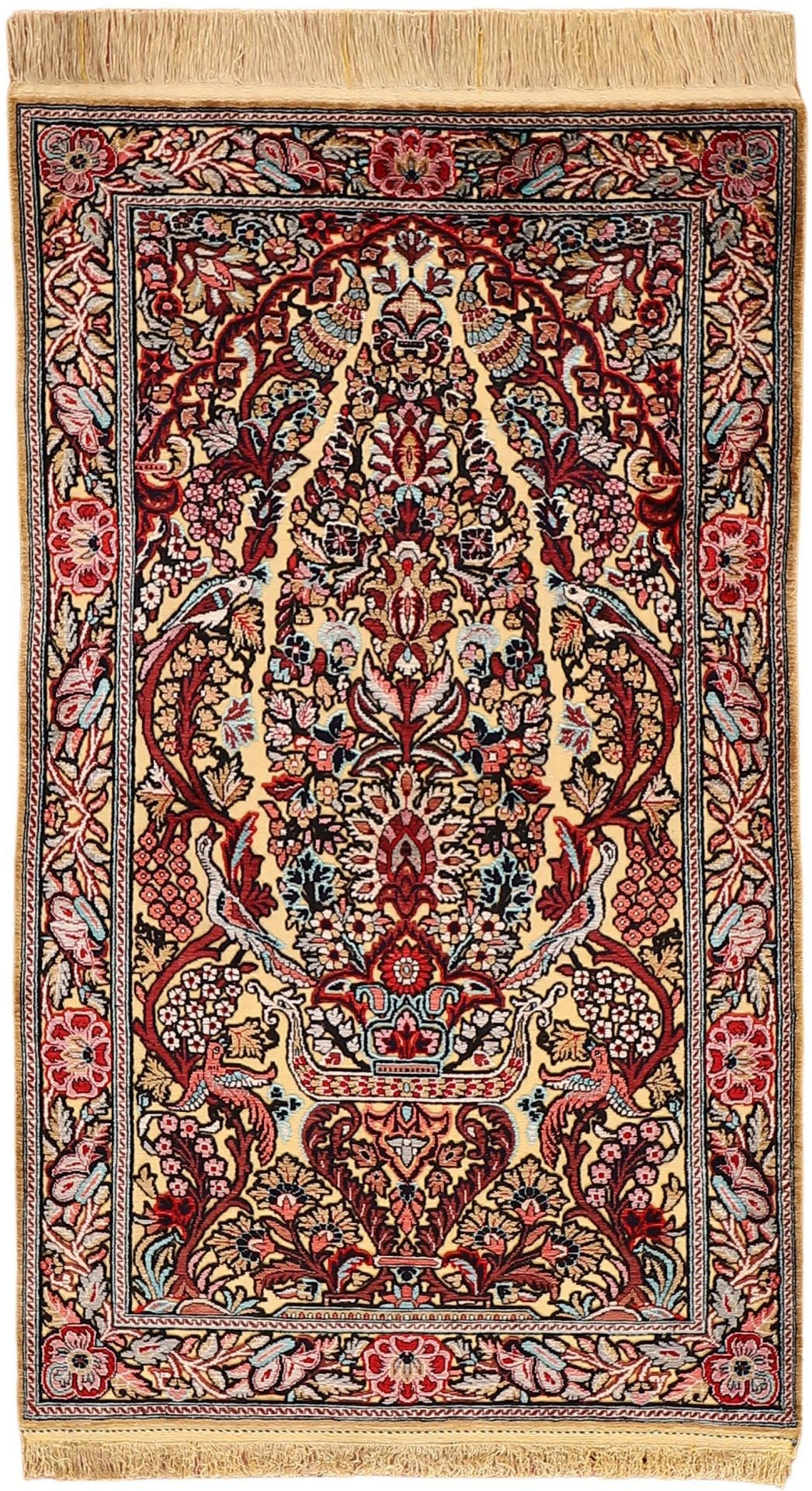
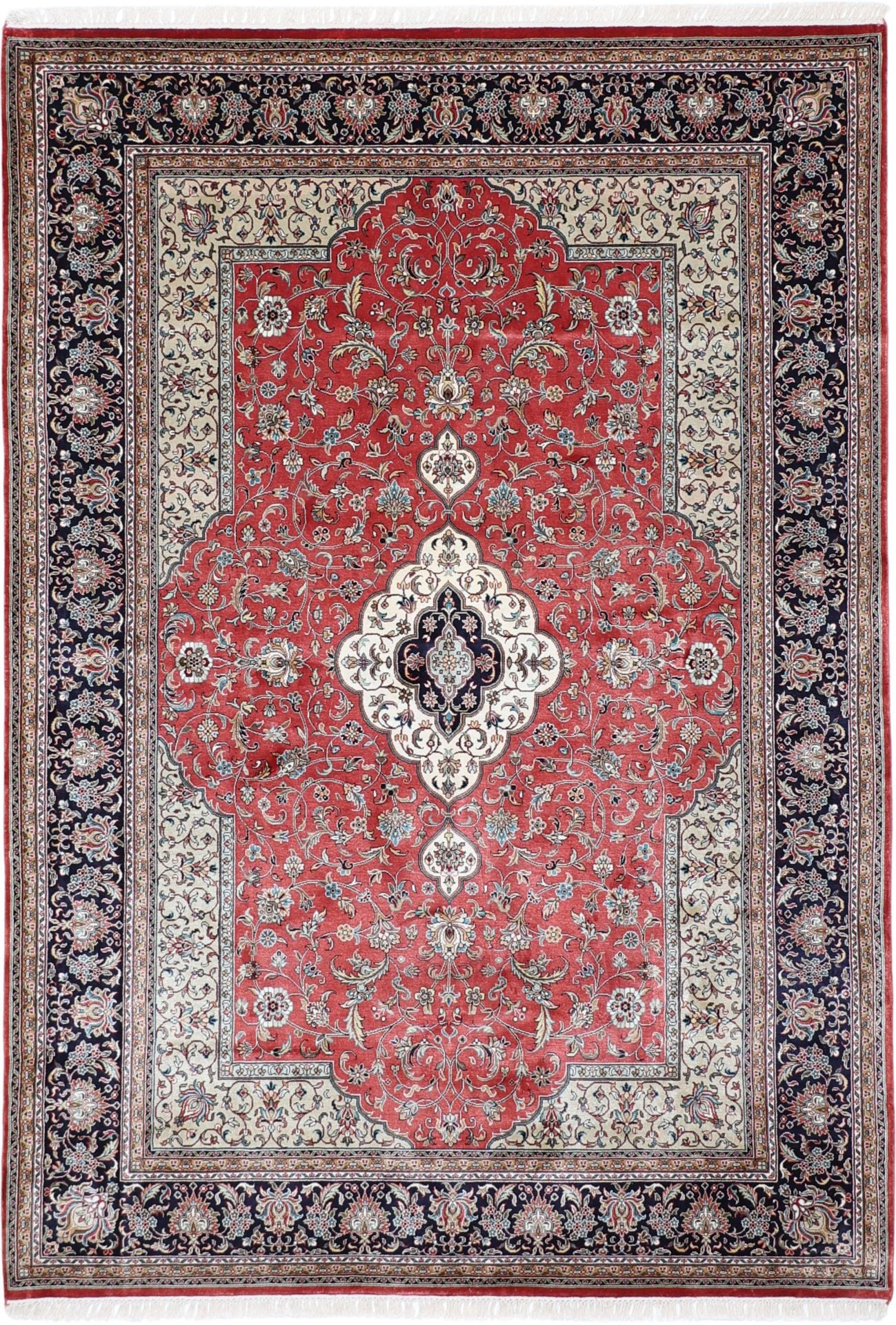
“The Art and History of Persian Carpets: A Look at Timeless Craftsmanship and Exquisite Designs”
The Art and History of Carpets: A Look at Timeless Craftsmanship and Exquisite Designs
Carpets are more than just floor coverings; they are works of art that tell stories, embody traditions, and fill the home with warmth and style. In this article, we examine the history of carpets, particularly Persian carpets, and explore the exceptional craftsmanship, diverse designs, and cultural significance that this art form brings. From the beginnings of carpet weaving to modern interpretations and carpet care, everything is covered to give you a comprehensive picture of this timeless art.
The origins of carpet weaving
The history of carpet weaving is ancient and rich. The first known carpets originate from Central Asia, where they were made over 2500 years ago. Today, the most highly prized carpet, the so-called "Pazyryk Carpet," is an example of Scythian craftsmanship and was discovered in 1949 in a grave near the Altai Mountains. This valuable carpet, amazingly well preserved, proves that the technique of carpet weaving has been perfected since ancient times.
Over the centuries, carpets have been used not only as decorative elements but also as practical objects, serving as insulation against the cold on the ground or as wall hangings to decorate tents. With the spread of trade routes, especially the Silk Road, carpet art experienced a boom as artisans combined products from many different cultures and developed new designs.
The development from nomadism to urban carpet art
Originally, carpets were made in nomadic cultures. The artisans were primarily women, who passed their skills down from generation to generation. These carpets often reflected the environment in which they were made and used locally available materials such as wool, cotton, and silk. The patterns and colors were often symbolic and frequently part of a ritual use.
As the population shifted to urban areas, the carpet craft continued to develop. In cities like Isfahan, Tabriz and Mashhad Large workshops were established where master weavers and apprentices worked under one roof. These urban carpets began to incorporate more intricate designs and elaborate patterns, often depicting botanical, geometric, or figurative motifs.
Persian carpets: A masterpiece of craftsmanship
Persian carpets are arguably the most famous and sought-after carpets in the world. They are famous for their excellent quality, vibrant colors, and the variety of their designs. The training to become a carpet weaver is intensive and lasts several years, often under the guidance of a master. This ensures that the craftsmanship and traditions are not lost.
The production of a Persian carpet can take several months to years, depending on the size, complexity, and materials used. The knotting weaving technique is used, in which each knot forms part of the design. A distinction is made between different knotting techniques that influence the density and appearance of the carpet.
The different carpet designs
Carpets come in countless designs and patterns. Many Persian carpets are named after the regions in which they are produced. Among the most famous are:
- Tabriz: Known for its magnificent medallions and floral motifs.
- Isfahan: Famous for their fine details and vibrant colors, you'll often find complex, narrative designs here.
- Heriz: A rustic, geometric style with bold colors and large patterns.
- Kerman: Known for floral designs and a special color blend of soft pastels.
In addition to classic designs, modern carpets are available, often featuring the work of artists and Designer address those who create contemporary interpretations of traditional craftsmanship.
Dyeing techniques and materials
The selection of materials and dyeing techniques plays a crucial role in the quality of a carpet. Traditionally, natural dyes from plants and minerals were used to create a rich color palette. Today, synthetic dyes are also used, which are often more vibrant and particularly durable.
Wool is the most commonly used material for rugs, followed by cotton and silk. Wool offers a great combination of durability and comfort, while silk gives rugs a luxurious sheen and is often used in combination with wool. Some high-end rugs are made entirely of silk and are particularly sought-after.
Care and maintenance of carpets
Carpet care is crucial to ensuring their beauty and longevity. Here are some basic care tips:
- Regular vacuuming: Keep your carpet clean by vacuuming it regularly. Make sure to set the nozzle at a gentle height to avoid damaging the fibers.
- Stain treatment: Treat stains immediately to avoid permanent damage. It's best to use a mild cleaner and gently blot the stain.
- Professional cleaning: Have your carpet professionally cleaned every few years to address deeper layers and refresh the colors.
Carpets as an investment
Carpets are increasingly viewed as an investment. High-quality, hand-knotted carpets with unique patterns can increase in value, especially if they come from prized regions and are made by recognized masters. In addition to their aesthetic appeal, carpets also have a financial aspect that makes them a worthwhile investment.
A sustainable product: The importance of origin
When choosing a rug, you should also consider its origin and production method. Many manufacturers emphasize sustainable practices by using environmentally friendly materials and ensuring fair working conditions for the producers. Look for certifications or information about production conditions to ensure your rug is not only beautiful but also ethically sourced.
Combination and design of carpets
Rugs can add character and warmth to any room. Whether traditional or modern, the right placement and combination of rugs with other decorative elements creates harmony. Here are some tips for integrating rugs into your home:
- Right size: Choose a rug that fits the size of the room. A large rug can help unify the decor, while smaller rugs add accents.
- Color coordination: Pay attention to the colors of your furniture and walls. The rug should either accentuate one color or create a nice contrast.
- Layering: Layering rugs is a trendy approach to creating texture and depth.
Conclusion
The art of carpet weaving, especially Persian carpets, is a fascinating blend of craftsmanship, history, and culture. Each carpet is unique, embodying centuries-old traditions and skills. They not only convey a deep-rooted history but also add a touch of elegance and style to your home. Whether you choose a traditional classic or a modern masterpiece, a hand-knotted carpet is sure to influence the atmosphere of your room and transport you to a world of color and pattern. So, when you're thinking about purchasing a carpet, remember that you're not just purchasing a product; you're bringing a piece of art history into your home.
Frequently Asked Questions (FAQ)
How do I know the quality of a carpet?
The quality of a rug can often be determined by the knot density, the materials used, and the craftsmanship. High-quality rugs have a higher knot density and are made of fine materials such as wool or silk. Also pay attention to the back of the rug; hand-knotted rugs have clear and even knot patterns.
How should I clean a carpet?
As a general rule, you should vacuum your carpet regularly and treat stains promptly with mild cleaning agents. Professional cleaning every few years can help extend the life of your carpet. For expensive or antique carpets, professional cleaning is recommended to ensure no damage occurs.
Can I use carpets on underfloor heating?
Yes, many rugs can be used in combination with underfloor heating, although it's important to choose the right thickness and material. Natural fiber rugs are often a good choice in such scenarios. Avoid very thick rugs, as they can insulate heat.
We hope this article has given you valuable insights into the fascinating world of carpets and helps you make the right decision when purchasing your next carpet.