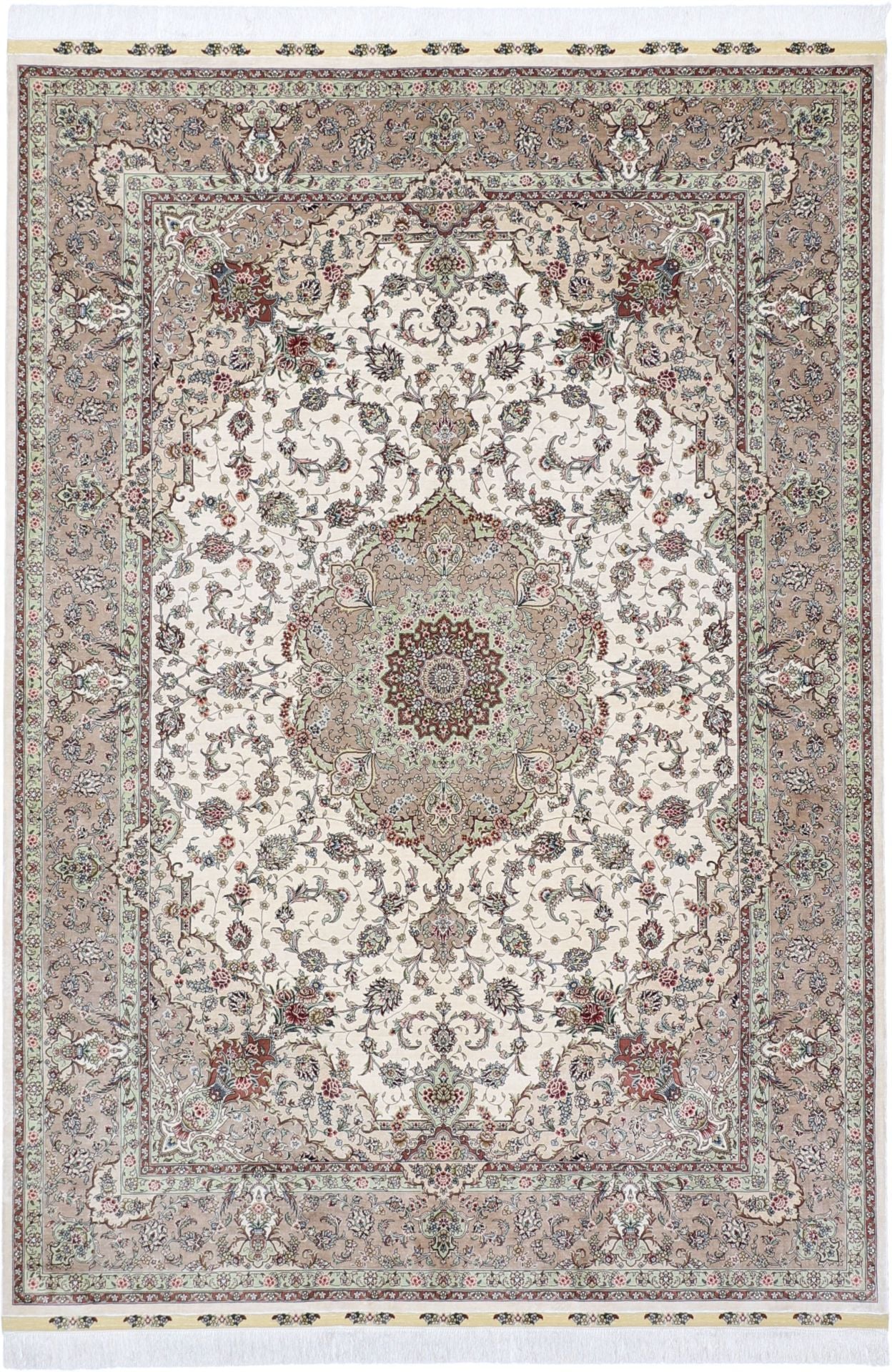
The art of the tapestry: A creative living trend for individual accents
Carpets: The art of the tapestry and creative home trends
Rugs are not only functional elements that protect the floors of our living spaces and provide comfort; they are also an expression of style and creativity. In recent years, tapestries have emerged as an exciting trend, enriching both modern and traditional interior styles. In this article, we'll explore the different aspects of rugs and tapestries, examine the different types of materials and designs, and discover how you can incorporate these works of art into your home to create a unique touch.
The history of the tapestry
Tapestries have a long and fascinating history. Originally made in the ancient cultures of Egypt, Persia, and ancient Rome, they often served as status symbols and religious artifacts. They were elaborately designed, with complex patterns and colors that told stories and reflected the values of the respective society.
In the Middle Ages, tapestries were particularly popular in Europe, as they not only adorned the walls of castles and cathedrals but also served as insulation against the cold. Over time, the technique has evolved, and today there is a wide range of tapestries, both handmade and machine-made.
The current trend: tapestries as a home accent
Tapestries have experienced a renaissance in modern interior design. They are an excellent way to bring walls in any room to life. They offer color and texture variety and help create a cozy atmosphere. The trend is moving away from sterile, monochromatic walls toward creative and personal spaces.
Tapestries are increasingly being used in various rooms, be it the living room, bedroom, dining room, or even the office. They help create a harmonious environment and can even act as acoustic elements by reducing noise and thus helping to improve room acoustics.
The different types of carpets
There are countless types of rugs, varying in materials, patterns, and uses. Here are some of the most common types:
1. Handmade carpets
Handmade rugs are often unique pieces that require considerable time and skill. They are made from high-quality materials such as wool, silk, or cotton and often have high emotional and financial value. These rugs can include traditional designs such as Persian rugs or modern designs.
2. Machine-made carpets
Machine-made rugs are often more affordable and available in larger quantities. They often use synthetic materials and are available in a variety of designs, from plain to patterned. These rugs are ideal for everyday use, especially in high-traffic areas.
3. Deep-pile and short-pile carpets
Deep-pile carpets offer particularly pleasant and soft underfoot comfort, while short-pile carpets are a more low-maintenance option. The choice between deep-pile and short-pile often depends on the use of the room and the desired level of comfort.
4. Outdoor rugs
Outdoor rugs are designed specifically for outdoor use. They are water-resistant and UV-protected, making them ideal for patios, balconies, or even garden furniture. These rugs extend the feeling of being outdoors and help create inviting outdoor spaces.
5. Berbercarpeting
BerberCarpets are known for their rough surfaces and organic patterns. They originated with the BerberThese pieces originate from North African cultures and often combine traditional craftsmanship with modern design. They are easy to care for and contribute to creating a warm, inviting atmosphere.
The choice of materials: quality and sustainability
The choice of material for carpets not only affects appearance and durability, but also the environment. More and more people are paying attention to sustainable materials and manufacturing processes. Here are some of the most common materials:
1. Wool
Wool is a natural material known for its warmth and durability. It is particularly dirt-repellent and regulates the indoor climate by absorbing and releasing moisture.
2. Cotton
Cotton rugs are soft and easy to care for. They come in many styles and are ideal for allergy sufferers because they attract fewer dust and allergens.
3. Synthetic materials
Synthetic carpets, made from materials like polypropylene or polyester, are often more affordable and more resistant to stains and wear. They are ideal for busy households and high-traffic areas.
4. Recycled materials
In recent years, manufacturers have begun producing rugs from recycled materials to reduce their environmental impact. These rugs are not only eco-friendly but also offer unique designs and colors.
Choosing the right carpet for your home
There are several factors to consider when choosing the right rug for your home. Here are some tips to help you make the perfect choice:
1. Determine the intended use
Consider where the rug will be used. A rug in the living room will often have different requirements than one in the bedroom or dining area. The wear and tear and specific intended use should guide your material and stylistic choices.
2. Consider the size
The size of the rug should be appropriate for the room. A rug that's too small can look disproportionate, while one that's too large can overwhelm the space. Carefully measure the area where the rug will be placed.
3. Pay attention to the colors and patterns
Colors and patterns can influence the overall look of a room. Choose colors that harmonize with existing furniture and accessories. A brightly patterned rug can often serve as a focal point and liven up a room.
4. Care options
Consider how much time and effort you're willing to invest in maintaining your carpet. Some materials require more maintenance than others, while certain carpets are easier to clean. Also, consider the needs of pets and children when making your selection.
Carpets and wall design: creative ideas
Rugs can be used not only on the floor but also on walls. Here are some creative ideas for using rugs in wall design:
1. Tapestries as works of art
Tapestries can function as works of art. Hang a large, eye-catching tapestry behind a sofa or bed to create an impressive focal point. Unique or handmade designs, especially, can quickly become the centerpiece of a room.
2. Combination of colors and textures
Experiment with different rugs on the wall to create interesting texture and color combinations. Combine different designs and materials for a dynamic and creative wall design.
3. Accent walls
Use rugs to create an accent wall. A large-format rug can liven up a boring wall, while smaller rugs can be strategically placed to create a playful pattern.
Carpets in different living styles
Rugs complement almost any interior design style and can significantly influence the overall look of a room. Here are some examples of how you can use rugs in different interior design styles:
1. Modern furnishings
Geometric and minimalist rugs work best in modern interiors. Choose rugs in neutral colors with simple patterns that complement the modern design.
2. Bohemian style
In the Bohemian style, you can experiment with colorful, patterned rugs. Rugs with ethnic motifs or VintageCarpets fit perfectly into this creative and unconventional style.
3. Scandinavian style
In the Scandinavian style, light colors and simple designs are paramount. Rugs made of natural materials and in clean, light colors fit well into this aesthetic and help create a warm, inviting atmosphere.
4. Industrial style
Rugs made from coarse materials such as jute or sisal are an excellent addition to industrial spaces. A unique piece in these materials can emphasize the rustic charm of industrial design.
Tips for carpet care and cleaning
Carpet care is crucial to ensure their longevity. Here are some care and cleaning tips:
1. Regular vacuuming
Keep your carpets clean by vacuuming them regularly. This will help remove dust and dirt and extend the life of the carpet.
2. Instant stain removal
Stains should be treated immediately to prevent permanent penetration. Use a suitable cleaning agent and gently dab the stain without rubbing to avoid damaging the material.
3. Professional cleaning
For a thorough cleaning, it may be advisable to use professional cleaning services. This should be considered especially for handmade or delicate rugs.
Final section
Rugs and tapestries are far more than just decorative elements—they are works of art that bring warmth, texture, and style to our living spaces. Whether you choose a handmade tapestry to add unique character to your room or select a modern rug to create an elegant atmosphere, the possibilities are endless. By considering material, design, and style, you can add individual touches and make your living space a place that reflects your personality and creativity.
With the right rug, you can not only enhance the comfort of your home but also give your interior a fresh new look. Let your imagination run wild and explore the world of rugs to design your home the way you want.
FAQ
Which materials are best for carpets?
The best materials for rugs depend on your needs. Wool is the most durable and environmentally friendly option, while synthetic materials like polyester and polypropylene are easy-care and cost-effective. Cotton is soft and comfortable, but less suitable for high-wear areas.
How do I properly care for my carpet?
Regular vacuuming is crucial. Stains should be treated immediately with a suitable cleaning agent. For thorough cleaning, it's advisable to consider regular professional cleaning, especially for handmade rugs.
How do I choose the right rug size?
To choose the right size, measure the area where the rug will be placed. Make sure the rug is proportional to the room. For living rooms and dining rooms, it's often stylish to place the rug under the furniture, creating a harmonious and cohesive space.