“The Art of Carpet Weaving: Tradition, Techniques and Trends”
The art of carpet weaving: tradition, techniques and trends
Introduction
Carpets are far more than just decorative floor coverings; they are an expression of art, culture, and craftsmanship. The tradition of carpet weaving dates back centuries and is deeply rooted in the history of various peoples. In this article, we will explore the fascinating world of carpets, from the most traditional weaving techniques to modern trends that can enrich our living spaces.
The history of carpet weaving
The art of carpet weaving has its roots in Central Asia, where nomadic peoples began crafting practical yet artistic floor coverings from animal hair and wool. These rugs served not only as insulation but also as an expression of social and economic status. Over the centuries, carpet weaving spread to many parts of the world, with each region developing its own unique designs and techniques.
Earliest carpets
The most famous earliest carpet is the Pazyryk Carpet, discovered in 1949 in the Pazyryk region of Siberia. Dating back to the 5th century BC, it demonstrates the advanced skills of the people who made it. The discovery of this carpet challenged the assumption that carpet art only began in the Middle Ages.
Traditional knotting techniques
The various traditional knotting techniques are essential for the quality and design of the carpets. There are a multitude of methods that vary from region to region, but the two most common are the Persian and the turkmenische Knüten.
Persian knotting
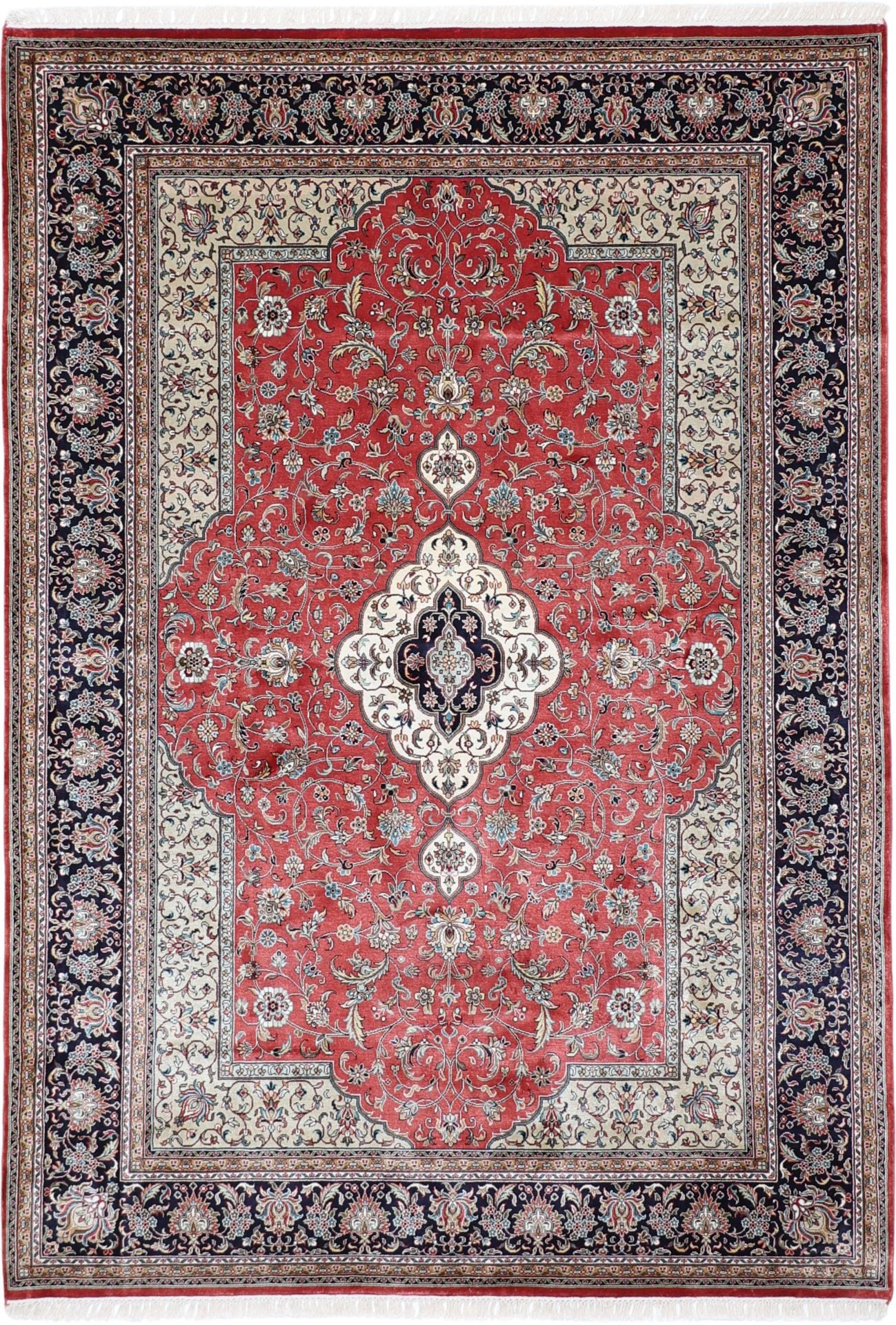
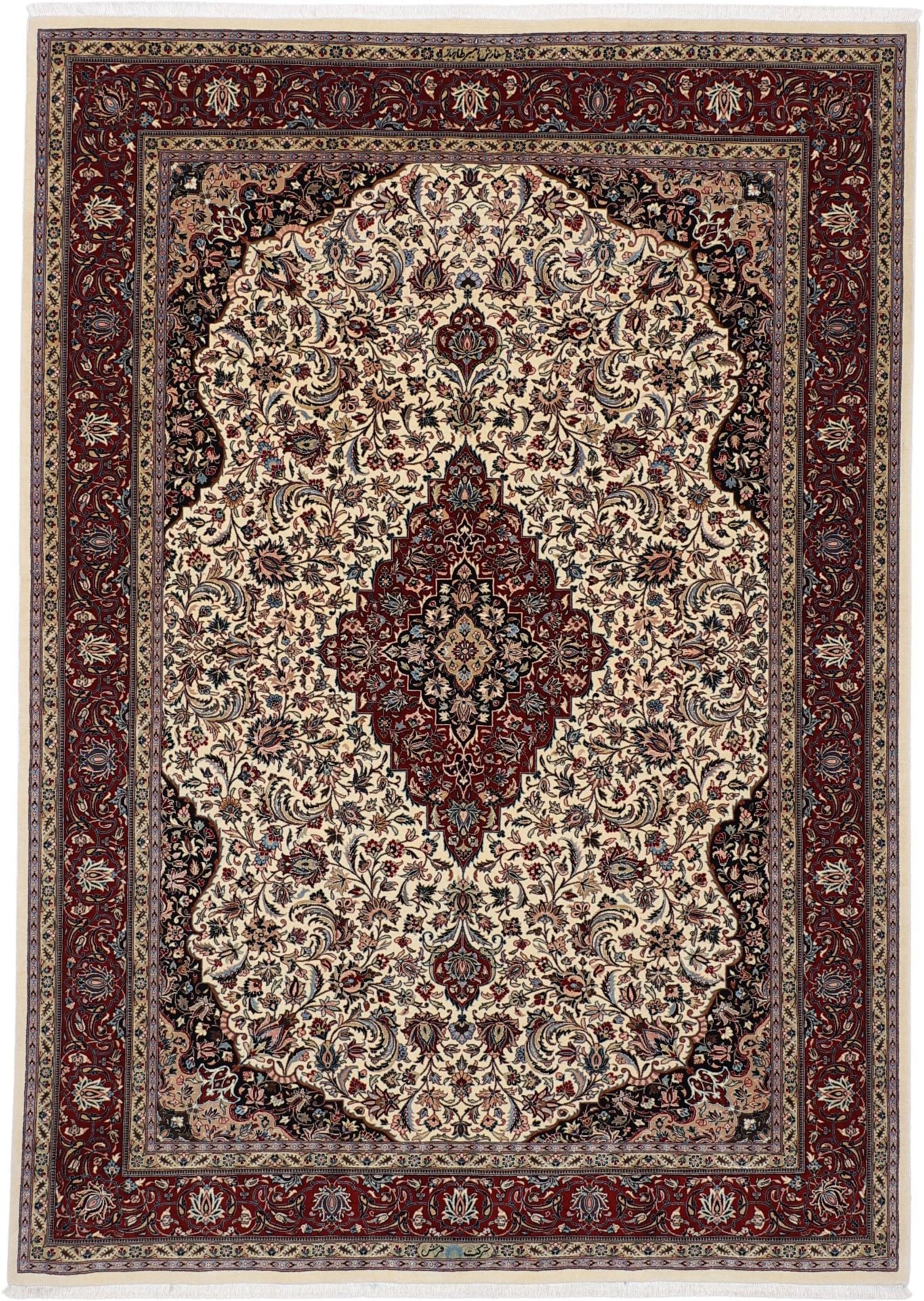
Persian weaving is characterized by a special knotting system known as the Ghiordes knot. This technique allows for high knot density and intricate patterns. Persian carpets are typically opulent and feature floral designs and intricate medallions.
Turkmenisches Knotten
The turkmenTurkish knotting uses the Turkish knot and is known for its durable carpets with clear geometric patterns and bold colors. These carpets are often simpler in design, which, however, does not diminish their character. They exemplify the beauty and simplicity of the art of carpet weaving.
Materials for carpets
The choice of material is crucial for the longevity and appearance of a rug. The most common materials are wool, cotton, silk, and synthetic fibers.
Wool
Wool is one of the most commonly used materials due to its durability and natural insulating properties. It also has a high color depth and absorbs dyes well. Wool is ideal for rugs that are subject to heavy use.
Cotton
Cotton is often used for rug underlay and less durable rugs. It's soft and easy to clean, making it a popular choice for rugs in less-traffic areas.
Silk
Silk is often used for high-quality carpets. It has a beautiful luster and a fine texture. Silk carpets are delicate and require special care. They are often very expensive and are mostly used in decorative spaces.
The design of carpets
Carpet designs are as diverse as the cultures they originate from. From traditional to modern, the designs often depict cultural symbols and stories.
Traditional designs
Traditional carpets often feature religious and cultural symbols, floral patterns, geometric shapes, and animal motifs. These designs often tell stories or represent the values of a culture.
Modern designs
Modern rugs tend to be minimalist and unfussy. They often utilize unconventional materials and designs that work well in contemporary living spaces. Geometric patterns or solid colors often predominate.
Sustainability and ethics in the carpet weaving process
Demand for high-quality, sustainably produced carpets is growing as consumers increasingly pay attention to origin and production conditions. There are many blends that promote environmentally friendly materials and fair working conditions.
Ecological materials
Eco-friendly rugs are often made from natural fibers that don't require harmful chemicals. These can include organic cotton, hemp, or even recycled materials.
Fair trade practices
More and more producers are taking care to ensure fair wages and working conditions for their artisans. When purchasing carpets, it's important to look for certificates and seals that demonstrate that these values are respected.
Carpet care and cleaning
Carpet care is crucial for its longevity. Regular cleaning and proper handling can significantly extend its lifespan.
Regular maintenance
The most common maintenance involves vacuuming and stain removal. Carpets should be cleaned regularly to remove dirt and protect the fibers. For oriented carpets, it may be advisable to have this done by a professional.
Professional cleaning
Professional cleaning is especially important for high-quality carpets made from delicate materials like silk. These specialists use gentle cleaning methods to preserve the carpet's quality.
Trends in the carpet world
The world of carpets is constantly evolving, with new designs and techniques complementing traditional methods.
Minimalism
A trend gaining increasing popularity is minimalism. Simple, clean lines and solid-colored rugs are often preferred to add an elegant touch to modern, open-plan spaces.
Mix and match
Another trend is the mix-and-matching of rugs. This involves combining different designs and materials to create unique and personalized interior designs.
Artistic carpets
More and more Designer They create carpets that are not only functional but also function as works of art. These carpets often have unusual shapes and colors and become the focal point of a room.
Final section
The art of rug weaving is a fascinating blend of tradition, techniques, and trends. Whether you're a lover of classic rugs or a fan of modern designs, there's a rug to suit every room and style. By considering the materials, designs, and care, you can ensure your rug is not only aesthetically pleasing, but also durable and sustainable. Rugs are not just decorations; they are stories, works of art, and witnesses to cultural practices.
Frequently Asked Questions (FAQ)
1. How do I best care for my carpet?
The best care involves regular vacuuming to remove dust and dirt. If stains occur, blot them immediately and treat them with a suitable cleaning agent. Professional cleaning is recommended for high-quality carpets.
2. How do I recognize the quality of a carpet?
The quality of a carpet can often be determined by its knot density, the material used, and the craftsmanship. High-quality carpets typically have a high knot density and are made from natural materials.
3. Where can I buy sustainable carpets?
Sustainable rugs can be purchased from specialized stores or online shops that emphasize ecological materials and fair trade practices. Look for certificates that demonstrate sustainable production.