“The Art of Carpet Weaving: Discover the Magical World of Persian Carpets”
The art of carpet weaving: Discover the magic of carpets
Carpets are much more than just floor coverings. They are works of art that tell stories, reflect cultures, and enrich your living spaces with warmth, color, and texture. In the world of carpets, fascinating objects symbolize tradition, craftsmanship, and aesthetics. In this article, we will explore the art of carpet weaving, learn about the different types of carpets, and learn how they can transform your home decor.
The history of carpet weaving
The history of carpet weaving dates back thousands of years. Carpets were originally made in ancient Mesopotamia and later in Persia, Central Asia, and Turkey. Historical records show that carpet weaving was inextricably linked to the nomadic lifestyle of the people. Nomadic people wore carpets for protection against the cold, as seating, and as sleeping mats.
Over the centuries, the knotting craft continued to develop, and the first professional weavers emerged. The exclusive art of carpet finishing developed rapidly in Persia, and the quality and variety of Persian carpets are recognized worldwide. The influence of the various regions, ethnic groups, and cultural traditions shapes the uniqueness of each carpet.
The Magic of Perseppiche
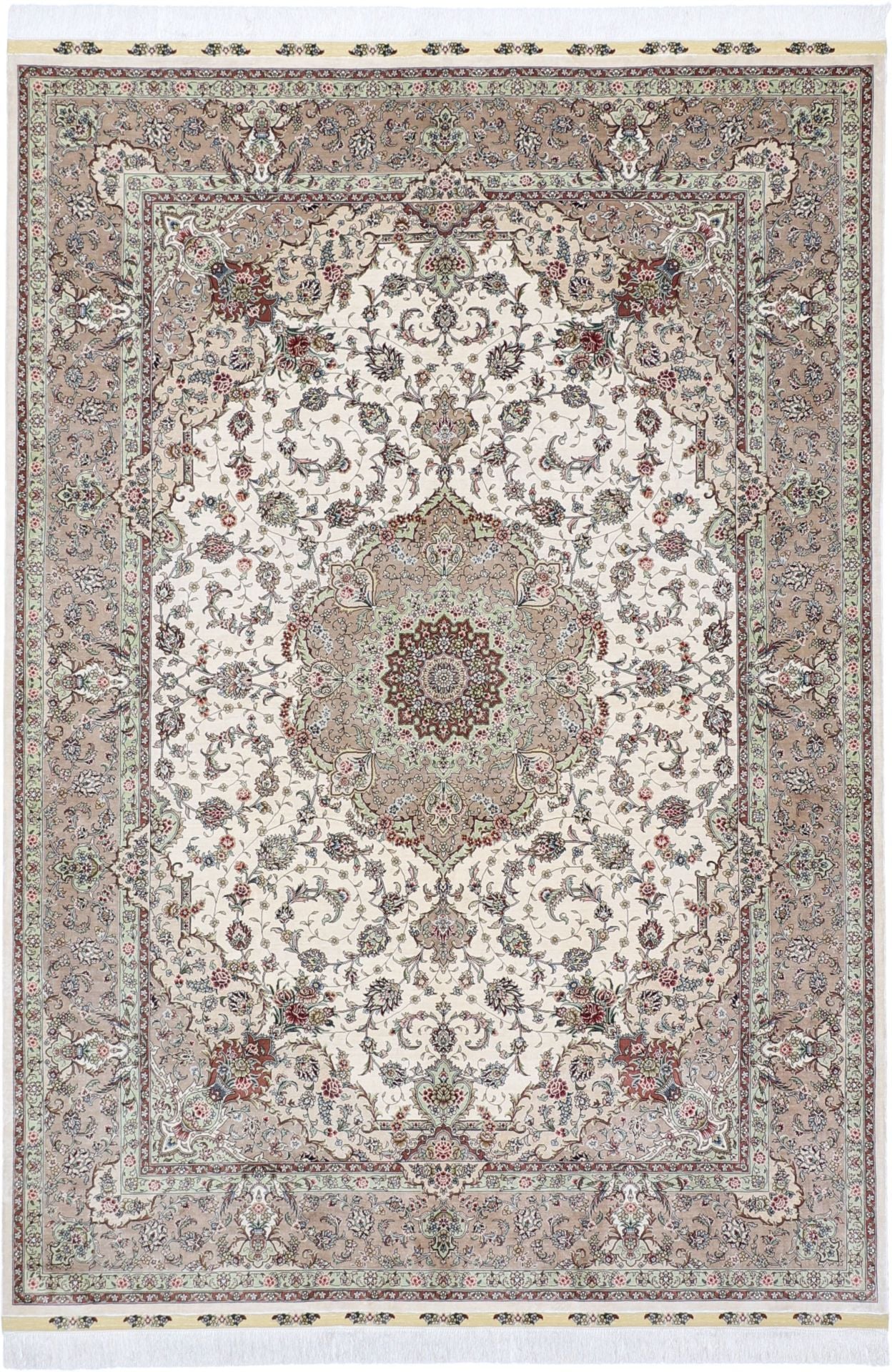
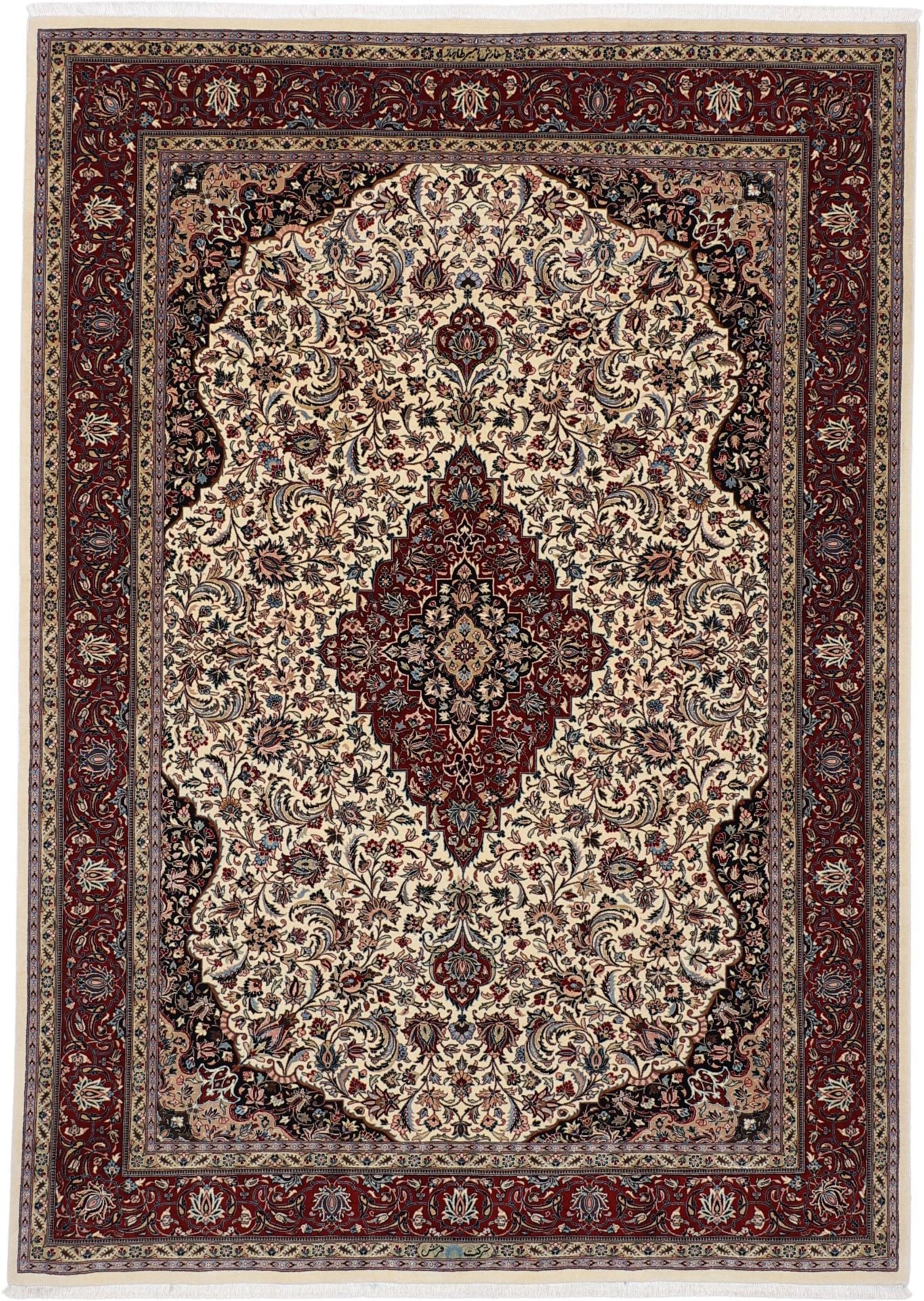
Persian carpets are not just carpets—they are masterpieces. Each carpet tells a story captured in its colors and patterns. The art of carpet weaving has been passed down from generation to generation and demonstrates the exquisite skill and dedication of the artisans.
Design and patterns
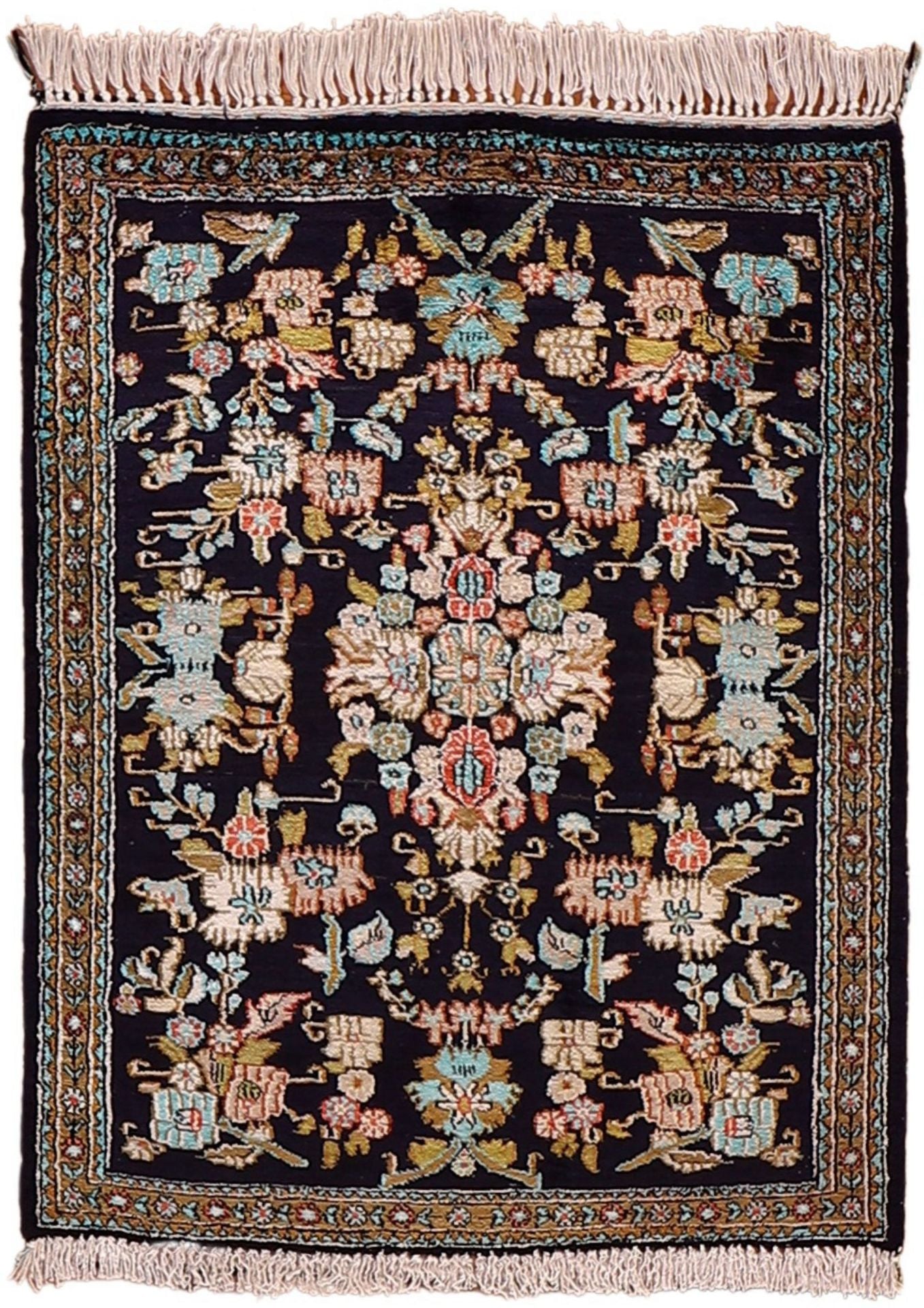
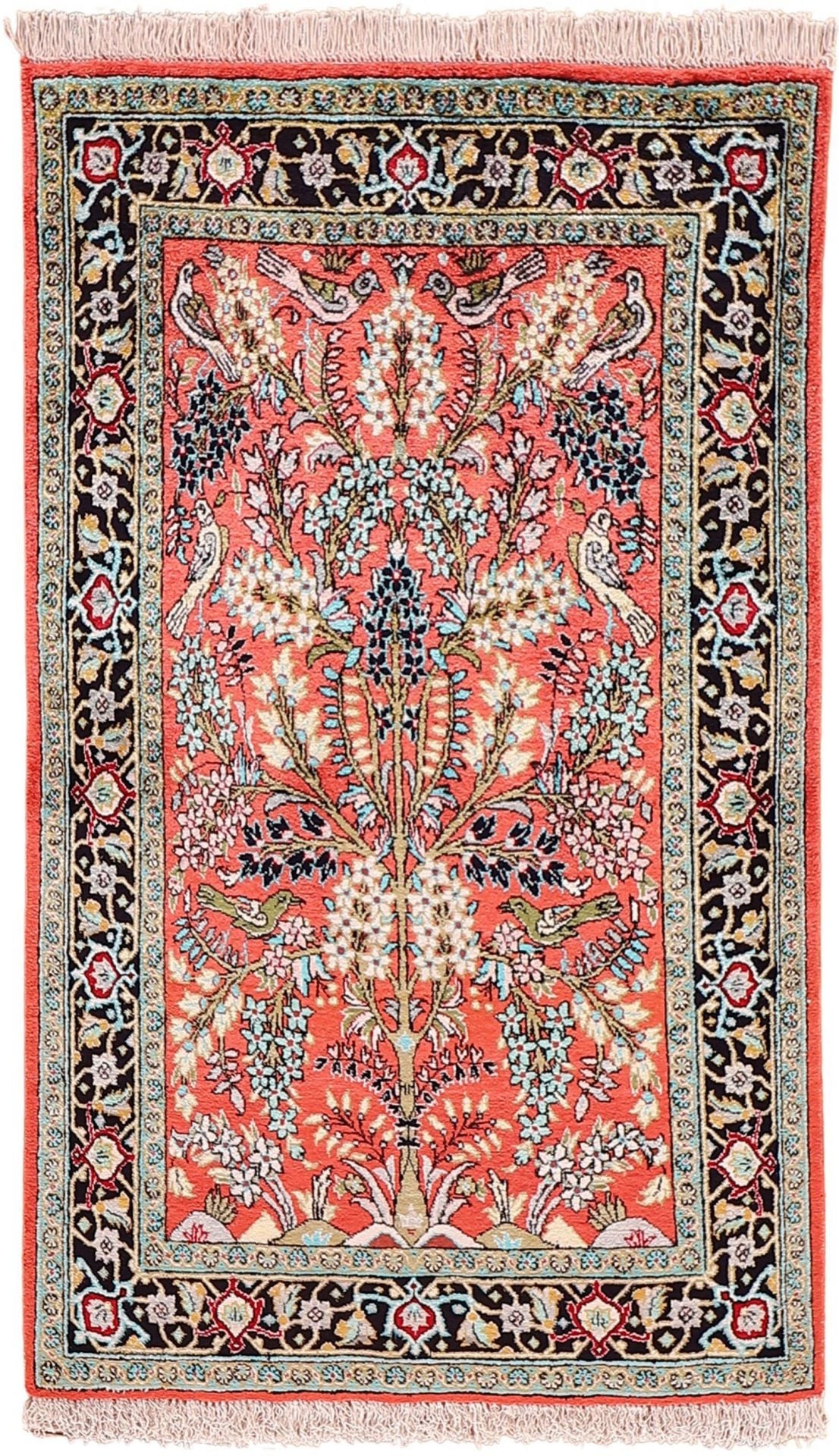
The patterns on Persian carpets are complex and symbolic. Each design has its own meaning. Floral patterns symbolize life, while geometric designs represent order and stability. Colors also play an important role. Shades like red, blue, yellow, and green are not only aesthetically pleasing, but also carry cultural significance.
For each one, you educate the region of the region that is known for it. A Tabriz-carpet Characterizes transparency of its complex floral patterns, while the carpets are made of-Kerman Of Geometric Designs Shown.
Materials
The choice of materials determines the quality and character of the rug. Traditionally, high-quality wool, silk, and cotton are used. Wool is durable and adds warmth to the rug, while silk is valued for its lustrous surface and elegance. Cotton is often used in the rug backing to ensure stability.
The wool is often dyed with natural dyes obtained from plants and minerals. This gives each rug an authentic and environmentally friendly touch. The use of chemical dyes is increasing in modern rug design, but natural dyeing has a high nostalgic value and remains popular.
The techniques of carpet weaving
The art of carpet weaving is complex and requires a great deal of patience, finesse, and experience. There are various knotting techniques, although the knotting of Persian carpets typically involves the use of hand-tied knots. The most common technique is the Ghiordes knot, which allows for a stable and delicate carpet.
Hand-knotted carpets
Hand-knotted rugs are the result of months of careful work. Experienced knotters can weave up to 10.000 knots per square meter, increasing the level of detail and complexity of the design. Since each rug is unique, quality and value vary considerably. Authenticity and origin are crucial when it comes to identifying a high-quality rug.
Machine-knotted carpets
On the other hand, machine-knotted carpets have gained popularity in recent decades. These carpets are more cost-effective and can be produced in larger quantities. Yet they can never achieve the subtle elegance and craftsmanship of a hand-knotted Persian carpet.
Care and maintenance of carpets
To ensure the beauty and longevity of your carpet, proper care is essential. Here are some tips:
Regular cleaning
Vacuum your carpet regularly to remove dust and dirt. Avoid applying too much pressure, which can damage the fibers. Some experts recommend professionally cleaning the carpet every three to six months to remove deeply embedded flakes and dirt particles.
Snowflake fungus
If flakes appear, wash your hands immediately. Use a clean, dry cloth to blot away any excess liquid. Avoid harsh chemicals for cleaning, as these can damage the color and texture of the carpet. Instead, try mild soaps or specialized carpet cleaners.
Light and moisture
Avoid direct sunlight, as this can cause the colors of your carpet to fade over time. Keep the carpet away from high levels of moisture to prevent mold and mildew. A dry, well-ventilated room is ideal for carpet storage and care.
Overview of different types of carpets
Oriental carpets
Oriental carpets originate from various countries and regions of the Orient and are characterized by their traditional and traditional styles. They are hand-knotted and of high quality. The most well-known production regions are Persia, Tibet, the Caucasus, and Turkey.
Berbercarpeting
BerberThese carpets originated in North Africa and are known for their simple, geometric patterns and the use of natural sheep's wool. They offer excellent heat insulation and are very durable.
Designer-carpets
Over time, numerous Designer Started experimenting with carpet designs. DesignerCarpets showcase modern shapes, unusual and innovative materials. They are ideal for people who want to give a tree a contemporary touch.
Carpets for allergy sufferers
Carpets made from natural materials like wool are particularly suitable for allergy sufferers because they attract less dust and allergens than synthetic models. There are also special carpets designed to minimize allergens.
How to Choose the Perfect Carpet
Choosing the perfect rug can be challenging, especially considering the variety of choices available. Here are some tips to help you make the right choice:
Size and scale
The size: A rug that's too small can look cluttered, while one that's too large can overwhelm the tree. Measure the area carefully to find the perfect rug.
The style of the room
Make sure the rug matches your interior design style. Whether modern, traditional, or eclectic, the rug can significantly influence the overall look of a room. Look for colors and patterns that complement your furniture and decorative elements.
Budget
Set a goal before you start your rug search. Hand-knotted rugs are more expensive but can represent a lifelong investment. Machine-knotted rugs are a more cost-effective alternative, but offer the same quality and uniqueness.
The influence of carpets on your sense of space
Carpets have the remarkable ability to create a cozy atmosphere. A colorful rug can breathe life into a neutral room, while a soft, neutral rug creates an inviting atmosphere. Carpets can also improve acoustic properties by dampening sound in a room.
The importance of sustainability in the carpet industry
With the growing demand for environmentally friendly products, sustainability is becoming increasingly important in the carpet industry. Manufacturers who use sustainable materials and offer fair working conditions are enjoying growing popularity among environmentally conscious buyers. When purchasing, pay attention to certificates and information about the origin and materials of the carpets used.
closing thoughts
Carpets are not simply furnishing objects; they are expressions of cultural identity, craftsmanship, and history. Choosing the right carpet can significantly enhance your home and create a special atmosphere. Whether you are looking for a traditional or a modern carpet designer-Choosing a rug- Every rug tells its own story. With the right care and attention, these timeless works of art can last a lifetime and bring endless joy.
FAQ
How do I save a damaged carpet?
First, you should identify the damaged area as quickly as possible and stop using the carpet in that area. Minor damage can often be repaired with a carpet repair kit, while FROCKELE offers help for larger areas.
How do I recognize the quality of a carpet?
You can determine the quality of a carpet by its knot density, the materials used, and the craftsmanship. Hand-knotted carpets generally have a higher knot density and better workmanship than machine-knotted carpets.
Can carpets be cleaned in the washing machine?
Generally, rugs should not be machine washed. This can cause damage to the threads and structure. It is recommended to have rugs professionally cleaned or gently cleaned by hand.