The Art of Buying Oriental Rugs: Tips for Choosing the Perfect Rug for Your Home
Carpets: The art of buying oriental carpets and tips for your home
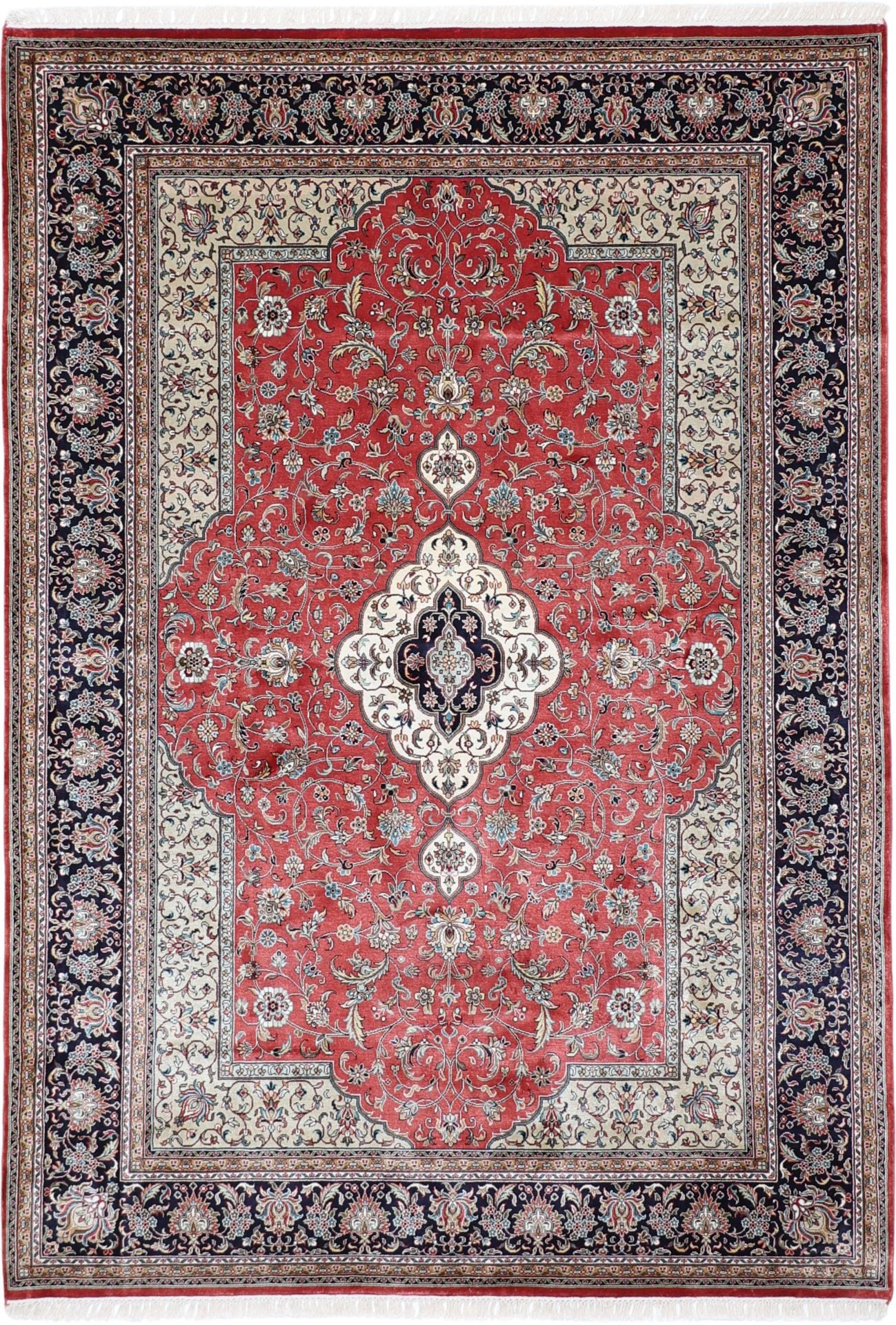
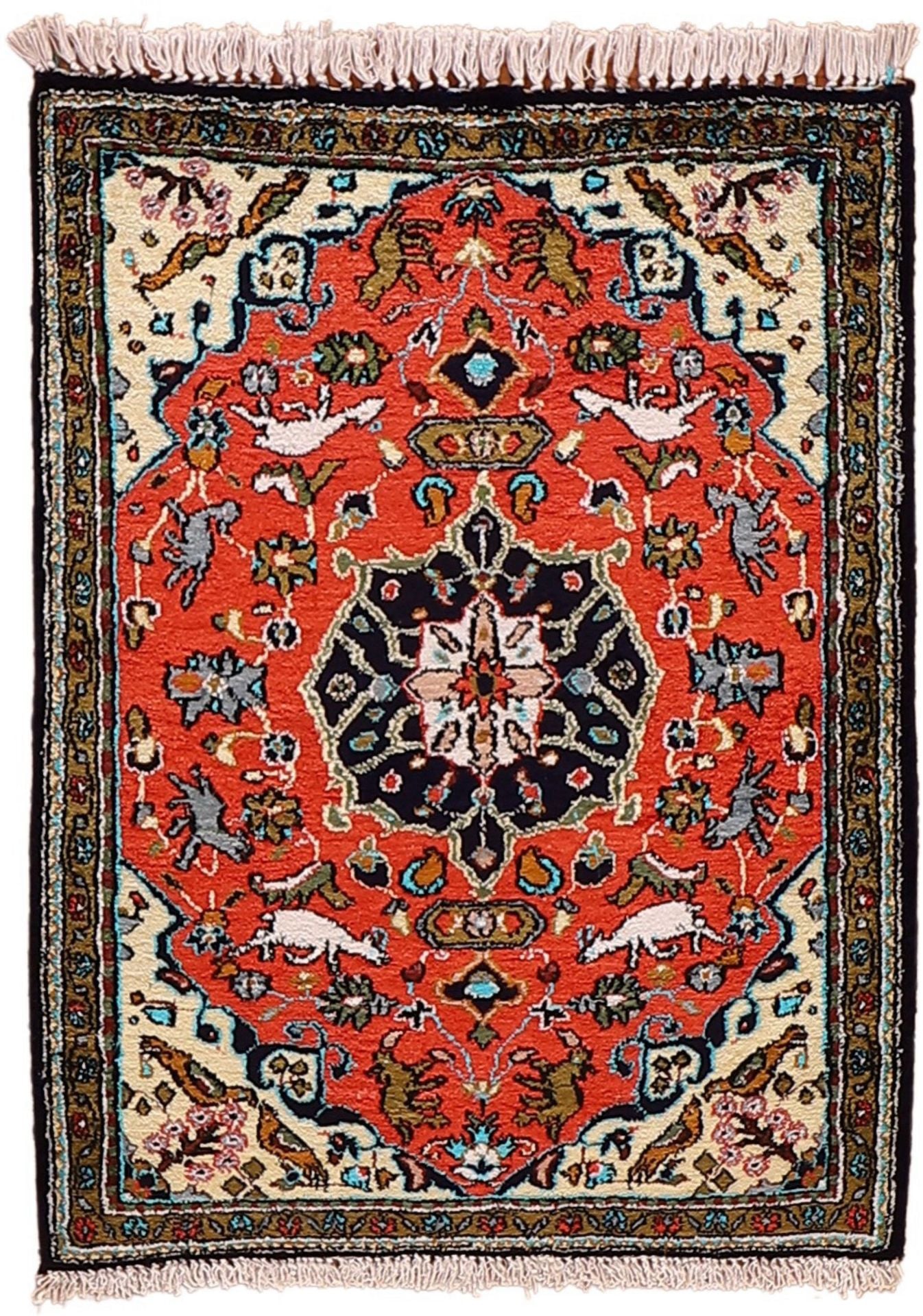
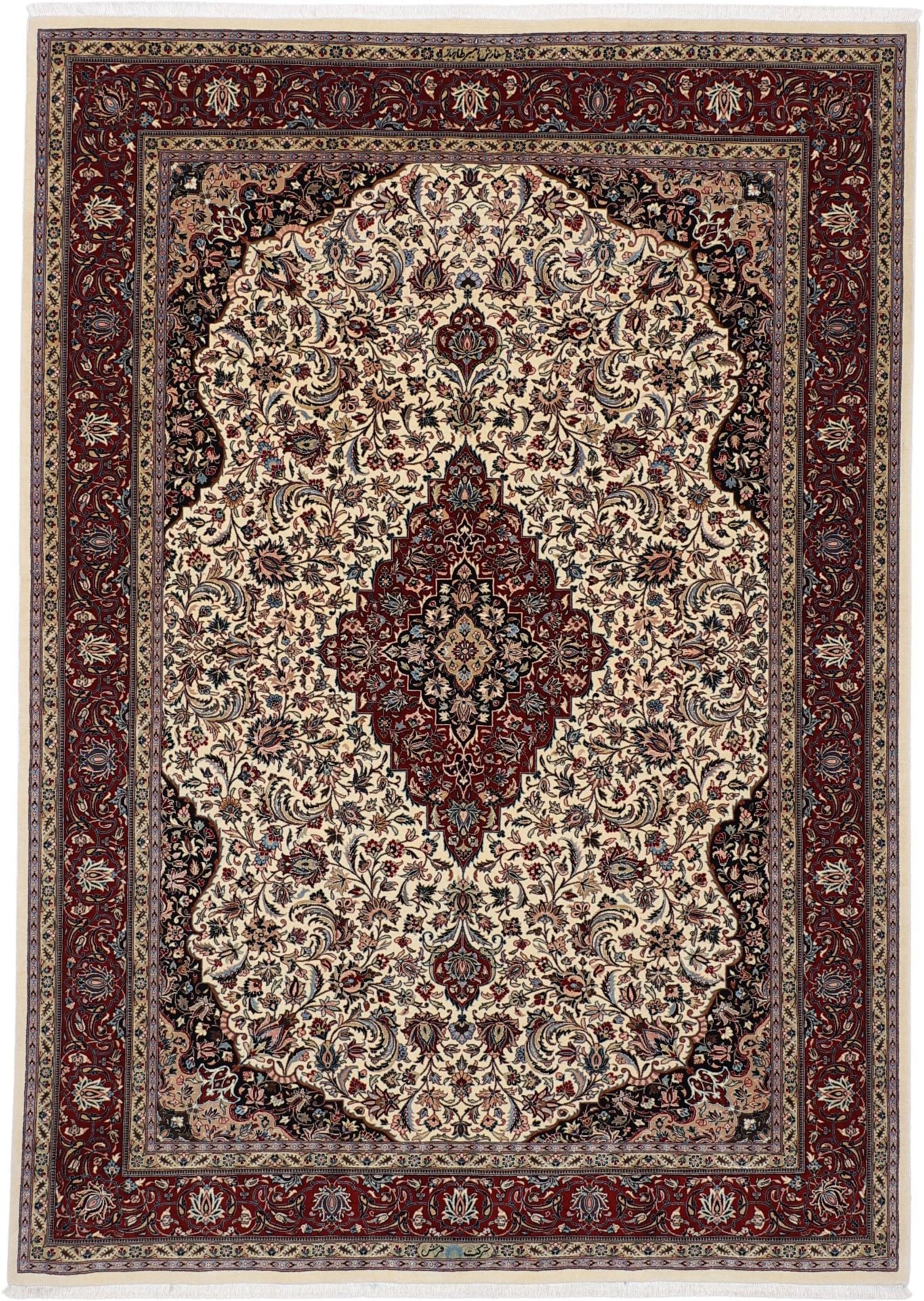
Carpets aren't just simple floor coverings; they're an expression of culture, tradition, and craftsmanship. Oriental carpets, in particular, have a centuries-old history and are a symbol of beauty and craftsmanship. In this article, we'll take an in-depth look at the art of carpet shopping, specifically oriental carpets, and offer tips on how to choose the perfect one for your home.
The history of oriental carpets
The origins of oriental rugs date back to ancient times, when nomadic peoples in Central Asia began weaving rugs for warmth and protection. These rugs were often intricately designed and told stories through their patterns and color combinations. Over time, rug weaving evolved into a significant art form, prized in many cultures, particularly in the Persian and Ottoman empires.
Types of oriental carpets
There are many different types of oriental rugs, each with its own unique characteristics and styles. Here are some of the most popular varieties:
Persian carpets
Persian carpets are known for their high quality and handwoven designs. Their complex patterns and vibrant colors are often inspired by nature, geometric shapes, and stories from Persian mythology.
Turkish carpets
Turkish carpets are characterized by their bold colors and often simpler geometric patterns. They are native to various regions of Türkiye, each with its own regional style and techniques.
Afghan carpets
Afghan rugs are known for their robust materials and use of traditional, simple patterns. They are often in earth tones and convey a rustic, warm feel.
Indian carpets
Indian rugs combine various cultural influences, making them unique. Techniques and designs can vary greatly, from elaborate floral patterns to simple, elegant designs.
Materials of carpets
The choice of material is crucial for a rug's quality and durability. Here are the most common materials used to make oriental rugs:
Wool
Wool is one of the most popular materials for rugs because it is durable, soft, and easy to clean. Wool has the ability to retain heat, making it ideal for cold climates.
Silk
Silk oriental rugs are often the most expensive due to the material used and the beauty of the designs. Silk adds shine and elegance to a rug, but is also more delicate and less durable than wool.
Cotton
Cotton rugs are generally lighter and less expensive than their wool or silk counterparts. They are easy to care for and well-suited for use in less-used areas.
Choosing the perfect carpet for your home
1. Consider the style of your room
Before purchasing a rug, consider the style and color scheme of your room. A rug should complement the furniture and other decorative elements. Oriental rugs with complex patterns can serve as a focal point in simple rooms, while simpler rugs can add a calming accent in richly detailed settings.
2. Measure the room
The size of the rug is crucial. A rug that's too small can make a room feel incomplete, while one that's too large can overwhelm the space. Measure the area where the rug will be placed and choose dimensions that harmoniously fit the room size.
3. Consider the use
Consider how the rug will be used. A rug in the living room, where children play or pets roam, should be more durable and easy to maintain. In a bedroom or formal room, you can choose a softer, more luxurious rug.
4. Consider the budget
Oriental rugs can vary greatly in price and quality. Set a budget that includes not only the purchase price but also the long-term costs of maintaining and cleaning the rug. While high-quality rugs may be more expensive, they generally last longer.
Care and maintenance of carpets
Proper care is crucial to ensuring the beauty and durability of your carpet. Here are some care tips:
Regular cleaning
Vacuum your carpet regularly to remove dust and dirt. Be careful not to apply too much pressure to the carpet fibers to avoid damage.
stain removal
When it comes to stains, it's important to act quickly. Gently blot the stain with a clean cloth and use a mild detergent. Avoid harsh chemicals that could damage the carpet.
Professional cleaning
Have your carpet professionally cleaned every few years. Professional cleaning can help refresh the colors and remove ingrained dirt.
Final section
Rugs, especially oriental rugs, are more than just floor coverings; they are an expression of style, craftsmanship, and history. When choosing the perfect rug for your home, consider the different styles, materials, and sizes available. With the right tips and a little thought, you can find a rug that will not only enhance your space but also become a treasured heirloom for generations to come.
FAQ section
1. How do I recognize the quality of an oriental carpet?
The quality of an oriental rug can often be determined by its knot density, the choice of material (e.g., wool or silk), and the craftsmanship. High-quality rugs have a higher knot count, resulting in more detailed patterns.
2. What is the best way to clean an oriental rug?
For regular care, vacuum your carpet regularly and ensure it's not exposed to direct sunlight. If stains occur, act immediately and gently dab them with a damp cloth. For more thorough cleaning, we recommend consulting a professional.
3. Where can I find the best oriental rugs?
You can find the best oriental rugs in specialized rug shops, online stores, or directly from dealers who work with the regions where these rugs are produced. Look for certifications and proof of origin to ensure the rug is authentic.