"The Art of KelimCarpets: Tradition, variety and style for every home
The art of the carpet: tradition, variety and style for every home
Carpets are not only practical floor coverings, but also a central element of interior design. They bring warmth, color, and style to any room and often tell stories from faraway lands. In particular KelimCarpets have gained popularity in recent years and are enjoyed by a wide audience. In this article, we will explore the tradition, diversity, and style of carpets, with a particular focus on KelimCarpets, their history and the ways they can enrich your home.
The history of the carpet
Carpets have a long and fascinating history dating back thousands of years. The earliest known carpets originate from the region surrounding Iran and present-day Central Asia. These textiles were originally functional objects that protected the ground from the cold and served as seating. Over time, carpets evolved into works of art, often hand-knotted and decorated with intricate patterns and colors.
KelimCarpets: A special form
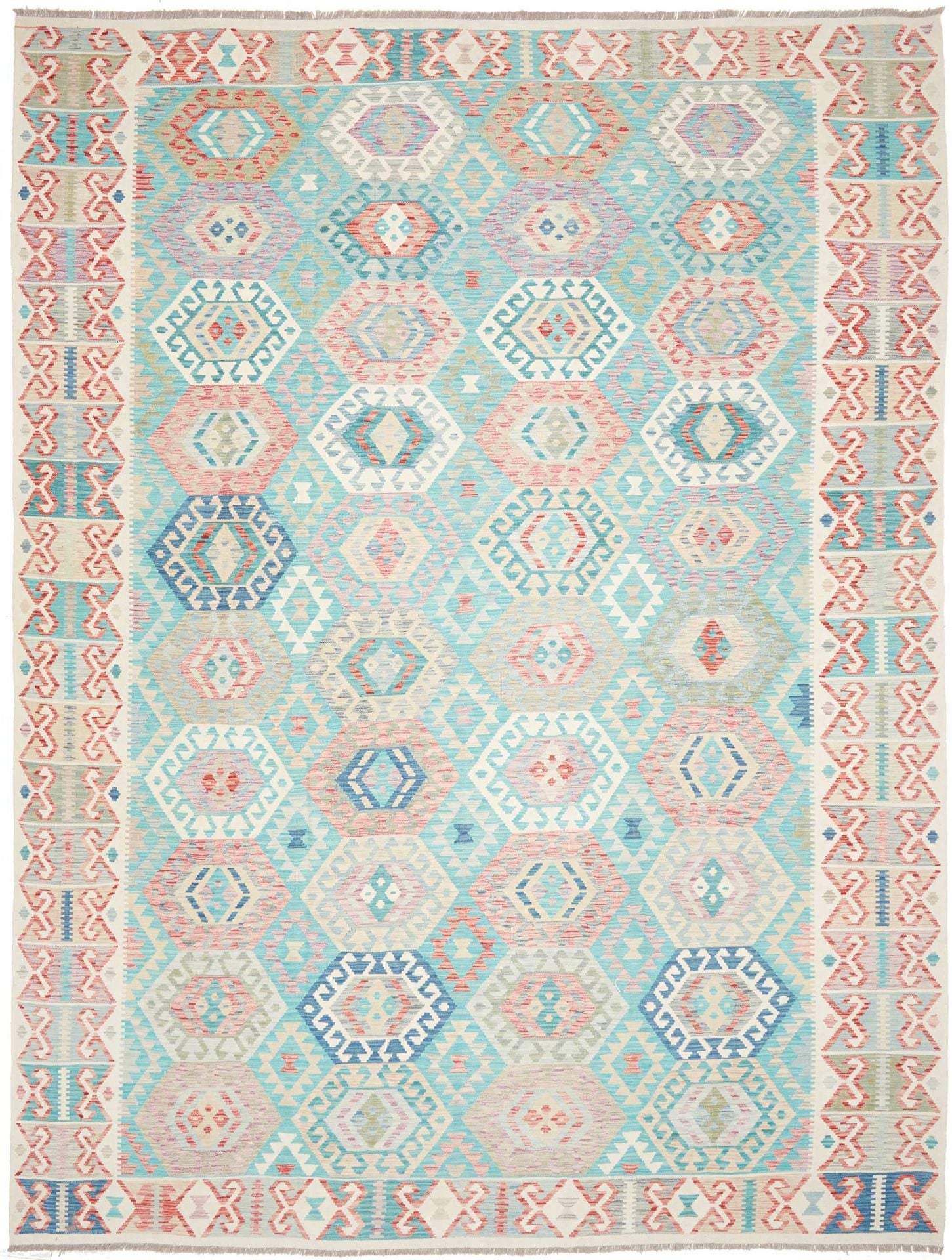
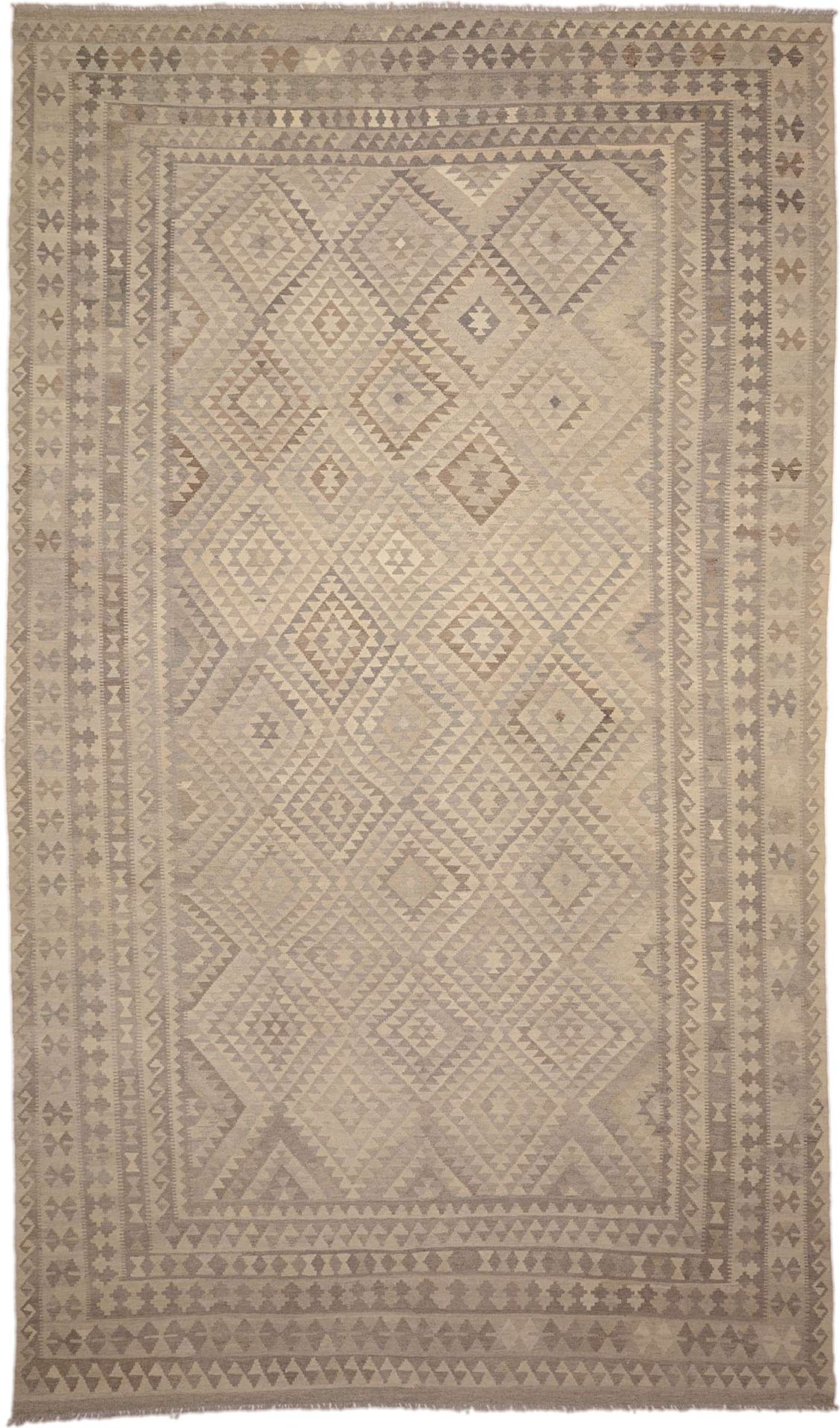
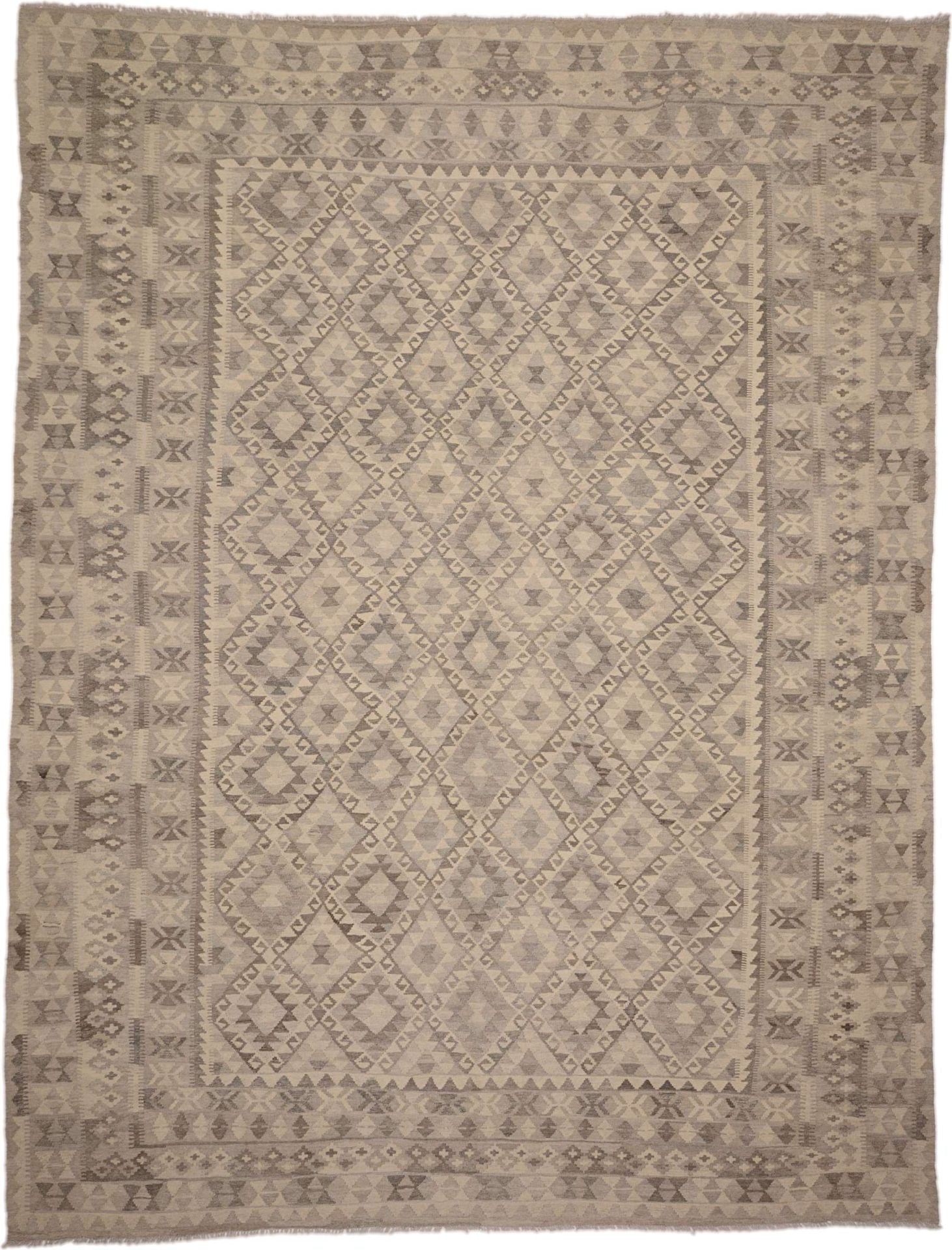
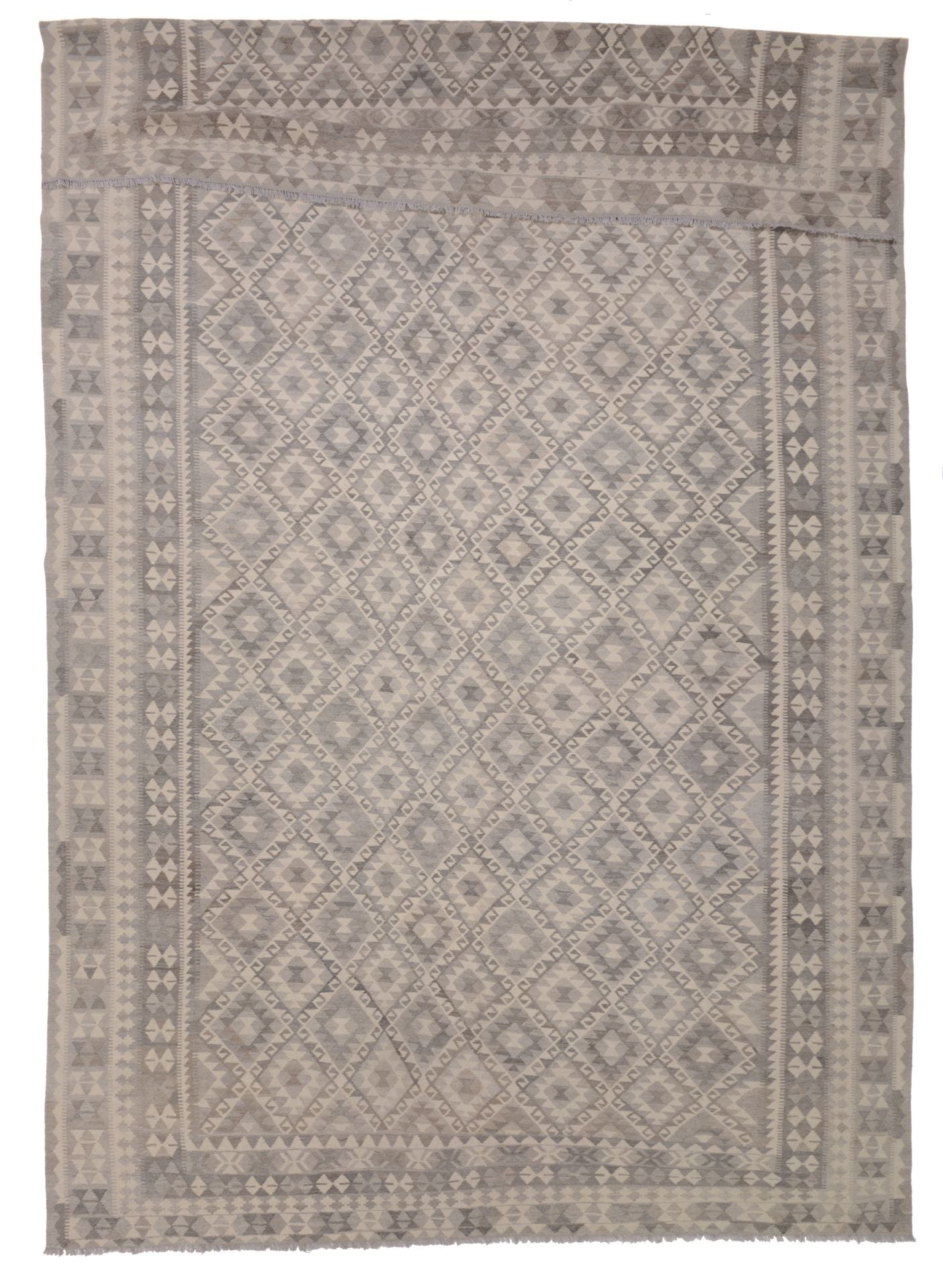
KelimFlatweave rugs, also known as carpets, are an excellent example of this art form. They are made by weaving rather than knotting, which makes them thinner and lighter. This makes them ideal for use in living areas and kitchens, where they are easy to clean and move. To understand the origin and cultural roots of KelimTo understand carpets, it is important to examine the different regions and styles that have shaped these unique carpets.
The variety of carpets
Rugs are available in a variety of styles, materials, and colors. Each design tells a unique story and serves a specific function within a room.
Traditional carpets
Traditional rugs are often hand-knotted and feature complex geometric patterns and vibrant colors. They are usually made of wool or silk and often depict scenes from everyday life or nature. Such rugs are highly valued in many cultures and are also considered investment objects.
Modern carpets
Modern rugs, on the other hand, are often more minimalist in design and use a reduced color palette. They pair well with contemporary furniture and add a stylish touch to a room without overpowering it. Their materials vary from synthetic fabrics to natural fibers like hemp and bamboo.
Kelimcarpeting
KelimCarpets fall into both the traditional and modern categories, not least because of their diverse designs. Their flat weave allows for the creation of a wide variety of patterns that can create both rustic and modern atmospheres in a room. These carpets are often decorated with symbols and motifs deeply rooted in their respective cultures.
Materials in carpet production
Choosing the right material is crucial for both the aesthetics and the longevity of the rug. Here are some of the most popular materials.
Wool
Wool is one of the most traditional materials for carpets. It's soft, durable, and has natural stain-resistant properties. Wool also insulates well, making it ideal for colder climates.
Cotton
Cotton is a lightweight material and offers a soft texture that's well-suited for indoor rugs. Cotton rugs are often machine washable, making them easier to care for.
Synthetic materials
Synthetic fibers such as polyester or polypropylene are widely used in modern carpets. They are cost-effective, water-repellent, and extremely easy to maintain. These materials are particularly well-suited for high-traffic areas.
Silk
Silk rugs offer an exquisite look and feel. However, they are more delicate and require more care than rugs made of other materials.
The art of carpet care
Careful care will ensure your carpet lasts for many years. Here are some tips for proper care:
Regular cleaning
Vacuum your carpet regularly to remove dust and dirt. Especially when KelimThis is important for carpets because their flat structure allows them to attract dirt more quickly.
Stain removal
To remove stains, act immediately. Use a clean, damp cloth and gently dab the stain without rubbing it further into the fibers.
Professional cleaning
For a thorough cleaning, the carpet should be professionally cleaned regularly. This is especially true for hand-knotted or silk-based carpets, which are more delicate.
Carpets as design elements
Rugs are not only functional but also central design elements in the home. They can help define different areas of a room or serve as focal points.
The right placement
The placement of a rug can greatly influence the character of a room. A large rug under a dining table creates a welcoming atmosphere, while smaller rugs in a living room are ideal for defining seating areas.
Choice of color and pattern
The choice of colors and patterns should be carefully coordinated. Light colors and geometric patterns can add freshness to a room, while darker tones exude elegance and warmth.
Combination with furniture
Make sure the furniture sits well on the rug. It's often advisable to place at least the front legs of the furniture on the rug to create a harmonious connection.
The influence of carpets on room acoustics
Carpets have not only visual but also acoustic properties. They can help dampen sound in a room and create more pleasant acoustics. Carpets are especially useful in large, reverberant spaces where sound reflections can be disruptive.
Final section
Carpets are far more than just decorative elements; they are cultural assets that reflect the philosophy and artistry of past civilizations. Especially KelimCarpets impress with their diversity and tradition, which is reflected in every piece. Whether you prefer a traditional or modern style, the right carpet can add character and coziness to your home. By considering the various aspects of carpet selection, care, and design, you're sure to find the perfect piece for your home.
FAQ
1. How do I choose the right carpet?
When choosing a carpet, you should consider the following points:
- room size: Measure the available space and decide whether you need a large or small rug.
- Style & Design: Think about the existing furnishings and which colors or patterns might harmonize.
- Material: Choose a material that suits your needs and comfort of use.
2. How do I clean my carpet properly?
Cleaning your carpet depends on the material. General tips:
- Regular vacuuming: Remove dust and crumbs regularly.
- stain removal: Use a damp cloth and pat gently.
- Professional cleaning: Have your carpet professionally cleaned at least once a year.
3. Where is the best place to place my rug?
Placement is crucial:
- Under Furniture: Make sure that at least the front legs of furniture are on the carpet.
- Zoning: Use rugs to define different areas in a room.
- Accentuation: A carpet can serve as a visual highlight and enhance the room.
Carpet selection and care are crucial aspects of creating a comfortable and stylish home. By taking the time to choose carefully, you're sure to find a rug that's not only functional but also enhances your home.