The Art of Craftsmanship: The Fascination of Sarough-Carpets from Persia
Carpets: The art of craftsmanship and the fascination of Sarough-Carpets from Persia
Introduction
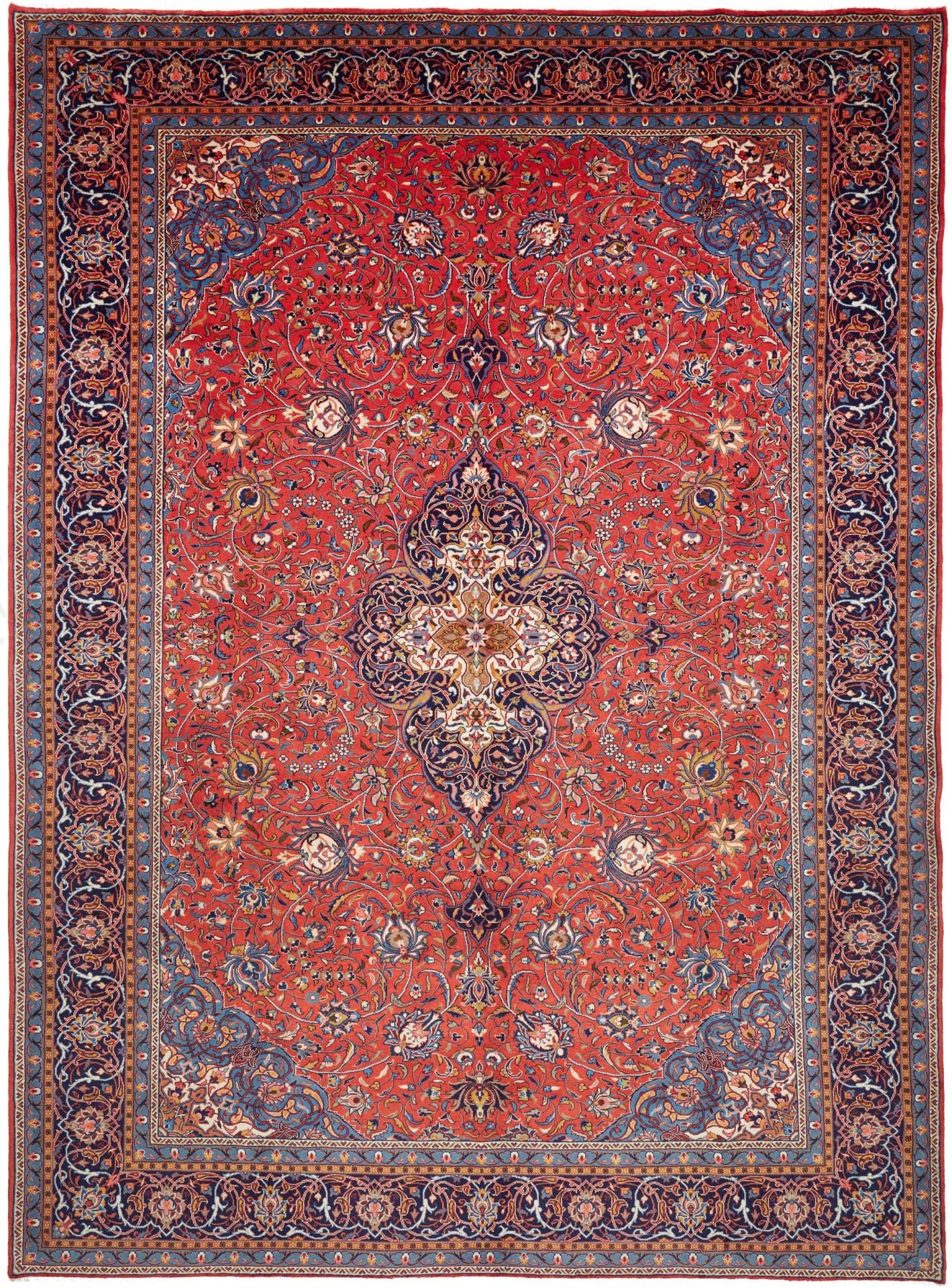
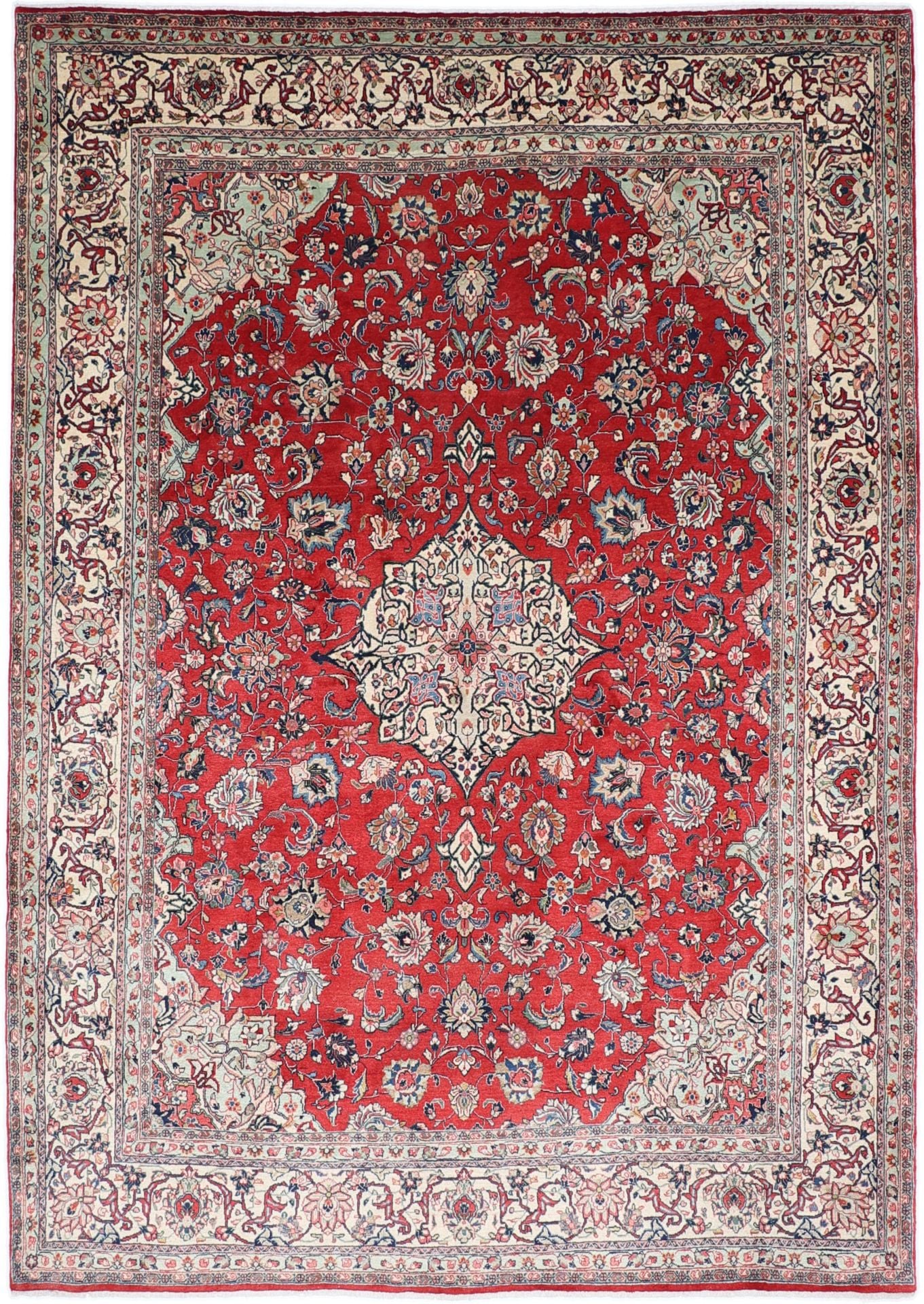
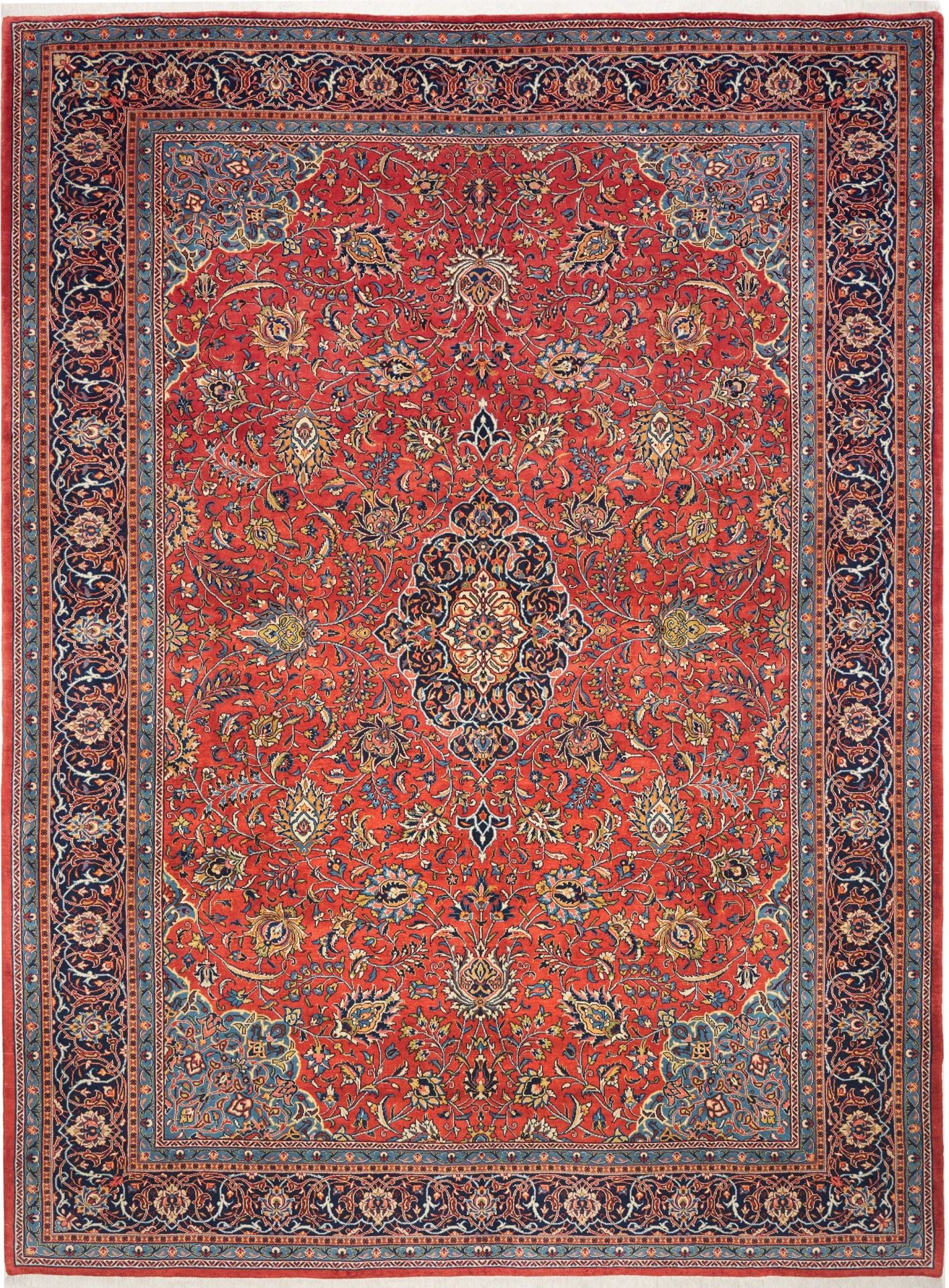
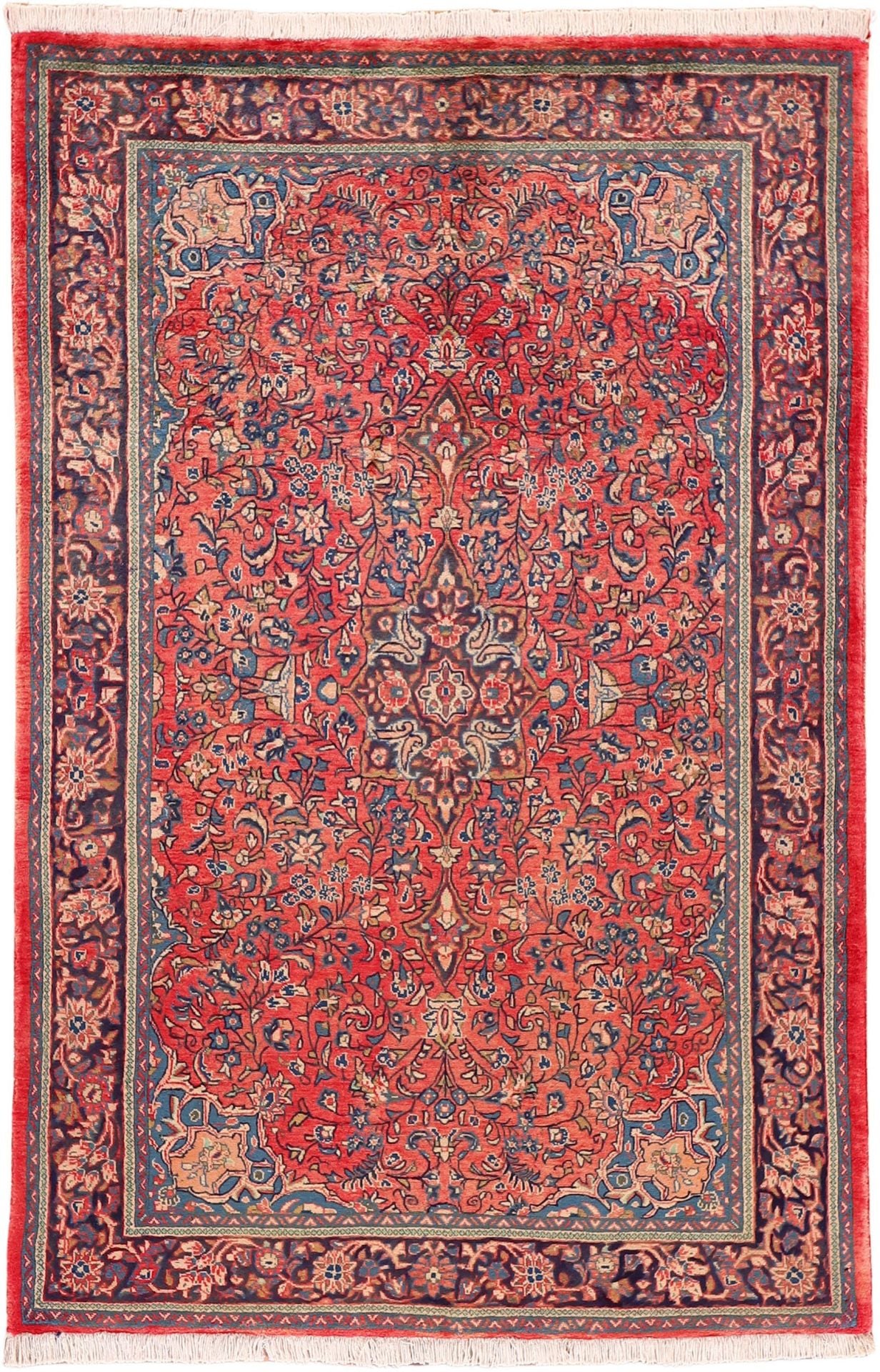
Carpets are more than just floor coverings; they are works of art that embody history, culture, and tradition. Among the many types of carpets, the SaroughCarpets from Persia stand out in particular. These hand-knotted masterpieces are renowned for their beauty and durability. In this article, we will discuss the characteristics, production, designs, and care of Persian carpets. Sarough-Research carpets to fully understand their fascination.
The history of the Sarough-carpets
Origins and cultural influences
Sarough-Carpets come from the region Sarough In Iran, a region renowned for its impressive carpet weaving for centuries, these carpets are the result of a rich tradition deeply rooted in Persian culture. The weaving techniques and materials have been perfected over generations, and the carpets reflect the cultural currents of numerous eras.
Development in the 19th and 20th centuries
In the 19th century, they gained SaroughCarpets gained worldwide recognition. The establishment of trade routes and exchange with the West led to their popularity in European and American homes. The designs were further refined to appeal to an international clientele without losing the time-honored art of carpet weaving.
Features of the Sarough-carpets
materials and processing
SaroughCarpets are typically made from high-quality virgin wool, silk, or a combination of both. Wool is known for its softness and durability, while silk adds extra elegance. The knotting process itself is done by hand, meaning that each carpet is a unique work of art. The knot density, which usually ranges between 160.000 and 300.000 knots per square meter, influences the carpet's longevity and the intricate details of the designs.
Designs and color palettes
The designs of SaroughCarpets are extremely diverse. Floral motifs, geometric patterns, and traditional Persian themes are frequently found. These carpets are known for their excellent color retention, and the color palette ranges from warm earth tones to vibrant blues and reds. The color scheme is often created using natural dyes, which gives the carpets a special depth.
The art of carpet weaving
Traditional knotting technique
The craft of rug weaving is a demanding and time-consuming art form. Every stage of the process, from design to dyeing the wool to the actual knotting, requires exceptional skill and in-depth knowledge. Craftsmen use specialized tools and techniques to increase knot density and make the rugs strong and durable.
The role of artisans
The artisans who SaroughCarpet making plays a central role in this tradition. Often, it is family businesses that pass on their knowledge from generation to generation. These artisans are not only skilled but also understand the cultural and historical meanings woven into the designs.
Care and maintenance of Sarough-carpets
cleaning Tips
To preserve the beauty and longevity of your SaroughProper care is essential to preserve carpets. Regular vacuuming is important to remove dirt and debris. For stubborn stains, a gentle cleaning approach should be chosen, ideally with the help of a professional to avoid damage.
Storage and placement
Proper storage of the rug is also of great importance. If you have your SaroughIf the rug is not going to be used for an extended period, it should be stored rolled up, clean, and dry to prevent creases and weather damage. When storing it, it is advisable to avoid direct sunlight to prevent fading.
Buying one Sarough-carpets
Where buy?
SaroughCarpets are available in numerous stores and online shops. When buying, pay attention to the quality of the materials and the authenticity of the carpet, especially if it is advertised as antique or vintage It is advertised. Certificates and exhibitions can help to identify authentic products.
Price factors
The price of one SaroughCarpets vary in price depending on size, knot density, material, and design. High-quality, hand-knotted carpets are generally more expensive, while machine-made or simpler designs can be less expensive. Remember that a carpet is an investment that can bring enjoyment for years to come.
The cultural significance of Sarough-carpets
Symbols and motifs
The motifs on SaroughCarpets are not only aesthetically pleasing but also symbolic. They often tell stories or represent elements of nature, culture, and spirituality. In many cases, the designs are a tribute to the region they come from and reflect the values and traditions of the people who made them.
Carpets as heirlooms
SaroughCarpets are often considered heirlooms. They are not only practical objects but also cultural artifacts passed down from generation to generation. Owning a genuine SaroughCarpets are often associated with pride, and many families keep them as part of their heritage.
Conclusion
The fascination of SaroughCarpets from Persia offer far more than just aesthetic appeal. They are the result of centuries of craftsmanship and represent a connection to a rich cultural history. Investing in one SaroughSo, buying a carpet is not just about acquiring a beautiful floor covering, but also about bringing a piece of art and tradition into your home.
FAQ
1. How can I verify the authenticity of a Sarough-How to recognize carpets?
Pay attention to the knot density, the materials (wool and silk), and the design. A genuine hand-knotted shawl SaroughThe carpet should be free of machine defects. Certificates are also available for antique carpets.
2. How often should I check my Sarough-Clean the carpet?
We recommend vacuuming your carpet regularly, at least once a week. Professional cleaning should be considered every two to five years, depending on use and wear.
3. Can I my Sarough-Is it safe to place a carpet in a room with direct sunlight?
It is better to avoid direct sunlight on your SaroughAvoid direct sunlight on the carpet, as this can cause color fading. Use curtains or blinds to soften the sun, or place the carpet in a less exposed area of your home.