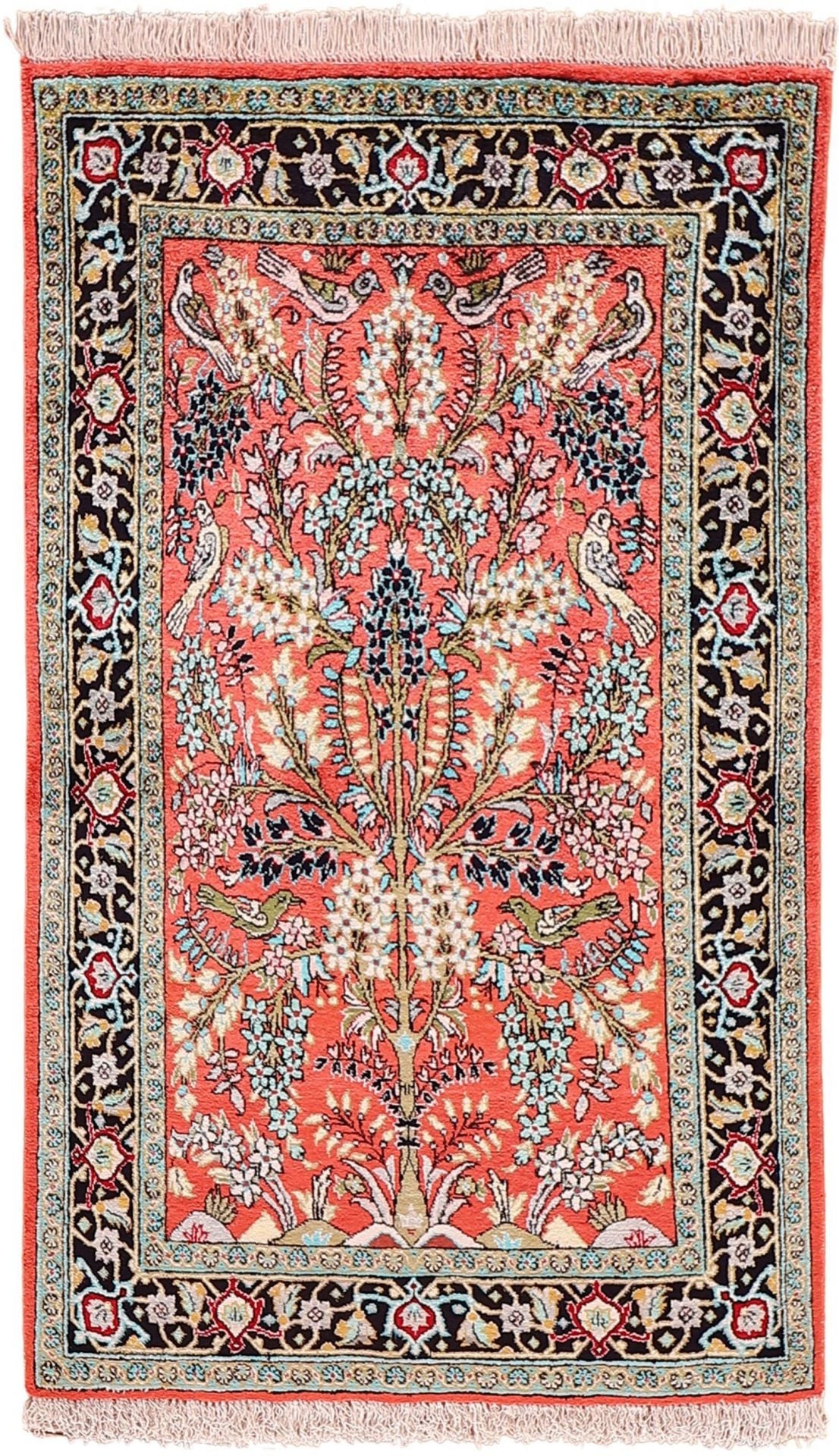
The art of hand-knotting: A look at the fascination of Persian carpets
The art of hand-knotting: A look at the fascination of Persian carpets
Introduction
Carpets are far more than just home accessories—they are works of art that tell stories and reflect cultures. Persian carpets, in particular, have exerted tremendous fascination throughout the centuries. The skillful technique of hand-knotting and the deep cultural roots associated with these carpets make them unique collectibles. In this article, we will take a closer look at the art of hand-knotting, explore the different types of Persian carpets, and analyze the significance of these carpets in modern interior design.
The tradition of hand knotting
The art of carpet weaving has a long history, dating back to ancient times. In Persia (present-day Iran), this tradition developed into a form of high art recognized throughout the world. The hand-knotting process is extremely complex and requires skill, attention to detail, and a great deal of patience.
The materials
The quality of a Persian carpet is strongly influenced by the materials used. Traditionally, wool, silk, and cotton are used.
- Wool: It is the most widely used material, known for its durability and softness. High-quality wool often comes from sheep living in cooler climates.
- SilkSilk: This precious fiber is used in finer carpets and gives them a characteristic luster. Silk carpets are often lighter and more delicate than wool carpets.
- Cotton: Another common material used for the base and backing of rugs. It provides stability and durability.
The knotting process
The process of hand-knotting is a true art form. It begins with weaving a sturdy wooden frame, on which the carpet threads are spun and knotted.
- Thread and base: First, the base of the carpet is prepared by stretching cotton or wool threads as a warp.
- KnottingThe weavers use special knots to bring color and pattern into the carpet. The most common knot is the Persian knot (Senneh-knot) and the Turkish knot.
- Design: Before the carpet is knotted, a design is created, often inspired by traditional motifs, floral patterns or geometric shapes.
- Completion: After knotting, the carpet is cleaned, dried and possibly sheared to create the desired textures and layers.
Types of Persian carpets
The variety of Persian carpets is impressive and encompasses numerous styles, designs, and regions. Among the most famous are:
1. Carpets made of Tabriz
The carpets made of Tabriz are famous for their fine details and vibrant colors. The city TabrizIstanbul, one of Iran's oldest and largest cities, is a center of carpet art. These carpets are distinguished by their complex patterns and exquisite craftsmanship.
2. Isfahan Carpets
IsfahanThese carpets are known for their high quality and the use of silk threads. They impress with their elegant sheen and delicate designs, which often include floral and geometric motifs.
3. Kashan Carpets
KashanCarpets are traditionally made of wool or silk and feature rich colors. Their designs are often inspired by nature, with patterns depicting flowers, trees, and birds.
4. Nain Carpets
NainCarpets are another prized option, often hand-knotted with wool and silk. They are known for their delicate patterns and subtle color palettes, and blend elegantly into modern living spaces.
5. Heriz Carpets
HerizCarpets originating from northwestern Iran are known for their geometric patterns and robust materials. They are ideal for rooms that need a touch of rustic charm.
The symbolism of the patterns
The patterns on Persian carpets are not purely decorative. They carry profound symbolic meanings that have been passed down from one generation to the next.
Floral motifs
Floral patterns are particularly popular in Persian carpet art and symbolize life, nature, and fertility. Roses, sunflowers, and other flowers play a central role in many designs.
Geometric shapes
Geometric patterns often represent harmony and order. They demonstrate the mathematical beauty valued in Islamic art. These designs often signify the pursuit of perfection and balance.
Tiermotive
Animals, especially birds, also play an important role in carpet symbolism. They represent freedom and spirituality. Some carpets are decorated with mythological creatures that carry deeper cultural meanings.
The role of Persian carpets in interior design
Today, Persian rugs have found their place in modern interior design. They are not only functional floor coverings but also stylish accents that add character and elegance to a room.
Home design
In the living room, rugs are central elements that bring the space together. A magnificent Persian rug on a wooden or parquet floor creates a warm and cozy atmosphere.
Bedroom
In the bedroom, small Persian rugs or rugs can be placed by the bed to add a touch of luxury. They not only provide comfort but also contribute to the calming aesthetic of the room.
Offices and workrooms
Persian rugs are often used in offices to create a welcoming and productive work environment. Their elegant designs can inspire and motivate.
Caring for Persian carpets
A Persian carpet is a valuable heirloom that must be cared for properly to preserve its beauty over the years.
Cleaning
Regular cleaning is crucial. Vacuuming should be done gently and without using the brush to avoid damaging the fibers. Professional carpet cleaning is recommended to remove stubborn stains.
Protection
A rug underlay can help stabilize the rug and extend its lifespan. Additionally, rugs should be protected from direct sunlight to prevent color fading.
Storage:
If you need to store a rug, make sure it's clean and dry. Carefully roll the rug up and store it in a cool, dark place.
Conclusion
Persian rugs are not merely decorative objects; they also carry a rich history and cultural richness. Their beauty and craftsmanship make them timeless pieces that can last for generations. When you incorporate a Persian rug into your home, you are investing not only in a decorative element but also in a work of art that tells stories and creates memories. Be inspired by the allure of Persian rugs and experience the appeal of this extraordinary art form in your own home.
FAQ
1. How do I recognize a genuine Persian carpet?
Authentic Persian rugs are characterized by their hand-knotted quality, high-quality materials, and detailed designs. An important feature is the design, which is visible on both sides of the rug. Also note the country of origin and place of manufacture embroidered there.
2. What care do I need for my Persian carpet?
To ensure the longevity of your carpet, it should be cleaned and vacuumed regularly. Avoid direct sunlight and ensure it is protected from excessive moisture. If necessary, have thorough cleanings performed by professionals.
3. Which Persian rug suits my interior style?
Choosing the right rug depends on your personal taste and the style of your interior. Rugs with clean lines and simple patterns are ideal for modern and minimalist rooms, while more traditional interior styles favor opulently patterned rugs.