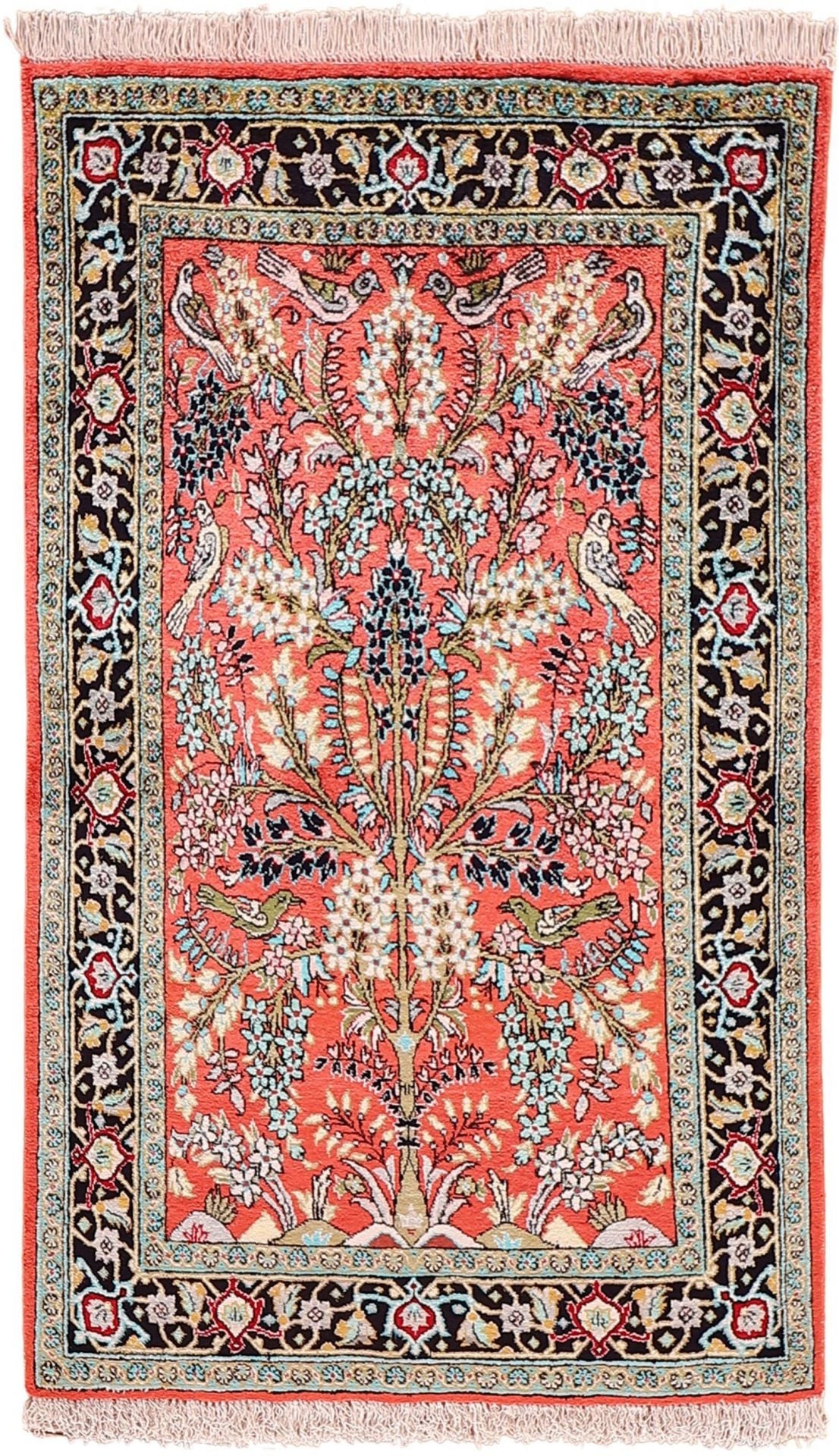
The art of Zanjan-Carpets: Tradition and craftsmanship from the heart of Iran
The art of Zanjan-Carpets: A journey through tradition and craftsmanship
Carpets are not only textile floor coverings, but also works of art that embody the history, culture, and craftsmanship of a country. ZanjanCarpets from Iran are an excellent example of this tradition. They combine centuries-old techniques with unique designs and colors deeply rooted in Persian culture. In this article, we will explore the fascinating world of... Zanjan-Explore carpets, their history, the materials and techniques used, and their cultural significance.
The history of the Zanjan-carpets
The city Zanjan Located in northwestern Iran, this region boasts a long tradition of carpet making dating back to the 16th century. Known for its breathtaking mountain scenery and rich artisanal heritage, it is an ideal location for carpet production. ZanjanCarpets are often made in small workshops where families pass on their knowledge and techniques over generations.
Cultural significance and influences
The carpets made of Zanjan are heavily influenced by the region's cultural traditions. The various ethnic groups have their own designs, colors, and patterns, which often tell stories or reflect specific beliefs. ZanjanThese carpets are characterized by complex geometric patterns, floral designs, and vibrant colors. These designs are often inspired by nature, particularly the surrounding mountains and forests.
Materials and techniques
Natural fibers and dyes
ZanjanCarpets are mainly made from wool, silk, and cotton. Wool is the most commonly used material because it is both durable and soft. The sheep from which the wool comes graze in the hills around Zanjan cultivated, which gives the carpets a local touch.
Natural dyes derived from plants, roots, and minerals are often used to color the carpets. These traditional dyes ensure that the colors do not fade even after many years and give the carpet a special depth and vibrancy.
Knotting techniques
Knotting is an art form in itself and has a significant influence on the quality and design of the carpets. ZanjanCarpets are typically woven using the Persian knotting technique, known for its density and durability. This technique allows artisans to create incredibly fine patterns and details. Depending on the complexity of the design, a Zanjan-Carpet repair can take several months to several years.
design and pattern
Geometric and floral patterns
The designs of the ZanjanCarpets are diverse, ranging from geometric shapes to floral motifs. Geometric patterns are often inspired by Islamic art, while floral designs reflect the region's rich flora. Some particularly popular motifs include:
- Mahi (fish pattern): A classic pattern often associated with life and fertility.
- Herati (Cross pattern): Includes geometric shapes and floral elements.
- Boteh (plant motif): A teardrop-shaped design found in many Persian carpets.
Colors and symbolism
The colors of ZanjanCarpets are also of great importance and often carry symbolic meanings. Red is frequently seen as the color of joy and life, while blue symbolizes peace and tranquility. The harmonization of these colors in a carpet design is a sign of the maker's high level of craftsmanship.
Care and maintenance of Zanjan-carpets
Regular cleaning
To ensure the beauty and longevity of a ZanjanTo ensure the longevity of your carpets, regular cleaning is essential. Vacuuming helps remove loose particles, while professional carpet cleaning is recommended every few years to remove deeper soiling.
Avoiding sunlight
Direct sunlight can fade a rug's colors. To avoid this, rugs should either be placed in less bright areas or protected with curtains.
Stain treatment
When treating stains, it's important to act quickly to avoid permanent damage. Use a mild detergent and a soft cloth. Test the solution on an inconspicuous area first to ensure it doesn't damage the material or color.
Buying one Zanjan-carpets
Authenticity of the carpets
When buying a ZanjanWhen buying carpets, it's important to pay attention to authenticity. Look for certificates or proof of origin, and preferably buy from trusted dealers or directly from the artisans.
pricing
Prices for ZanjanCarpets can vary greatly depending on size, materials, knot density, and design. High-quality, handmade carpets are generally more expensive, but offer unique quality and durability.
Where to buy
ZanjanCarpets can be found in various stores, galleries, and online shops. Be sure to read customer reviews and check the return policy before making a purchase.
Promotion of art and crafts
The role of craftsmen
The craftsmen who ZanjanCarpet makers play a crucial role in preserving this tradition. Their skills and knowledge are invaluable and help maintain the region's cultural roots. Several programs offer support and training to ensure this art form continues into the future.
Support through monument protection
There are also initiatives to promote the preservation of historical monuments, aiming to safeguard the knowledge and techniques of carpet making. By purchasing authentic carpets... ZanjanBuyers of carpets directly contribute to the preservation of this tradition.
Conclusion
ZanjanCarpets are a fascinating piece of Iranian culture and art. The combination of traditional craftsmanship, high-quality materials, and unique designs makes them a valuable addition to any home. Whether you are looking for a timeless work of art or simply want to bring a touch of the Orient into your rooms, a carpet is the perfect choice. ZanjanA rug is the perfect choice. Visit our collection and discover the beauty and character of a handmade rug. Zanjan-Carpets.
FAQ
1. How do I recognize an authentic person? Zanjan-Carpet?
To have an authentic one ZanjanTo identify a carpet, you should pay attention to the quality of the materials, the knot density, and the colors used. ZanjanCarpets are usually made from high-quality wool or silk and feature complex, detailed patterns. Ask for certificates or proof of the carpet's origin.
2. How long does a Zanjan-Carpet?
The lifespan of one ZanjanThe lifespan of a carpet depends on its use and care. With proper care, a high-quality carpet can last a long time. Zanjan-Carpets can last for many decades and even be passed down from generation to generation.
3. Can I get a Zanjan-Can I use a carpet outdoors?
Although ZanjanWhile these rugs are beautiful, they are not suitable for outdoor use. Direct sunlight and moisture can damage the colors and structure of the rug. It is best to place it in a sheltered indoor area to preserve its beauty for longer.
Through the discovery of ZanjanDiscover not only beautiful works of art in these carpets, but also a piece of Iranian history and culture. These unique carpets are not just decorative elements, but also a heritage that must be preserved.