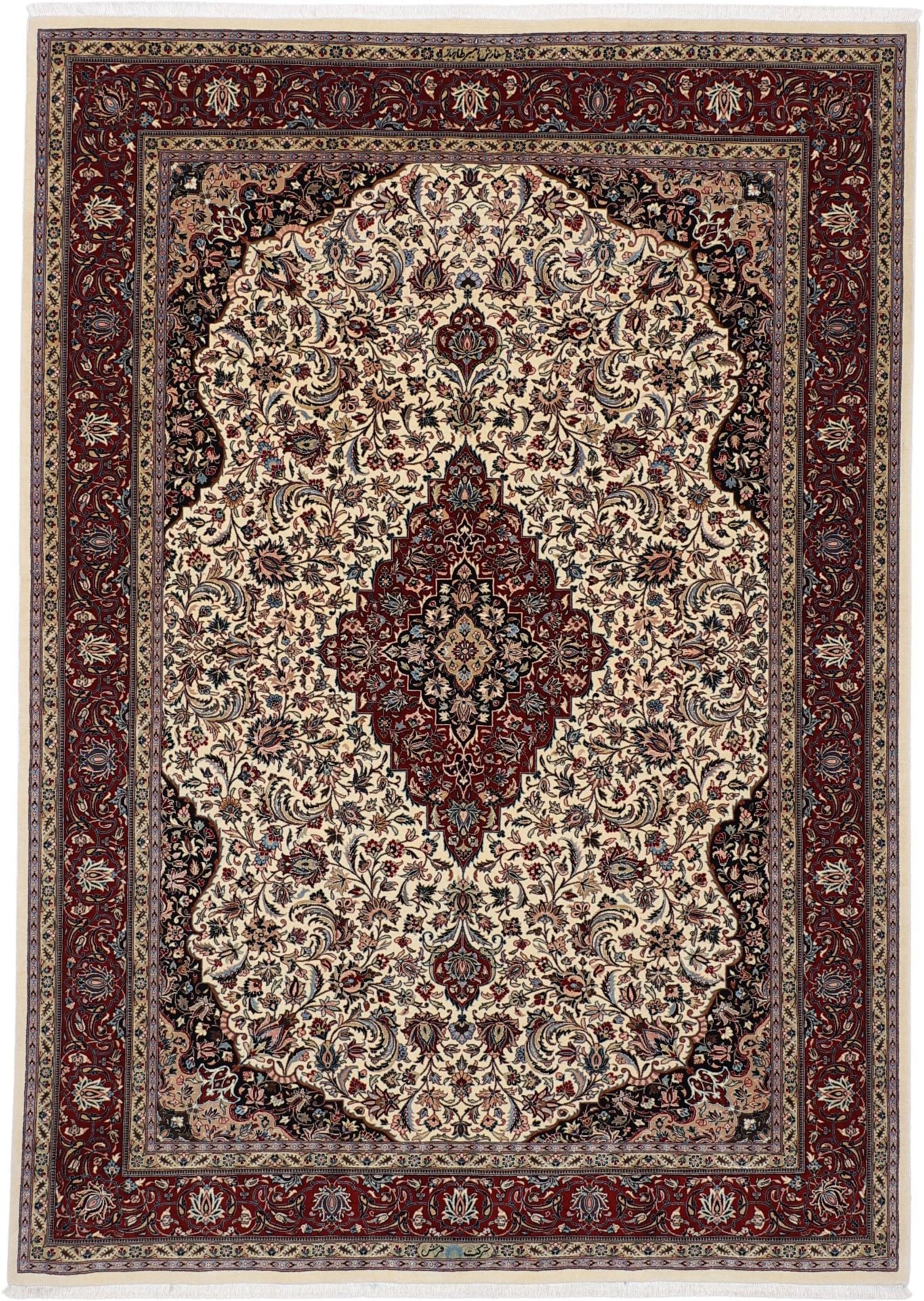
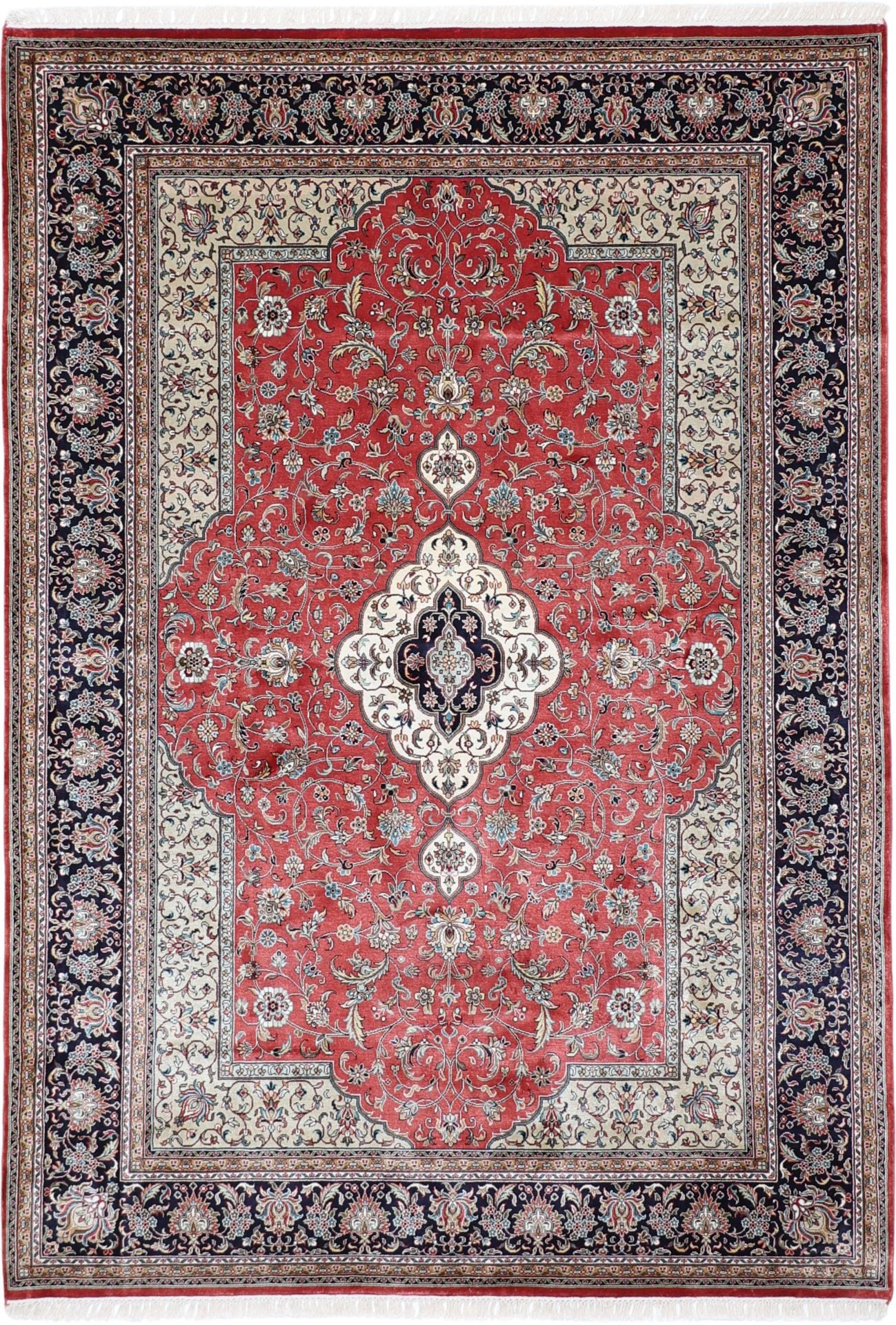
The Art of Woven Tradition: Moroccan Berbercarpets and their timeless charm
Carpets: The Art of Woven Tradition
Introduction
Carpets are far more than just textile floor coverings. They are works of art that tell stories and represent cultures. Moroccan carpets are particularly fascinating. BerberCarpets that captivate with their rich tradition and timeless charm. In this article, we delve deep into the world of carpets, exploring their culture and craftsmanship. Berber and provide practical tips for selecting and caring for these unique pieces.
The origin of the Moroccan Berbercarpeting
Moroccan Berbercarpets originate from the Berbertribes in the Atlas Mountains and the Sahara. The BerberThe Indigenous people of North Africa have a deeply rooted tradition dating back to the 9th century. Every pattern and color has a special meaning, often symbolizing the social status, fertility, or wishes of the weavers.
The weaving techniques
The production of one BerberCarpet making is mostly done by hand, using traditional looms to process sheep's wool or goat's hair. Different tribes use different techniques and patterns; for example, the Beni Ourain tribe uses a special technique that makes their carpets particularly soft and warm.
Symbolism and design
The designs of the BerberCarpets are diverse and symbolic. Geometric patterns, abstract shapes, and vibrant colors tell stories of nature, life, and spirituality. BerberEach piece is unique, reflecting the identity of the weaver.
The timeless charm of Moroccan Berbercarpeting
Moroccan BerberCarpets convey a touch of exoticism and warmth, enriching any room. Their rustic charm complements both modern and traditional decor – from minimalist loft apartments to country-style homes.
Materials and qualities
BerberCarpets are primarily made of wool, which is not only durable and robust but also provides excellent insulation. Wool also has the property of repelling dirt, which makes carpets easier to care for. Some BerberCarpets are also made from cotton or a mixture of materials, offering different styles and textures.
Diverse areas of application
Whether in the living room, bedroom or hallway – the possible uses of BerberThe possibilities for carpets are virtually limitless. They can be used as a central focal point or harmoniously integrated into an existing room design. Carpets not only introduce color and pattern, but also offer a pleasant, soft surface.
Tips for choosing the right carpet
Choosing the right rug is crucial to the overall look of a room. Here are some factors to consider when making your selection:
Size and shape
The size of the rug should harmonize with the size of the room and the furniture. In a small room, a small rug can seem lost, while one that's too large can overwhelm the space. Round or rectangular shapes offer different possibilities and should be chosen according to the furniture layout.
color and pattern
The choice of color depends largely on the existing decor. Neutral colors combine well with colorful furniture, while bold colors create contrast. When it comes to patterns, those who like excitement can experiment with different designs, while a harmonious color palette creates a calm atmosphere.
Care and cleaning
BerberWool carpets are relatively easy to care for, but require regular cleaning to maintain their beauty. Vacuuming and occasional beating are recommended. For stains, treat carefully with water and mild soap. For deeper cleaning, professional carpet cleaning may be considered.
care of Berbercarpets
Proper care will extend the life of your carpet. Here are some helpful tips:
Regular vacuuming
To remove dust and dirt, the carpet should be vacuumed regularly. A vacuum cleaner without rotating brushes is ideal to protect the fibers.
Pre-treatment of stains
When it comes to stains, it's important to act immediately. Use a clean, white cloth and gently dab the stain without rubbing. For stubborn stains, use a mild soap solution applied with a soft cloth.
Professional cleaning
Professional cleaning is ideal for removing deep-seated dirt. This method ensures that the carpet is thoroughly cleaned without damaging the fibers.
Moroccan Berbercarpets as an investment
AberberA rug is not just a decorative element, but also a valuable investment. The craftsmanship and use of high-quality materials make it durable and timeless.
appreciation
Over the years, many BerberCarpets are valuable because they are considered collector's items. Rare designs or historical carpets can even fetch exceptionally high prices at auction.
Sustainability
The handmade BerberCarpets are more environmentally friendly than industrial products because they are made from natural materials. The appreciation for traditional craftsmanship and the minimization of their ecological footprint make them a more sustainable choice.
Conclusion
Moroccan BerberCarpets are more than just home textiles. They are works of art with stories woven into every pattern and color. Their timelessness and versatility make them a valuable addition to any home. With the right selection and care, these unique pieces can not only beautify rooms but also tell the story and tradition of the region. Berber keep alive.
FAQ
1. How do I recognize a genuine one? Berbercarpet?
A real BerberThe rug is handmade and often shows irregularities in the pattern, which is a sign of its handcrafted nature. Pay attention to the materials used, usually pure wool, as well as the construction and weight of the rug.
2. Are BerberAre carpets suitable for allergy sufferers?
Yes, BerberWool carpets are hypoallergenic and can be a good choice for allergy sufferers, as they repel dust and dirt. However, regular cleaning and maintenance are important to preserve indoor air quality.
3. How long does a BerberAverage carpet?
With proper care, a BerberA carpet can last for several decades. The quality of the materials and the craftsmanship play a crucial role in its longevity.