"The Art of Weaving:" Isfahan-Carpets – Masterpieces of Iranian craftsmanship"
Carpets: Masterpieces of craftsmanship and the fascination of Isfahan-carpets
Introduction
Carpets are not just decorative elements for our rooms; they are also carriers of history, culture, and tradition. Among the numerous types of carpets produced worldwide, the following stand out: Isfahan-Carpets stand out due to their exceptional quality, artistic design, and rich color palette. The city IsfahanOnce the heart of Persian culture, Iran is famous for its carpet production and is considered a stronghold of Persian weaving. In this article, we will explore the origins, techniques, and symbolism of the Persian carpet. Isfahan-Take a closer look at carpets and give you valuable tips for selecting and caring for carpets.
The history of carpet weaving
The origins
Carpet weaving has a long and fascinating history, dating back to ancient Persia. Archaeological finds show that woven carpets existed as early as the 5th century BC. These early carpets often featured abstract patterns and geometric designs that had spiritual or cultural significance. Over the centuries, the art of carpet weaving evolved, and new techniques and patterns found their way into weaving.
The influence of the Seljuks and Safavids
Carpet weaving experienced its first golden age in the 11th and 12th centuries, during the Seljuk dynasty. This era brought new design innovations and techniques that significantly contributed to the development of Persian carpets. Under the Safavid dynasty in the 16th and 17th centuries, carpet weaving reached its zenith. Isfahan It became a center of carpet production, and the weavers' skill shaped the style of carpets during this period. The Safavids not only fostered local artists but also the exchange of ideas and techniques with the rest of the world.
The uniqueness of the Isfahan-carpets
Features and design
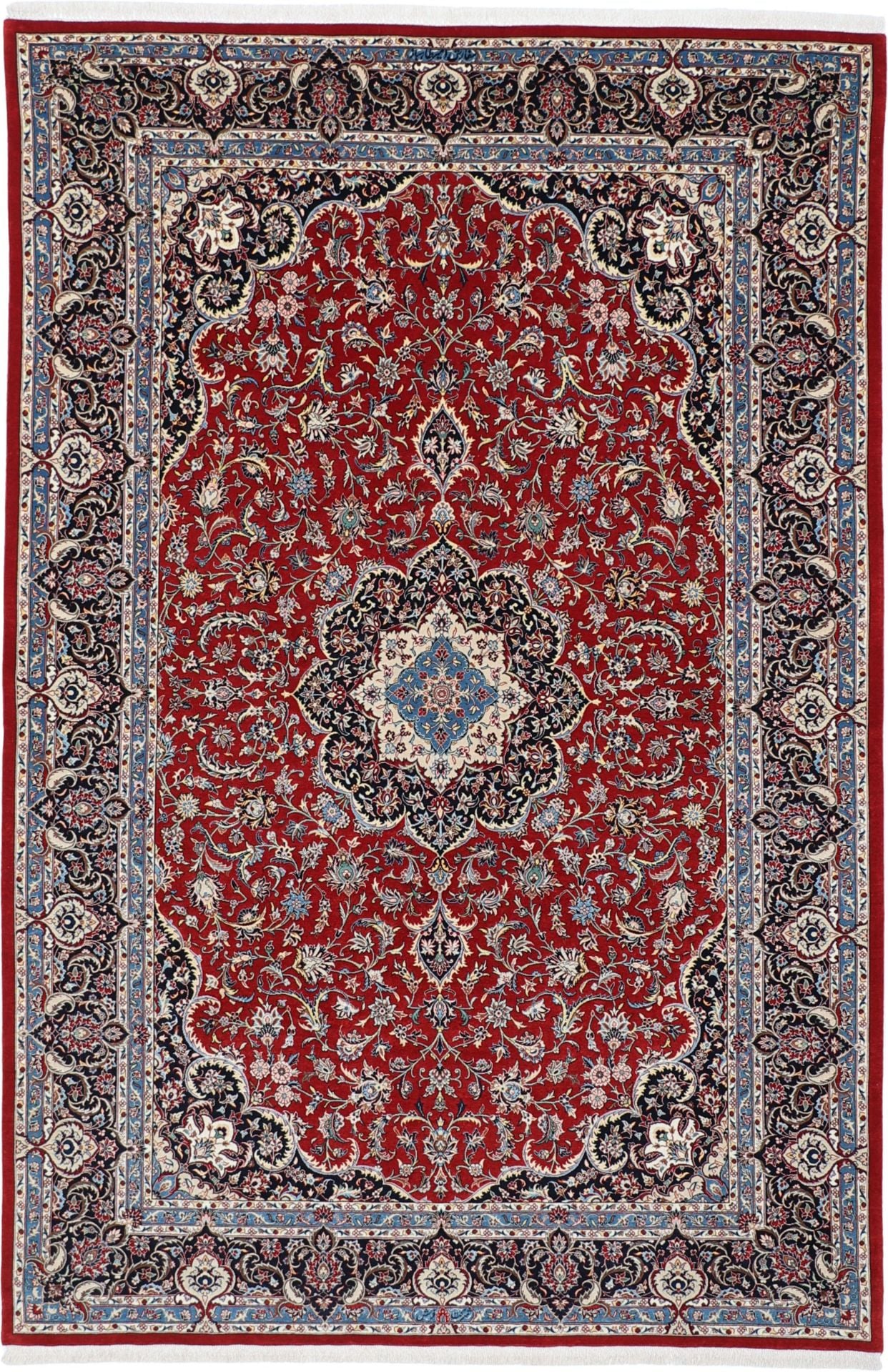
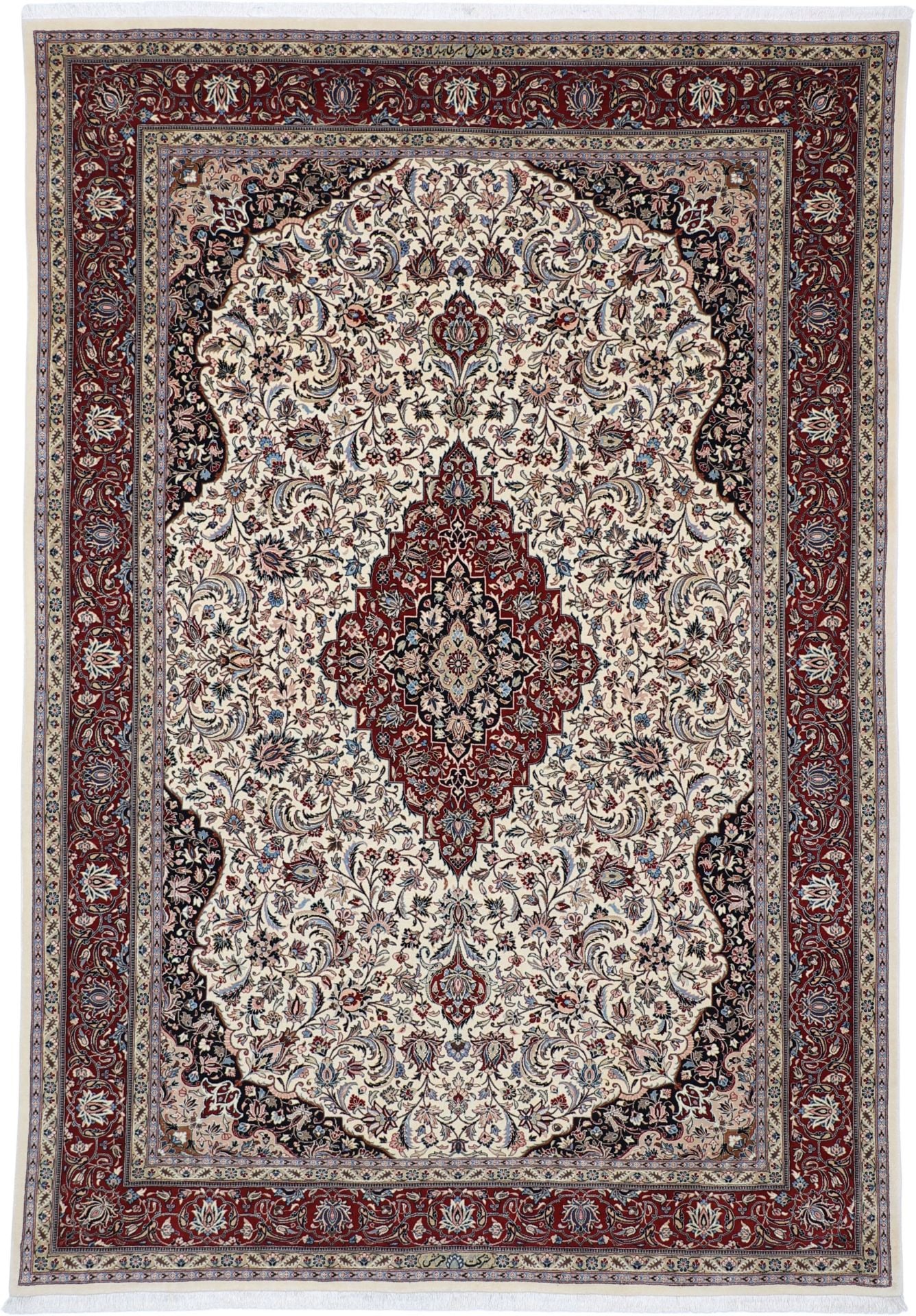
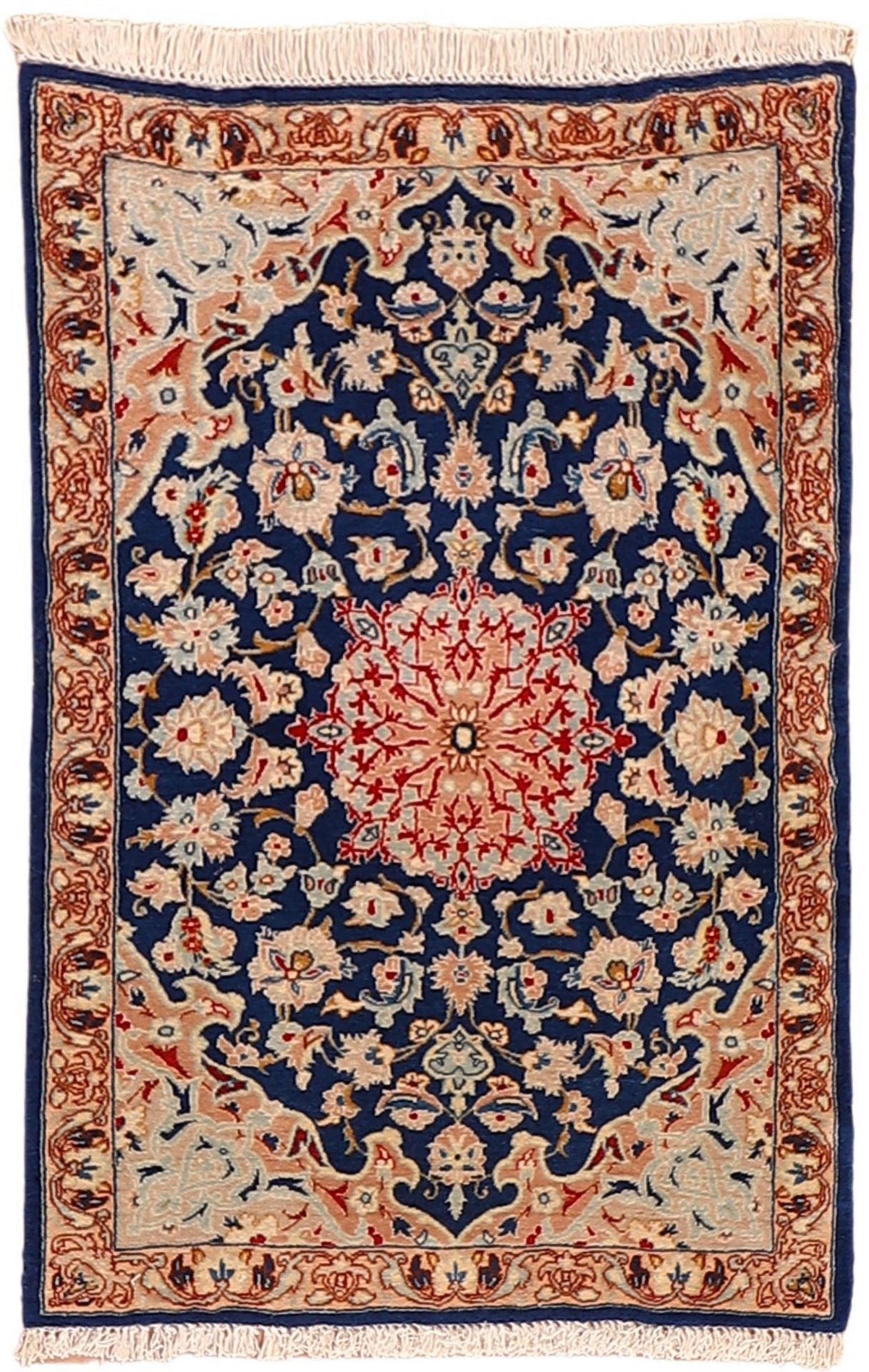
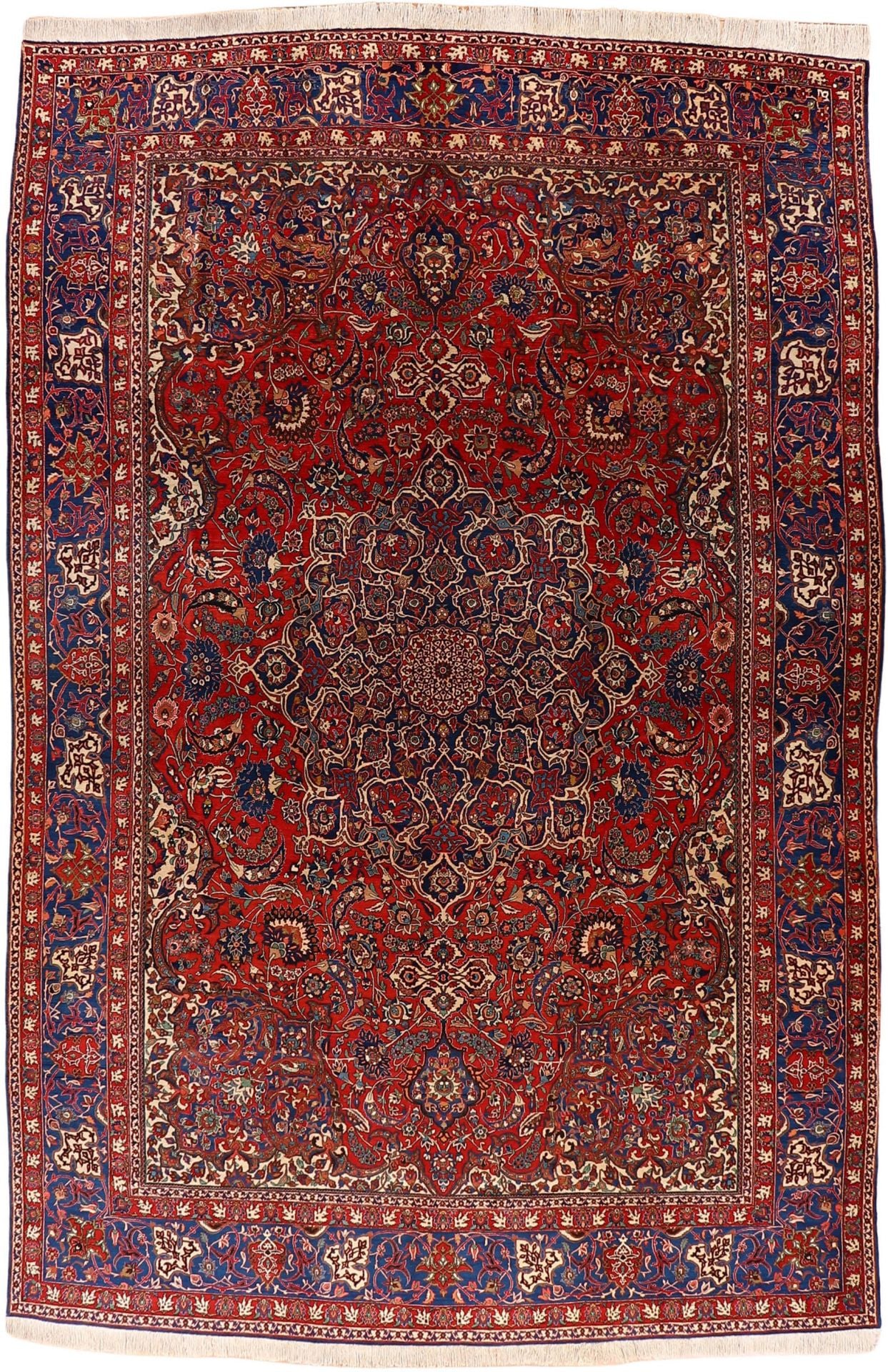
IsfahanCarpets are known for their exquisite designs and the use of high-quality materials. They are typically made of fine wool, silk, or a combination of both. The carpets are often woven with intricate patterns and motifs such as flowers, geometric shapes, or animals, with a central medallion or floral wreath being a common motif.
Die Farbpalette der IsfahanThe carpets are remarkable. Typical colors are deep reds, blues, golds, and greens, harmoniously combined. The skillful use of color nuances gives the carpets a special depth and vibrancy.
The weaving technology
The production of one IsfahanCarpets require the highest level of craftsmanship. The weavers use a special knotting technique known as the "Persian Knot" or "Senneh"Knots" create a particularly dense and durable structure. The production of a carpet can take months to years, depending on the size and complexity of the design.
The process involves several steps, including the selection of the wool or silk, dyeing, design, and finally, weaving. Each step is crucial to the quality and aesthetics of the final product. The dedication and skill of the artisans are evident in each individual rug.
The cultural significance of Isfahan-carpets
craftsmanship and tradition
carpets off Isfahan Carpets are not merely everyday objects; they are also cultural symbols of Persian heritage. The art of carpet weaving is passed down from generation to generation and remains a significant part of Iranian culture. The weavers are proud of their skill, and many consider carpet weaving a form of self-expression.
Symbolism and stories
The patterns and motifs on IsfahanCarpets often carry deeper meanings. Many designs are inspired by nature and symbolize life and health. The use of specific colors also has various meanings; for example, red often represents love and passion, while blue stands for peace and tranquility.
Choosing the right carpet
materials and quality
When buying a rug, you should pay attention to the materials used. Wool is durable and easy to care for, while silk conveys a luxurious feel. IsfahanSilk carpets are particularly precious, as they offer a completely different level of softness and sheen. The quality of the knotting is also crucial: ensure that the carpet is tightly knotted and that the design is clearly visible.
Style and fit
When choosing a rug, you should consider which style best suits your room. IsfahanA rug can look both modern and traditional and accentuate various styles. Consider the color of your walls and furniture to achieve a harmonious overall impression.
Care and Maintenance
Carpet care is crucial for its longevity. Regular vacuuming helps remove dust and dirt. If stains occur, act promptly and carefully clean the affected area. Professional cleaning is recommended to preserve the color intensity and texture of the carpet.
The future of carpet weaving
challenges and innovations
The carpet industry today faces challenges such as competition from machine-made carpets and the decline of traditional craftsmanship. Many companies are seeking to tap into new market segments through innovative designs and the combination of traditional craftsmanship with modern technologies. A growing demand for sustainable products has also led some manufacturers to use environmentally friendly materials and techniques.
Preserving the tradition
Nevertheless, preserving traditional weaving techniques and the culture of carpet weaving remains an important task. Various programs and initiatives are committed to preserving knowledge of the art of carpet weaving and introducing new generations to this craft.
Conclusion
IsfahanCarpets are more than just a piece of fabric – they are a living piece of culture and history, bringing a touch of elegance and tradition to any room. Their artistic designs and rich symbolism make them a fascinating choice for anyone looking to decorate their living spaces tastefully. When selecting and caring for a carpet, it's important to consider the craftsmanship and ensure its durability. If you are looking for a IsfahanBy integrating a carpet into your home, you are not only acquiring a decorative element, but also a unique work of art that can last for generations.
FAQ
How do I recognize a high-quality Isfahan-Carpet?
A high quality one IsfahanThe rug has dense and fine knots, allowing for a clear and detailed design. The materials used, such as wool or silk, should be of high quality, and the colors should be vibrant and well-coordinated. Also check the back of the rug; it should be equally neat and well-finished.
How can I my Isfahan-What's the best way to care for a carpet?
Regular vacuuming without a brush attachment is important to remove dust and dirt. If stains occur, act promptly and gently dab the carpet with a damp cloth. Professional cleaning is recommended to preserve the longevity and color of the carpet.
Where can I Isfahan-Buying carpets?
IsfahanOriental rugs can be purchased in specialized rug shops, online stores for oriental rugs, or at arts and crafts fairs. Be sure to buy from reputable dealers to ensure quality and authenticity.