The art of wall design: How tapestries change space and atmosphere
Carpets: The art of designing with textiles
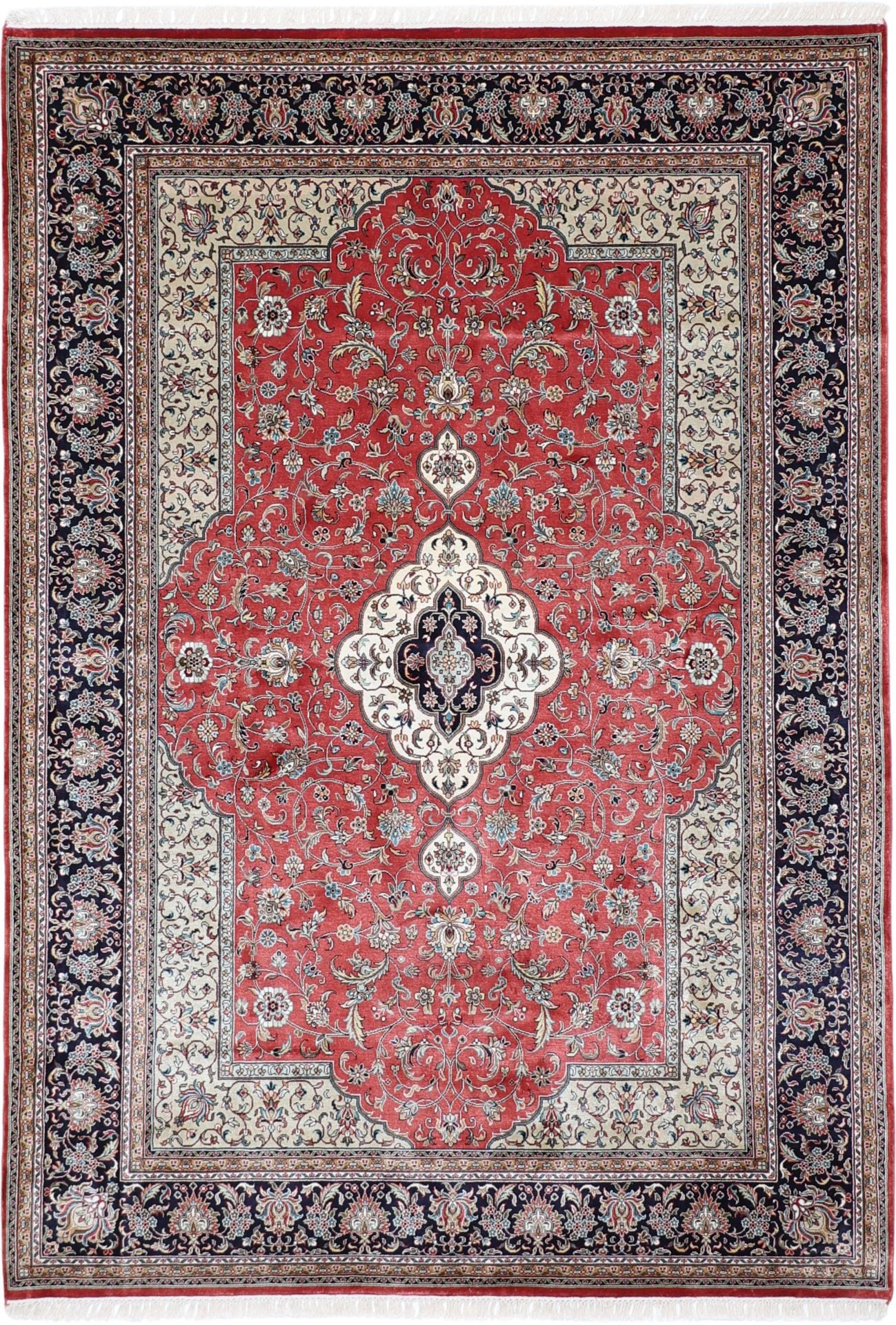
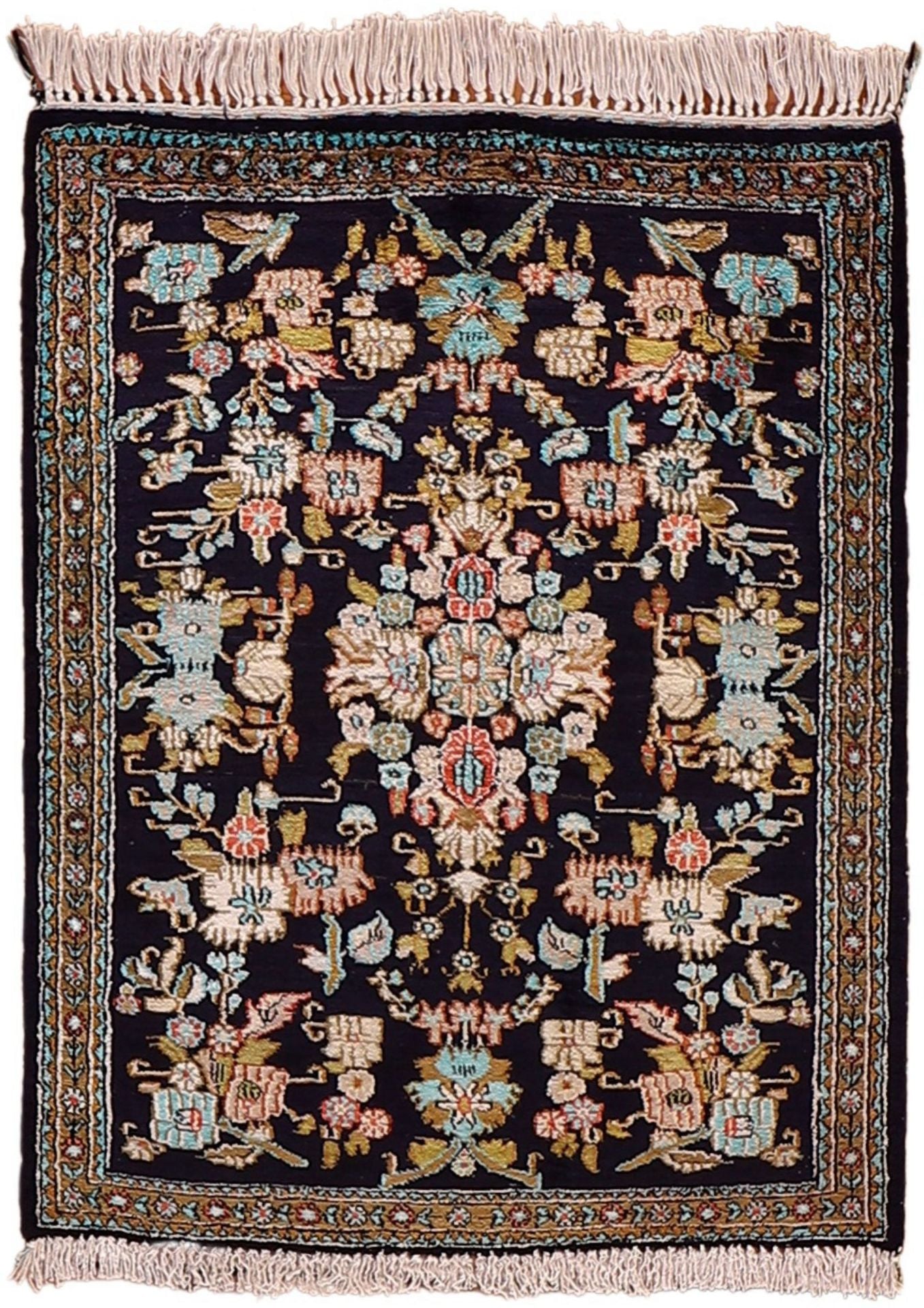
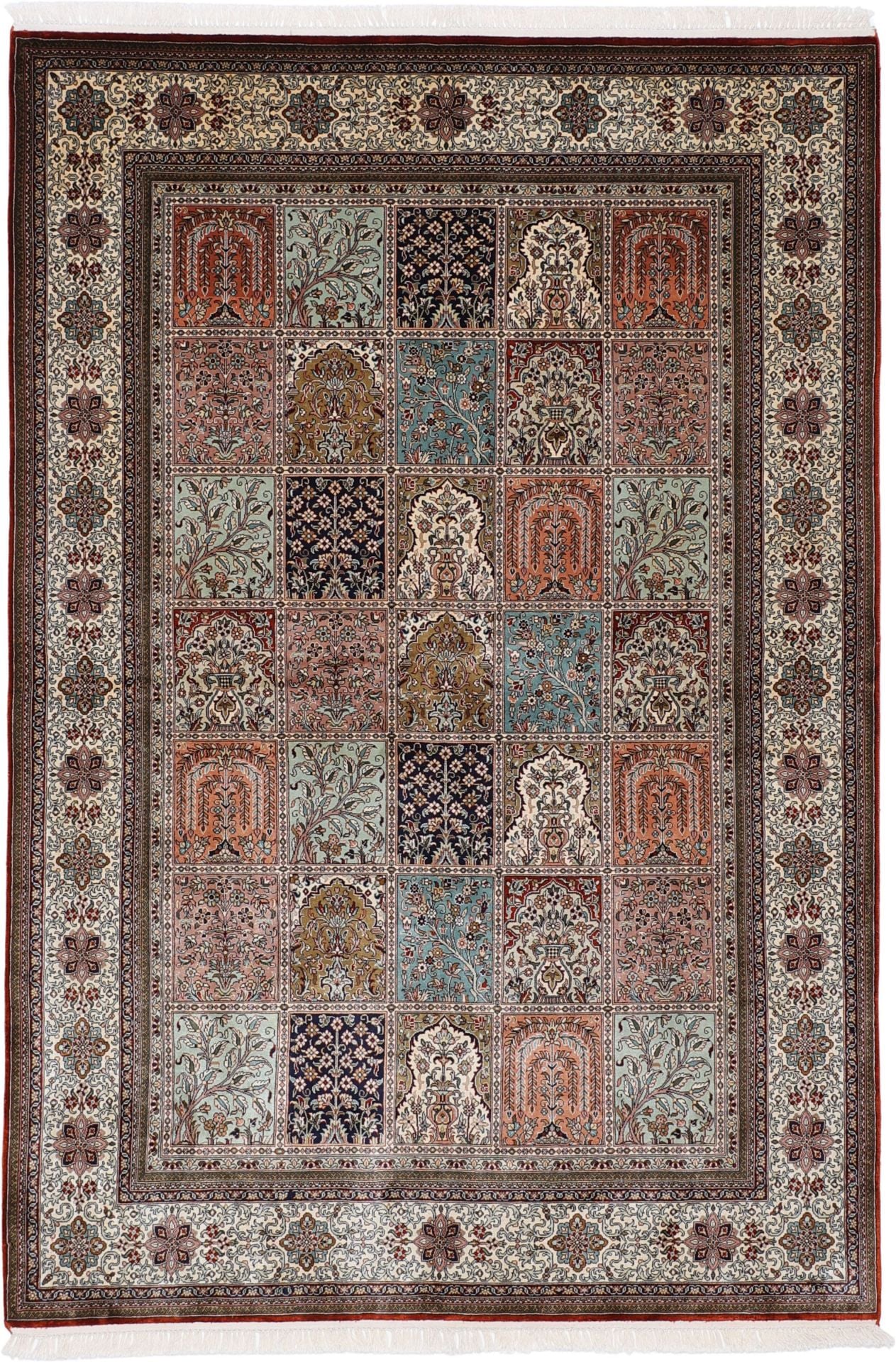
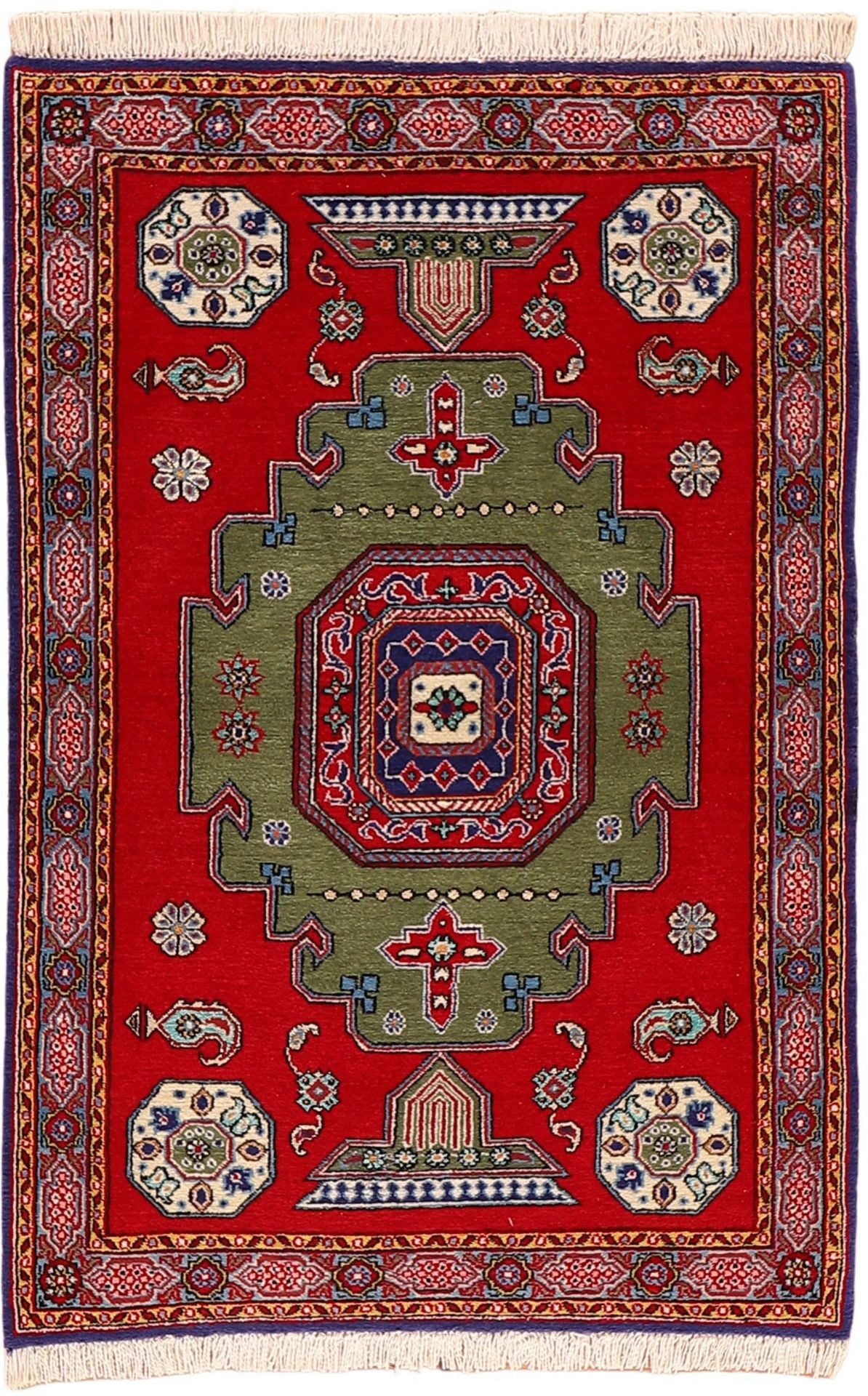
Carpets are more than just floor coverings; they are an expression of style, comfort, and elegance. In recent years, the perception of carpets in interior design has changed. They are no longer just functional elements, but also works of art that can transform spaces. In this article, we will explore the various aspects of carpets, from their history to the different types and materials, to the way they can influence the atmosphere of a room.
The history of carpets
The history of carpets stretches back thousands of years. Even in ancient times, carpets were used as decorative elements, as well as for insulation and floor protection. The oldest known carpets come from ancient Persia and date back to the 5th century BC. These early examples testify to remarkable craftsmanship and creativity. Carpets were developed in various cultures, each contributing its own distinctive style.
Over the centuries, carpets in different regions have told their own stories. Oriental carpets, for example, often reflect the culture and traditions of the respective region, while European carpets are strongly influenced by Renaissance and Baroque styles. These carpets are not just practical objects; they are also testaments to history, craftsmanship, and cultural heritage.
Types of carpets
Rugs come in a variety of types, sizes, and styles. Here are some common types of rugs commonly found in modern homes:
Handwoven carpets
Handwoven rugs are the result of centuries of tradition and complex techniques. These rugs are often made in small factories or by artisans and can be precious and unique. They are not only durable but also a true work of art. The individual character of a handwoven rug makes it a valuable part of any interior design.
Machine-made carpets
Unlike handwoven rugs, machine-made rugs are produced through industrial processes. These rugs are generally more cost-effective and available in larger quantities. They offer a wide range of designs and colors, making them ideal for people looking for a practical and affordable home accessory.
deep-pile carpets
Deep-pile rugs are particularly soft and cozy, lending any room a pleasant atmosphere. The long fibers create a cozy feeling and are perfect for living rooms or bedrooms. They are ideal for cold winter months and can provide a real-time feel-good experience.
Flatwoven carpets
Flat-woven rugs have a smooth surface and are often lighter than deep-pile rugs. They are available in a wide variety of styles and designs and are well-suited for high-traffic areas because they are easy to clean. Flat-woven rugs are versatile and can be used in both modern and traditional living spaces.
Materials for carpets
The choice of material is crucial for the properties and look of a rug. Different materials offer different benefits and can significantly influence the style of a room.
Wool
Wool is one of the most popular materials for carpets. It is particularly durable, dirt-resistant, and provides natural insulation. Wool has the ability to absorb and release moisture, creating a balanced indoor climate. Furthermore, wool is naturally antistatic and therefore less susceptible to dust accumulation.
synthetic fiber
Rugs made from synthetic fibers such as polypropylene or nylon are resistant to wear and stains. They dry quickly and are often easier to clean than rugs made from natural materials. These rugs are available in a variety of colors and designs and are well suited for high-traffic areas such as hallways or kitchens.
Cotton
Cotton rugs are lightweight and breathable. They're ideal for summer and offer a pleasant texture. Cotton can be printed in a variety of patterns and colors, allowing for creative designs. However, one disadvantage of cotton rugs is their susceptibility to stains and their lower level of durability compared to wool or synthetic fibers.
Silk
Silk rugs are the ultimate luxury product. They are incredibly soft and lustrous, adding elegance and style to any room. However, silk rugs are less durable and are best suited for less-used areas.
Carpets and interior design
Rugs have the power to significantly change the atmosphere of a room. They can complement different styles and add character to spaces. Here are some tips for incorporating rugs into your interior design:
Accentuation of colors
A rug can act as a central element in a room and determine its color palette. While neutral walls create calm and relaxing environments, bright and vibrant rugs can bring color and life to a space. By choosing a rug with lively patterns or hues, the Designer create a harmonious or contrasting environment.
Definition of zones
In open-plan living concepts, rugs can be used to define different areas. A rug can help separate the dining area from the living room lounge without building walls. This promotes flow and creates a pleasant sense of space.
Adding texture
Rugs can significantly influence the texture of a room. Whether velvety deep-pile rugs for a cozy atmosphere or flat-woven rugs for a modern, minimalist interior, the texture of the rugs can enhance the tactile experiences in the room.
Creation of heat
Carpets not only provide warmth and comfort underfoot, but also contribute to sound insulation and create more comfortable room acoustics. Especially in large, open spaces, carpets can reduce background noise and improve living acoustics.
Choosing the right carpet
Choosing the right rug can present some challenges. Here are some factors to consider when making your selection:
Size
The size of the rug is crucial for the design of the room. A rug should be large enough to be placed under furniture to create a harmonious connection between the individual elements of the room. In smaller rooms, a smaller rug can be used to avoid overcrowding the space.
Style & Design
The style of the rug should match the room's decor. A traditional Persian rug can look beautiful in a classic living room, while a modern geometric rug will look better in a minimalist space. It's important to find a balance between the different design elements in the room.
maintenance effort
Carpet care and cleaning are essential considerations. Deep-pile carpets may require more maintenance than flat-weave carpets. Consider how often the carpet needs to be cleaned and whether it's suitable for your specific living situation, especially if you have pets or children in the household.
Conclusion
Rugs are an essential element of interior design, offering not only functional benefits but also decisively influencing the aesthetics and atmosphere of a room. Whether in the form of handwoven works of art or modern synthetic fiber designs, the choice of rug can transform a room and add character. The deliberate combination of materials, styles, and patterns creates a harmonious overall look and leads to a well-thought-out living space.
Frequently Asked Questions (FAQ)
1. How do I clean my carpet properly?
There are different methods for cleaning carpets, depending on the material. In general, dirt should be vacuumed regularly. For stains, it's best to act immediately. Use a mild cleaner and blot the stain rather than rubbing. For stubborn stains, professional cleaning may be considered.
2. How do I choose the right rug size?
The right size depends on the room's furnishings. A good starting point is to place the front legs of the furniture on the rug to create a sense of connection. In dining areas, the rug should be large enough for all chairs to rest on when sitting down and standing up.
3. Is a deep-pile carpet suitable for allergy sufferers?
Deep-pile carpets can trap dust and allergens. For allergy sufferers, synthetic or low-pile carpets are better suited because they provide less food for allergens and are easier to clean.