The Art of Uzbek Carpets: Traditional Craftsmanship and Cultural Heritage
Introduction
Carpets are far more than just decorative pieces; they are living works of art, interwoven with stories, traditions, and cultures. Uzbek carpets, in particular, are among the most exquisite of their kind, reflecting the rich cultural heritage and masterful craftsmanship of Uzbekistan. In this article, we delve deep into the art of Uzbek carpets, exploring their history, manufacturing, designs, and the culturally valuable aspects that make them indispensable elements of interior design.
The history of Uzbek carpets
Origins and development
The history of Uzbek carpets can be traced back to the 13th century, when the Silk Road passed through present-day Uzbekistan, connecting different cultures. Traders, artists, and artisans converged here, and a cultural exchange developed that significantly influenced carpet art. Uzbek carpets gained importance and became a symbol of wealth and importance in society.
The influence of nomadic culture
Uzbek carpets are strongly influenced by nomadic culture. Traditionally, they were made by nomadic peoples who spent their lives in tents and used their carpets both as floor coverings and as walls for their dwellings. These carpets therefore had to be robust, warm, and at the same time artistically designed. Nomadic tribes such as the Karakalpak and the Uzbeks developed specific techniques that are still used in carpet weaving today.
Carpet making techniques
Materials
Uzbek rugs are primarily made of wool, silk, and cotton. Wool rugs are known for their durability and warmth, while silk rugs exude a luxurious feel and are usually used as wall hangings or for festive occasions. Cotton is often used as the base or warp in the rugs to ensure stability.
knotting techniques
The art of rug weaving is a complex process that requires considerable skill and patience. The most well-known techniques are symmetrical and asymmetrical knotting. In symmetrical knotting, each knot is made in the same way, resulting in a uniform and orderly structure. Asymmetrical knotting, on the other hand, allows for more creativity in the designs and has a less uniform character.
Color science
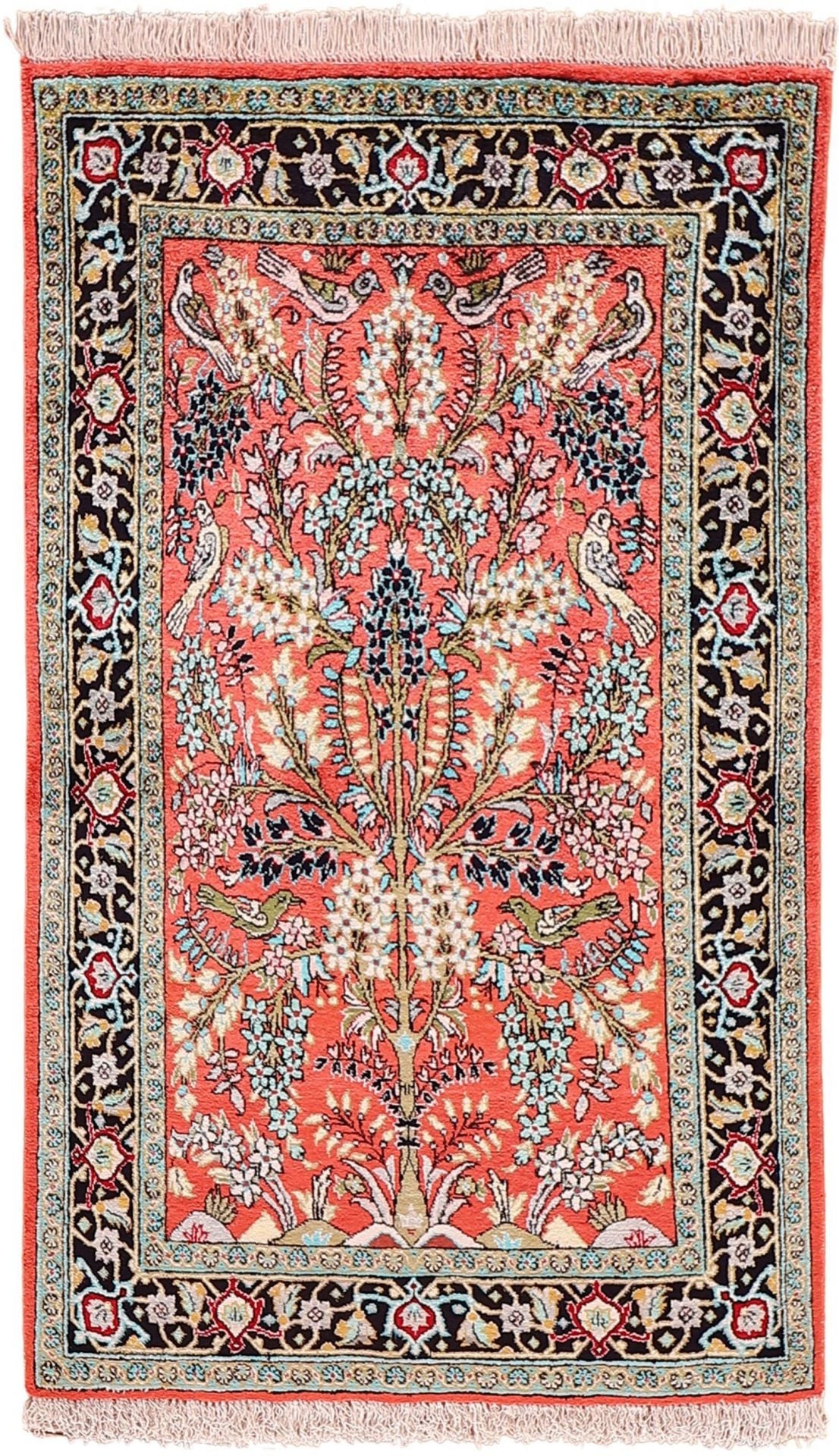
Another aspect that makes Uzbek carpets unique is the use of natural dyes. These traditional colors come from plants, minerals, and even insects. The color combinations are often vibrant and symbolic, reflecting the culture and geography of the region. Popular colors include deep red, blue, green, and gold, which are often combined with intricate patterns.
designs and patterns
Geometric and floral motifs
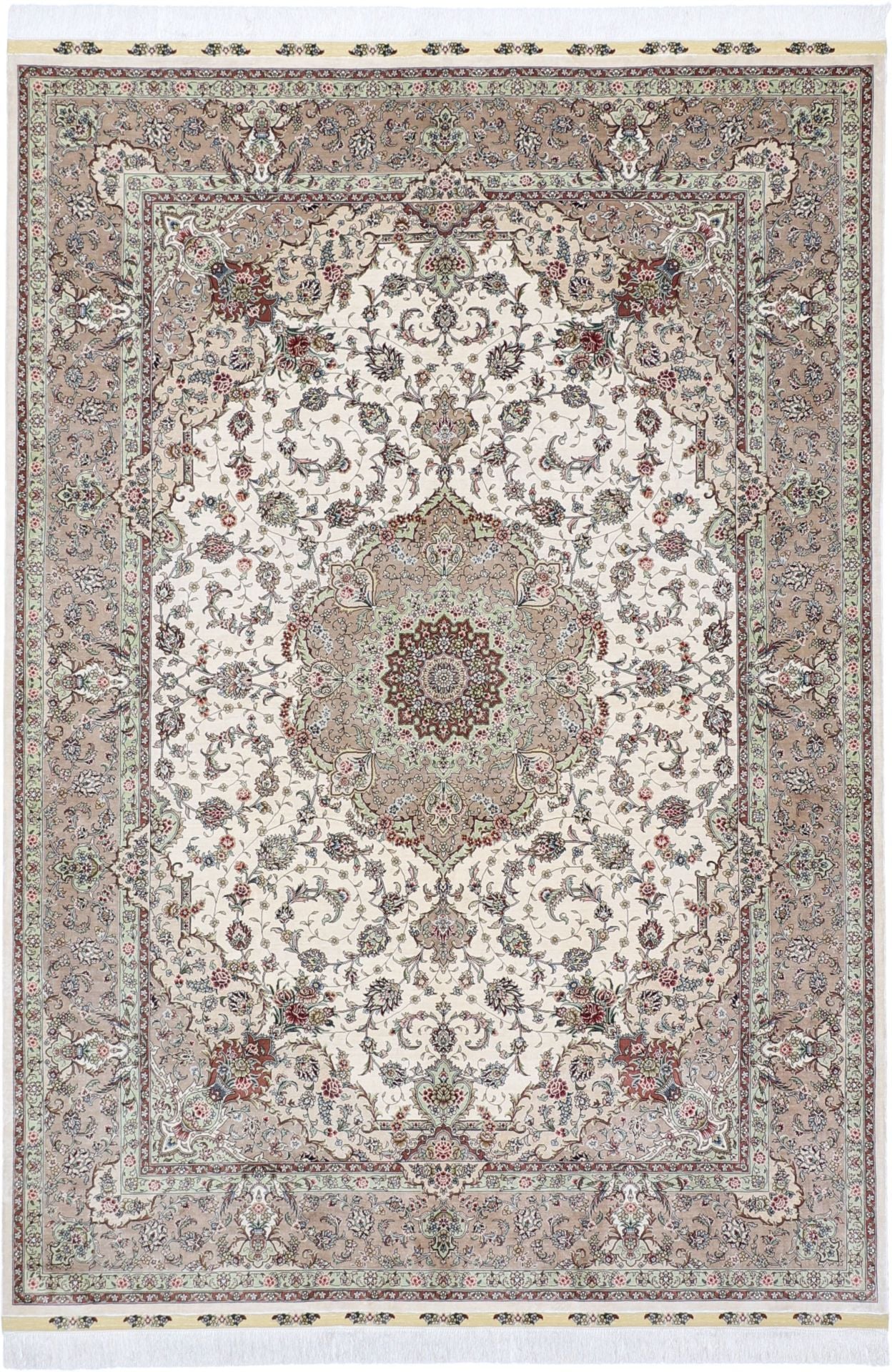
Uzbek carpets are known for their striking designs, which often incorporate geometric and floral motifs. Geometric patterns reflect the influence of Islamic art and architecture, while floral designs represent the lush natural beauty of Uzbekistan. These motifs have deeper symbolic meanings, such as fertility, good luck, and a connection to nature.
Regional Variants
There are various regional styles in Uzbekistan that differ in color, pattern, and technique. For example, the carpets from the Samarkand-region is known for its bright colors and complex patterns, while carpets from the Bukhara region often feature earthy tones and simpler designs that exude a quiet elegance.
Carpets in a modern context
Interior design and furnishing
Uzbek rugs are gaining increasing popularity in modern interior design. They blend effortlessly into various interior styles while simultaneously bringing a touch of culture and history into the rooms. Whether in a minimalist Scandinavian setting or a classic, elegant space, an Uzbek rug can be the centerpiece of a room.
Sustainability and craftsmanship
The revival of traditional craftsmanship has led to increased interest in handmade carpets. At a time when sustainability and ethical production are becoming increasingly important, Uzbek carpets offer an environmentally friendly alternative to machine-made carpets. Each piece is unique and tells the story of the artisan who made it.
Investing in art
Artful Uzbek rugs are not only practical furnishings but also valuable investments. They increase in value over time and, if well cared for, can be considered assets. Antiques and unique pieces are particularly sought after and can fetch high prices on the market.
Care and maintenance of carpets
Cleaning
Caring for Uzbek carpets requires special care. Regular vacuuming is essential to remove dirt and dust particles that can become trapped in the fibers. When cleaning, care should be taken to avoid using chemical cleaners that could damage the colors and material. For stubborn stains, it is advisable to seek professional help.
light and temperature
Another crucial aspect of carpet care is avoiding direct sunlight. UV rays can bleach colors and weaken the material. Carpets should also be stored in a room with stable temperature and humidity to avoid warping and damage.
Professional cleaning
It's recommended to consider professional carpet cleaning every few years. Experts can use deeper cleaning methods and condition the carpets, which can significantly extend their lifespan.
Final section
Uzbek carpet art is a fascinating interplay of tradition, culture, and craftsmanship that comes alive in every piece. These carpets tell stories of generations and reflect the beauty of Uzbek nature and culture. Whether for personal use or as a valuable investment, choosing an Uzbek carpet enriches not only your home but also your life.
Purchasing a hand-knotted Uzbek rug is not just an aesthetic choice, but also a conscious decision to bring a piece of culture and history into your home. Be inspired by the variety, colors, and designs and discover the beauty of traditional craftsmanship.
FAQ
1. How do I recognize an authentic Uzbek carpet?
Authentic Uzbek rugs are characterized by their high knot density, the use of natural materials such as wool and silk, and adherence to traditional designs and patterns. Pay attention to details such as the knotting technique and the quality of the colors.
2. How do I properly care for my Uzbek carpet?
To extend the life of your carpet, vacuum it regularly, avoid direct sunlight, and seek professional cleaning services when necessary. Stains should be treated immediately with a damp cloth, avoiding harsh chemicals.
3. What sizes of Uzbek carpets are available?
Uzbek rugs are available in a variety of sizes to suit different needs. From small runners to medium-sized rugs to large area rugs, the selection is diverse. When choosing, consider the dimensions of your room to find the ideal rug.