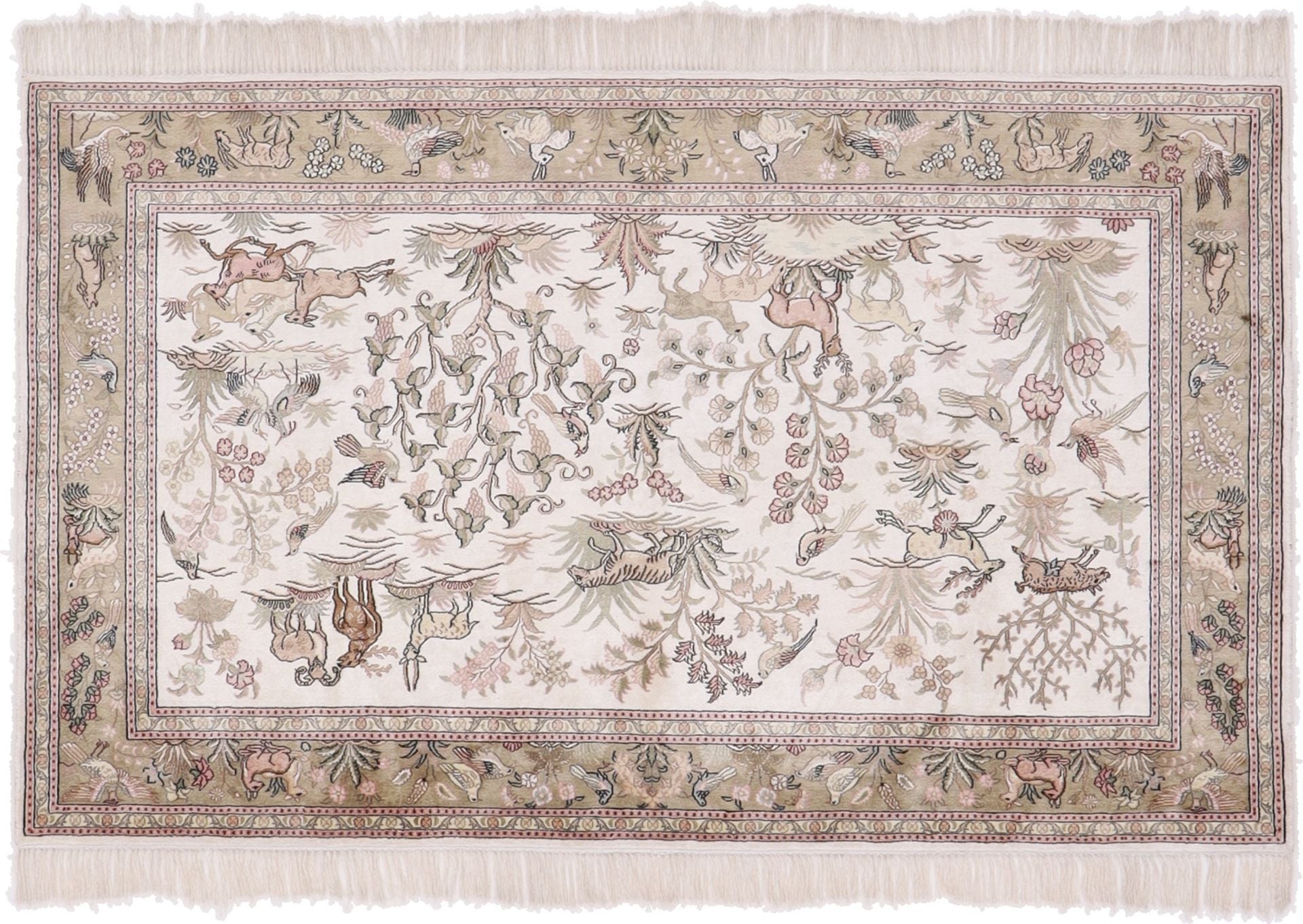
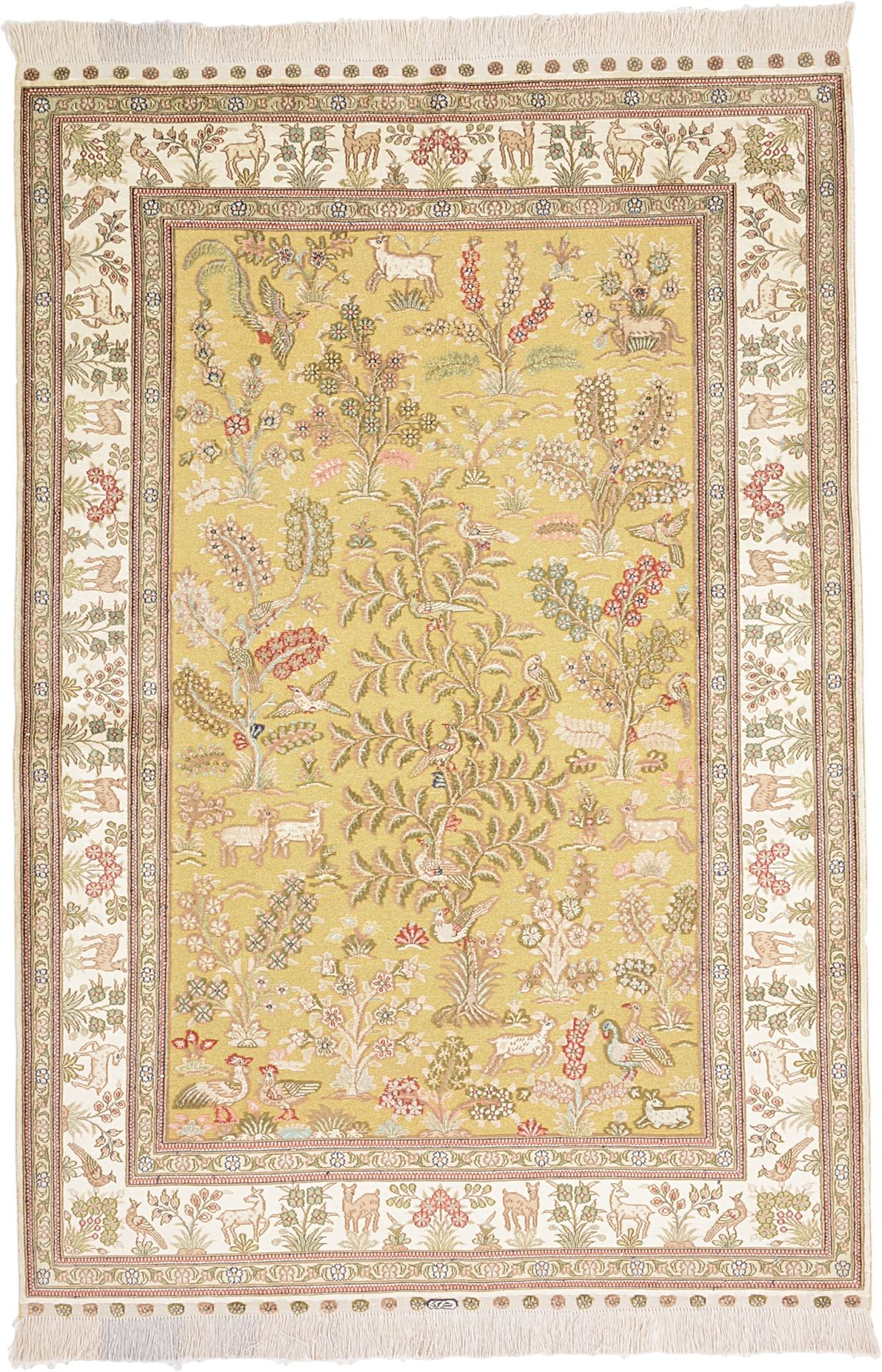
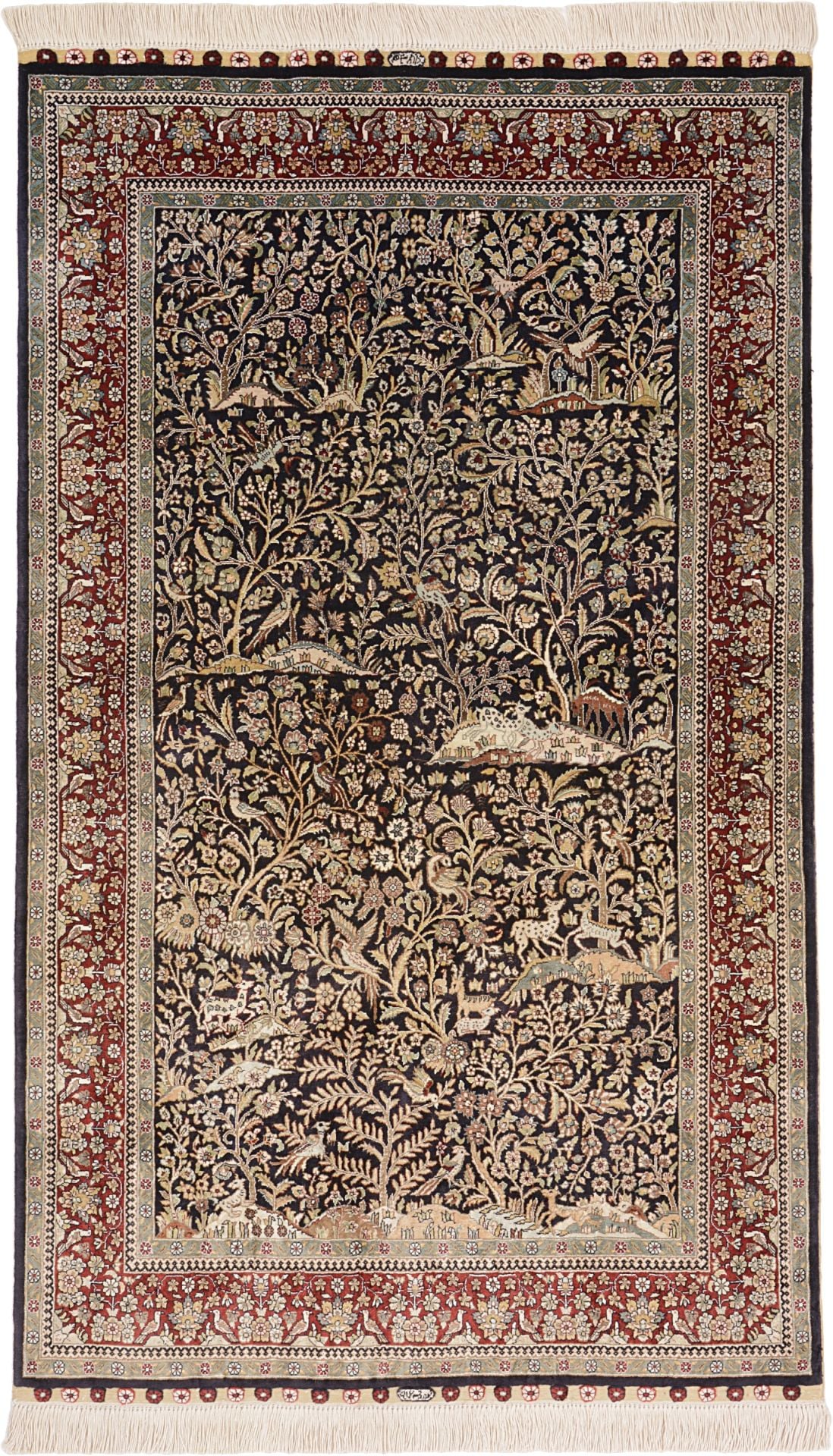
“The Art of Turkish Carpets: Tradition, Beauty and Craftsmanship”
Carpets: Tradition, beauty and craftsmanship
Carpets are far more than just floor coverings; they are an expression of culture, history, and art. Turkish carpets, in particular, enjoy an outstanding reputation worldwide thanks to their intricate designs, vibrant colors, and centuries-old craftsmanship. In this article, we will explore the various aspects of carpet art, from its history, materials, and techniques to its cultural influences and modern applications.
History of carpet art
The history of carpet weaving dates back to ancient times. It is believed that the first carpets were made by nomadic peoples in Central Asia over 2500 years ago. These early carpets were often functional, serving as insulating layers in tents. Over time, the art of carpet weaving evolved, especially in regions such as Persia, Anatolia, and the Caucasus.
The beginnings in Central Asia
The roots of carpet art lie in ancient Central Asia, where nomadic peoples first wove carpets. These early carpets were often made of natural materials such as sheep's wool and goat's hair and featured simple geometric patterns. The function of these carpets was primarily functional: they were intended to provide warmth and protect the floor.
Influence of the Ottoman era
With the rise of the Ottoman Empire from the 14th to the 20th century, carpet weaving experienced a golden age in Turkey. The Ottoman sultanates promoted the art of carpet knotting and invited artists and craftsmen to utilize the finest materials and techniques. Many of today's most famous carpet designs, such as the "Oushak" or "Hereke".
Materials and techniques
The quality of carpets depends largely on the materials and techniques used in their production. Traditionally, carpets are made of wool, silk, or cotton—each with its own characteristics and advantages.
Wool
Wool is the most commonly used material for traditional rugs. It is durable, warm, and has natural elasticity, which prevents the rug from deforming. Wool also dyes easily, allowing for a variety of colors and patterns.
Silk
Silk is often used for high-quality carpets. It gives the carpet a luxurious sheen and fine texture. However, silk carpets are more delicate and require special care. They are often a symbol of high prestige and wealth.
Cotton
Cotton is often used as a base for carpets. It is less expensive than wool or silk and is often used for models with more complex patterns. Cotton carpets are durable and easy to clean.
The art of knotting
Carpet weaving is a highly specialized art form that requires years of training and experience. The process involves several steps, from preparing the materials to the finishing touches.
Preparing the wool
Before the wool can be used, it is washed, dyed, and carded to bring it into the correct shape for knotting. Natural dyes from plants and minerals are used in the dyeing process, giving the rugs their characteristic colors.
The knotting
The knotting itself is done in elaborate patterns that often carry complex meanings and symbols. Craftsmen use the so-called "Turkish knotting system," which produces a dense and sturdy rug. The knotting process can take weeks to months, depending on the size and complexity of the design.
Finishing
After knotting, the rug is washed and the edges are secured. The final step often involves giving the rug a special treatment to fix the colors and make it more durable.
Cultural influences
Turkish carpets are not just artisanal products; they also reflect the social and cultural dynamics of the regions in which they are produced. Each pattern tells its own story and represents local traditions.
Symbolism in the patterns
The patterns are often symbolic and reflect the region from which the rug originates. Many rugs contain geometric shapes, floral patterns, or even stylized depictions of animals. These designs are often inspired by the environment and the lifestyles of the people.
Carpets as part of life
In Turkey and many other countries, carpets are not just decorative elements but also an integral part of the household. They are used on special occasions, be it weddings or holidays, and are often associated with cultural rituals.
The modern use of carpets
Today, rugs have transformed not only into functional home accessories but also into modern design. They blend seamlessly into contemporary spaces and contribute to their aesthetic appeal.
Carpets as a design element
Modern Designer They utilize traditional carpet craftsmanship and reinterpret it for contemporary interiors. These carpets can be either traditional or modern, with many... Designer Experiment with colors, textures, and patterns.
Sustainability and craftsmanship
More and more consumers are placing value on sustainability and ethics. Handcrafted rugs from fair trade sources are gaining popularity because they are not only beautiful but also contribute to the preservation of centuries-old traditions and craftsmanship.
Care and cleaning of carpets
Proper care is crucial for carpets to maintain their beauty and longevity. Regular cleaning and maintenance are necessary to prevent stains and wear.
Regular cleaning
Regular vacuuming is important to remove dirt and dust that can become trapped in the fibers. Depending on the material, carpets can also be professionally cleaned at specific intervals.
Stain treatment
Stains should be treated as quickly as possible to avoid permanent damage. It's important to use the right cleaning products, as harsh chemicals can damage the colors and texture of the carpet.
Conclusion
Carpets are much more than just decorative objects; they are works of art that combine tradition, culture, and craftsmanship. The fascination with Turkish carpets lies not only in their beauty, but also in the history and craftsmanship behind each individual piece. Whether you're looking for a classic or modern carpet, the selection and possibilities are virtually endless.
FAQ
1. How do you recognize the quality of a carpet?
The quality of a carpet can be judged by several factors, including the materials used (wool, silk, cotton), knot density, and the complexity of the design.
2. How do I best care for my carpet?
Regular vacuuming is important to remove dirt. Stains should be treated promptly, and professional cleaning can help extend the life of the carpet.
3. Are hand-knotted carpets expensive?
Hand-knotted rugs can be expensive because they require considerable time and skill. Prices vary depending on size, material, and design, but they often offer an unmatched level of quality and uniqueness.