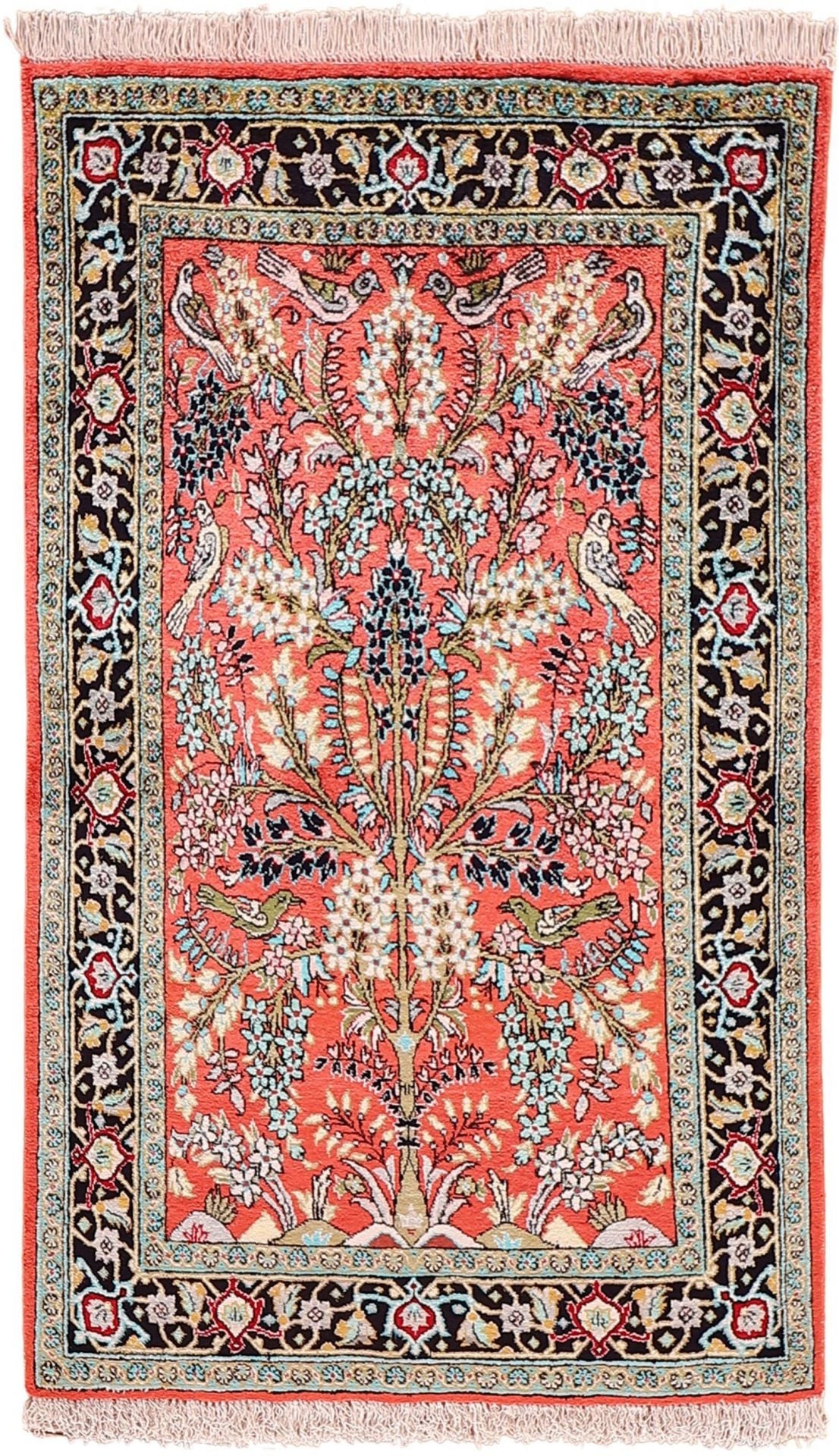
The Art of Tradition: Chinese Silk Carpets – A Masterpiece of Handcrafted Production
Carpets: The art and tradition of Chinese silk carpets
Introduction
Carpets have always played a central role in interior design and are not only practical floor coverings but also works of art that tell stories. Chinese silk carpets, in particular, are masterpieces of craftsmanship. Their beauty, attention to detail, and cultural context make them truly special. In this article, we will explore the history, production, cultural significance, and care and selection of Chinese silk carpets.
The history of Chinese silk carpets
The beginnings of carpet art in China
Carpet art has a long history in China, dating back to the Tang Dynasty (618-907 AD). During this period, artisans began weaving carpets from wool and later also from silk. Silk, in particular, was already valued as a valuable material in ancient times. Weaving techniques were passed down and refined from generation to generation. Among the most important regions for carpet production in China were Southeast China and Jiangsu Province, where the city of Suzhou, in particular, became famous for its silk carpets.
The heyday of silk carpet production
The true heyday of Chinese silk carpet art fell during the Ming Dynasty (1368-1644) and the Qing Dynasty (1644-1912). During this period, carpets were produced not only for the domestic market but also for export. Chinese silk carpets found their way into the palaces and residences of the European aristocracy. Their intricate patterns and vibrant colors were a sign of wealth and cultural taste.
The handcrafted production
Materials and techniques
The production of a Chinese silk carpet is an extremely time-consuming process that requires skill, patience, and creativity. The silk used for these carpets is obtained from the cocoons of the silkworm and is considered one of the most valuable natural materials. The lustrous texture and depth of color of the silk give these carpets an incomparable beauty.
In the traditional manufacturing process, rugs are usually made on handlooms. The weaving technique, which requires specialized knots, has a significant influence on the final product. During production, the rug is handcrafted, meaning every fiber and pattern is carefully placed. This creates a unique work of art that can often take several months or even years to complete.
patterns and designs
Another notable feature of Chinese silk carpets is their exquisite patterns and designs. These often reflect cultural and religious symbolism. Popular motifs include dragons, peacocks, and floral patterns, which represent good luck, prosperity, and beauty in Chinese culture. Each image tells a story and is often associated with a specific meaning, making the carpets not just decorative objects but also cultural heritage.
cultural significance
Symbolism of the carpets
Chinese silk carpets are often used in a ceremonial context. They can be found in temples, palaces, and also in the everyday lives of many people. Owning such a carpet often goes beyond purely aesthetic value; it is a status symbol and a sign of cultural heritage.
The role in modern China
Silk carpets have also retained their place in modern China. They are often incorporated into contemporary construction projects to preserve traditional elements in modern residential and commercial spaces. The combination of timeless elegance and modern design elements makes Chinese silk carpets a sought-after furnishing item.
Care and maintenance of silk carpets
cleaning Tips
Proper care is crucial to preserving the beauty and quality of a silk carpet. Here are some cleaning and care tips:
Regular vacuuming : Use a vacuum cleaner with a soft brush attachment to remove dust and dirt without damaging the fibers.
Treat stains immediately : It is essential to act immediately when stains occur. Gently dab the stain with a damp cloth – do not rub, as this can damage the fibers.
- Professional cleaningHave your silk carpet professionally cleaned every few years. This ensures that the colors remain vibrant and the texture of the carpet is not damaged.
Storage
Proper storage is also important. Store the rug in a cool, dry place and avoid direct sunlight to prevent discoloration. Roll up the rug and store it in a cloth bag to protect it from dust and dirt.
Choosing the right carpet
Questions you should ask yourself
Choosing a silk carpet is an important decision and should be carefully considered. Here are some questions to help you choose:
Which pattern appeals to you? Consider which patterns and colors would suit your decor.
How much use will the rug receive? Consider whether the rug is intended primarily for decoration or for heavy wear. High-quality silk rugs are generally better suited for less frequently used rooms.
- What budget do you have? Silk carpets are often expensive, so it is important to set a budget before you go shopping.
Where to buy
These days, there are many ways to acquire high-quality silk carpets. From specialized carpet dealers to online stores to arts and crafts fairs—the selection is vast. Before purchasing, be sure to research the carpet's origin and quality. It's advisable to pay attention to certificates and guarantees.
Final section
Chinese silk carpets are far more than just decorative floor coverings. They are an expression of artistry, deeply rooted in culture, and have a history that stretches back centuries. Through their impressive craftsmanship and descriptive symbolism, they have found their place in the world of interior design. When you incorporate a silk carpet into your space, you are investing not only in a piece of furniture, but also in a significant piece of culture and history. Awareness of the care and proper selection of this work of art will help you enjoy its beauty for a long time to come.
FAQ - Frequently Asked Questions
1. How much does a Chinese silk carpet cost?
Prices for Chinese silk rugs can vary greatly depending on size, design, and quality of workmanship. Cheaper models can start at around €200, while high-quality handwoven rugs can cost several thousand euros.
2. How long does a silk carpet last?
With proper care and maintenance, a high-quality silk carpet can last for decades. Make sure to clean it regularly and protect it from sun and moisture.
3. Are there environmentally friendly options when purchasing silk carpets?
Yes, there are manufacturers who specialize in sustainable and environmentally friendly carpet production methods. When purchasing, look for certificates confirming sustainable practices.