The Art of Carpet Weaving: Secrets and Traditions of Tibetan Carpets
Carpets: art, tradition and passion
Introduction: The fascination of carpets
Carpets are more than just decorative objects; they carry stories and traditions that transcend generations. Particularly noteworthy are the carpets from Tibet, whose production represents a centuries-old art. In this article, we delve deep into the world of carpet weaving and discover the secrets and traditions inherent in Tibetan carpets. We explain the different types of carpets, the materials used, the manufacturing techniques, and the cultural significance they have in society.
The history of carpet weaving
Origin of carpet weaving
The art of carpet weaving has its roots in ancient times. It is believed that the first carpets originated in Central Asia over 2500 years ago. These early carpets were often simply designed and served primarily practical purposes, such as protecting the floor in nomadic tents. Over time, techniques evolved, and the carpets became increasingly more elaborate.
The Tibetan carpet tradition
Carpet weaving in Tibet is a remarkable part of the region's cultural identity. The tradition dates back to the 5th century, when Buddhist monks began weaving carpets to decorate their monasteries and illustrate the teachings of the Buddha. These early carpets were not only functional but also spiritually charged, often incorporating symbolic motifs.
Materials and techniques
Wool: The main material
A key characteristic of Tibetan rugs is the material used. The traditional wool, obtained from Himalayan sheep, is of exceptional quality. The wool is characterized by its softness and durability, making it ideal for rug making. This wool undergoes several steps before processing, including washing, dyeing, and combing, to ensure the highest quality.
Silk and the fine carpets
In addition to wool, silk is also used in Tibetan carpet weaving. Silk carpets are known for their brilliant colors and fineness. They are often used for ceremonial purposes and adorn the walls of temples and monasteries. The manufacturing process is complex and requires the utmost precision and skilled hands.
Weaving techniques: knotting technique
Knotting is a fundamental element of carpet weaving. Two main types of knots are used in Tibet: the Ghiordes knot and the Senna knot. The Ghiordes knot is particularly robust and is used for durable carpets, while the Senna knot is used for finer, more detailed designs. Mastering these techniques requires years of training and experience.
color and pattern
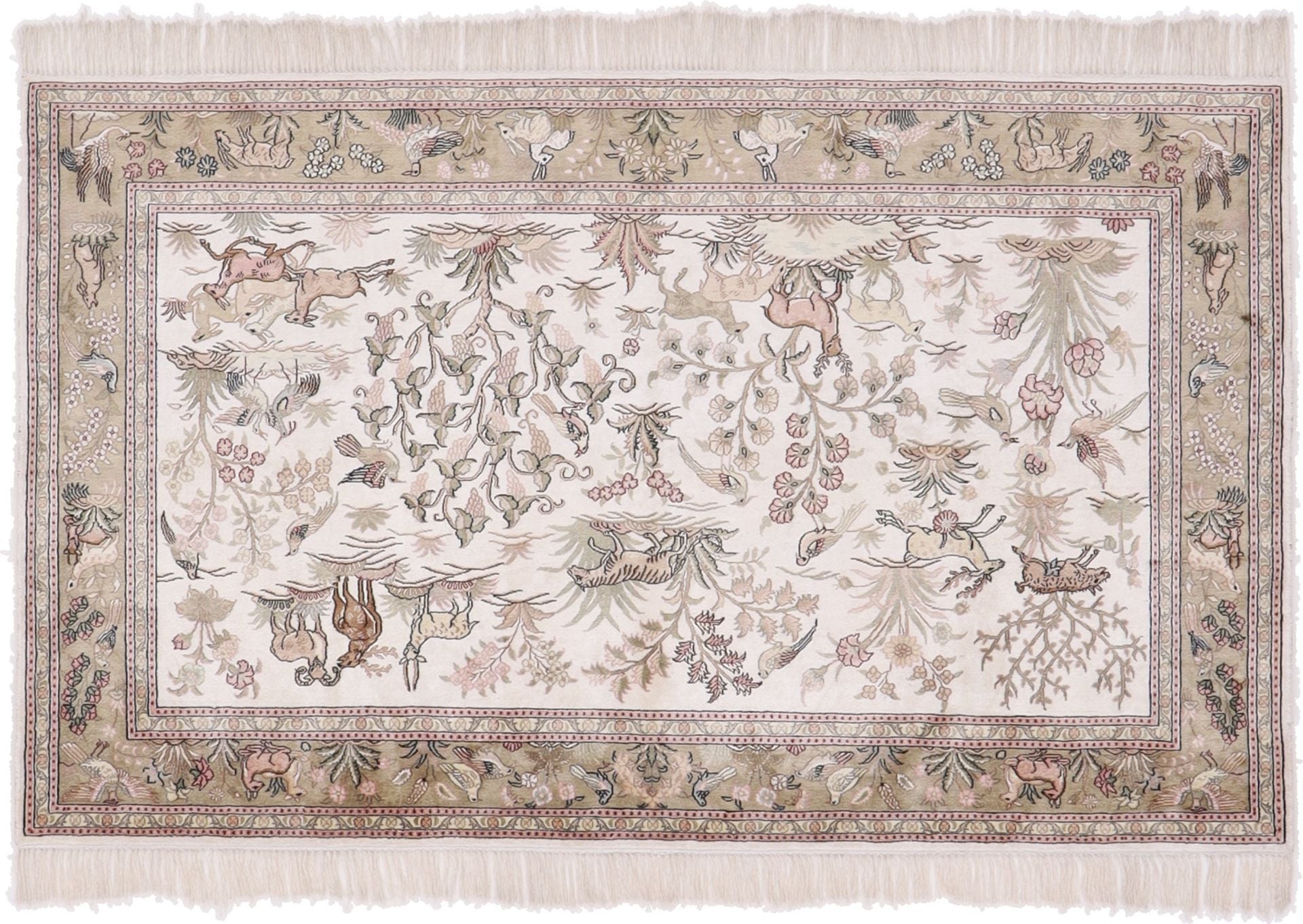
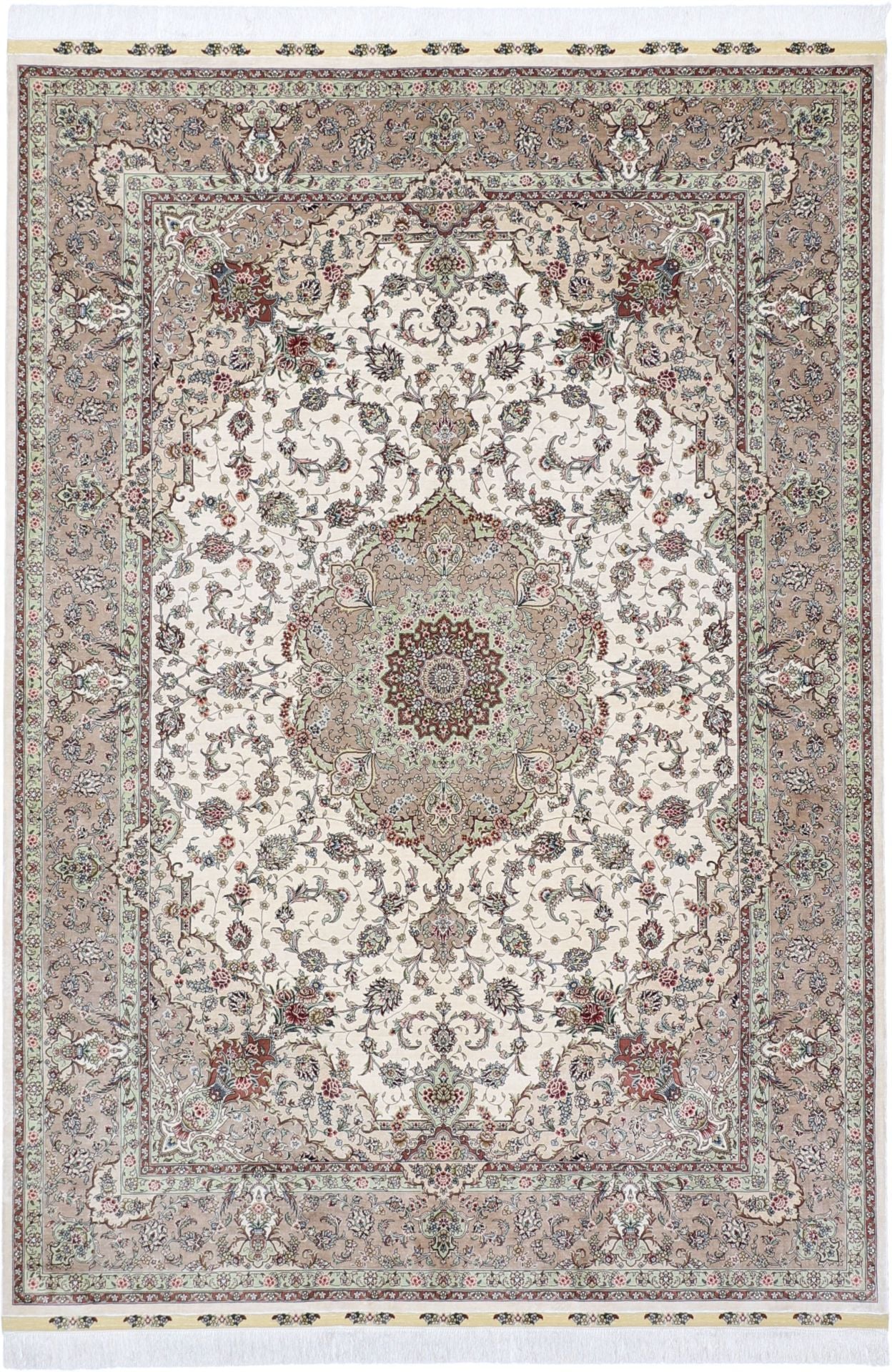
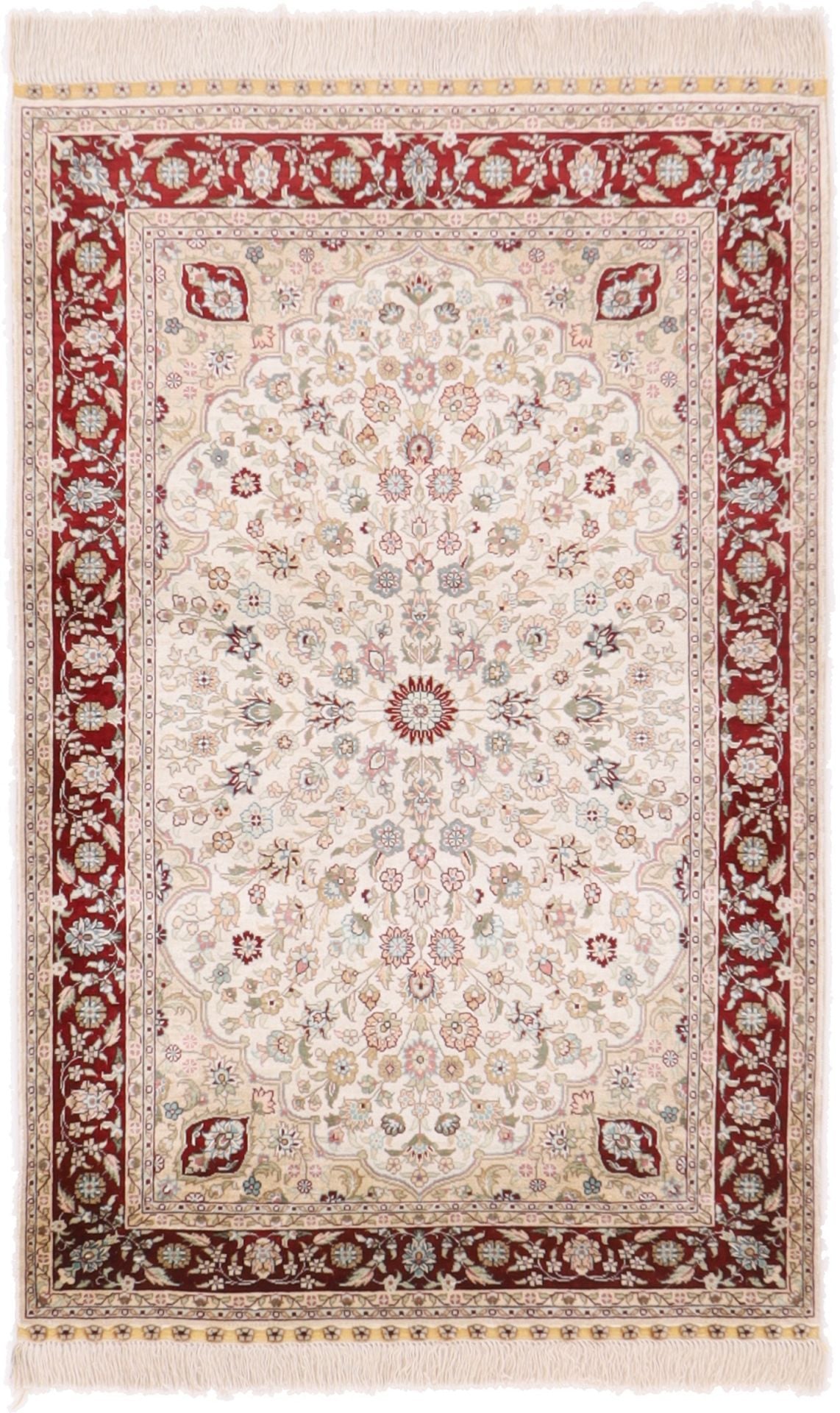
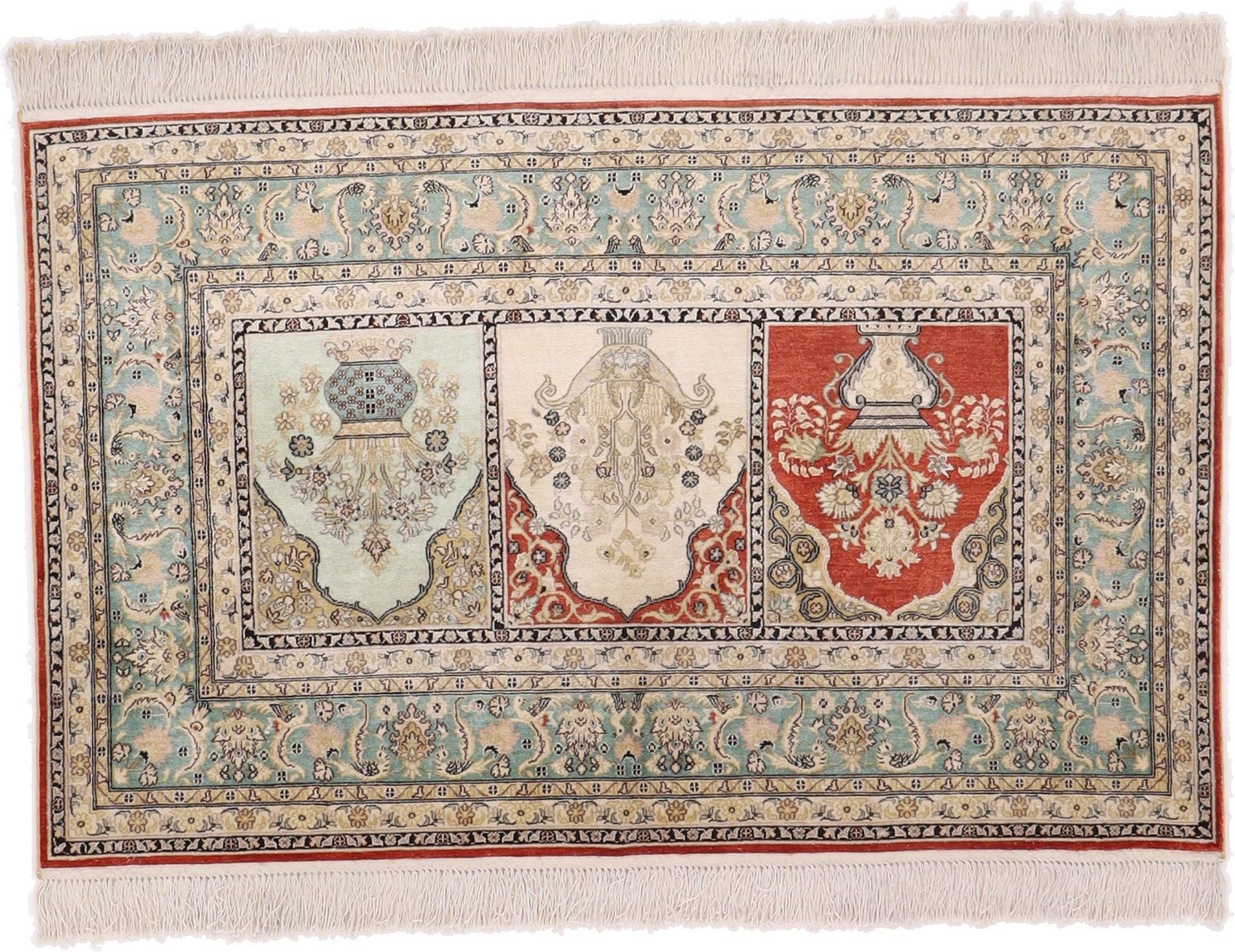
Tibetan rugs are known for their vibrant colors and intricate patterns. The colors are traditionally derived from plants and minerals found in the area. The patterns range from floral designs to geometric shapes to spiritual symbols deeply rooted in Tibetan culture. Each design tells a distinct story or symbolizes specific qualities and beliefs.
The cultural significance of Tibetan carpets
Spiritual and symbolic aspects
Carpets play an important role in Tibetan culture. They are often used in religious ceremonies and reflect people's spiritual beliefs. Certain patterns and colors have deeper meaning and are connected to Tibetan mythology. For example, the color red represents happiness and purity, while blue symbolizes freedom and heaven.
The influence of the environment
The harsh climatic conditions of the Himalayas influence the way carpets are made. Weaving often takes place in high mountain areas, where the air is thin and temperatures fluctuate dramatically. These conditions have taught artisans to use available resources and materials efficiently, leading to sustainable production methods.
The role of women
Women play a central role in Tibetan carpet weaving. They are often the main actors in the production process, from dyeing the wool to weaving the carpets. For many women, this work is not only a source of income but also a way to preserve and pass on their cultural traditions. Carpet weaving is often passed down from generation to generation.
The process of carpet making
From wool to carpet
Carpet production begins with sheep haying, followed by washing the wool to remove dirt and grease. After drying, the wool is dyed—a process that can often take several days to achieve the desired shades. Once the wool is prepared, it is combed and spun into thread.
Weaving
The weaving itself takes place on a loom specially designed for rug making. The knots are tied with meticulous precision by skilled artisans, creating the pattern piece by piece. The average time for producing a rug is several months, depending on the complexity of the design.
Finishing and quality control
After weaving, the rug is thoroughly cleaned and undergoes quality control to ensure it meets high standards. The rugs are then dried and carefully packaged before being exported worldwide. Finishing is crucial to ensuring the longevity and beauty of the rugs.
Care and maintenance of carpets
Cleaning and care
To preserve the beauty and longevity of your carpets, it's important to clean them regularly. Vacuuming is an easy way to remove dirt and dust from the surface. Heavier soiling should be removed immediately to avoid staining. If necessary, it's a good idea to hire a professional carpet cleaner.
Storage:
When rugs are no longer needed, proper storage is crucial. They should be stored in a dry, cool room to prevent mold and pests. Rolling the rug rather than folding it is recommended to avoid creases and damage.
Repair
Over time, carpets can wear out or become damaged. There are specialized craftsmen who specialize in carpet repair and restoration. Damaged areas can often be repaired without compromising the integrity of the entire carpet.
Final section: Carpets as cultural heritage
Tibetan rugs are more than just decorative elements; they are works of art crafted with love, dedication, and tradition. Each rug tells its own story and brings the rich culture of Tibet into the home. They are not only an expression of aesthetic beauty, but also an appreciation for craftsmanship and cultural heritage. By purchasing a Tibetan rug, you not only support the art and craft tradition, but also support the communities that create these wonderful pieces.
FAQ section
1. How do I recognize the quality of a Tibetan carpet?
The quality of a Tibetan rug can be assessed based on several factors: the density of the knots, the materials used (usually high-quality wool or silk), the precision of the color matching, and the cleanliness of the workmanship are crucial. A high-quality rug should have no loose threads and a clearly defined pattern.
2. How do I properly care for my carpet?
To ensure the longevity of your carpet, vacuum it regularly and remove any heavy soiling. Avoid direct sunlight to prevent color fading, and clean stains immediately with a damp cloth. For more extensive damage, it's best to consult a professional carpet cleaner.
3. Can I use a Tibetan rug in a modern home?
Yes, Tibetan rugs fit perfectly into modern living spaces. Their unique patterns and colors can create contrast while simultaneously creating a warm, inviting atmosphere. The timeless beauty of these rugs makes them inviting elements in any room, regardless of the decor style.