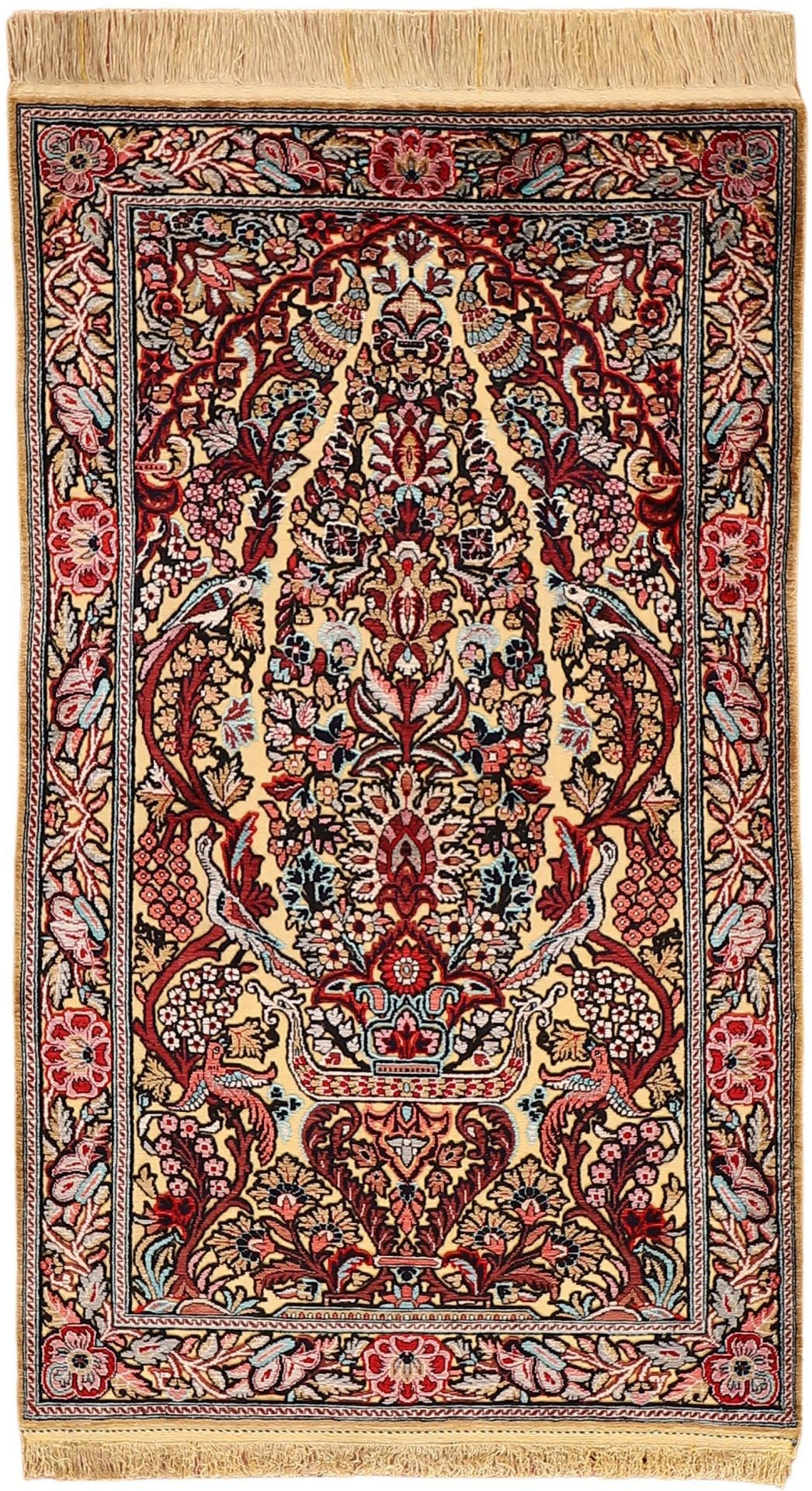
The art of the carpet wall: A creative accent for your home
Carpets: The art of the carpet wall – A creative accent for your home
Rugs are far more than just practical floor coverings. They are an expression of style, personality, and creativity. A rug can serve as a central decorative element and create harmonious accents. One of the most innovative trends in home decor is the rug wall. In this comprehensive article, we will explore the diverse aspects of rugs, including their history, material selection, designs, care, and the exciting possibility of using rugs as wall art.
1. History of carpets
Carpets have a long and fascinating history, dating back more than 2.500 years. Originally, they were practical, providing warmth in cold climates. The oldest known carpets date back to ancient Persia and were found in the region that is now Afghanistan. These carpets were hand-knotted and often decorated with traditional designs that had cultural or religious significance.
Over the centuries, carpets have become works of art in many cultures around the world, including China, India, and the Earth. They were used not only as floor coverings but also as wall hangings, decorating rooms and conveying a sense of luxury and elegance.
2. Materials for carpets
The choice of material is crucial to the look, feel, and longevity of a rug. Here are some of the most common materials used in rug manufacturing:
2.1 Wool
Wool is one of the most traditional materials for carpets. It is durable, colorfast, and has a natural ability to repel dirt. Wool feels warm and soft and is ideal for use in living spaces. Wool is also often used for handmade carpets, which increases their quality and exclusivity.
2.2% cotton
Cotton is a lightweight and breathable material often used for indoor rugs. It's particularly easy to care for and works well for deep-pile or woven carpets. Cotton rugs are also available in a wide variety of colors and patterns.
2.3 Synthetic materials
Synthetic rugs made of polypropylene, nylon, or polyester are popular alternatives due to their durability and ease of care. These materials are often affordable and available in a wide range of designs. They are especially popular in high-traffic areas such as hallways and offices.
2.4 Silk
Silk rugs are extremely luxurious and characterized by their unique luster. They are often available in ornate patterns and designs. However, silk rugs are also more delicate and require special care.
3. Design and styles
The variety of designs and styles has made rugs fascinating design elements. Here are some of the most common rug styles:
3.1 Oriental carpets
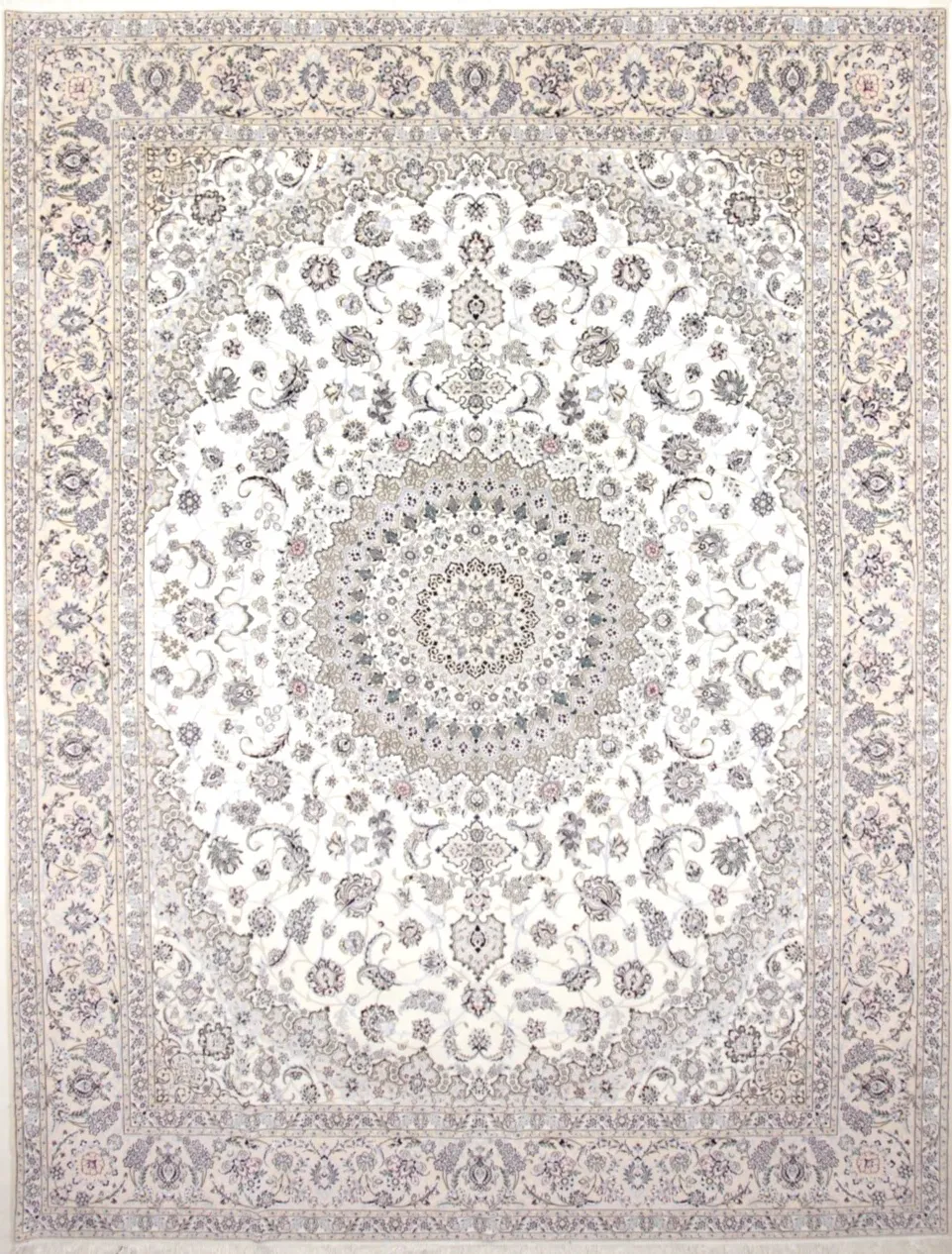
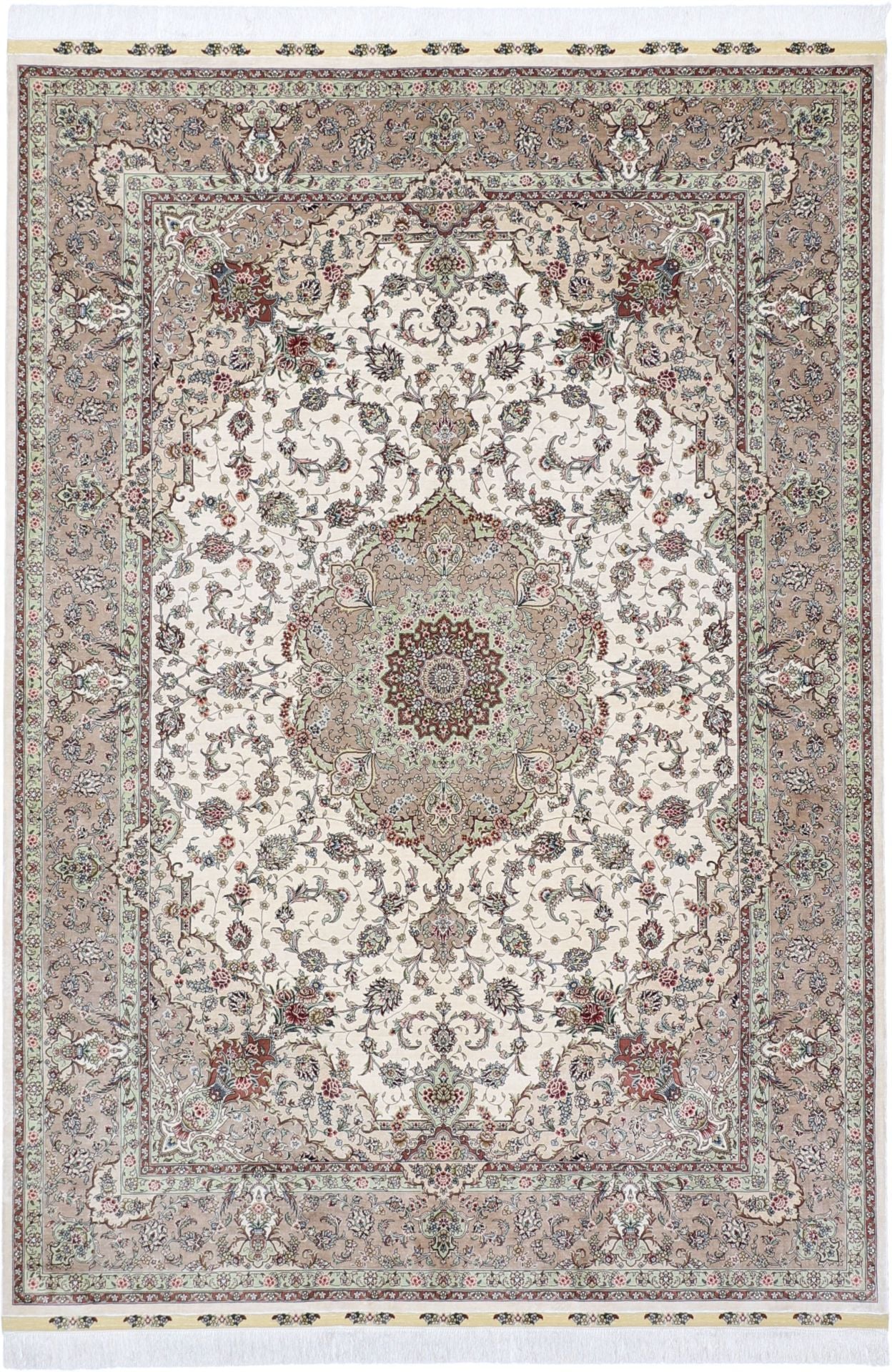
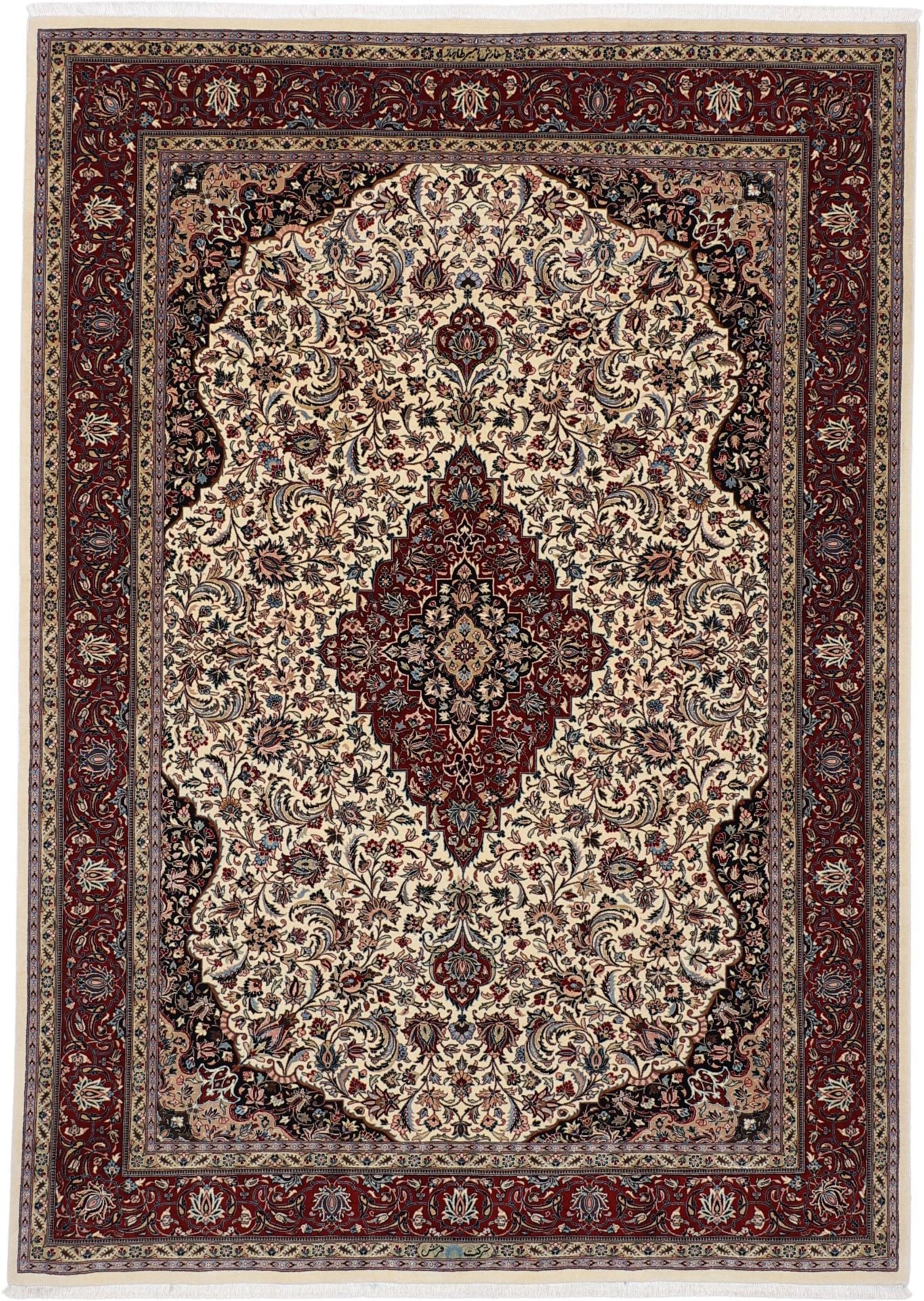
Oriental rugs are known for their intricate patterns and vibrant colors. These hand-knotted works of art often originate from countries like Persia, India, and Turkey. They add character and warmth to any room.
3.2 Modern carpets
Modern rugs are simple and minimalist, often featuring geometric patterns or solid colors. They fit perfectly into contemporary spaces and can be used as stylish accents in interiors.
3.3 Boho rugs
The Bohemian style is characterized by a mix of colors, patterns, and textures. Boho rugs bring a sense of coziness and playfulness to any room. They can be perfectly combined with other design elements.
3.4 Vintage-carpets
VintageCarpets are a nostalgic choice and bring history to a room. These carpets are iconic for their intentional signs of wear and faded colors, representing the charm of bygone eras.
3.5 Carpet walls
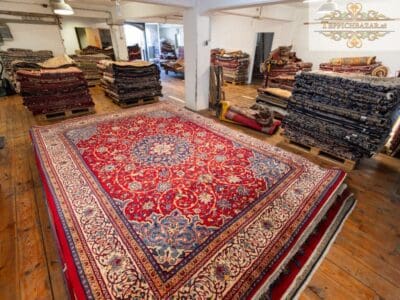
The creative use of rugs as wall art has gained momentum in recent years. Carpet walls add depth and character to a room. Not only are they aesthetically pleasing, they also provide soundproofing and warmth. Imagine walking into a room whose walls are covered in colorful, patterned rugs—a focal point sure to spark conversation.
4. Care and cleaning of carpets
Proper care and cleaning are crucial for a carpet's longevity. Here are some care tips:
4.1 Regular vacuuming
To keep the carpet free of dirt and dust, it should be vacuumed regularly. This prevents dirt particles from settling in the fabric and damaging the fibers.
4.2 Stain treatment
Accidents happen, and stains are inevitable. When treating stains, use special carpet cleaners or mild soap to gently clean the affected areas. Avoid harsh chemicals, as they can damage the fibers.
4.3 Professional cleaning
Professional carpet cleaning is recommended every few years to ensure thorough cleaning and maintenance. Professional cleaners are familiar with different materials and can select the right method for your carpet.
5. Carpets in interior design
Carpets play a crucial role in interior design and can significantly influence the character of a room. Here are some ways they can be used as a design element:
5.1 Set color accents
A boldly colored rug can be an eye-catcher and add new dimension to a neutral room. Choose colors that complement existing furniture or create a beautiful contrast.
5.2 Creating zones
Rugs can be used to define different areas within a room. A large rug in the living room can define the living area, while a small rug can highlight a reading area.
5.3 Add texture
Different materials and textures can add depth and interest to a room. Combine different types of rugs to create an appealing texture.
5.4 Accentuate furniture
A rug can accentuate furniture groupings and provide a base for them. Position your furniture so that the front legs rest on the rug to create a harmonious overall look.
6. The carpet wall: A creative trend element
The carpet wall has established itself as an unusual trend. It offers numerous possibilities for creative design and can be implemented in a variety of ways:
6.1 Combining materials
By combining rugs of different materials, colors, and styles, you can create a harmonious composition. Add a touch of color by placing textured rugs next to smooth ones.
6.2 Using patterns and textiles
Patterns can create a strong visual impact. Experiment with different textures and surfaces to create an interesting play of colors that draws the eye. Carpet walls can also be combined with other wall decorations, such as pictures or shelves.
6.3 Creative arrangements
The way the rugs are arranged plays a crucial role. Experiment with different shapes, colors, and sizes. Use rugs that function as wall hangings, or ensure the edges are accurately trimmed for a clean finish.
Conclusion
Carpets are far more than just decorative elements; they express style and individuality and can be integrated into interior design in many creative ways. Carpet walls, in particular, open up new dimensions in interior design and offer a unique way to add character to rooms. Proper care, material selection, and creative design are crucial to unlocking your carpets' full potential. Whether as floor coverings or wall art, carpets are an essential part of every home and tell stories that last for generations.
FAQ section
1. How do I remove stains from my carpet?
Stain removal depends on the material and type of stain. General tips include:
- Act immediately: Wipe the stain as quickly as possible with a clean, dry cloth.
- Use cold water: Mix cold water with a mild detergent and test it on an inconspicuous area.
- Dab instead of rub: Dab the stain gently to avoid damaging the material.
2. How often should I have my carpet cleaned?
Professional cleaning is recommended every 1-2 years, depending on use and the type of carpet. High-traffic areas, such as hallways and living rooms, may require more frequent cleaning.
3. Can I hang a rug on the wall?
Yes, rugs can be used as wall decorations. Make sure the rug is properly secured to prevent it from falling off. Use special hooks or Velcro strips to securely hold it in place.