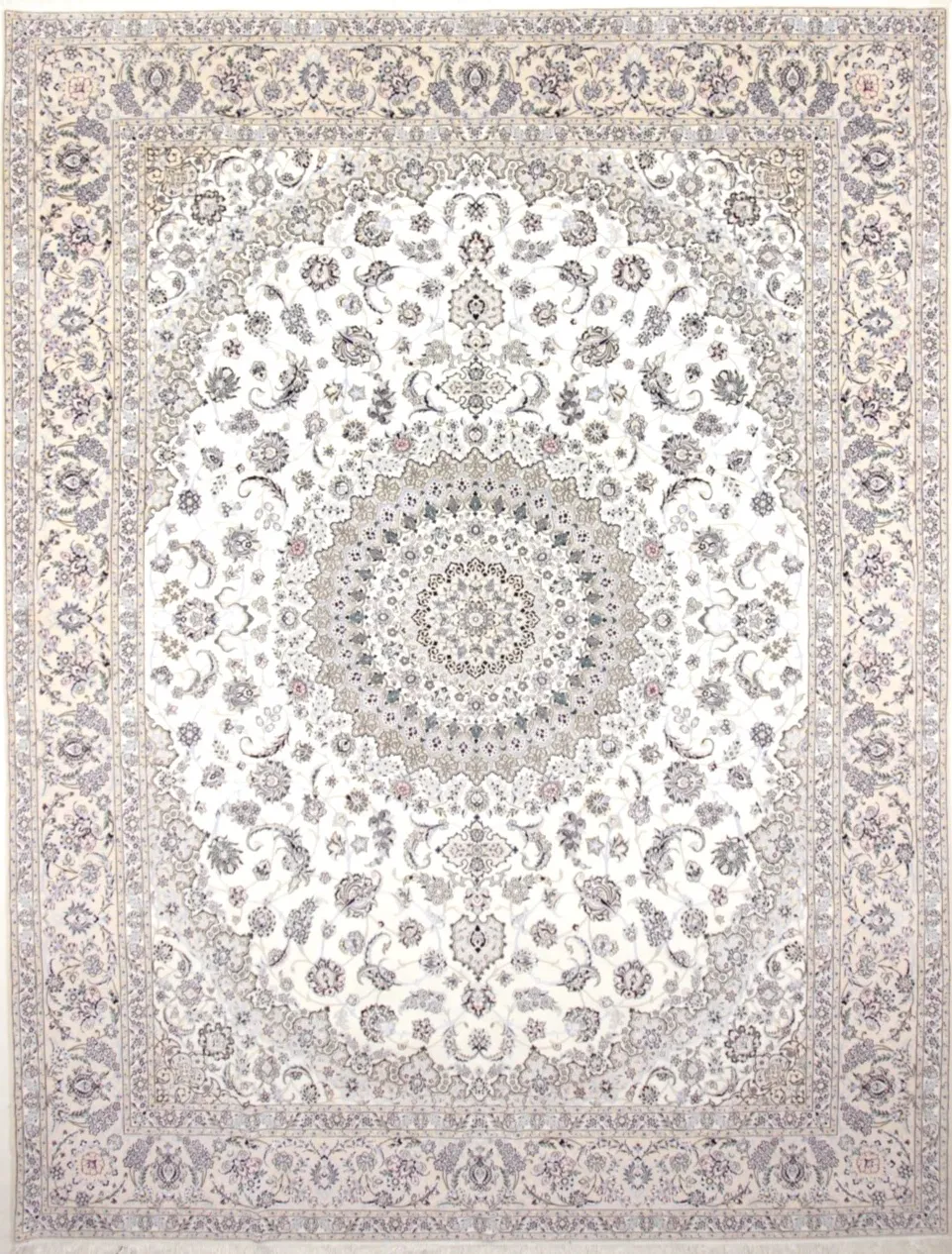
The art of carpet making: traditional techniques and modern innovations
Introduction: The fascination of carpet art
Carpet making is an art form that has evolved over millennia and plays a significant role in many cultures around the world. Carpets are not only functional objects, but also expressions of art, tradition, and identity. In this article, we explore the various aspects of carpet making—from traditional techniques to modern innovations that are revolutionizing the carpet market.
The history of carpet making
The art of carpet making has its roots in ancient times. More than 2.500 years ago, nomadic peoples in what is now Iran began producing intricately woven carpets. These early carpets served not only as floor protection but also as insulation in cold climates. The most famous carpet from this period is the "Pazyryk Carpet," discovered in a grave near the Altai Mountains in 1949.
Carpets quickly became a status symbol of wealth and taste, finding their way into the palaces of kings and the wealthy. Over the centuries, techniques and styles became more refined, with each region developing its own distinctive characteristics. Carpets from Persia, Turkey, India, and North Africa are known for their unique designs and exquisite craftsmanship.
Traditional techniques of carpet making
Knotting techniques
Knotting is the heart of carpet making. There are two main types of knots: the Persian (symmetrical) and the Turkish (unsymmetrical) knot.
Persian knots : These knots are symmetrical, allowing for finer designs and higher knot densities. This results in detailed motifs that often tell stories or symbolize meaning.
- Turkish knots: These knots are unsymmetrical and provide a more robust structure. Carpets made using this technique are often thicker and more durable.
Weaving techniques
After knotting, weaving follows, which involves various methods such as overlapping warp and weft threads. Various materials also play a role here:
Wool : Robust and heat-insulating, wool is the most commonly used material for traditional carpets.
- SilkSilk is often used for luxurious carpets used in palaces. It gives the carpets an unparalleled shine and softness.
Dyeing techniques
Dyeing is a crucial aspect of carpet art. Traditional carpet dyers use natural dyes from plants, animals, and minerals. Each region has its own specific colors and techniques:
Plant-based dyes : These dyes are derived from various plant extracts and offer a wide range of shades.
- Mineral colors: Less common, but often used for special carpets, these colors bring a special depth and luminosity.
Modern innovations in carpet manufacturing
Technological advances
Carpet manufacturing has made immense progress in recent decades thanks to modern technology. Machine-woven carpets have become very popular due to their efficiency and ability to reproduce complex designs.
Digital printing technologyDoes it allow DesignerIt is possible to apply complex patterns and colors directly to the material. This leads to faster production times and reduced material consumption.
- Computer-aided production: Computer-aided machines make traditional knotting techniques more efficient, increasing accuracy and speed.
Sustainability and environmentally friendly materials
Growing awareness of environmental issues has also influenced carpet manufacturing. More and more manufacturers are focusing on:
Recycled materials : Carpets made from recycled fibers or plastics are on the rise and reduce the ecological footprint.
- Sustainable wool production: Manufacturers are increasingly using wool from organic farming and paying attention to ethical production methods.
Carpets in interior design
Style and function
Rugs are an essential part of interior design. They add color, texture, and warmth to any room. When choosing the right rug, consider the following aspects:
Size : A rug should be in proportion to the size of the room. A rug that is too small can make a room feel cramped, while a rug that is too large can feel oppressive.
Color and pattern : Choosing the right colors and patterns depends on personal style and existing decor. Neutral colors are versatile, while bold patterns can add a striking accent.
- Material: The choice of material depends on the intended use. Wool is ideal for living spaces, while synthetic materials are advantageous in high-traffic areas.
Care and cleaning
Proper care contributes to the longevity of a carpet. Here are some tips:
Regular cleaning : Vacuuming should be done regularly to remove dirt and dust.
Stain removal : Immediate treatment of stains is important. Use mild cleaning agents and test them first on an inconspicuous area.
- Professional cleaning: For thorough cleaning and color restoration, a professional should be hired.
Popular carpet styles
Persian carpets
Persian carpets are known for their intricate designs and high knot density. They are often the result of years of tradition and craftsmanship. Popular patterns include floral motifs and geometric shapes.
Shaggy rugs
These modern rugs feature a long pile and offer a high level of comfort. They are ideal for living rooms or bedrooms where a feeling of coziness is desired.
Outdoor rugs
Specially designed for outdoor use, these rugs are robust and weather-resistant. They are available in a wide range of designs and add color and style to patios and balconies.
conclusion
The art of carpet making has evolved over the centuries, combining traditional craftsmanship with modern innovations. Carpets are more than just floor coverings—they are an expression of culture, history, and personal style. Whether you choose a hand-knotted Persian carpet or a modern shaggy rug, each carpet tells its own story and enriches your home in a unique way.
FAQ
1. How do I recognize a high-quality carpet?
A high-quality rug is characterized by a high knot density, fine materials, and precise craftsmanship. Check the material, the backing of the rug, and the clarity of the patterns.
2. Can I clean a carpet myself?
While small stains can often be removed yourself, it is recommended to have a carpet professionally cleaned to protect the colors and structure of the material.
3. What size carpet do I need for my room?
The rug size should be chosen in proportion to the size of the room. In living rooms, the front legs of all furniture should rest on the rug, while in dining areas, the rug should be large enough to accommodate chairs when pulled back.
This comprehensive article showcases the diversity and beauty of carpet art and provides valuable information for properly understanding and selecting carpets for your home.