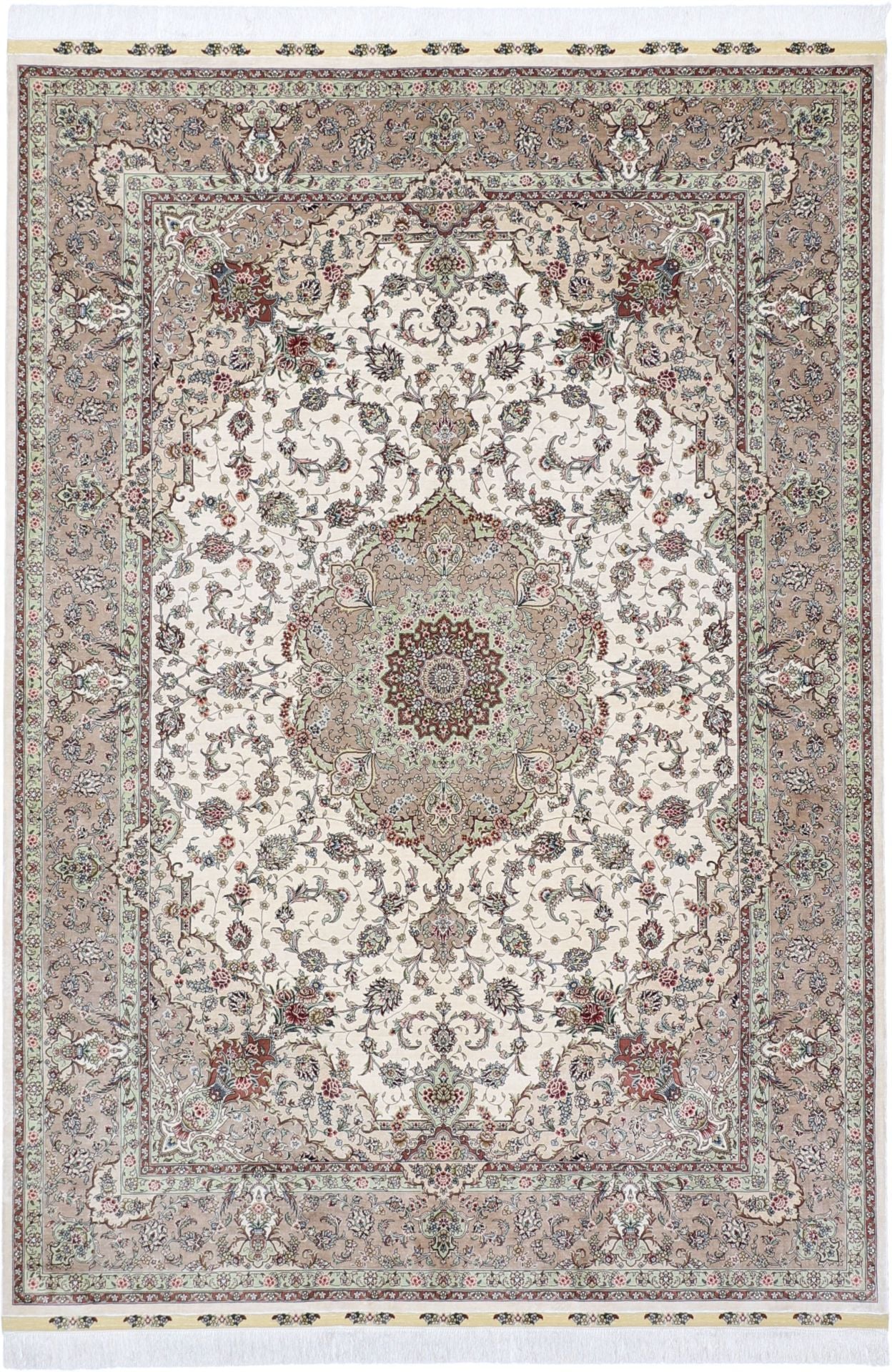
The Art of Tabriz Carpets: Tradition and Beauty from Persia
The Art of Tabriz Carpets: Tradition and Beauty from Persia
Introduction
Carpets are more than just floor coverings; they are expressions of cultural identity, craftsmanship, and aesthetic beauty. Among the many types of carpets that exist in the world, the Tabriz carpets from Persia stand out. These carpets tell stories of centuries of tradition, craftsmanship, and unparalleled beauty. In this article, we take a detailed look at the various aspects of Tabriz carpets and their significance in the world of interior design.
The origin of Tabriz carpets
The city of Tabriz is located in northwestern Iran and is a historic center for carpet weaving. Carpet production in this region dates back to the 15th century and has had a significant influence on the entire carpet industry in Persia ever since. Tabriz was a hub for trade and culture, which contributed to the fusion of different styles and techniques. The carpets from this region are known for their fine patterns, vibrant colors, and the high quality of the materials used.
Materials and techniques
The quality of a carpet depends heavily on the materials and techniques used. Tabriz carpets traditionally use wool, silk, and cotton.
Wool
Wool carpets are known for their durability and warmth. They provide excellent cushioning and are perfect for use in living spaces. The wool is often sourced from local sheep and is generally of high quality.
Silk
Silk carpets, on the other hand, are known for their elegant luster and intense color brilliance. They are often considered works of art because of the impressive fine details and craftsmanship that go into their production.
Techniken
The knotting technique of Tabriz carpets differs from other Persian carpets in its charm and precision. These carpets are typically made using the so-called asymmetric knotting technique, which allows for the creation of intricate patterns and designs. The density of the knots plays a crucial role in the quality of the carpet—the higher the knot count, the more magnificent and detailed the final product.
Styles and designs
Tabriz carpets are known for their variety of designs, ranging from floral motifs to geometric patterns. The most common styles include:
Floral patterns
Floral designs are one of the most distinctive features of Tabriz carpets. These patterns often feature rich floral arrangements, roses, and other plants in vibrant colors, transforming the carpet into a living work of art.
geometric pattern
Geometric patterns are found in many Tabriz carpets, with different shapes and lines combining to create unique compositions. They create visual depth and structure in the carpet design.
Medallion designs
Another common element in Tabriz carpets are medallions, often placed at the center of the carpet. These designs immediately attract the viewer's attention and are often exquisitely decorated.
The symbolic meaning of Tabriz carpets
In Persian culture, carpets have a deeper meaning than just decorative elements. They are often associated with symbols and stories that carry specific meanings.
Glück und Wohlstand
Many designs are intended to bring good luck and prosperity to the home. For example, motifs symbolizing fertility and wealth are often used.
Spiritual meanings
Carpets are also used in religious and spiritual contexts. They often serve as a base for prayers and other religious rituals. The patterns and symbols used can have deep spiritual meaning.
Care and maintenance of Tabriz carpets
To preserve the beauty and quality of your Tabriz carpets for many years, it is important to ensure proper care and maintenance.
Regular vacuuming
Regular vacuuming is crucial to removing dirt and dust. When caring for your Tabriz rugs, it's best to use a vacuum cleaner with a soft brush.
Stain treatment
If stains occur, it's best to treat them immediately. Use a clean, damp cloth and gently dab the affected area. Avoid rubbing the stain, as this could damage the fibers.
Professional cleaning
For thorough cleaning, it's advisable to turn to professional carpet cleaners. These experts know exactly how to treat delicate materials gently.
Buying Tabriz carpets
If you are considering purchasing a Tabriz rug, there are a few important factors to consider:
Budget
Carpets are available in a variety of price categories. High-quality Tabriz carpets are often expensive, but their durability and beauty make the investment worthwhile.
authenticity
When purchasing rugs, be sure to check their origin. Authentic Tabriz rugs usually come with a label confirming their origin and the materials used.
size and style
Consider in advance where the rug will be placed and choose a suitable size and design that matches your interior.
Final section
Tabriz rugs are not just simple floor coverings; they are an expression of culture, art, and history. With their rich tradition, exquisite materials, and precise craftsmanship, these rugs are an essential part of Persian identity. They not only bring warmth and style to your home but also tell stories from a bygone era. When considering a Tabriz rug, remember that you are not just purchasing a piece of furniture, but a piece of art history that will last for generations.
FAQ
How much does a Tabriz carpet cost?
Prices for Tabriz rugs can vary greatly depending on size, material, and craftsmanship. Affordable models start at a few hundred euros, while high-quality, hand-knotted rugs can cost several thousand euros.
How do I recognize an authentic Tabriz carpet?
An authentic Tabriz carpet typically has high knot density, vibrant colors, and intricate patterns. Also, pay attention to the label, which confirms its origin. It's recommended to buy from trusted dealers.
Can I clean my Tabriz carpet myself?
While it's recommended to treat small stains yourself, for a thorough cleaning, you should call in a professional. Professional carpet cleaners have the experience and the right cleaning products to avoid damaging your carpet.