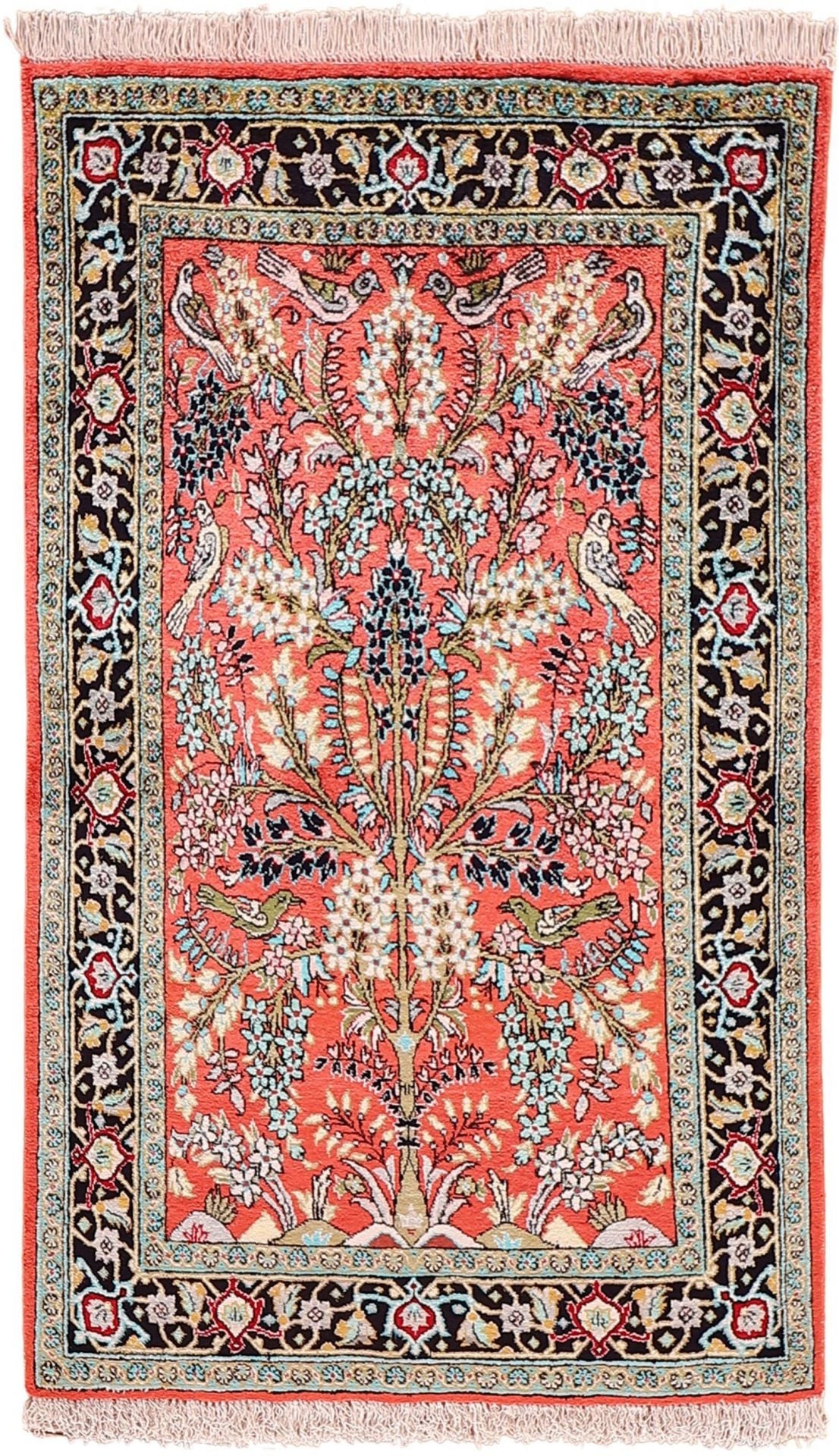
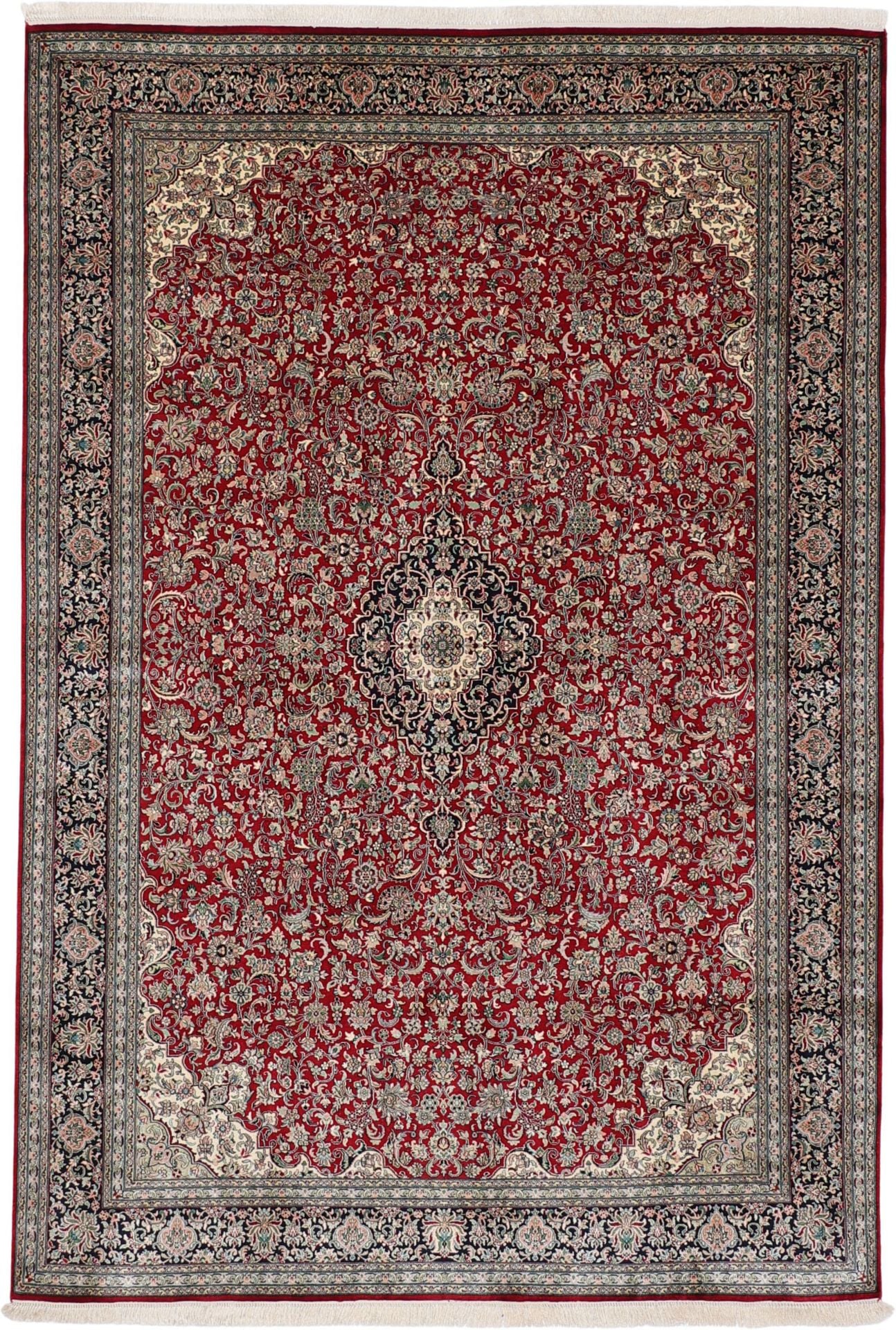
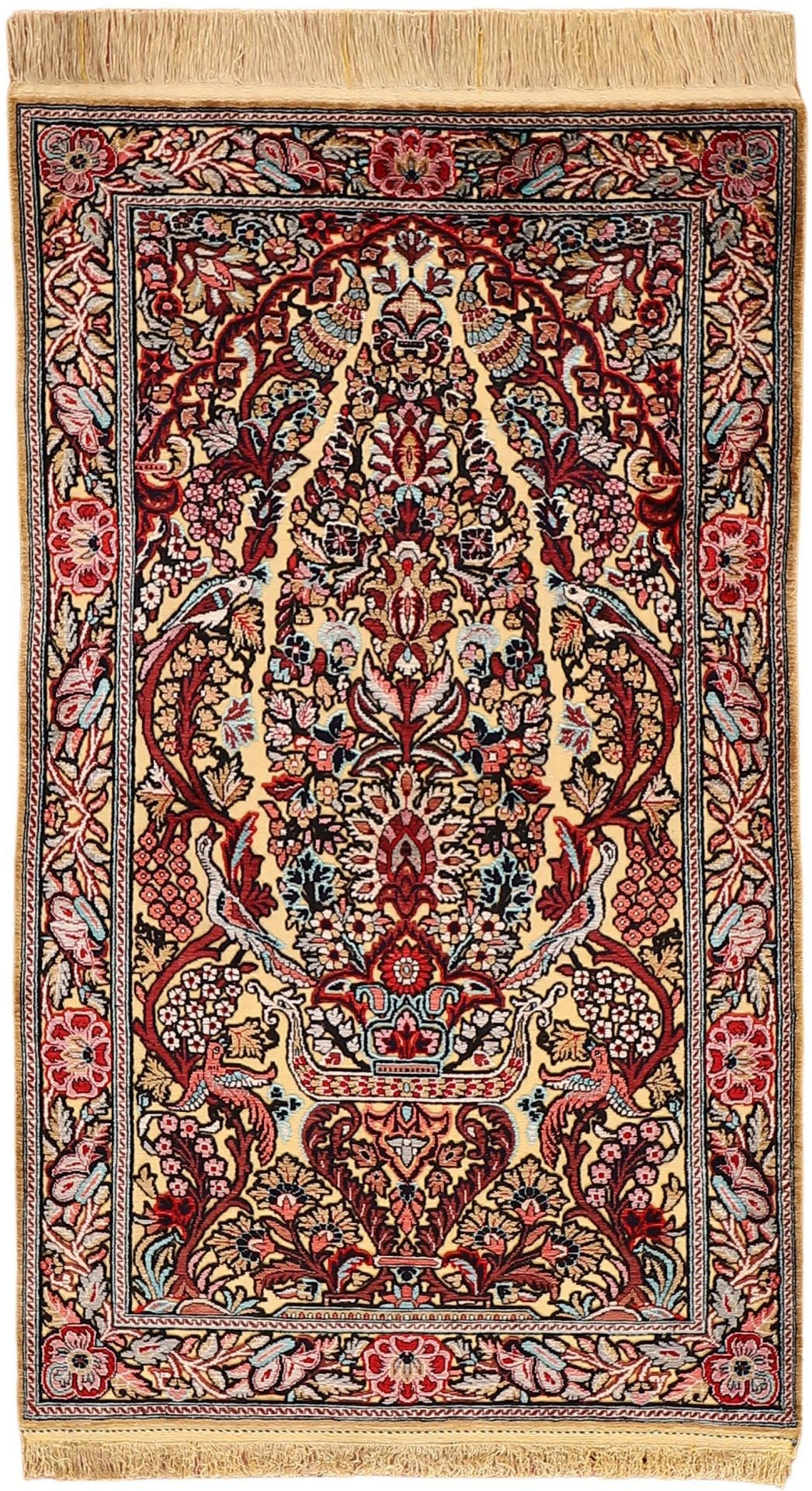
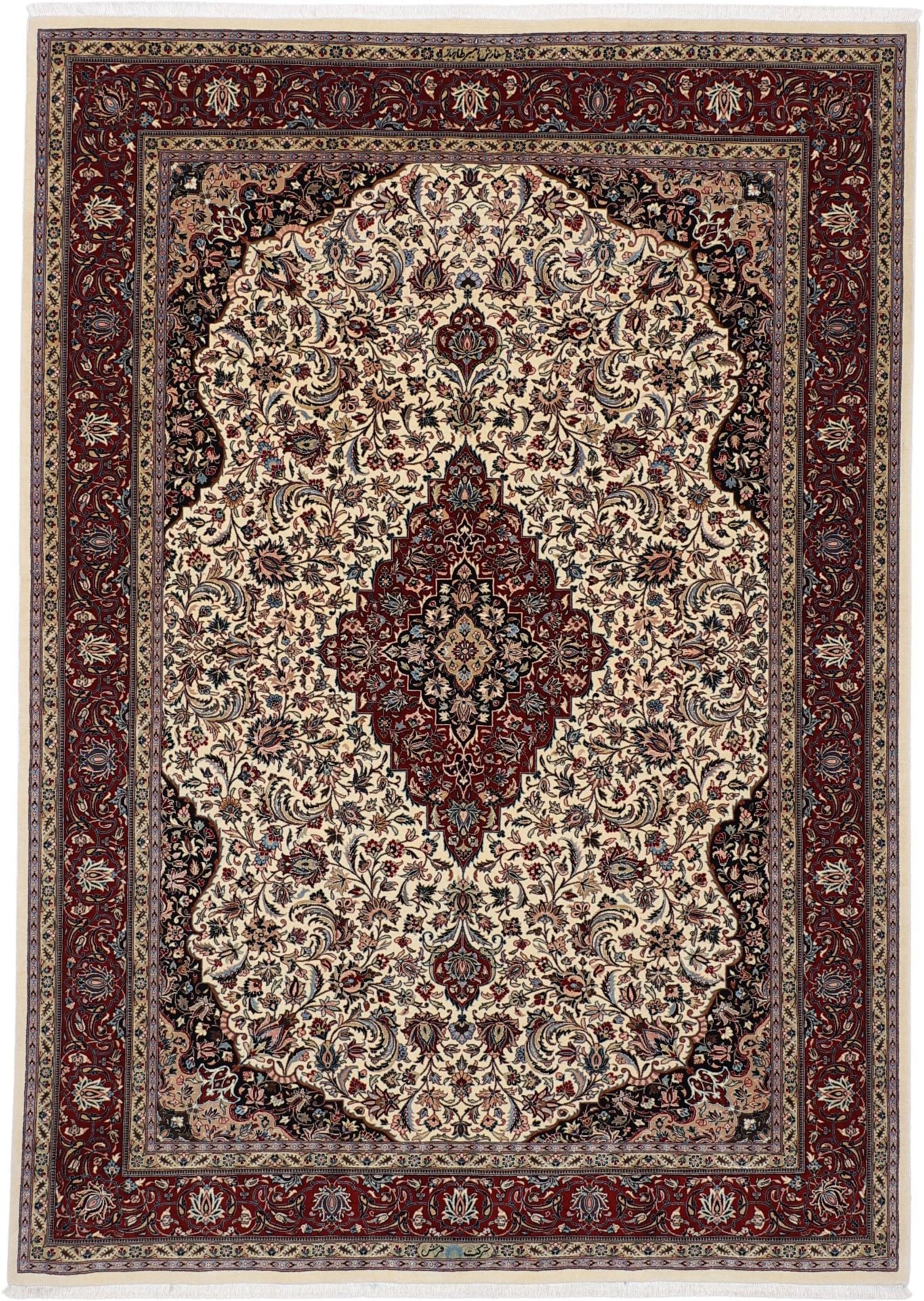
The art of silk carpets: Luxurious craftsmanship and timeless elegance for your home
The art of silk carpets: Luxurious craftsmanship and timeless elegance for your home
Carpets aren't just "floor coverings"—they're an expression of style and taste, adding character and warmth to any room. Among the various types of carpets, the silk carpet stands out, not only for its exquisite choice of materials, but also for the impressive craftsmanship required for its production. In this article, we'll explore the world of silk carpets, their history, the artistry involved in their production, and how they can add a special touch to your home.
History of silk carpets
The history of silk carpets stretches back centuries. Originally created in the ancient cultures of Central Asia, they quickly became a symbol of wealth and power. The first silk carpets likely originated in Persia, where they are still prized today for their exquisite quality and craftsmanship. These carpets were often designed for royal palaces and wealthy merchants and served not only as decorative elements but also as expressions of culture and history.
The production of silk carpets
The choice of materials
The production of a silk rug begins with the selection of materials. Genuine silk comes from the Bombyx mori silkworm and has been used in the textile industry for thousands of years. The silk thread used is not only extremely strong but also has a natural luster that gives each rug a luxurious appearance. The colors used in production often come from natural dyes, meaning they are both environmentally friendly and unique in their appearance.
The manufacturing process
Making a silk carpet is a lengthy process that requires expertise and patience. The traditional method of weaving a carpet involves several steps:
Design : Before the actual weaving begins, a detailed design is created. Often, symbolic motifs and ornaments are integrated into the design, which have a deeper cultural meaning.
Weaving : The weaving itself is often done by hand, with each knot being tied by a skilled craftsman. This knotting technique can take months or even years, depending on the size and complexity of the rug.
Dyeing : After weaving, the carpet is dyed. Natural dyes give the carpets vibrant colors that do not fade over time.
- Finish: Finally, the carpet is cleaned and treated to increase its durability and give it the finishing touch.
The versatility of silk carpets
Silk rugs are a popular interior design element due to their versatility. They come in a variety of styles and colors, from modern, minimalist designs to traditional, rich patterns. Whether you prefer the classic oriental style or are aiming for a contemporary look, there's always a silk rug to suit your taste and interior design style.
Possible uses in interior design
Living room : A silk rug is the centerpiece of any living room. It can harmonize the entire room and create a welcoming atmosphere.
Bedroom : Silk rugs can also create a warm and inviting atmosphere in the bedroom. Their soft texture invites you to walk barefoot on them and promotes a feeling of relaxation.
Dining area : Place a silk rug under your dining table to create a stylish contrast to hard floors. It not only serves as an aesthetic element but also protects the floor from scratches and wear.
- Offices and workspaces: In a home office, a silk rug can help make the room more cozy and create an inspiring atmosphere.
Care and maintenance of silk carpets
Like any handmade work of art, a silk carpet requires proper care to maintain its beauty over the years.
Cleaning
- Regular vacuumingTo remove dust and dirt, you should vacuum your carpet regularly, preferably with a vacuum cleaner that has a soft brush.
- stain removalIf stains occur, it's important to act quickly to avoid permanent damage. Use a mild detergent and a soft cloth to gently dab the affected area.
Storage:
- Proper storageIf you need to store your rug, make sure it's clean and dry. Roll it up carefully and store it in a cool, dry place.
Professional cleaning
- Professional carpet cleaning: It is recommended to consider professional cleaning once a year to ensure your silk carpet stays in top condition.
Conclusion
Silk rugs are not only luxurious furnishings, but also true works of art. Their production is a complex process that requires expertise, patience, and creativity. With their timeless design and versatility, they are an exquisite choice for any home. Investing in a silk rug is not only a way to enhance your living space, but also to preserve a piece of culture and history that can be passed down for generations to come.
If you're considering investing in a silk rug, consider how you'd like to incorporate it into your home's decor. Pay attention to quality, craftsmanship, and the story behind the rug to ensure you're getting a unique and valuable piece for your home.
FAQ
1. What are the advantages of silk carpets compared to other types of carpets?
Silk carpets are characterized by their exceptional softness, natural luster, and vibrant colors. Compared to wool or synthetic carpets, they are also less prone to allergies and offer a luxurious appearance that adds elegance to any room.
2. How often should I have my silk carpet cleaned?
We recommend having your silk carpet professionally cleaned at least once a year. Between cleanings, vacuum regularly and treat stains promptly to extend its lifespan and preserve its beauty.
3. Can I use a silk carpet in a high-traffic area?
While silk rugs are beautiful, they're not the best choice for high-traffic areas because they're more delicate than other materials. If you need a rug for a high-traffic room, consider choosing a more durable rug made of wool or synthetic fibers.