The art of Russian tapestries: tradition, colors and stories
Introduction to the world of carpets
Carpets are far more than just floor coverings; they tell stories, carry traditions, and are an expression of the culture from which they originate. The art of carpet weaving has a long history in many cultures, particularly in Russia, where the roots of tapestry art are deeply rooted in the past. In this article, we explore the fascinating aspects of Russian tapestries—their traditions, colors, and the stories they convey.
The tradition of Russian tapestries
Historical background
The history of Russian carpets dates back to the 17th century. Originally, they were made for practical reasons, to create ambiance and to combat the cold winter months in Russia. Carpet weaving was a craft passed down from generation to generation and was often practiced by women within the family.
Influence of culture and religion
The design of carpets in Russia was strongly influenced by the region and the prevailing culture. During the Tsarist period, carpet makers incorporated religious symbols, folkloric motifs, and geometric patterns into their work. These carpets were intended not only for personal use, but also for religious ceremonies or as status symbols during the Tsarist era.
Materials and techniques
Traditional materials
Traditionally, Russian carpets were made from high-quality sheep's wool. The use of wool ensures high durability and natural insulation. In more recent times, other materials such as cotton and silk have also found their way into carpet production, making them both more colorful and versatile.
Weaving techniques
Carpet weaving techniques are diverse. The most well-known methods include knotted and flat weaving. While knotted weaving is characterized by its density and attention to detail, flat weaving is distinguished by its simplicity and robustness.
Colors and patterns in carpet art
Symbolism of colors
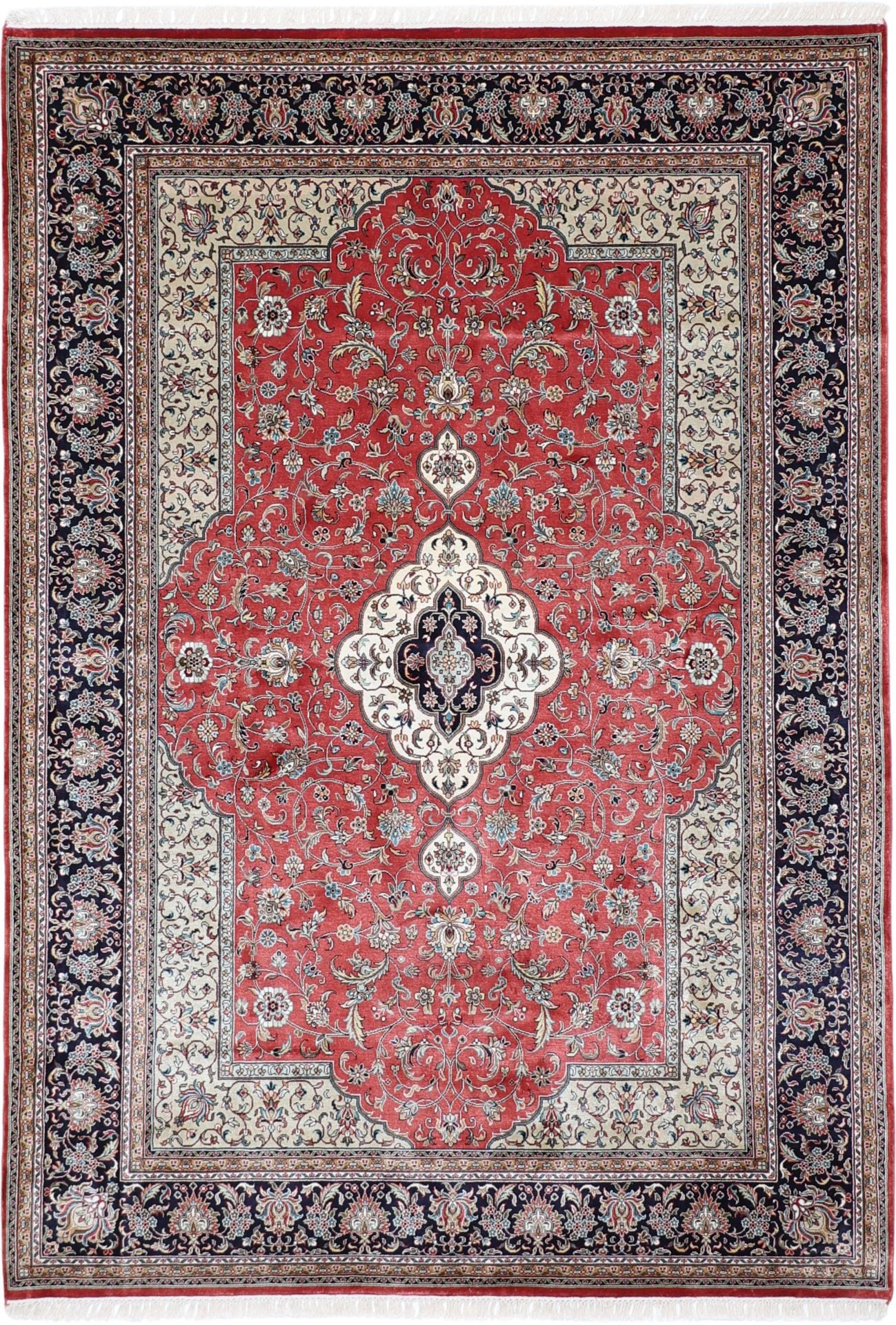
Colors play a crucial role in carpet art. In Russia, certain colors are traditionally associated with specific meanings. Red, for example, often represents love and passion, while blue represents calm and peace. Green symbolizes growth and fertility, which plays an important role in agriculture and the connection to nature in Russian culture.
patterns and designs
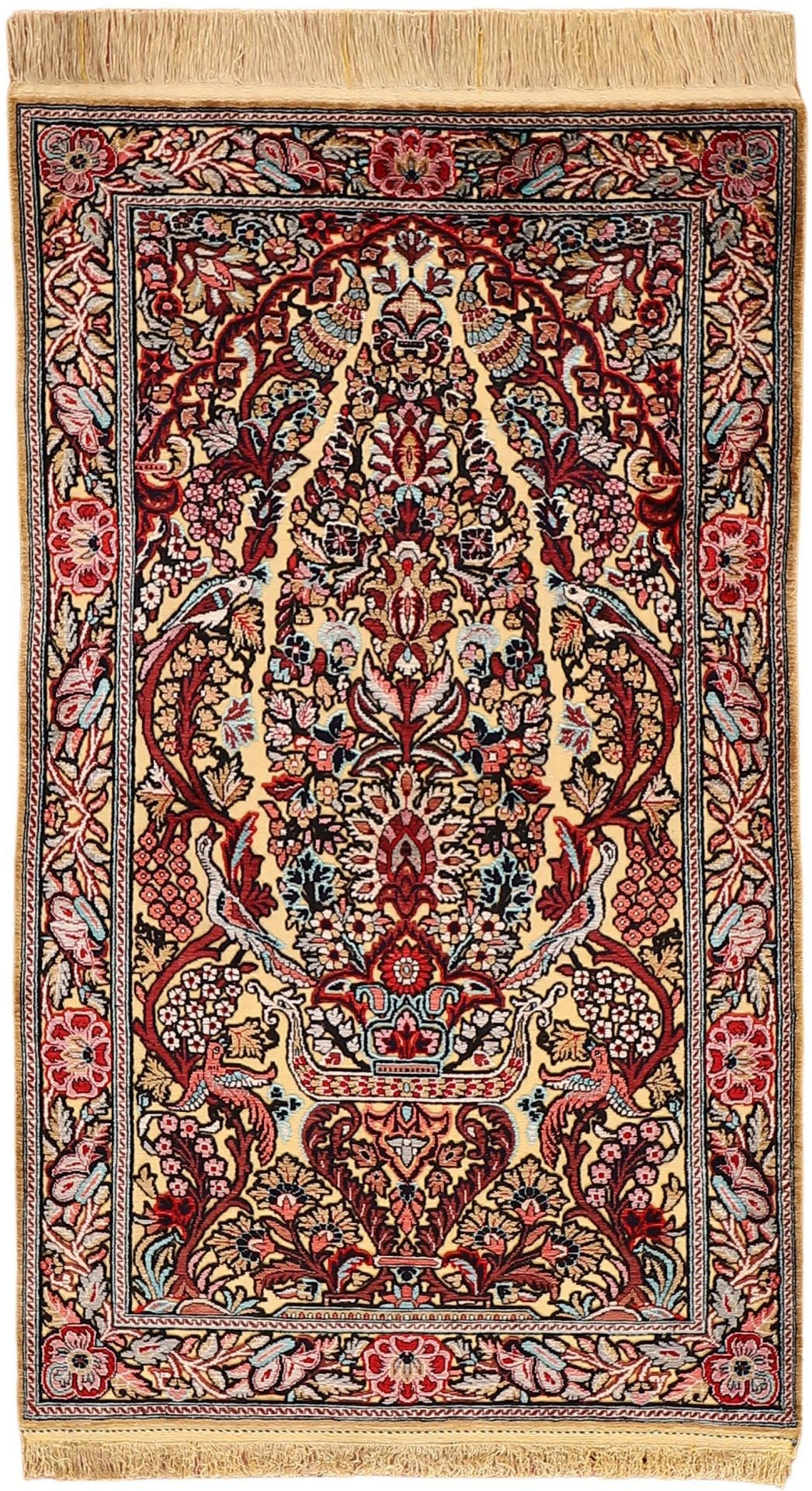
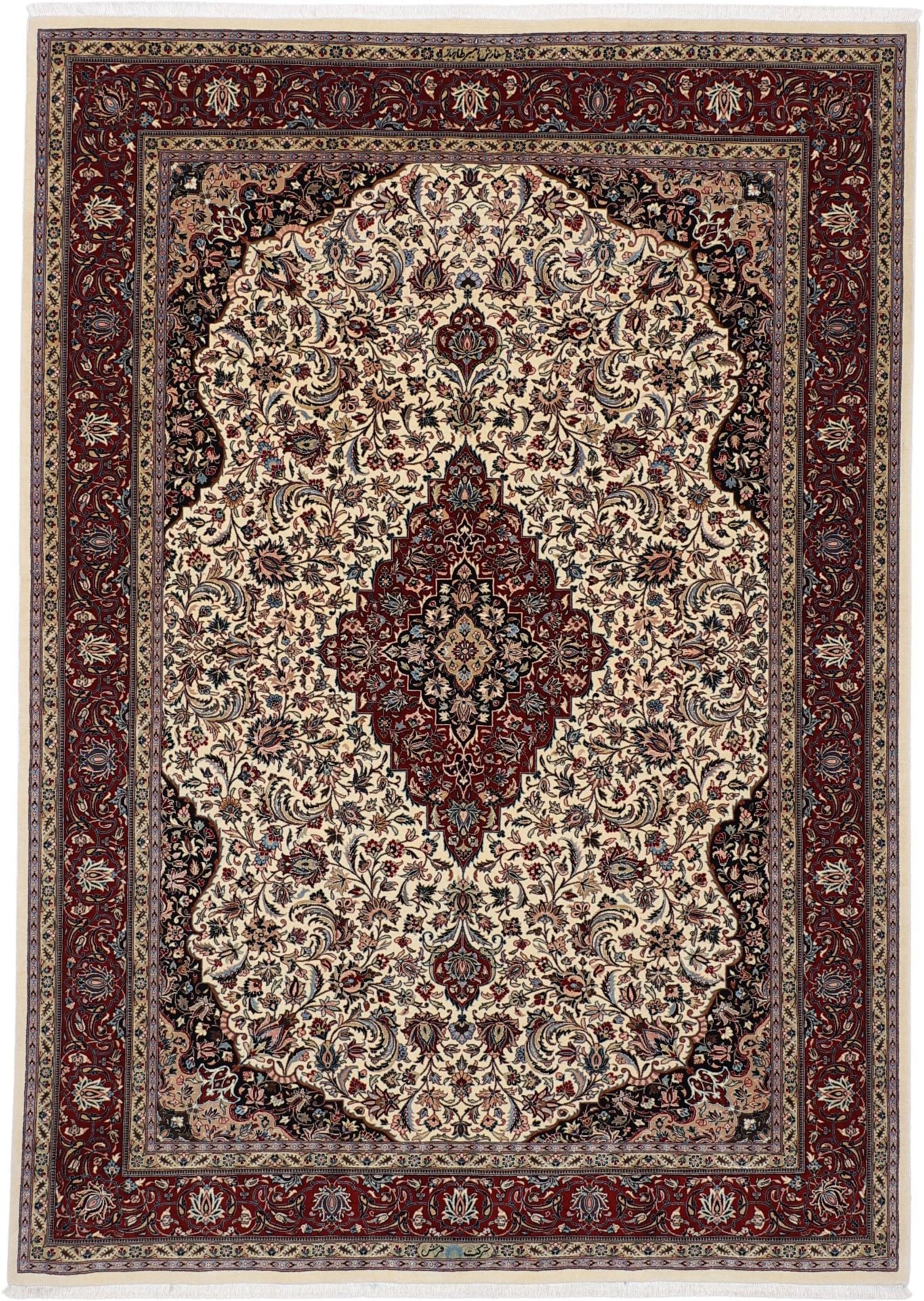
Russian carpets are known for their unique designs, often inspired by nature, folklore, and mythological themes. Geometric patterns, floral motifs, and animal depictions are common. These patterns not only represent aesthetic values but also often have deeper symbolic meaning.
Stories that carpets tell
The stories of generations
Every rug has its own story. The patterns and colors can often reveal the weaver's origins. Grandmothers tell their grandchildren stories about the motifs used and the backgrounds of their life encounters while weaving. Thus, rug weaving becomes a part of the family's cultural heritage, embedded in the threads.
The connection to nature
Natural motifs are frequently found in Russian tapestries—from flowing flowers to majestic trees and animals. These depictions are not only decorative but also remind us of people's connection to nature and its importance in Russian culture.
The role of Russian carpets in the modern world
Insight into the modern market
In the modern world, Russian carpets are in high demand not only in Russia itself, but also worldwide. Collectors and enthusiasts appreciate the craftsmanship and artistic diversity these carpets offer. But they are not only popular as collector's items; they also occupy a significant place in interior design.
The influence of design trends
With the emergence of new design trends, carpet designs have also evolved. While more traditional patterns and colors remain popular, contemporary carpets are experimenting with new and innovative designs.designer also with more modern shapes and color combinations that fit into modern interiors.
Sustainability and ethical production
A growing awareness of sustainability has also reached the carpet industry. More and more manufacturers are focusing on using environmentally friendly materials and ensuring fair working conditions. This is especially important since carpet production often takes place in rural communities where economic conditions are not always optimal.
Care and cleaning of carpets
Regular maintenance
Regular care is crucial to maintaining the beauty and longevity of a carpet. Vacuuming is the first step to remove dirt and dust. Special carpet brushes can help loosen the fibers and improve the appearance.
Professional cleaning
Depending on the material and construction of the carpet, it may be advisable to consider professional cleaning. Professionals can ensure that the carpet is cleaned thoroughly and gently without damaging the delicate fibers.
Final section
Russian tapestries are more than just decorative elements; they are living testaments to history, culture, and craftsmanship. Each rug tells its own story through colors, patterns, and materials, carrying the traditions of the past into the present and future. Whether as a timeless heirloom or a modern design object, the fascination with rugs, especially Russian tapestries, remains undiminished. Discover the beauty inherent in every knotted and woven thread and be inspired by the diversity of this art form.
FAQ
What are the main materials for Russian carpets?
The traditional main materials are sheep's wool, cotton, and silk. These materials ensure durability and an attractive appearance.
How much do Russian carpets cost?
Prices vary widely depending on size, materials, and craftsmanship. Simple rugs can be purchased for as little as a few hundred euros, while hand-knotted works of art can cost several thousand euros.
How do I clean my carpet properly?
Regular vacuuming is important to remove dirt and dust. For a deeper clean, consider using professional cleaning services, especially if the carpet is made of delicate materials.