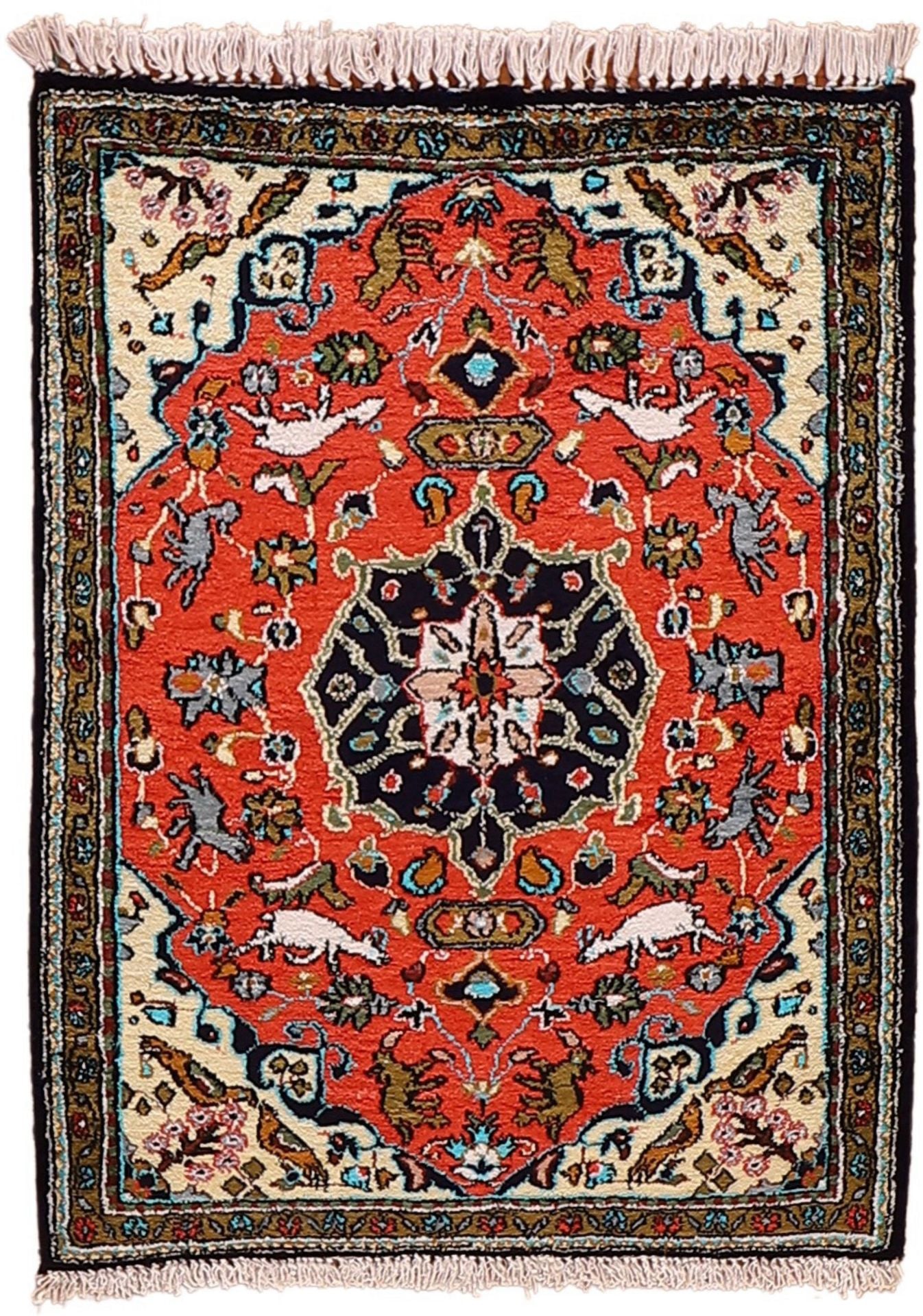
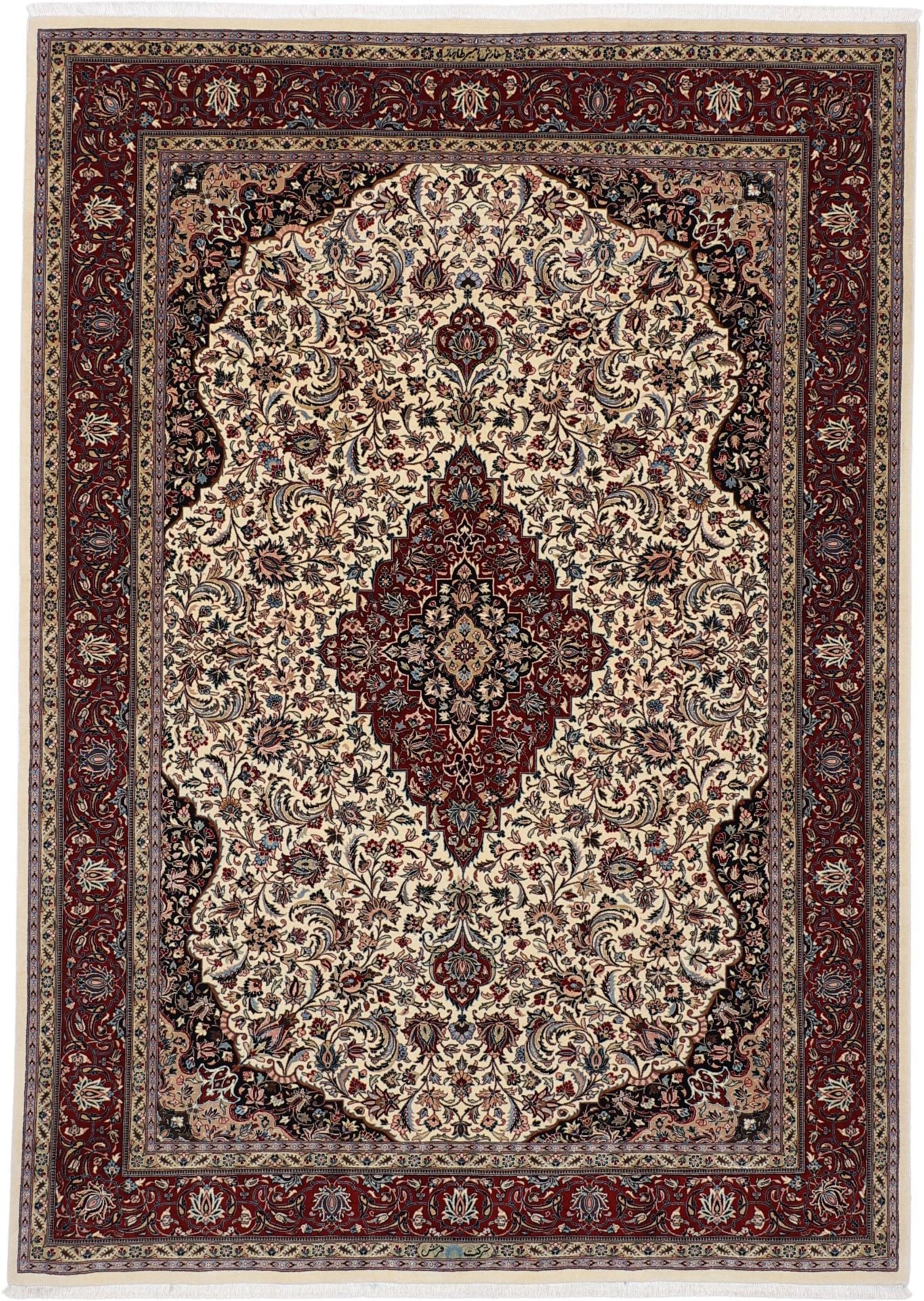
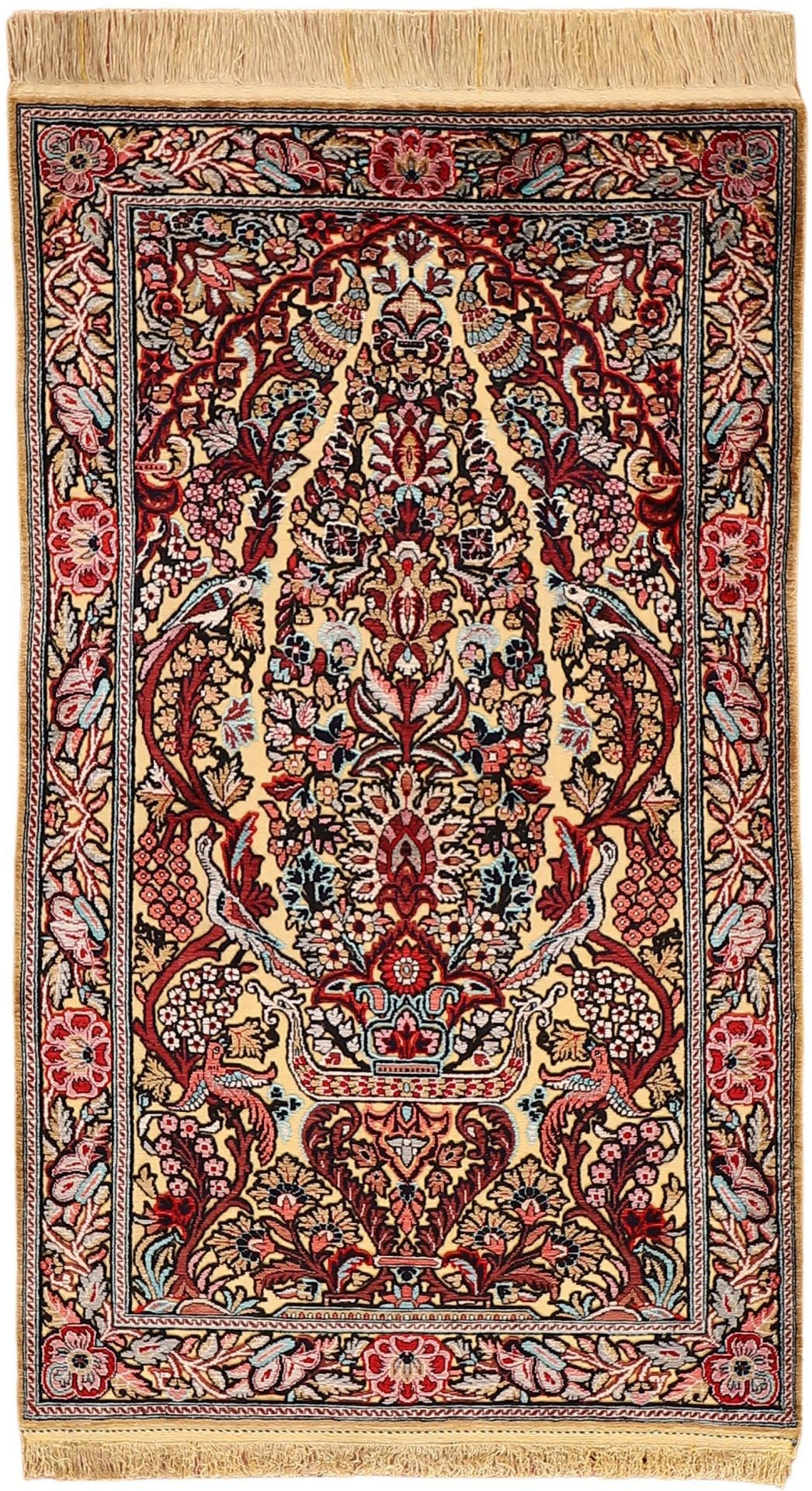
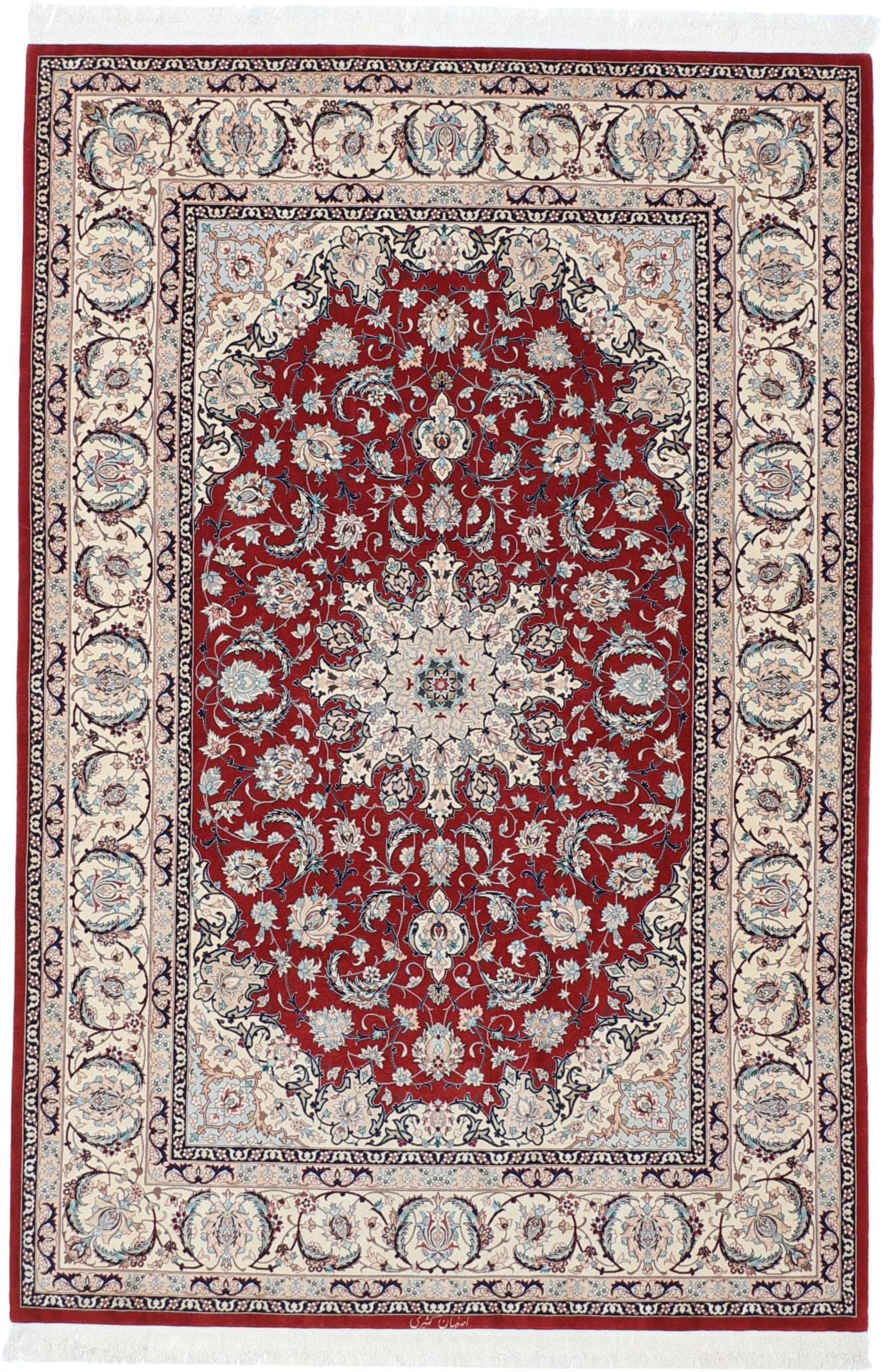
The art of interior design: Large carpet – a statement for every room
The art of interior design: Carpets as the heart of your interior
Carpets are much more than just floor coverings; they are elements that can significantly influence the ambiance of a room. Whether in the living room, bedroom, or dining room – the right carpet not only sets accents, but also contributes to the comfort and overall impression of a room. Are you struggling with the question of which carpet to choose? In this article, you'll learn everything you need to know about carpets, their effects, materials, and design options.
The importance of carpets in interior design
Rugs have the unique ability to connect spaces and create moods. They bring color, texture, and warmth to a home. The rug can serve as both a focal point and a harmonious link between different pieces of furniture.
Create style and atmosphere
The first impression of a room is often shaped by the choice of rug. A large, eye-catching rug can become the room's main attraction. Patterns and colors should be chosen in harmony with the existing furniture and the room's color palette. A minimalist room can appear more vibrant with a colorful, patterned rug, while an elegant room needs a simple, solid-colored surface.
Coziness and comfort
Carpets provide a pleasant feeling underfoot and create a cozy atmosphere. They offer a comfortable footing, especially in rooms where people spend a lot of time, such as the living room or bedroom. They also contribute to sound insulation and reduce echoes, improving the acoustics of a room.
Materials of carpets
Choosing the right material is crucial for a carpet's longevity and comfort. Carpets come in a variety of materials, each with its own unique characteristics.
natural fibers
Wool : Wool is one of the most popular materials for carpets. It is not only durable and stain-resistant, but also offers excellent insulation. Handmade wool carpets are an excellent option for allergy sufferers.
Cotton : Cotton rugs are light and soft. They are particularly well-suited for children's rooms, as they can often be washed at 30 degrees. Cotton also offers a high color depth, making it ideal for patterns and bright colors.
- juteJute rugs are very popular due to their natural, earthy look. They are durable and add a rustic flair to a room, but are not as soft as wool or cotton.
Synthetic materials
Nylon : Nylon is a durable material often used in carpets. It is tear-resistant and easy to care for, but less suitable for households with pets.
Polypropylene : Polypropylene is another common choice for living room rugs. It is stain-resistant and waterproof, making it ideal for high-traffic areas.
- PolyesterPolyester rugs offer great color vibrancy and are often cheaper than wool rugs. They are soft and pleasant to the touch, but less durable.
Carpet sizes and shapes
Rugs are available in a variety of sizes and styles, each offering specific benefits. The size and shape of your rug should be tailored to the room size and existing furniture.
Rectangular carpets
Rectangular rugs are the most common and are ideal for most rooms. They can be placed under dining room or living room tables and help structure and define the space.
Round carpets
Round rugs can add a touch of elegance and softness. They're perfect for smaller spaces and can also be used in corners or under round tables.
Square rugs
Square rugs are another popular option in modern interior design concepts. They can act as stylish focal points and are particularly well-suited for lounge areas.
Carpets in various living areas
The choice of rug varies depending on the room and its use. Here are some tips for making the most of rugs in different areas:
Living room
In the living room, the rug is often the focal point of the design. It should harmonize with the furniture and visually tie the room together. A large rug placed beneath the furniture creates a unified look. Neutral tones are popular in terms of color choices because they're easy to combine, but bold colors can also add exciting accents.
Bedroom
Soft, cozy rugs are ideal for the bedroom. They instantly bring coziness to the room and provide a pleasant feeling underfoot when you get up in the morning. Placed in the middle of the room or on either side of the bed, a rug creates a harmonious overall look.
Dining room
In the dining room, the rug should be stain-resistant and easy to clean, as it is frequently exposed to food spills. A durable rug made of natural fibers or synthetics is a good choice. The rug should be large enough so that the chairs can still rest on it when pulled out.
Corridor
In the hallway, the carpet should be durable, as this is often the most frequently used area in the house. Short-pile carpets or carpets made of robust materials are ideal here. They should also be easy to clean so dirt can be removed quickly.
Care and cleaning of carpets
Proper care is crucial for a carpet's longevity. Here are some tips for cleaning and maintaining your carpets.
Regular cleaning
Vacuuming : Regular vacuuming should be standard practice for every carpet to remove dirt and dust. Be careful not to use excessive suction power to avoid damaging the fibers.
- stain removal: When it comes to stains, it's important to act quickly. Use mild cleaning agents and test them on an inconspicuous area first. Never blot the stain; rub gently to avoid damaging the fabric.
Professional cleaning
- carpet cleaning: For a thorough cleaning, professional carpet cleaning services can be used. This should be done every one to two years, depending on wear and tear.
Inspiration and trends for carpets
The carpet market is dynamic and constantly influenced by new trends, designs, and innovations. Here are some current trends to consider:
Vintage and hand-knotted carpets
VintageCarpets remain highly sought after. They reflect the history of a room and lend it character. Hand-knotted carpets are particularly unique and often find a place in modernly furnished living spaces.
geometric pattern
Geometric patterns are a current trend that brings structure and dynamism to a room. These designs often feature abstract shapes and offer countless possibilities for individual design.
Sustainable carpets
More and more consumers are placing value on sustainable products. Carpets made from recycled materials or those produced in an environmentally friendly way are gaining popularity. They're not only good for the environment but also a modern statement.
The finishing touch: carpets as decorative elements
Rugs are not only functional, they can also be considered works of art. A beautifully designed rug can enhance the overall look of a room and add the finishing touch. By carefully combining rugs with other decorative elements, such as pillows, curtains, or wall art, you can create a harmonious and inviting atmosphere.
Conclusion
Carpets are not only functional floor coverings, but also important design elements that can permanently change the appearance and atmosphere of a room. By choosing the right material, size, and color, as well as considering the use in the respective room, you can find a rug that perfectly suits your needs and personal style.
With the latest trends and proper care, you'll enjoy your carpet for a long time. Focus on high-quality materials and designs that enhance your home and create a sense of well-being.
FAQ section
1. How often should I clean my carpet?
The frequency of cleaning depends on usage. Generally, a carpet should be vacuumed thoroughly at least once a week. Stains should be treated immediately. Professional cleaning is recommended every one to two years, depending on wear and tear.
2. How do I choose the right rug size for my room?
The rug size should match the room size and the furniture. A good rule of thumb is to place the rug at least 20-30 cm below the furniture to create a uniform look. For smaller rooms, round or square rugs can add interesting accents.
3. Are carpets good for allergy sufferers?
Yes! Rugs made from natural fibers like wool or cotton are often the best choice for allergy sufferers because they retain fewer allergens and are easier to clean. However, make sure the rug is cleaned regularly to minimize dust and allergens.