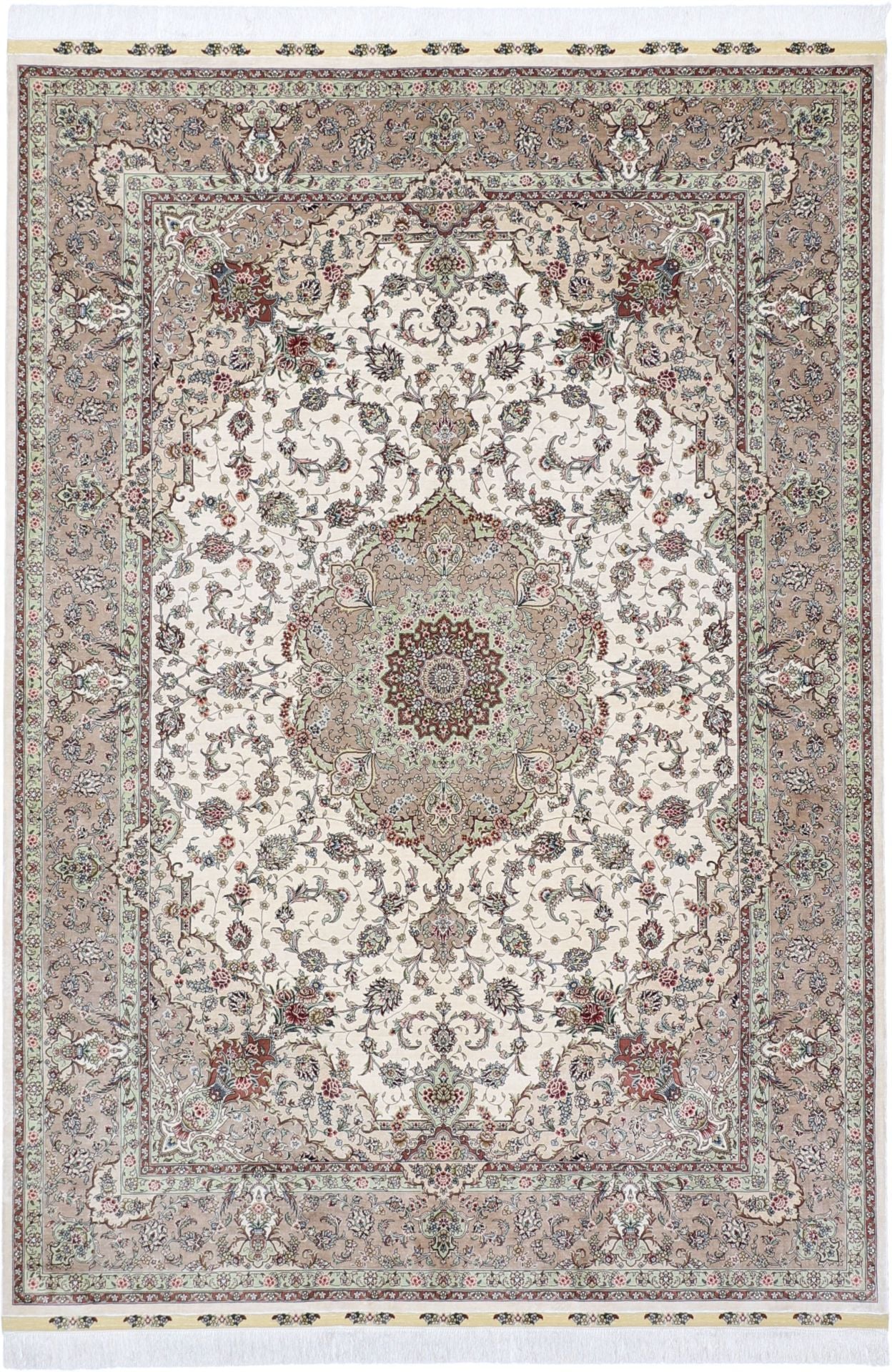
The art of Persian carpets: timeless beauty and craftsmanship
The art of Persian carpets: timeless beauty and craftsmanship
Carpets are not just practical home textiles; they are also expressions of art and culture. Persian carpets, in particular, hold a prominent place in the world of carpet art. Their complex patterns, vibrant colors, and use of high-quality materials make them a treasured element in many homes and public spaces. In this article, we will explore the allure of Persian carpets and provide an in-depth look at their history, craftsmanship, and care.
The history of Persian carpets
The origins of Persian carpets date back to ancient times. They were first produced in ancient Persia (now Iran) in the 5th century BC. The traditional art of carpet weaving was passed down through generations, and the techniques and designs evolved over the centuries. Persian carpets were prized not only in their own country but throughout the world, underscoring their status as luxurious works of art.
The most famous carpets come from various regions of Iran, including Isfahan, Tabriz, Kashan and Qum. Each region has its own characteristic styles and motifs, shaped by cultural influences and geographical features. For example, carpets from Isfahan often opulent and richly decorated with floral motifs, while Tabriz-Carpets are known for their fine details and elegant designs.
The art of carpet weaving
The production of a Persian carpet is a lengthy and complex process that requires considerable skill and patience. Hand-knotted carpets are made from high-quality materials such as wool, silk, or cotton. The choice of material has a significant impact on the durability, luster, and feel of the final product.
The knotting technique is a central aspect of rug making. In traditional knotting techniques, each knot is tied by hand, meaning it can take months or even years to complete a single rug. The complexity of the patterns also influences the number of knots per square meter, which in turn determines the price and value of the rug.
The meaning of patterns and symbols
Persian carpets are known for their rich and diverse patterns, which often carry symbolic meanings. These patterns are not only decorative but also tell stories and convey cultural values. Popular motifs include floral designs, geometric patterns, and depictions of animals or mythological scenes.
A typical example of a symbolic pattern is the medallion design, which often forms the central axis of a carpet and represents a kind of harmony and balance. This reflects the architectural principles valued in ancient Persia. Furthermore, colors in Persian carpets can also have deeper meanings: red often represents love and passion, while blue represents peace and spirituality.
Choosing the perfect Persian carpet
When choosing a Persian rug, you should consider several factors: its intended use, the style, and the size of the room it will be placed in. Color selection is also important, and should coordinate with your existing decor. Consider whether you want to make a statement with a striking rug or choose a more understated rug that complements the room's design.
Size and shape
Rugs come in a variety of sizes and shapes—from small runners to square and large rectangular rugs. When choosing a size, the proportions of the room should be taken into account. In a large room, an impressive, large-scale rug can create a cozy atmosphere, while smaller models often work better in smaller spaces.
Colors and motifs
The color palette of Persian rugs is diverse and can range from soft pastels to vibrant, bold colors. Your choice of colors should consider both personal preferences and the overall color scheme of your home. Use existing furniture, walls, and other decorative elements as a guide to create a harmonious overall look.
Materials and care
The choice of material is crucial for the longevity and maintenance of your carpet. Wool, for example, is very robust and easy to care for, while silk is valued for its luster and elegance. Be sure to follow the manufacturer's care instructions to maintain the carpet's quality over the years. Regular vacuuming, avoiding direct sunlight, and professional cleaning are essential for preserving the beauty of your carpet.
Investing in a Persian carpet
A Persian rug is not only a functional piece for your home, but also an investment in timeless beauty. High-quality rugs often retain their value for years and, depending on care and condition, can even increase in value. It's important to familiarize yourself with the market and the various price ranges to make an informed decision.
Where can you buy Persian carpets?
Persian rugs can be purchased in specialized rug shops, at art and antiques fairs, or online. Be sure to buy only from reputable dealers who can guarantee that their products are authentic and of high quality.
Additionally, it can be helpful to contact producer cooperatives or artisans in the region to obtain fair trade rugs. This supports local artists and guarantees the authenticity of the product.
Summary and Conclusion
Persian rugs are more than just decorative elements—they are carriers of history, culture, and masterful craftsmanship. Choosing the right rug can be an intense, enriching experience, allowing you to express your personal style while adding a touch of timeless elegance to your home. When choosing a rug, it's important to pay attention to the details, including material, size, colors, and patterns, to find the best piece for your individual needs.
We hope this article helps you appreciate the beauty and complexity of Persian rugs and make the right decision when purchasing your next rug. Remember, each rug tells its own story and can be a unique piece of art in your home.
FAQ - Frequently Asked Questions
How can I clean a Persian carpet without damaging it?
To clean a Persian rug, you should vacuum regularly to remove dirt and dust. Avoid moistening with water or soap, as this can damage the colors and materials. For larger stains, it's advisable to use professional carpet cleaning services experienced in handling delicate materials.
How do I know if a carpet is genuine?
Authentic Persian rugs are characterized by a high knot count per square meter and the use of high-quality materials such as wool and silk. Also check the back of the rug: In hand-knotted rugs, the knots are often visible and irregular, while machine-made rugs have a smooth surface. Certificates from trusted dealers can also help confirm authenticity.
How much should I spend on a Persian rug?
The price of a Persian rug can vary greatly depending on factors such as region, material, size, and the complexity of the pattern. A small hand-knotted rug can start at several hundred euros, while large, intricately designed pieces can cost several thousand euros. It's important to be aware of market prices and compare different offers.