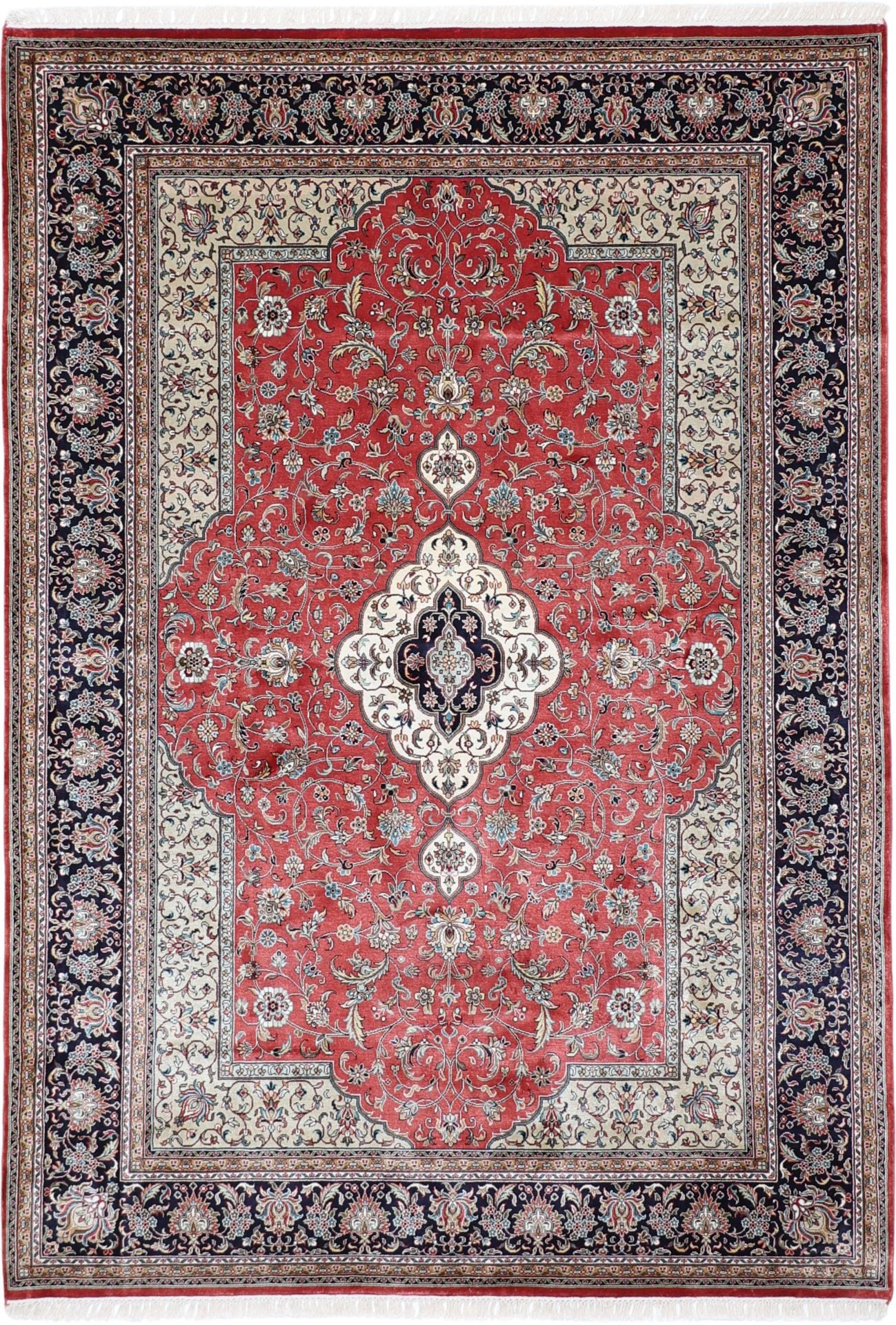
“The Art of Oushak Rugs: Tradition, Craftsmanship and Timeless Beauty”
Carpets: The timeless beauty and heritage of craftsmanship
Carpets are much more than just floor coverings; they are works of art that tell stories, reflect cultures, and transform spaces in unique ways. In this article, we delve into the fascinating world of carpets, with a special focus on Oushak carpets, known for their craftsmanship, colors, and timeless beauty. We'll explore the traditions, techniques, and cultural contexts behind these extraordinary textiles.
The history of carpets
The origins of carpet art go back thousands of years. The oldest known carpets come from Iran and date back to the 5th century BC. Carpets were originally made as practical objects to protect the floor and provide warmth. Over time, however, they evolved into works of art that combine craftsmanship and creative design.
Carpets have been produced in many cultures, including the Mediterranean, Central Asia, and India. Each region has developed its own styles and techniques, reflecting cultural influences and historical contexts. Oushak carpets are a particularly outstanding example, having evolved over the centuries and are still prized today.
The Oushak carpets: A masterpiece of tradition
Oushak rugs originate from the city of the same name in Turkey and are known for their vibrant color palette and unusual patterns. They have a long history dating back to the 15th century and are characterized by their unique knot structure, which gives them a special texture and durability.
Traditional Oushak rugs are hand-knotted, with the art of knotting passed down from generation to generation. These rugs are often made of wool, which gives them a natural softness and durability. The use of vegetable dyes ensures that the colors remain vibrant and can be harmoniously integrated into various interior styles.
The craft of carpet weaving
The process of rug weaving is a complex craft that requires precision, patience, and creativity. Several steps are involved in making an Oushak rug:
1. Design and Pattern
Creating a rug begins with choosing a pattern or design. Oushak rugs are often decorated with floral motifs or geometric shapes. Artists trace the pattern templates onto a grid pattern, which serves as a guide to ensure the knots are placed evenly and according to the design.
2. Material selection
The choice of materials is crucial for the quality of the final product. Traditionally, wool, silk, or cotton are used. Oushak rugs predominantly use wool obtained from the region's sheep. Natural dyes from plants, minerals, and insects are also used to create vibrant and long-lasting colors.
3. Knotting technique
The most important step in rug making is knotting. Each knot is created by hand and requires skill and precision. Oushak rugs often use the sari and Persian knotting techniques, each adapted to specific design requirements.
4. Washing and finishing
After the rug is knotted, it must be washed and cared for to remove excess dyes and increase softness. After drying, the fringes are trimmed and the rug is inspected to ensure it meets high quality standards.
The symbolism of Oushak carpets
Oushak rugs are not just decorative elements, but also carry symbolic meanings. The colors and motifs used often have historical or cultural connotations:
Color symbolism
The colors in Oushak rugs are not chosen arbitrarily. Each color carries its own meaning:
- Red: Symbolizes passion and energy.
- Blue: Represents peace and tranquility.
- Green: Represents growth and nature.
- Yellow: Symbolizes joy and inspiration.
Motivik
The patterns of Oushak rugs often reflect nature, with floral and geometric designs that reflect the influence of the region's landscape and culture. These motifs can tell stories and preserve traditions.
The charm of Vintage Ouschak carpets
Vintage Ouschak rugs are enjoying increasing popularity, as they are not only aesthetically pleasing but also have a story to tell. Many of these rugs are over 50 years old and have developed a unique character over time. The signs of wear and color variations make each rug one of a kind and lend it a nostalgic charm.
Also are Vintage Ouschak rugs are often of higher quality than modern versions because they are made using traditional methods and materials. Their durability means they can last for generations, while also bringing a touch of history and tradition to your home.
Tips for caring for Oushak rugs
Carpet care is crucial to maintaining their beauty and longevity. Oushak rugs are relatively easy to care for, but they do require some basic maintenance:
1. Regular vacuuming
Vacuuming is the best way to remove dirt and dust that can accumulate over time. However, avoid vacuuming the carpet with a rotating brush, as this can damage the fibers. Instead, use a gentle suction nozzle.
2. Instant stain removal
Accidents happen, so it's important to treat spills or food immediately. Use a clean cloth and blot the stain instead of rubbing to avoid damaging the fibers. A mixture of water and mild detergent can help remove the stain.
3. Professional cleaning
It's recommended to have carpets professionally cleaned every few years. This helps remove ingrained dirt and unpleasant odors, keeping your carpets in top condition.
4. Avoid direct sunlight
Avoid placing your Oushak rug in direct sunlight, as this can fade the colors. Use curtains or blinds to dim the light.
The importance of carpets in interior design
Rugs play a crucial role in the interior design and conception of a room. They can be used to define different areas within an open space or to create a cozy atmosphere within a room. An Oushak rug can serve as a central design element and add a touch of elegance to any room.
Thanks to their rich colors and patterns, Oushak rugs can be a harmonious addition to both modern and traditional spaces. They are ideal as a focal point, but also as a soft backdrop for other furniture and decorative elements.
Conclusion: The timeless appeal of Oushak rugs
Oushak rugs represent not only the highest level of craftsmanship, but also a history deeply rooted in culture. Their colors, patterns, and knotting skills reflect centuries of tradition and have found their place as valuable collectibles in both modern and classic interiors.
Whether as a focal point of a room or a tasteful addition, Oushak rugs bring beauty, warmth, and character to your home. Their durability and timeless appeal make them a wonderful investment that can be passed down from generation to generation.
Frequently Asked Questions (FAQ)
1. What are the main characteristics of an Oushak rug?
Oushak rugs are known for their vibrant colors, unique pattern designs, and the use of high-quality, natural materials. They are characterized by an artistic knotting technique and a striking, often floral design.
2. How do I recognize the quality of an Oushak rug?
The quality of an Oushak rug can be determined by several factors, including the number of knots per square inch, the materials used, the color intensity, and the craftsmanship. High-quality rugs are typically thicker and have an intricate, detailed pattern.
3. Are Oushak rugs suitable for allergy sufferers?
Yes, many Oushak rugs are made from natural materials, making them an eco-friendly choice. They are less prone to allergens than synthetic rugs. However, allergy sufferers should ensure the rug is cleaned regularly to minimize dust and allergens.