The art of oriental carpets: traditional craftsmanship and its timeless beauty
The art of carpets: traditional craftsmanship and its timeless beauty
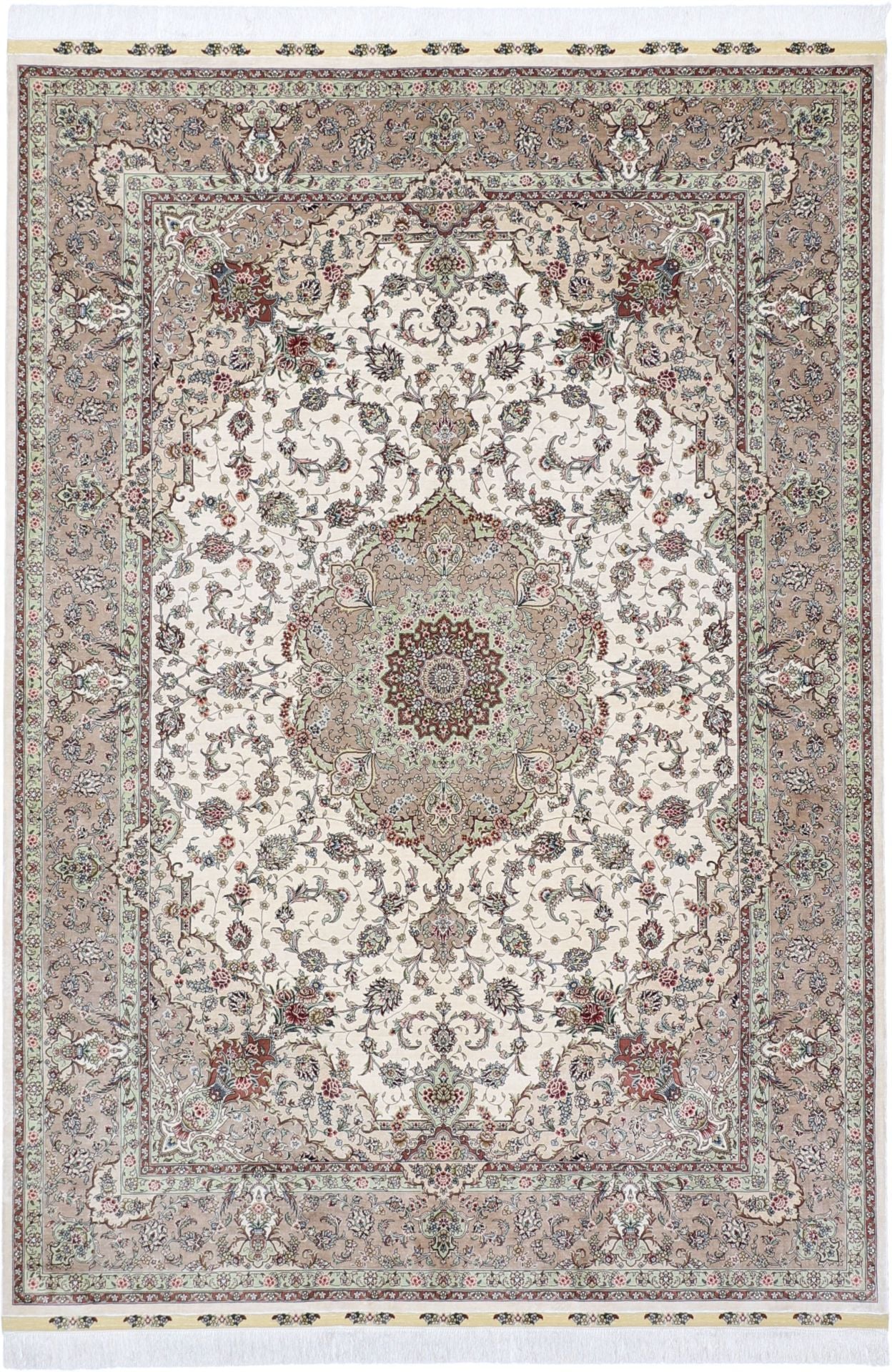
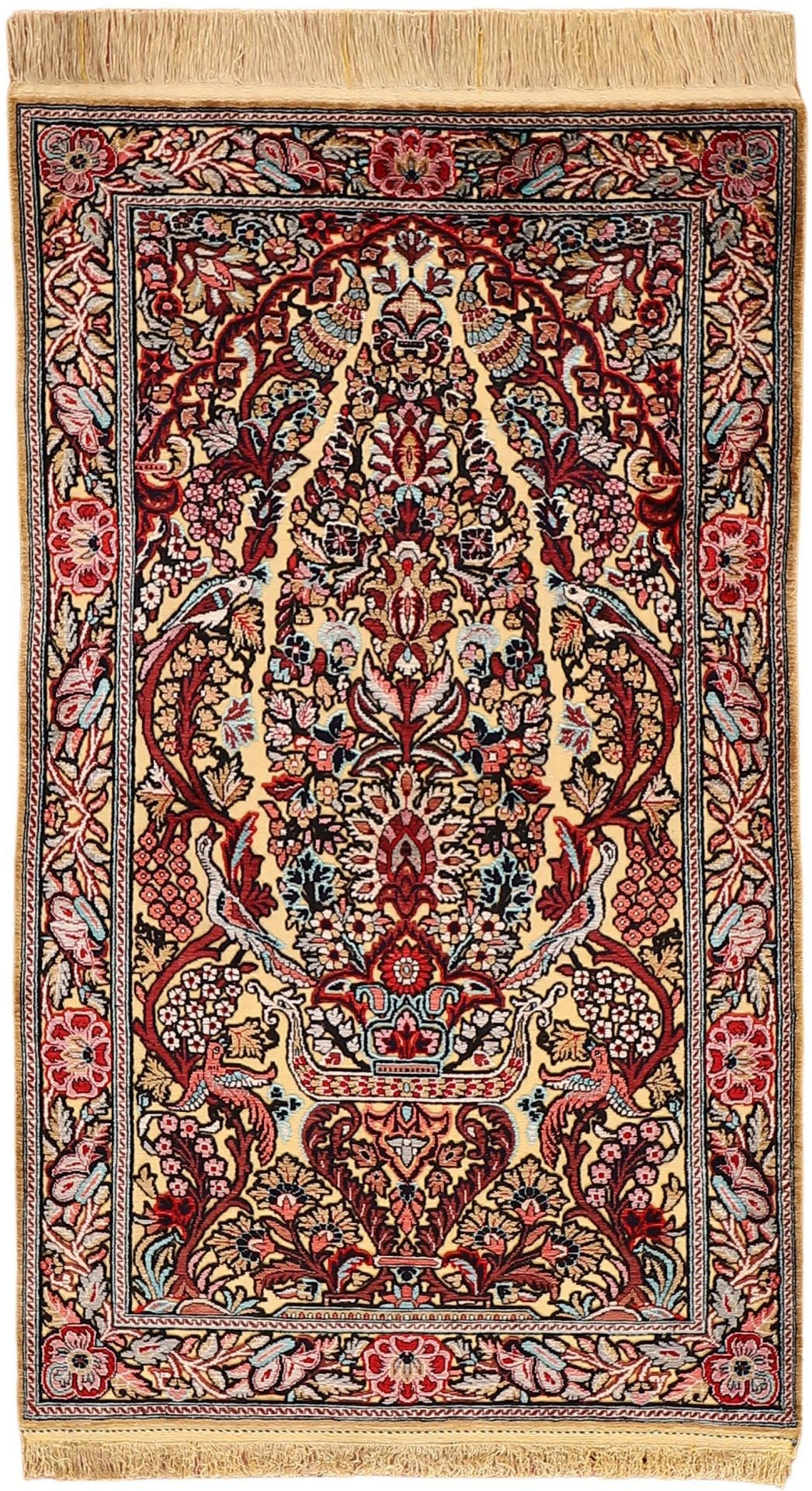
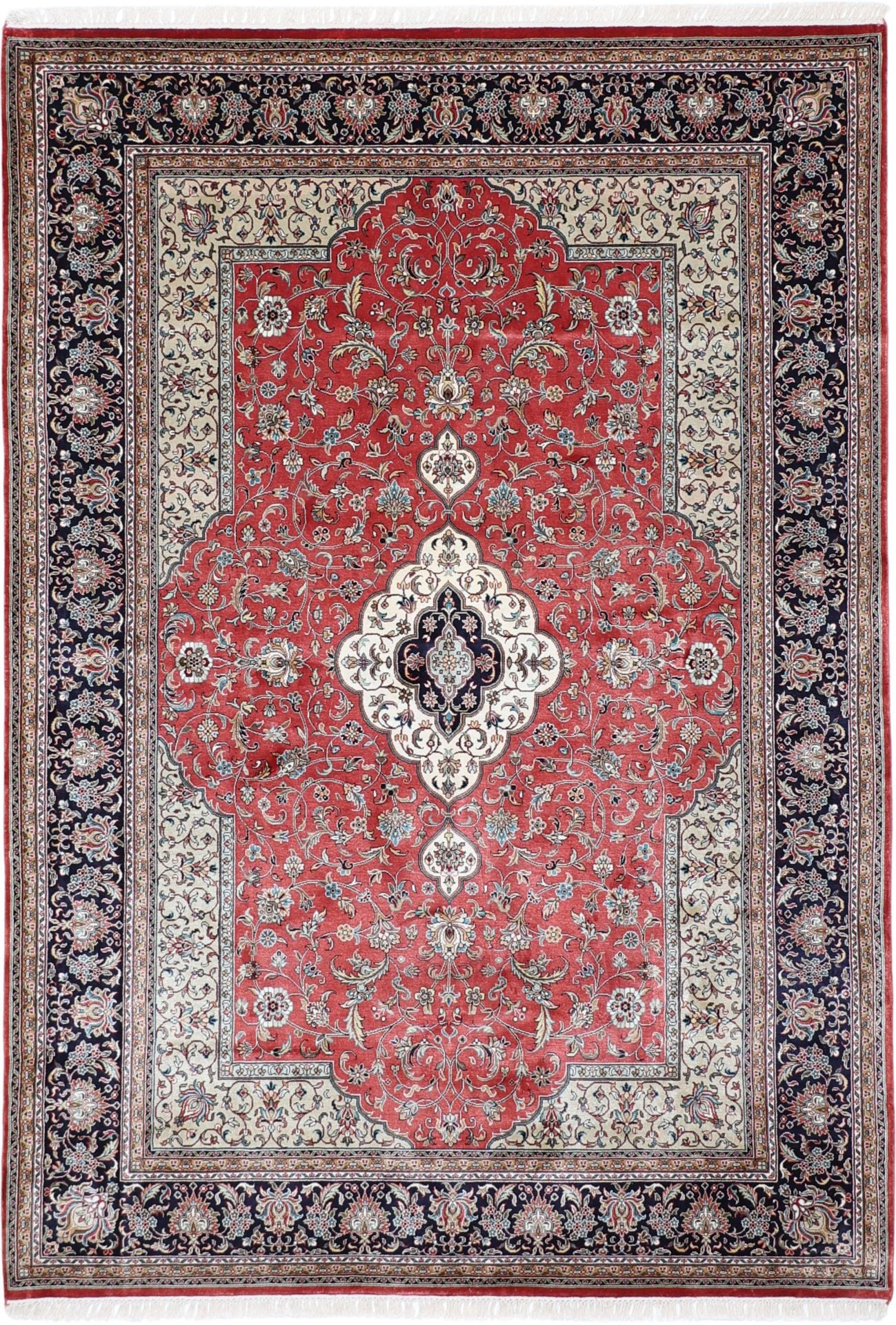
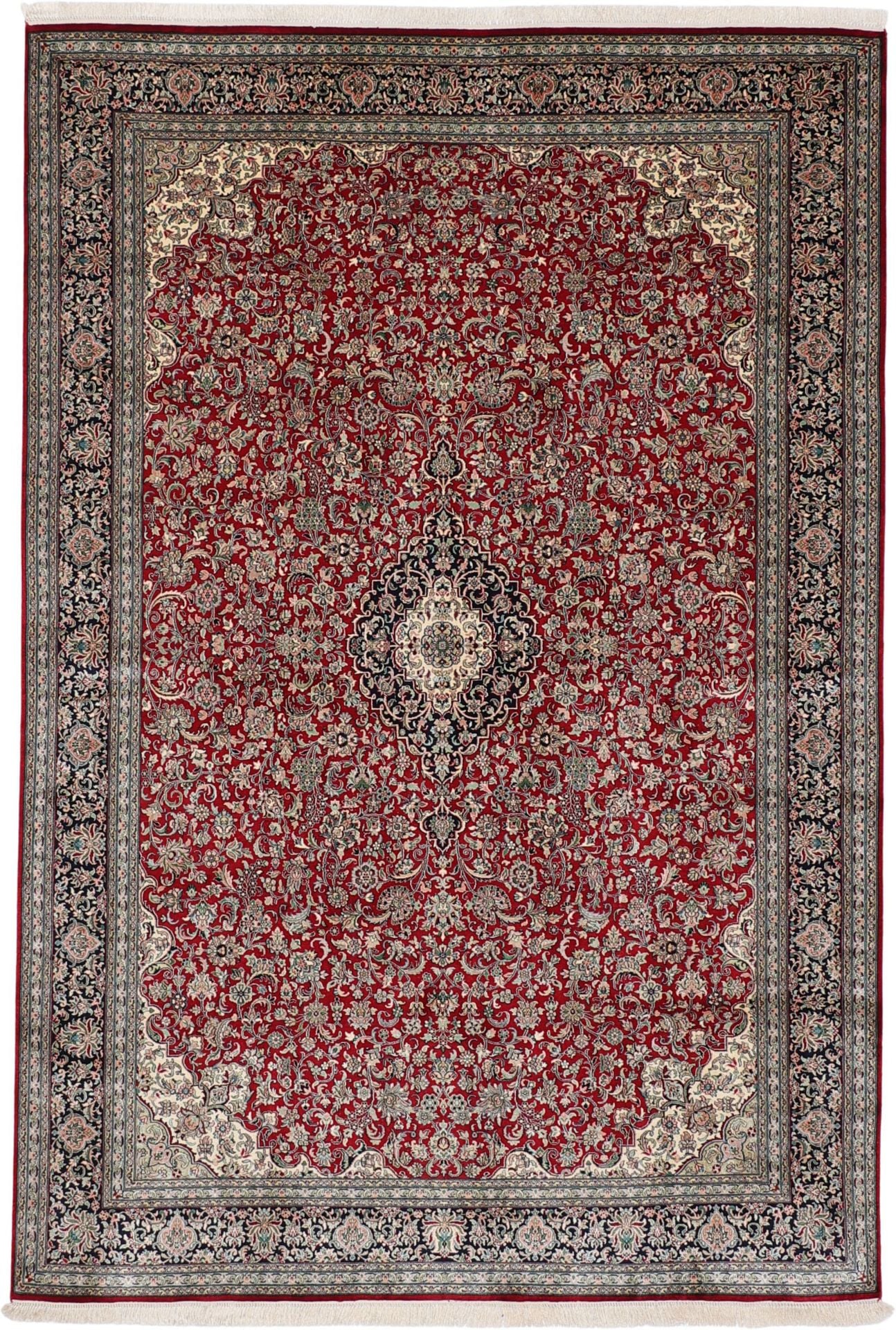
Carpets are more than just floor coverings; they are an expression of culture, craftsmanship, and individual aesthetics. Oriental carpets, in particular, have a long history and are distinguished by their attention to detail and variety of patterns and colors. In this article, we delve deep into the world of carpets and explore their various aspects – from production and care to their cultural significance.
The history of carpets
The history of carpets dates back to ancient times. The earliest examples were found in Central Asia and date back to the 5th century BC. These first carpets were often simple in design, but over the centuries, various styles and techniques developed. The ancient Silk Road played a crucial role in the exchange of cultures and, consequently, carpet designs.
With the spread of Islam in the 7th century AD, carpets experienced a real boom in the Islamic world. Carpets were used not only in private homes, but also in mosques and palaces. In Islamic art, every pattern and color has a deeper meaning, inspired by Allah and nature.
The manufacturing processes
material selection
Oriental rugs are traditionally made from natural materials, with wool, silk, and cotton being the most common options. Wool rugs are durable and can withstand the wear and tear of everyday life. Silk rugs, on the other hand, are more delicate and lustrous, giving them an elegant touch. Cotton is often used as the basis for the backing of rugs, as it provides durability.
Twisting the yarns
The yarns are often hand-spun, which not only influences the texture but also promotes the strength and durability of the rug. Hand-spun yarns are more irregular than industrial versions, giving each rug a unique character.
Knotting techniques
Knotting is a central element in carpet making. There are different knot types, such as the Persian and Turkish knots. The Persian knot is more complex and results in a higher knot density, allowing for finer patterns. The Turkish knot is simpler and provides a more robust texture.
Coloring
The colors of the carpets often come from natural dyes extracted from plants, minerals, and insects. These colors are not only environmentally friendly but also sustainable. They give the carpet a vibrancy that often cannot be achieved with chemically produced dyes.
Finishing
After the knotting process, the rug is finished by washing and drying. This is crucial to remove dirt and excess dyes and to bring out the original colors. Trimming the seams and adding embellishments also takes place during this phase.
Meaning of carpets in different cultures
In many cultures, carpets are more than just furnishings; they are part of traditions and customs. In Persian culture, for example, carpets symbolize wealth and status. At weddings, carpets often decorate the ceremony area and tell stories about the region's history and traditions.
In Moroccan culture, carpets are often handmade, unique pieces, crafted by BerberThese rugs are made by women. Each rug tells the story of its creator and reflects the lifestyle of the nomadic community. The patterns and colors can often represent specific tribes or families.
Carpets in modern interiors
Variety of styles
Today, rugs are available in a wide variety of styles. From classic Persian rugs to modern geometric patterns, rugs offer the perfect accessory for every interior style. Combining different rugs also creates a vibrant and individual look.
Carpets as works of art
Carpets aren't just practical furnishings. Many people consider them works of art. Collectors invest in high-quality antique carpets, which often fetch astonishing sums. The value of a carpet is determined not only by its age, but also by its quality, the materials used, and the craftsmanship.
Sustainability
The use of natural materials and artisanal production make carpets a sustainable choice for environmentally conscious buyers. More and more companies are adopting fair trade practices and environmentally friendly production techniques to reduce the carpet industry's ecological footprint.
Care and cleaning of carpets
Regular maintenance
Carpet care is crucial to extending their lifespan. Regular vacuuming removes dirt and dust that can become trapped in the fabric. Be sure to use a low suction setting to avoid damaging the fibers.
stain removal
When it comes to stains, quick action is required. Fresh stains should be dabbed immediately with cold water and a clean cloth. Avoid aggressive cleaning agents that could bleach the colors or damage the material. For stubborn stains, it may be advisable to consult a professional.
Professional cleaning
Professional cleaning is recommended, especially for valuable oriental rugs. Experts have the necessary knowledge and the appropriate tools to clean rugs gently and effectively.
Buying a carpet
Choosing the right carpet
Choosing a rug should be carefully considered. Factors such as room size, decor style, and color palette play a key role. A rug that's too small in a large room can feel lost, while an oversized rug can overwhelm the space.
Hand-knotted vs. machine-made carpets
Hand-knotted rugs are often more expensive, but offer the uniqueness and quality that many buyers seek. Machine-made rugs, on the other hand, can often be more affordable and easier to clean. It all depends on individual preferences and budget.
Where buy?
Ideally, purchasing a rug should be done from a specialist retailer or online store. Try viewing the rugs in person to better assess their texture and colors. Online stores often offer a wide selection, making it easier to find the perfect rug.
Conclusion
Rugs are not just practical furnishings, but also small works of art that tell stories and preserve traditions. Their timeless beauty and the craftsmanship involved in their creation make them a valuable part of any home décor. Whether you choose a classic oriental rug or a modern one... Designer-Searching for carpets, the diversity and richness of history behind each piece are fascinating and inspiring.
Invest in a rug and let it not only beautify your home but also enrich it with culture and meaning.
FAQ
1. How do I recognize a high-quality oriental rug?
A high-quality oriental rug is characterized by a high knot density and fine materials such as wool or silk. Pay attention to the craftsmanship and the quality of the colors; natural dyes are often more vibrant and long-lasting than synthetic ones.
2. How do I best care for my carpet?
Regular vacuuming helps remove dust and dirt. If stains occur, promptly clean with cold water and a cloth. For thorough cleaning, it's important to have the carpet professionally cleaned occasionally.
3. Where should I place my rug?
Placement depends on the size of the room and your interior design style. Make sure the rug integrates harmoniously into the space and is both practical and aesthetically pleasing. You should also consider footprints and traffic flow in the room to minimize wear and tear.