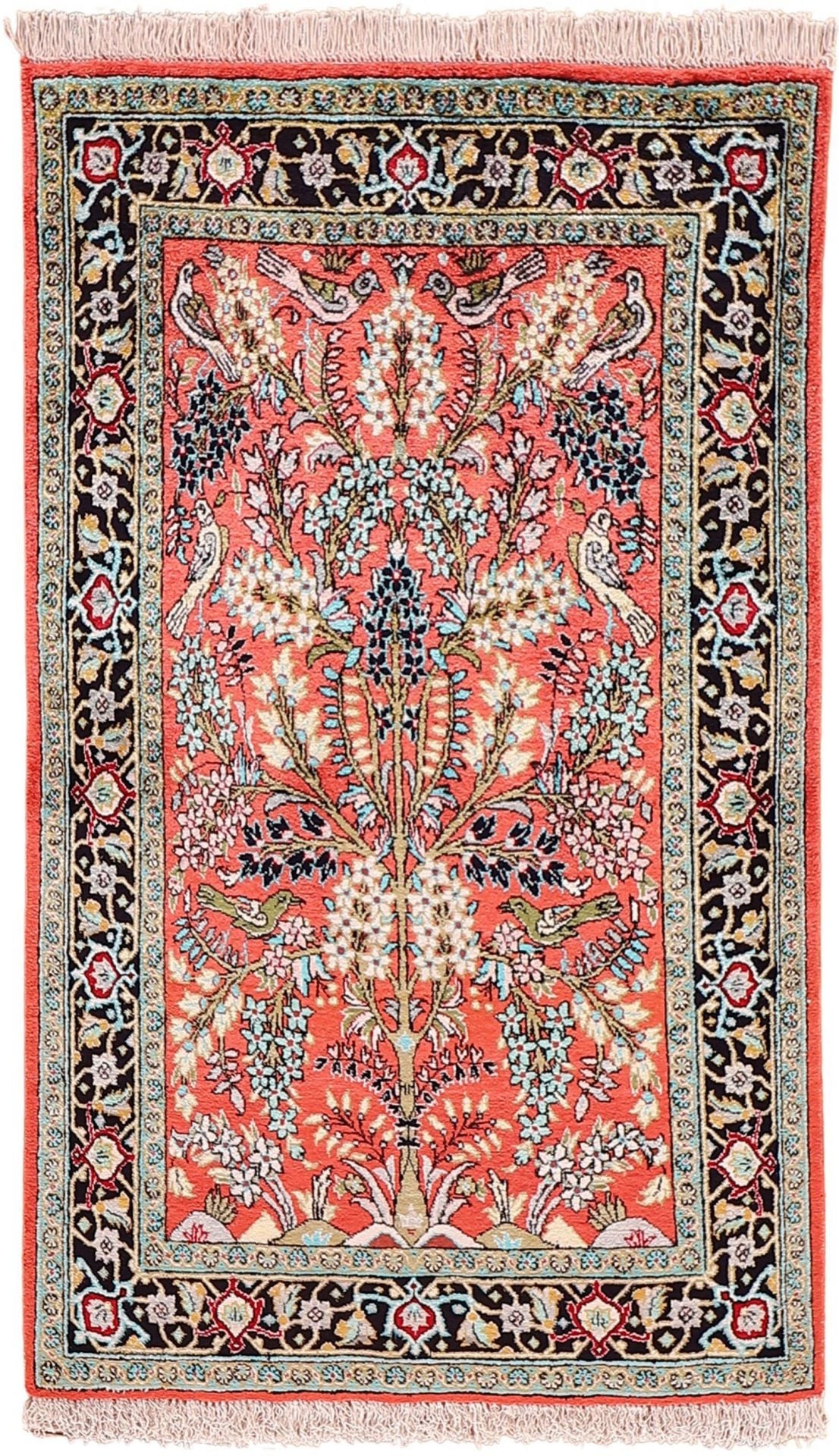
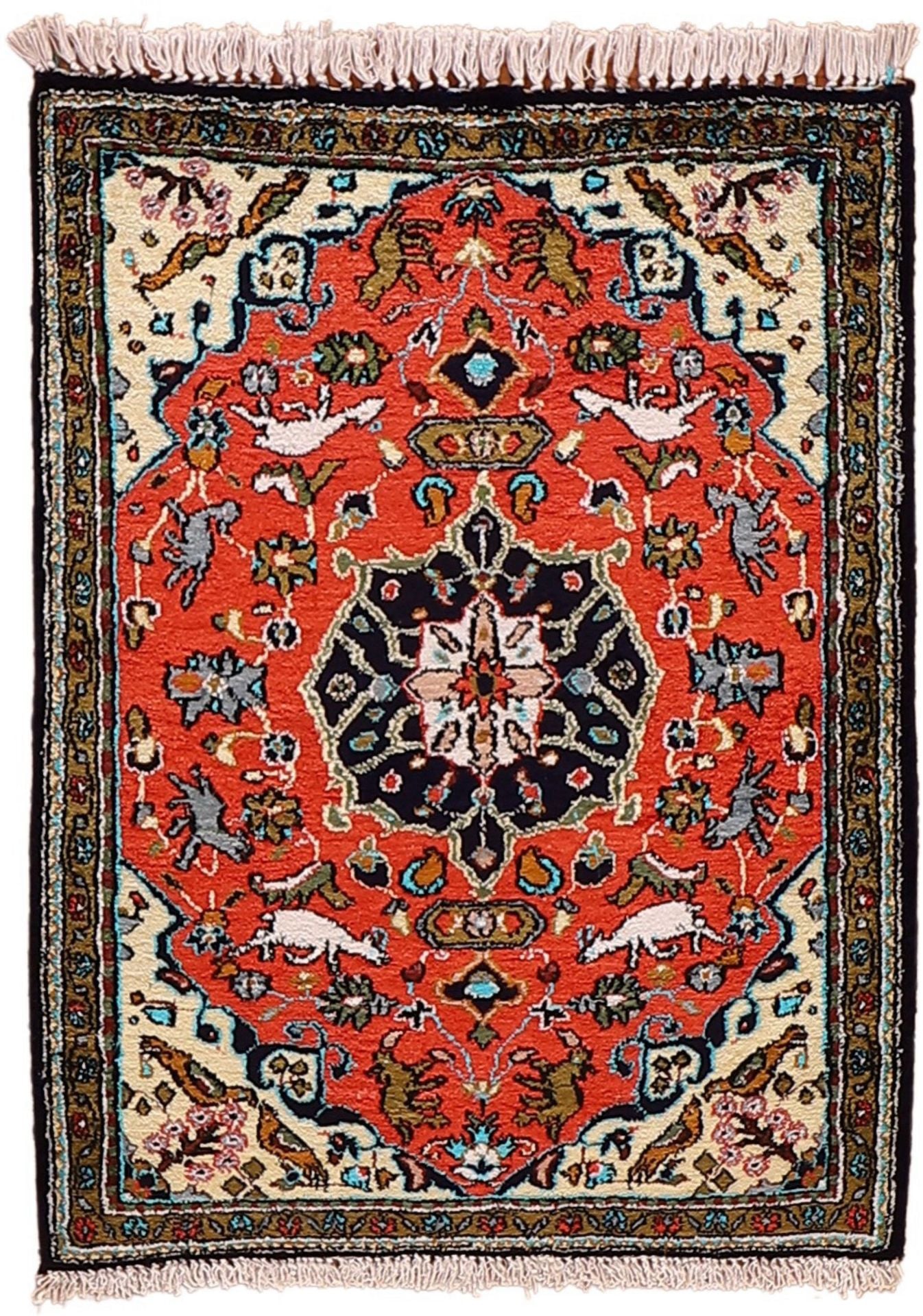
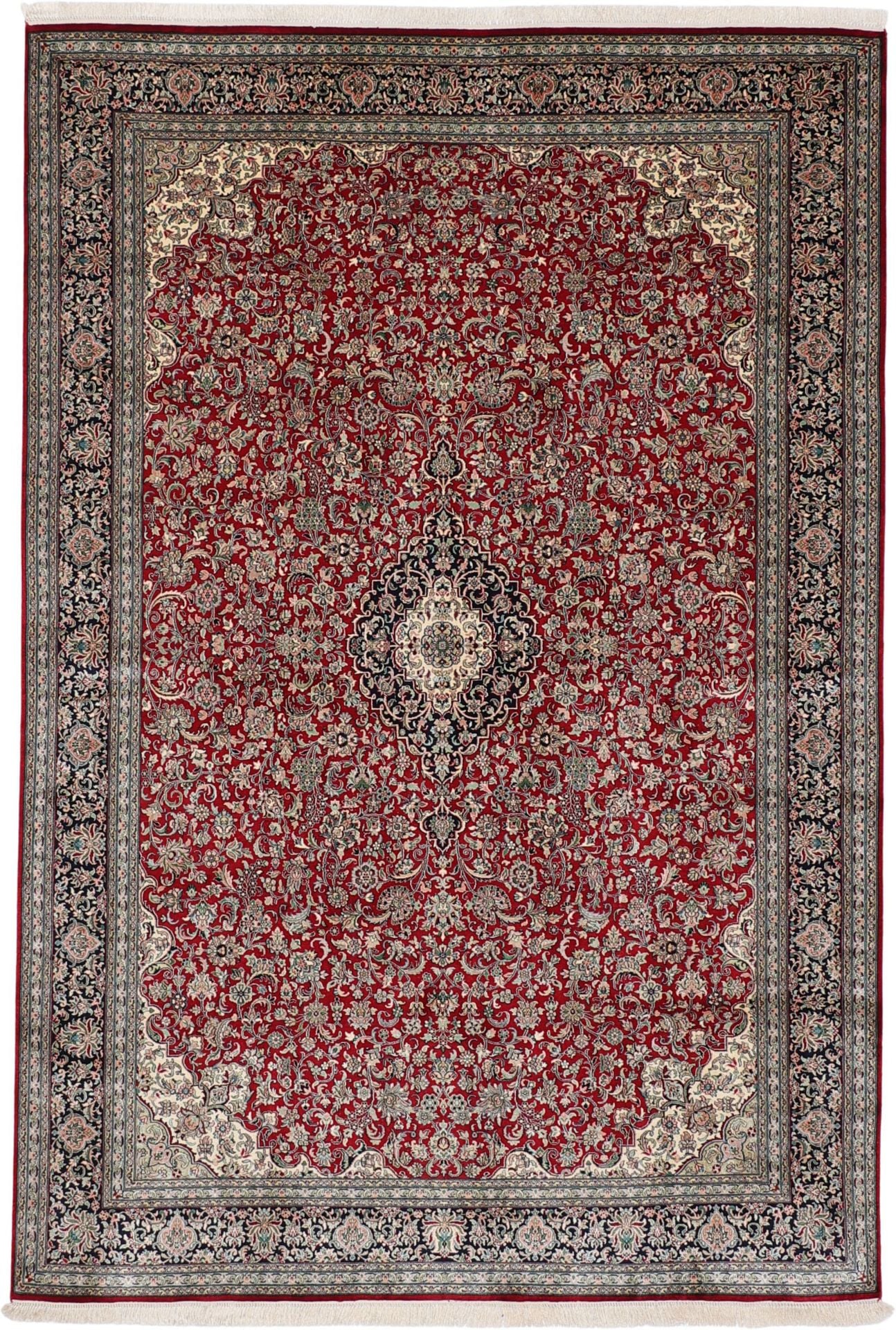
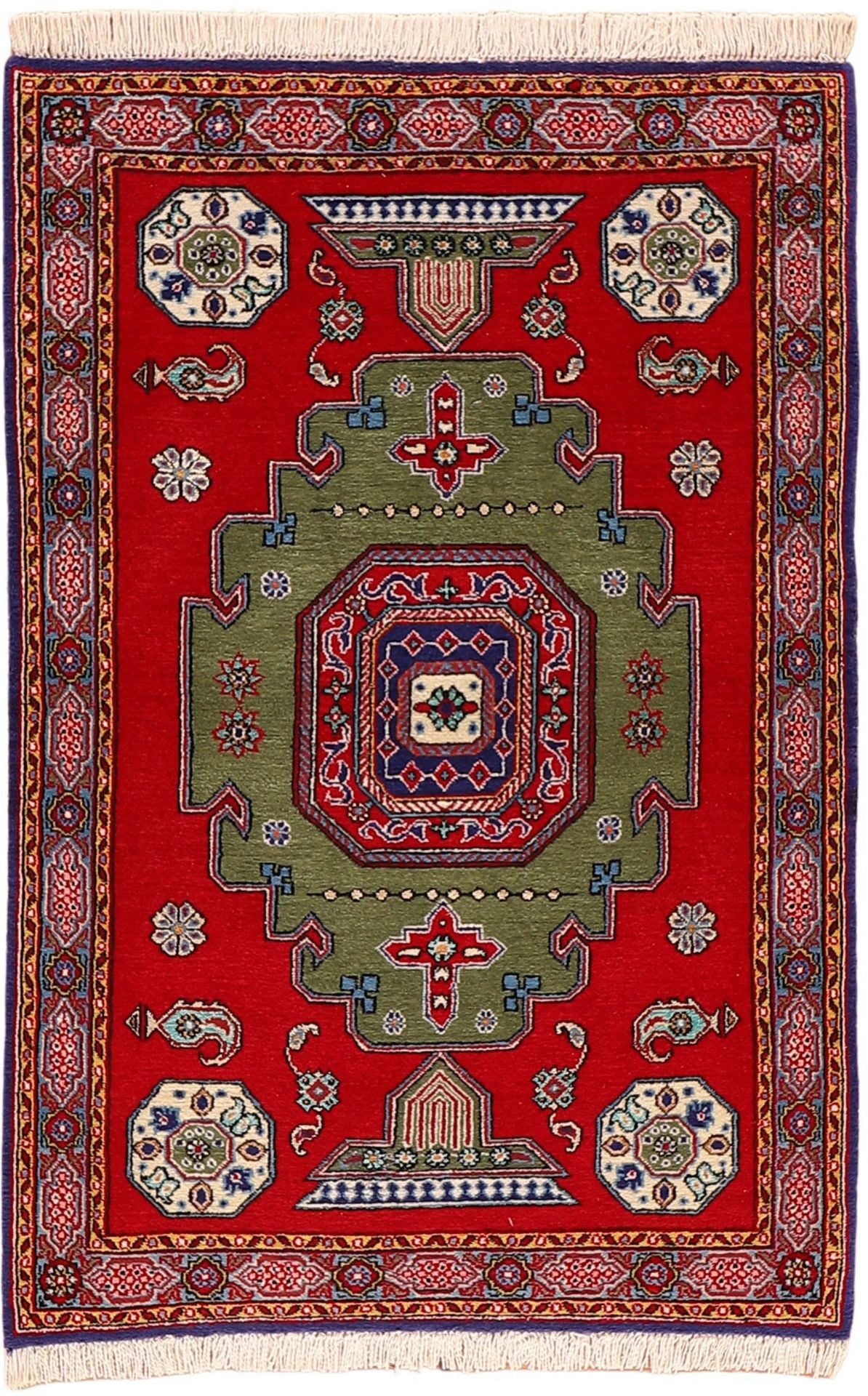
The art of oriental carpets: tradition, craftsmanship and timeless beauty
The fascination of oriental carpets: tradition, craftsmanship and timeless beauty
Carpets are more than just floor coverings. They are works of art that tell stories and keep traditions alive. Oriental carpets, in particular, originating from the Middle East and Central Asia, have gained worldwide appeal due to their vibrant colors, fine craftsmanship, and cultural significance. In this article, we will explore the world of oriental carpets, illuminating their history and the complex craftsmanship behind their production, and discover why they are considered timeless beauties.
1. The history of oriental carpets
1.1 Origins in the Middle East
The origins of oriental carpets date back to ancient times. Archaeological finds show that carpets were already being made in Persia in the 5th century BC. These early carpets were often woven from sheep's wool or goat's hair and featured simple geometric patterns. Over time, the craft evolved, and carpet-knotting techniques emerged, allowing for a wide variety of designs and colors.
1.2 The heyday of carpet art
Over the centuries, oriental carpets experienced various periods of flourishing. Carpet art reached its peak during the Safavid dynasty (1501–1736) in Persia. During this time, carpets were valued not only as floor coverings but also as wall hangings and prestige objects. Master craftsmen created exquisite designs that often included floral, geometric, and figurative motifs.
1.3 Cultural influences
The art of carpet weaving was influenced not only by the respective cultural circumstances, but also by the trade routes that led through the Orient. The exchange of ideas and techniques contributed to the diversity of carpet styles: Turkish, Persian, Indian, and Balinese carpets are just a few of the most famous examples.
2. The techniques of carpet making
2.1 materials
Oriental rugs are traditionally made from natural materials such as wool, silk, cotton, or goat hair. Wool is particularly known for its durability and natural luster, while silk offers shimmering surfaces and vibrant colors.
2.2 Knotting techniques
The two main techniques for making rugs are knotting and weaving. In knotting, the threads from the back of the rug are knotted to the front to create a dense, textured pattern. This technique requires great skill and can take weeks to months to complete, depending on the complexity of the design.
2.3 Coloring
Wool or silk is often dyed using natural dyes derived from plants, minerals, or insects. These traditional techniques not only guarantee a variety of colors but also environmentally friendly production.
3. The diversity of oriental carpets
3.1 Persian carpets
Persian carpets are probably the best-known Oriental carpets. They impress with their detailed patterns and a variety of colors that reflect regional styles. Among the most well-known types are: Isfahan, Tabriz and Kashan, each with its own distinctive designs.
3.2 Turkish carpets
Turkish carpets are known for their bold colors and geometric patterns. They are often produced in regions such as Anatolia and Cappadocia. These carpets are characterized by their vibrant aesthetic and the use of traditional motifs rooted in Islamic art.
3.3 Oriental carpets from India and Afghanistan
India and Afghanistan also have a rich tradition of carpet making. Indian carpets are known for their fine patterns and use of silk, while Afghan carpets are often made of wool and feature bold, rustic designs.
4. Care and maintenance of carpets
4.1 Regular cleaning
To preserve the beauty and longevity of oriental rugs, regular cleaning is crucial. Gently vacuuming and occasionally beating the rugs will help remove dust and dirt.
4.2 Professional cleaning
Every few years, consider professional cleaning to ensure the carpet is deep cleaned. This protects the colors and fibers and utilizes special techniques to prevent discoloration and wear.
4.3 The correct placement
Additionally, proper placement is an important aspect of carpet care. Too much sunlight can cause color fading, while humid conditions can cause mold and decay.
5. The timeless beauty of oriental carpets
5.1 Artworks for every room
Oriental rugs are more than just functional pieces; they are also works of art that add character and warmth to rooms. Whether in the living room, bedroom, or hallway, the diverse colors and patterns enhance any ambiance.
5.2 Emotional connection
The stories behind the rugs—from the region where they were made to the artisans who crafted them—create an emotional connection. Many people view the purchase of a genuine oriental rug as an investment in a piece of culture and history.
5.3 Sustainability and ethical production
At a time when sustainability is becoming increasingly important, oriental rugs offer an environmentally friendly alternative to mass-produced carpets. Their artisanal production ensures that each rug is unique and will last for many years, which in turn helps reduce the ecological footprint.
Conclusion
The world of oriental rugs is a fascinating combination of art, culture, and craftsmanship. Their diversity and the beauty of the embroidered and knotted patterns are an expression of tradition and history. If you are looking for a rug that is not only decorative but also has emotional and cultural significance, oriental rugs are a wonderful choice.
FAQ
FAQ 1: How do I recognize a genuine oriental rug?
A genuine oriental rug is often distinguished by its knotting technique, the quality of the materials, and the uniqueness of the designs. Pay attention to whether the back of the rug is as detailed as the front. A machine-made rug often has a strangely simple back.
FAQ 2: Are oriental rugs expensive?
The price of an oriental rug can vary greatly depending on factors such as size, materials, quality of craftsmanship, and the age of the rug. High-quality, hand-knotted rugs are generally more expensive, but also offer a long lifespan and increased value.
FAQ 3: Can I put my oriental rug under the washing machine?
We strongly advise against cleaning oriental rugs in a washing machine. Machine washing can damage the fibers and distort the colors. Instead, gently beat the rug or have it professionally cleaned.