The art of Nepal carpets: tradition, craftsmanship and timeless beauty
The art of Nepal carpets: tradition, craftsmanship and timeless beauty
Carpets are more than just floor coverings; they are works of art that tell stories and connect to the past and culture. Nepalese carpets, in particular, are known for their exquisite craftsmanship, stunning designs, and the use of high-quality materials. In this article, we will explore the fascinating world of Nepalese carpets, their traditions and techniques, the significant cultural backgrounds, and the timeless beauty they bring to any home.
Origin and history of Nepal carpets
Nepal has a rich history of carpet production dating back to the 15th century. Originally, carpets were made by nomadic peoples in the Himalayan regions to provide warmth and decorate furniture. The hand-knotted carpet tradition has evolved over centuries and has been strongly influenced by Buddhism and indigenous culture.
Influence of Buddhist art
The centuries-old tradition of Buddhist art has a significant influence on the designs and patterns of Nepalese carpets. Many carpets feature symbols associated with Buddhist teachings and Nepalese mythology. Depictions of lotus flowers, mandalas, and other spiritual elements are common, lending the carpets a deeper meaning.
Carpet making techniques
The craftsmanship involved in the production of Nepalese rugs is exceptional. Most rugs are hand-knotted, which requires immense time and patience. Craftsmen use traditional techniques passed down from generation to generation. Each rug is individually crafted and can take several months to a year to complete.
choice of materials
A key feature of Nepalese rugs is the use of high-quality materials. Most rugs are made from 100% virgin wool or silk, known for their durability and softness. Virgin wool is often obtained from sheep in the Himalayas, where the harsh climate makes the wool thicker and more durable. Silk, on the other hand, is used to make luxurious rugs with a smooth sheen.
Dyeing process
The dyeing of wool plays a crucial role in carpet production. Nepalese carpets are traditionally dyed with natural dyes derived from plants and minerals. This method is environmentally friendly and ensures vibrant and long-lasting colors. Natural dyes give the carpets a warm, authentic appearance.
The variety of designs
Nepalese rugs are available in a variety of designs, colors, and sizes to suit any interior style. From classic to contemporary patterns, there's something for every taste.
Traditional patterns
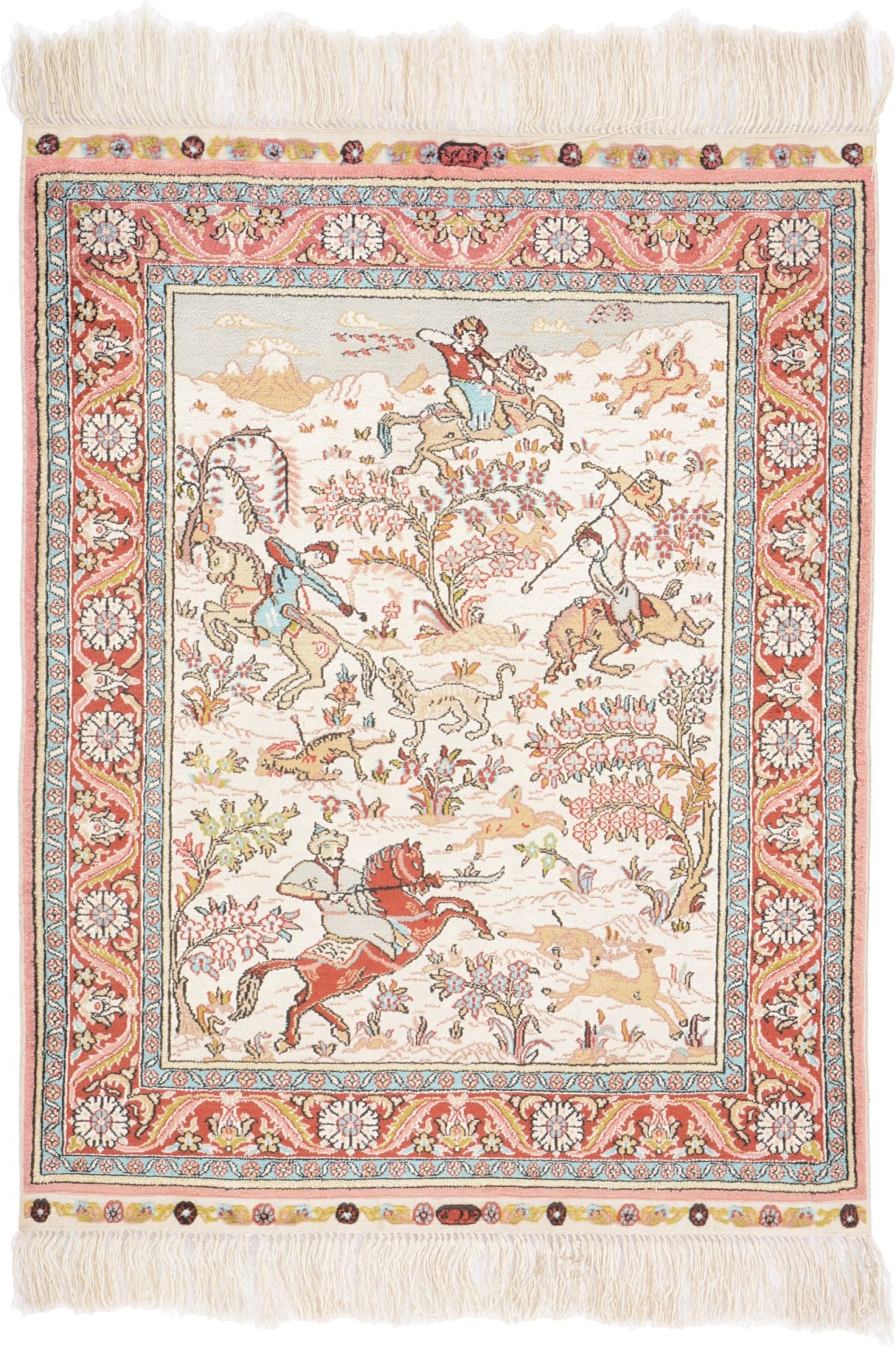
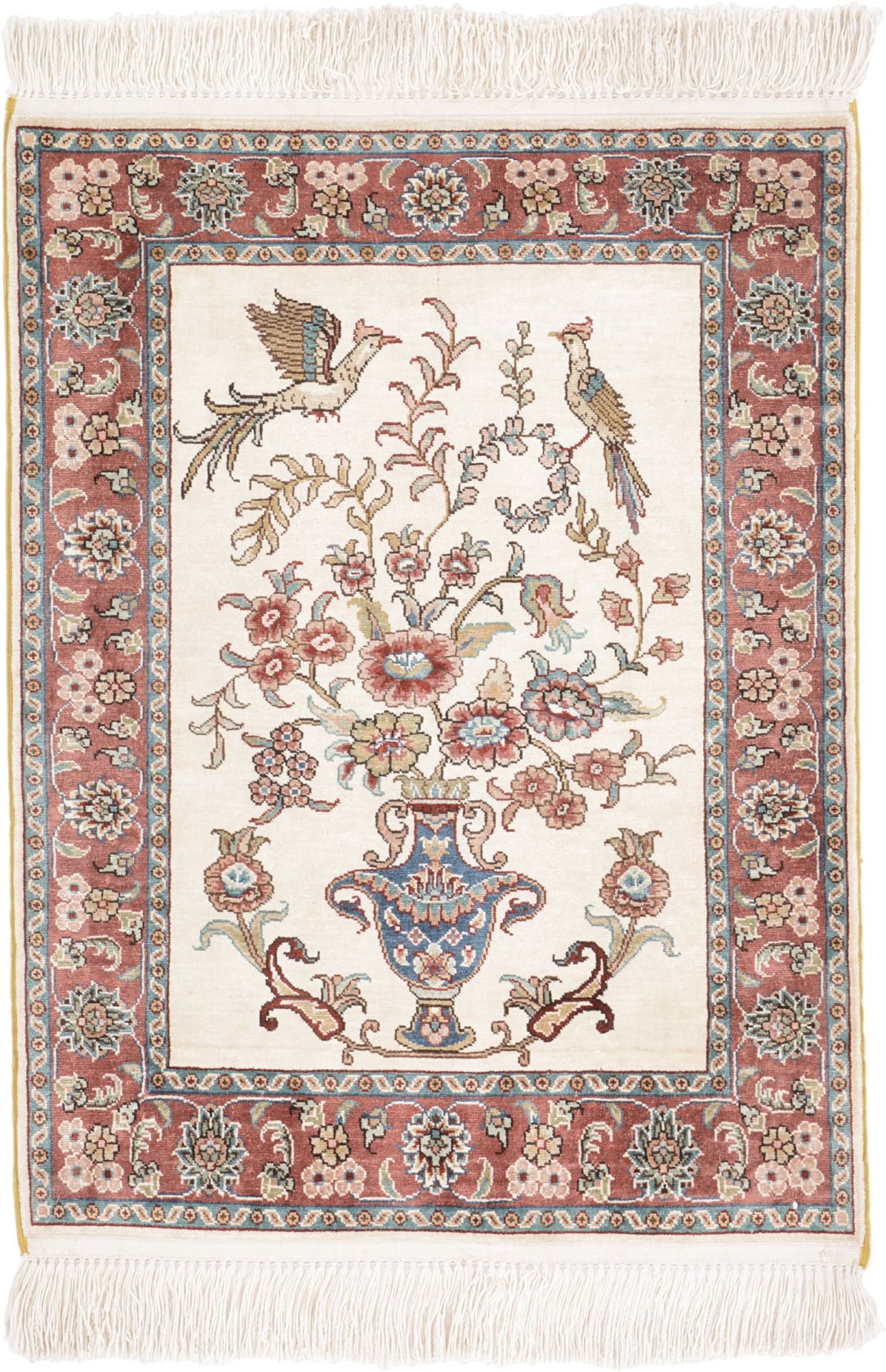
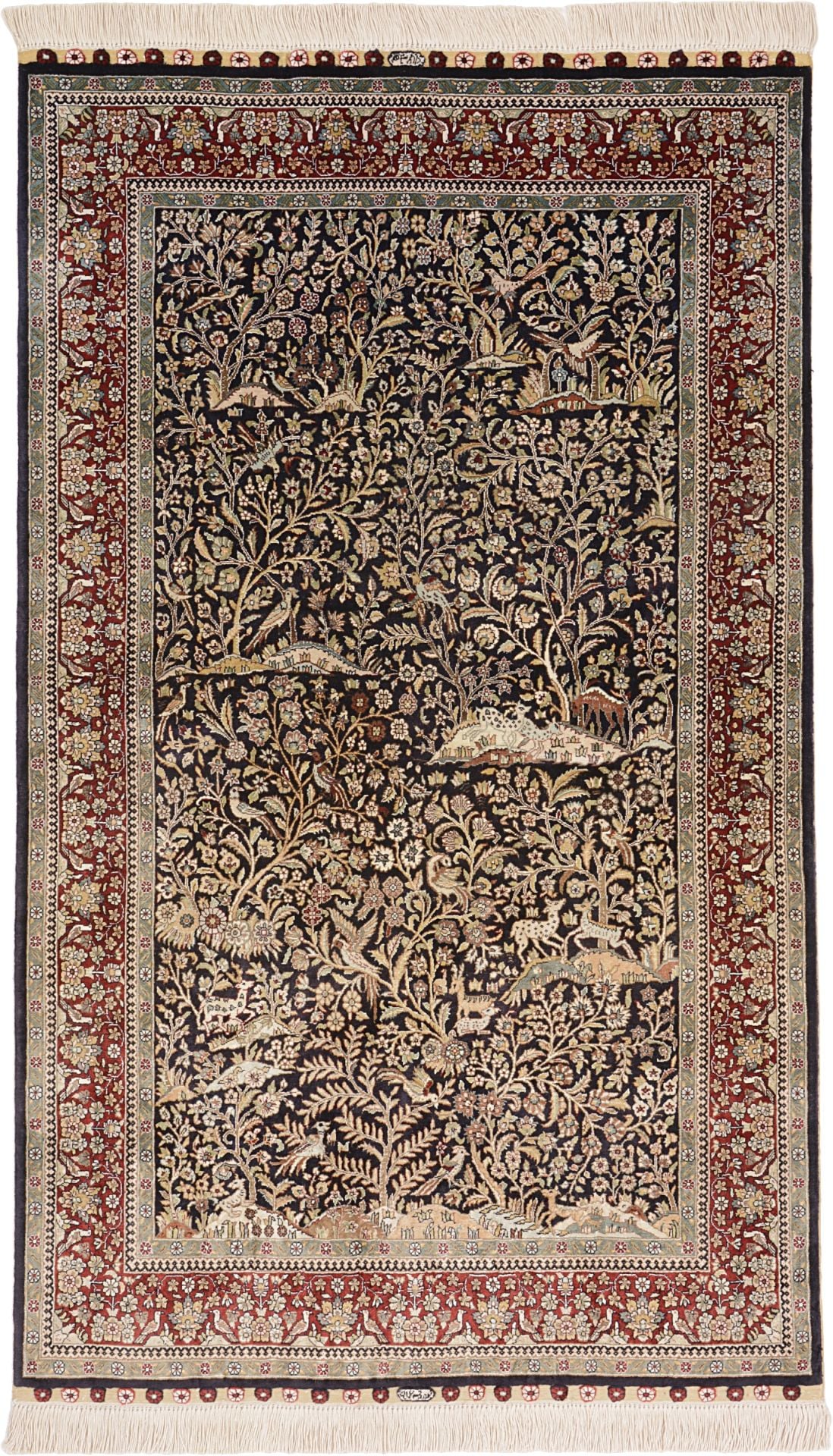
Traditional designs are often inspired by historical and cultural elements. The most popular patterns include floral motifs, geometric shapes, and sacred symbols. These rugs are ideal for lovers of classic interior design.
Modern interpretations
In recent decades Designer This led to a reinterpretation of traditional patterns and the addition of modern touches. As a result, Nepalese rugs now also include minimalist and abstract designs. Such rugs are particularly popular with younger generations and in contemporary living spaces.
Customizable themes
Another advantage of Nepalese rugs is the ability to create custom designs. Many artisanal businesses offer the option of customizing rugs according to the customer's specific wishes and ideas. This allows for a personal touch and makes the rug unique.
Care and maintenance of Nepal carpets
Caring for a Nepalese rug is crucial to maintaining its beauty and longevity. With proper methods and regular maintenance, a high-quality rug can last for generations.
Regular cleaning
One of the most important steps in carpet care is regular cleaning. It's recommended to vacuum the carpet weekly to remove dust and dirt. Use a vacuum cleaner with a gentle brush roller to avoid damaging the fibers.
Stain treatment
When it comes to stains, quick action is key. Use a soft cloth and a mild cleaner to gently blot the stain. Avoid harsh chemicals, as these can damage the color and texture of the carpet.
Professional cleaning
It's advisable to have your carpet professionally cleaned every few years. Professional cleaning services have the experience and specialized products to thoroughly clean a carpet without damaging the material.
Nepal carpets in modern interior design
Nepalese rugs not only bring warmth and comfort to any room, but also add stylish accents. They are extremely versatile and can be used in a variety of interior styles.
Boho-Chic
Nepalese rugs are particularly popular in the boho style. Their colors and patterns enhance the relaxed, artistic atmosphere that characterizes this interior design style. The combination of different textures and colors creates a harmonious and vibrant environment.
Minimalism
With its minimalist design, a Nepalese rug offers the perfect contrast to simple furniture and clean lines. A simple geometric pattern or a soft color can act as an eye-catcher and add a warm touch to the room.
Classic elegance
Classic Nepalese rugs, with their ornate patterns and colors, are ideal for traditional interior design styles. They harmonize perfectly with antique furniture and lend any room a timeless elegance.
Conclusion
Nepalese rugs are a wonderful example of how art, tradition, and craftsmanship come together to create timeless pieces. Their beauty and versatility make them an excellent choice for any home. Through the use of high-quality materials and attention to detail, these rugs not only contribute to the aesthetics of a room but also to the preservation of a rich culture and history. Whether traditional or contemporary, a Nepalese rug can become the centerpiece of your interior.
FAQ
1. How do I recognize a genuine Nepal carpet?
A genuine Nepalese rug is characterized by several features: high-quality materials such as hand-knotted virgin wool or silk, a dense knot count per square meter, natural dyes, and often hand-stitched edges. A closer look at the weave should be on the lookout for irregularities, as handmade rugs are never perfect.
2. How much should I invest in a Nepal rug?
The price of a Nepalese rug can vary greatly depending on factors such as size, material, knot density, and design. Simple models can be found starting at around €300, while more elaborate hand-knotted rugs can cost several thousand euros. Investing in a high-quality rug is worthwhile, as it will last for many years.
3. How do I best care for my Nepal rug?
To extend the lifespan of your Nepal rug, vacuum it regularly, treat stains promptly, and have it professionally cleaned every few years. Avoid direct sunlight to prevent color fading, and try not to place the rug in areas where it will be subject to heavy wear.