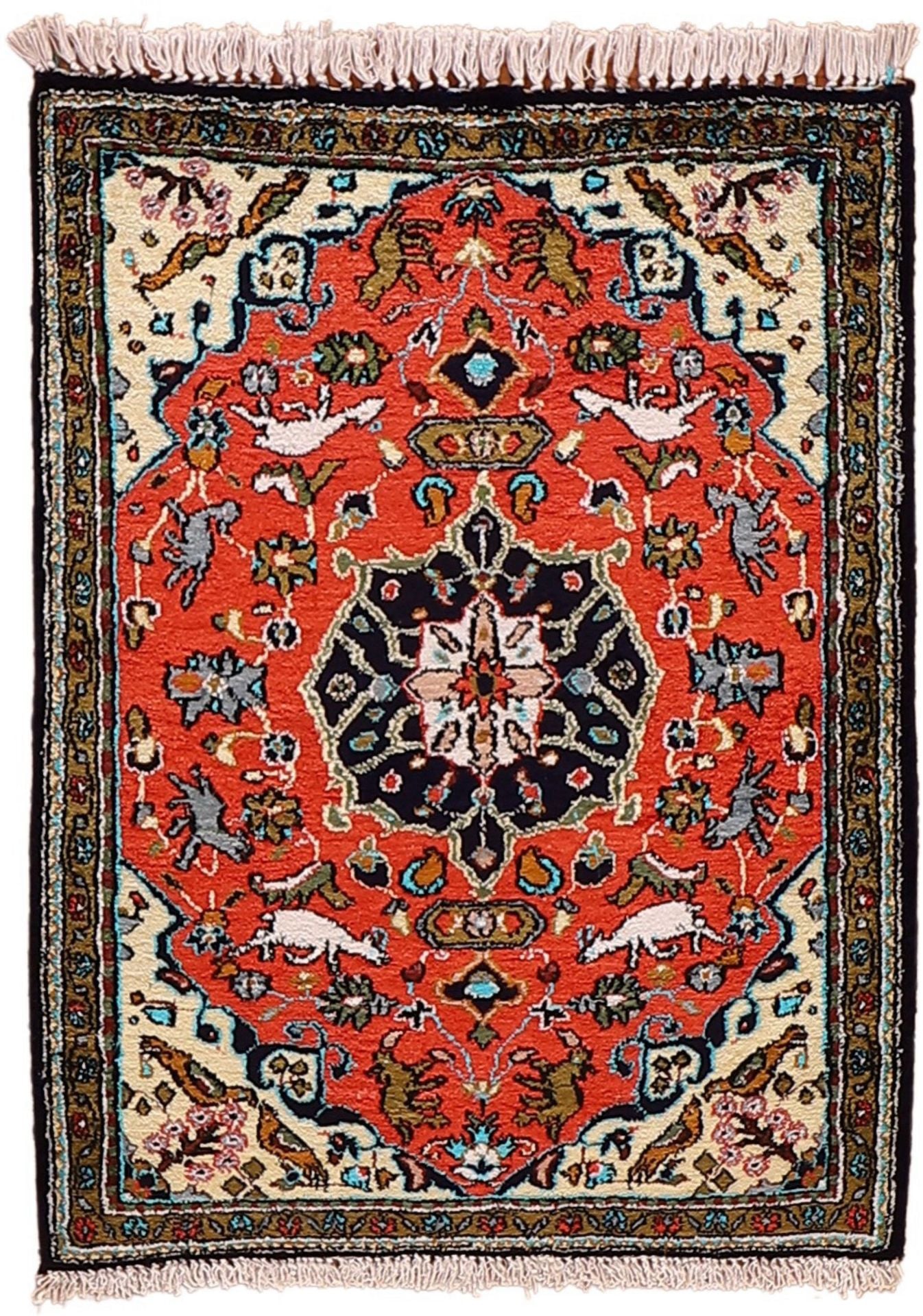
The art of knotted carpets: tradition, technique and timeless beauty
Introduction
Carpets are more than just floor coverings; they are works of art that have evolved over centuries from diverse cultures and traditions. Knotted carpets, in particular, captivate with their unique texture and intricate designs, and have earned a special place in the world of interior design. In this article, we will explore the art of knotted carpets, their traditions, techniques, and their timeless beauty.
The history of knotted carpets
The origins of knotted rugs date back to ancient times, where they originated in the nomadic cultures of Central Asia and the Middle East. These rugs were intended not only to decorate the floor but also to serve as insulating layers in tents and as wearable works of art. Over time, knotting techniques evolved, and rugs began to convey stories, religions, and cultural symbols.
Earliest examples
One of the oldest known examples of a knotted carpet is the Pazyryk Carpet, discovered during archaeological excavations in Siberia. Dating back to the 5th century BC, it already demonstrates a highly developed technique of knotting and dyeing. These early carpets are an expression of their makers' craftsmanship and testify to a wealth of symbolism.
The spread over centuries
During the Middle Ages, the art of carpet weaving experienced a renaissance in Persia, India, and Turkey. Under the rule of royalty and nobility, exquisitely crafted carpets were created, often featuring elaborate motifs and lush colors. Carpets became a status symbol, reflecting the owner's power and wealth.
Techniques of knotted carpet making
The production of knotted rugs requires a combination of technical precision and artistic skill. There are several techniques used in rug weaving, each with its own characteristics and unique features.
The knot
The knot is the heart of every carpet and can appear in various forms. Two of the most well-known knotting techniques are the Persian knot and the Turkish knot.
Persian knots: This knot, also known as an asymmetrical knot, is very popular and allows for complex patterns and high levels of detail. It is generally tighter and results in a softer texture.
- Turkish knot: Also known as a symmetrical knot, this knot is easier to tie and results in a stable, durable carpet surface.
Materials
The choice of materials influences not only the functionality and durability of the rug, but also its aesthetics. The most common materials include:
Wool: Known for its durability and natural sheen. Wool also has good insulating properties and retains its color well.
Silk: It gives the carpet a luxurious sheen, but is less durable than wool. Silk borders are often used for luxurious accents.
- Cotton: Often used for the warp threads of a carpet and can also be woven into the pile structure.
Dyeing techniques
In addition to the knotting technique, the dyeing of the wool also plays a central role. Traditionally, plant dyes were used, but with industrialization, synthetic dyes also came into play.
Natural colors: These are environmentally friendly and give the carpet a unique depth of color that does not fade over the years.
- Synthetic colors: These provide strong and uniform colors, but are less environmentally friendly.
The beauty of knotted carpets
Knotted rugs are not only functional elements in our living spaces, but also timeless works of art. Their beauty stems from several aspects:
patterns and designs
The patterns of knotted rugs are diverse and range from geometric shapes to floral designs. These patterns often have deeper meaning and reflect cultural or religious traditions.
variety of colors
The color palette of a knotted rug can be breathtaking. From earthy tones to bright, vibrant colors, there's something for every taste. The color combinations can evoke strength and emotion, creating a unique ambiance for each rug.
Craftsmanship
The craftsmanship behind the creation of a knotted rug is unparalleled. The time, patience, and precision that go into knotting a rug make it a treasured heirloom, often passed down through generations.
Knotted carpets in modern interiors
Today, knotted rugs have found their place in modern interior design. They bring warmth, texture, and style to our living spaces and can complement a variety of decor styles.
Minimalism
Knotted rugs in simple, monochrome designs are a perfect fit for minimalist spaces. Their understated appearance doesn't distract from the overall aesthetic, but rather blends harmoniously.
Bohemian style
In the Bohemian style, bold colors and complex patterns set accents. Knotted rugs are often the focal point and contribute to the individual personality of the room.
Classic and timeless
Traditional knotted rugs can also be used in classic interior design styles. Their timeless elegance enhances any room and adds a special touch.
Care and maintenance of knotted carpets
To preserve the beauty and longevity of a knotted rug, proper care is essential.
Cleaning
Cleaning a knotted rug should be done carefully. Regular vacuuming is important to remove dust and dirt. For deeper stains, it's advisable to consult professionals who are familiar with the specific type of material.
Care
To keep the colors vibrant, the rug should be protected from direct sunlight. When storing, the rug should be rolled rather than folded to avoid creases.
The value of knotted carpets
Investing in a knotted rug can be a worthwhile decision. These rugs not only increase in value over the years, but also tell stories and are heirlooms that can be passed down from generation to generation.
factors
The value of a knotted carpet is influenced by several factors:
Age: Older carpets, especially those from the 19th century, can be very valuable.
Material: High-quality materials such as silk or fine wool make the rug more expensive.
- State: The condition plays a crucial role. Carpets in perfect condition are valued higher.
Final section
Knotted rugs are far more than just decorative elements for the floor; they are an expression of cultural identity, history, and craftsmanship. Their fascinating technique and the time that goes into their production make them a special part of our living spaces. Whether in a modern or traditional design, knotted rugs enrich every home and are timeless works of art with a story to tell. When choosing a knotted rug, it's important to consider various aspects such as materials, designs, and proper care to ensure the rug's beauty and longevity.
FAQ
What are knotted rugs and why are they so special?
Knotted rugs are handmade rugs created using the knotting technique. They are special because of their unique designs and durable materials. Each rug tells a story and reflects the culture and traditions of its origin.
How can I properly care for my knotted rug?
To ensure the longevity of your knotted rug, you should vacuum it regularly, protect it from direct sunlight, and seek professional cleaning services if stains occur.
What influences the value of a knotted rug?
The value of a knotted rug is influenced by several factors, including the rug's age, materials used, and condition. High-quality and well-preserved rugs, especially antique pieces, generally command a higher value.