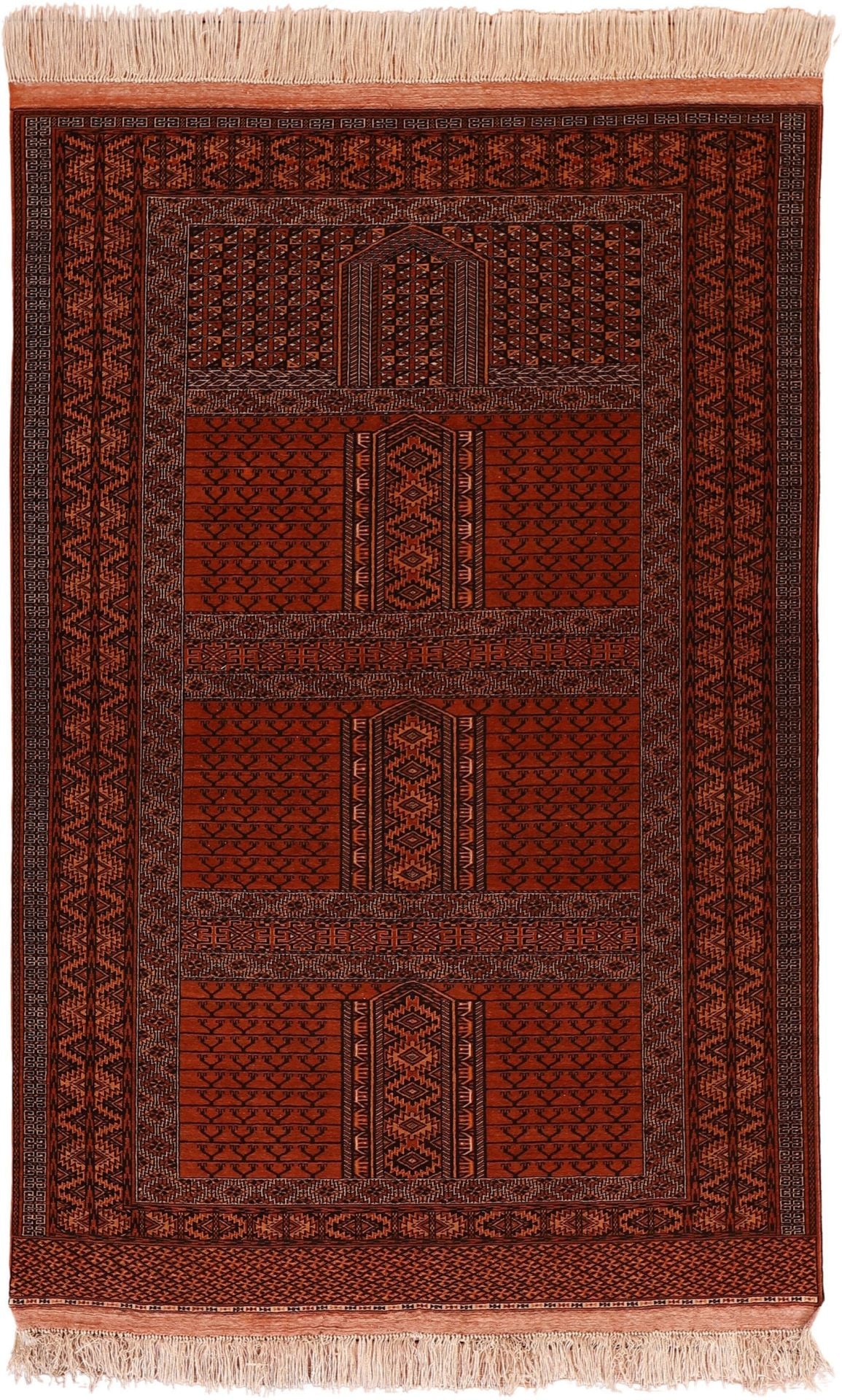
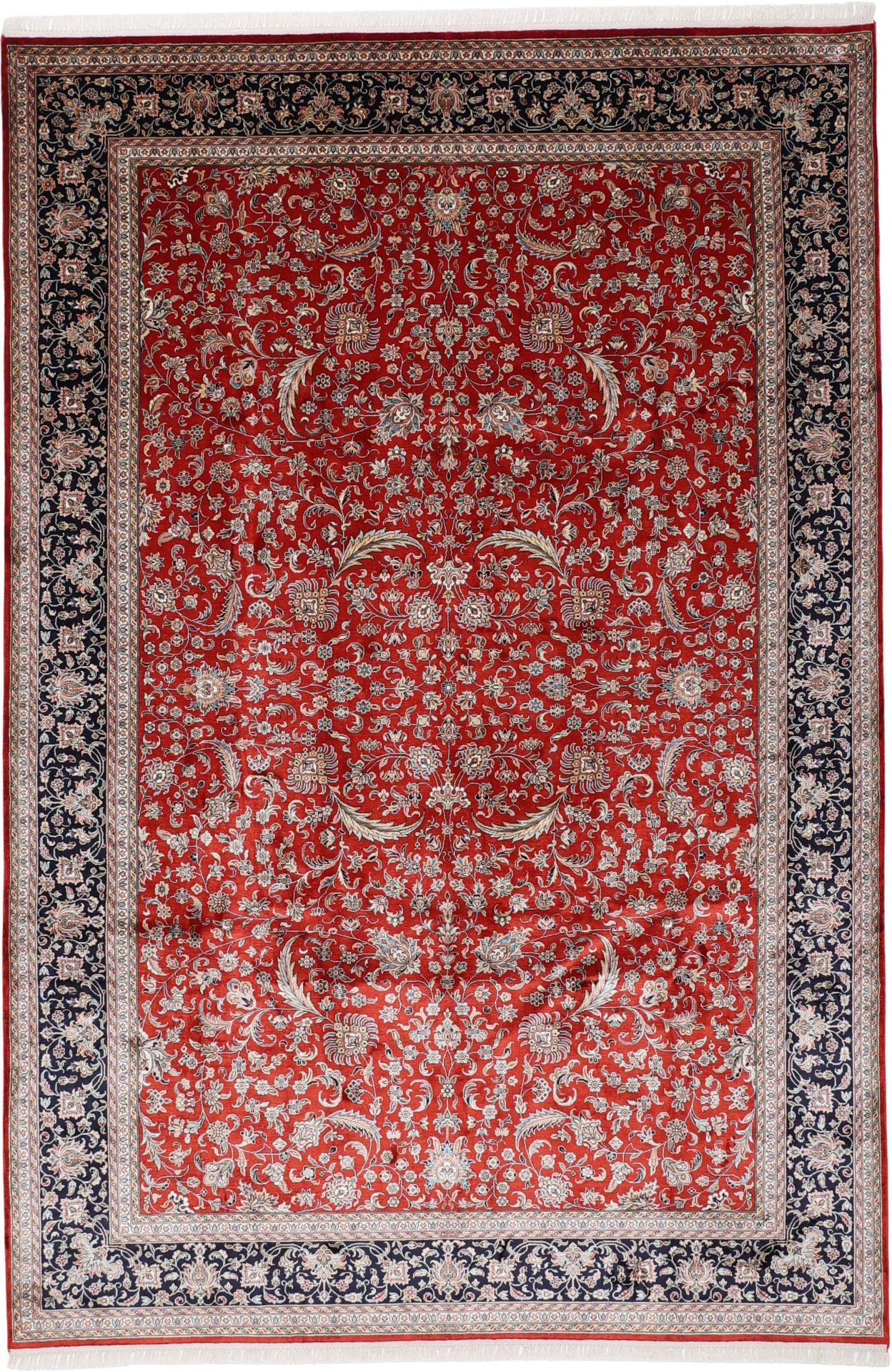
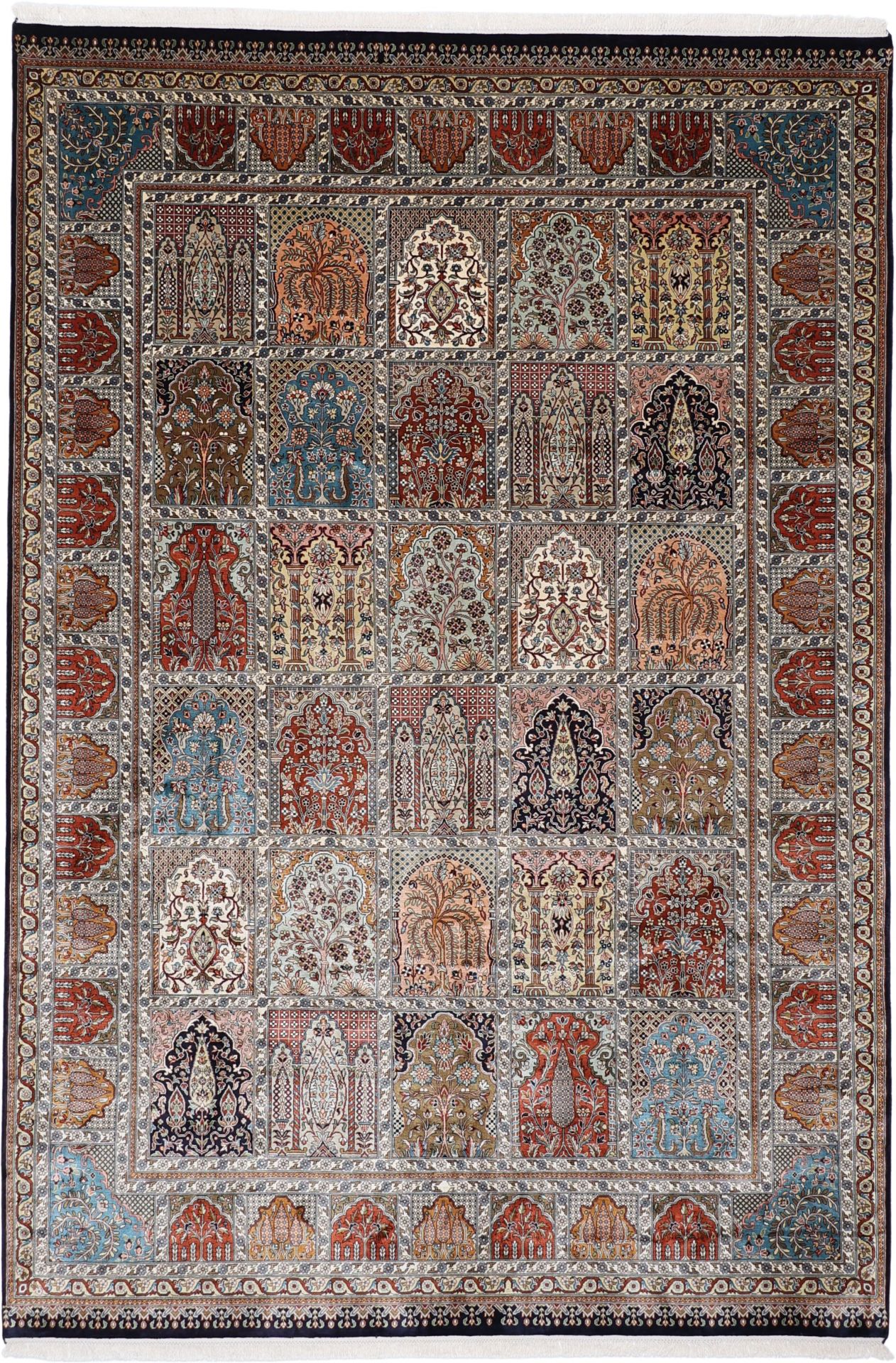
The art of knotting: The fascinating carpets of Afghanistan
The Art of Knot Culture: An Exploration of the Fascinating Carpets of Afghanistan
Introduction
Carpets are far more than just floor coverings. They are expressions of culture, craftsmanship, and often portable storytellers. Carpets from Afghanistan, in particular, hold a special fascination. They reflect a rich knotting culture deeply rooted in the region's history and traditions. In this article, we will explore the various aspects of Afghan carpets, from their history and manufacturing to the diverse designs and symbolism inherent in these works of art.
The history of Afghan carpets
The art of carpet weaving in Afghanistan has centuries-old roots. Even in ancient times, nomadic peoples and settled communities produced their own carpets. These carpets served not only as decorations but also as protection from the cold, as sleeping mats, or even as wall hangings. Over time, different styles and techniques developed, reflecting regional characteristics.
Carpet production was particularly promoted in the 16th and 17th centuries during Persian rule in Afghanistan. The use of high-quality wool and color tones brought the carpets into the global spotlight. Afghan carpets quickly enjoyed great popularity and became an important export.
The knotting techniques
Afghan rugs are known for their various knotting techniques, which make the finished product not only aesthetically pleasing but also durable. The most well-known knot type in Afghan rug weaving is the asymmetrical knot, also known as the "Persian knot." This knot allows for finer detail and gives the rugs high density and durability.
Another important knot type is the symmetrical knot, which is less common but also frequently found in traditional carpets. These knotting techniques have a direct impact on the overall design and quality of the carpet.
Material and colors
The choice of materials is crucial to a rug's quality. Traditionally, Afghan rugs are made from 100% sheep's wool, silk, or a combination of both. Sheep's wool is known for its robustness and heat-retaining properties, while silk offers an elegant sheen and increased durability.
The choice of colors also plays a central role in carpet production. Natural dyes, derived from plants, minerals, and insects, are often used to create vibrant and harmonious hues. Traditionally used colors such as deep red, blue, and earth tones can be found in many Afghan carpets and contribute to the cultural identity of the craft.
designs and patterns
One of the most fascinating features of Afghan rugs is their patterns and designs, which often convey deeper meanings and stories. The most recognizable designs include geometric patterns, floral motifs, and stylized depictions of animals. These designs vary by region and ethnicity.
geometric pattern
Geometric patterns are common in nomadic rugs and often reflect the lifestyles of nomadic tribes. Such designs can be seen as protective symbols or as references to nature and the makers' environment.
Floral motifs
Floral designs are characteristic of rugs produced in urban areas. These rugs are often decorated with floral and plant motifs, symbolizing abundance, fertility, and the beauty of nature.
Tiermotive
Animal motifs are also frequently found in Afghan rugs and often represent specific qualities or attributes. Lions, horses, and birds can represent not only beauty but also strength, freedom, and spirituality.
The significance of carpets in Afghan culture
Carpets play an important role in Afghan society, both in everyday life and in tradition. They are not only a primary functional element, but also a sign of status and prestige. Carpets are often given as gifts or used at weddings or other important celebrations.
Furthermore, rugs are a symbol of family heritage. Mothers often pass on their knowledge of knotting and design to their daughters, while older generations share the stories behind each rug.
The economic importance
The carpet industry is of significant economic importance to Afghanistan. Thousands of families are directly or indirectly involved in carpet production, meaning the craft is not only a heritage but also an important source of income. The export of Afghan carpets has helped increase the country's visibility and reputation in the international market.
Care and maintenance of carpets
Caring for Afghan rugs is crucial to preserving their beauty and longevity. When cleaning, care should always be taken to avoid treating the rugs with chemicals or excessive moisture. Regular vacuuming removes dirt and dust, while professional cleaning is recommended every few years.
Another important aspect of carpet care is avoiding direct sunlight to prevent color fading. When storing, the carpet should be rolled rather than folded to avoid creases and damage.
Completion
Afghan rugs are not only stylish home furnishings, but also a significant cultural heritage. They tell the stories of their makers and reflect the traditions and values of Afghan society. With their rich history and variety of designs, these rugs can enhance any room and create a warm, welcoming atmosphere. In a world where trends change rapidly, Afghan rugs remain timeless works of art, offering both beauty and substance.
FAQ section
FAQ 1: How long does an Afghan rug last?
Afghan rugs are known for their durability and longevity. With proper care, they can last for decades, if not a lifetime. The quality of the materials and knotting techniques contribute significantly to their longevity.
FAQ 2: Are Afghan carpets expensive?
Prices for Afghan rugs can vary greatly depending on quality, material, and design. Hand-knotted rugs made of high-quality wool or silk are generally more expensive than machine-made rugs. Nevertheless, in most cases, they are considered investments because of their both aesthetic and cultural value.
FAQ 3: How can I clean my Afghan rug?
Cleaning an Afghan rug should be done carefully. Regular vacuuming is important to remove dirt and dust. If stains occur, take immediate action and use cold water and mild soap. For larger spills or major cleaning, it's advisable to hire a professional carpet cleaning company.