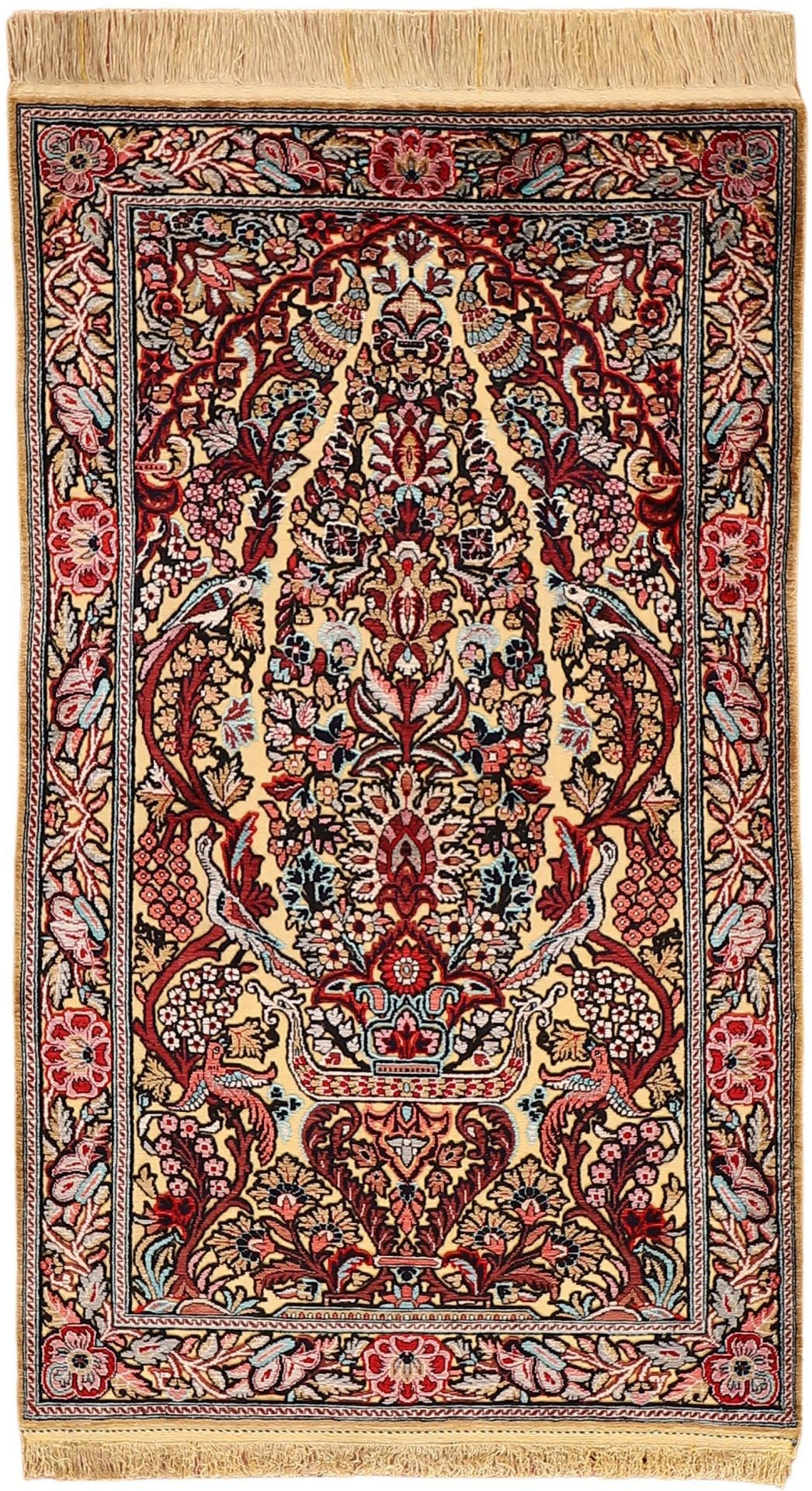
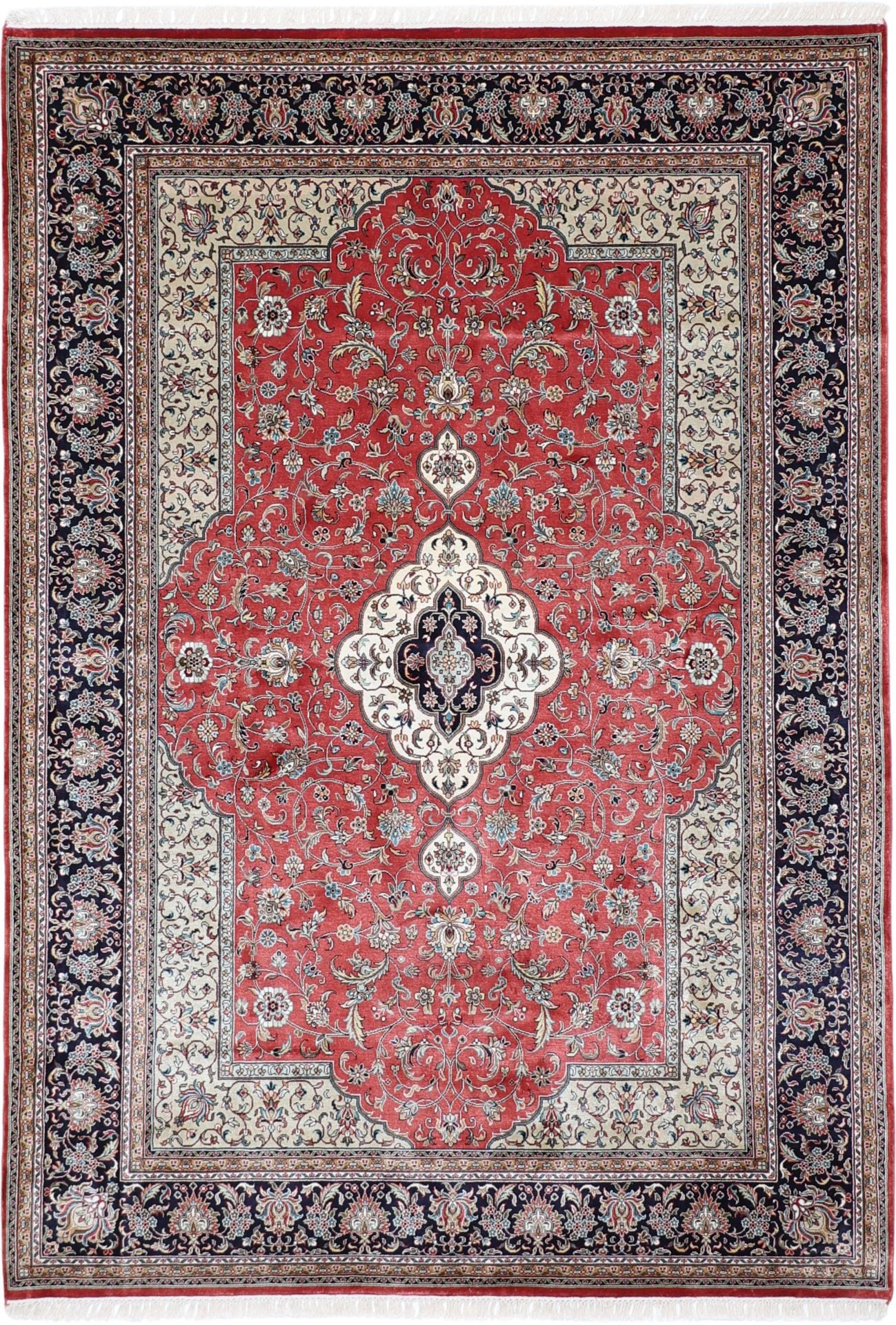
The Art of Knot Culture: The Fascinating World of Oriental Carpets
The Art of Knot Culture: The Fascinating World of Oriental Carpets
Introduction
Carpets are not just floor coverings; they are works of art, stories, and cultures rooted in craftsmanship and traditions. Among the many types of carpets found worldwide, oriental carpets stand out for their diversity, complexity, and the finesse of their craftsmanship. This textile art form has a long, significant history and remains an integral part of the interior design of many homes today. In this article, we delve into the fascinating world of oriental carpets and discover their roots, techniques, designs, and the meaning they hold for people.
The history of oriental carpets
The roots of oriental carpets date back to ancient times. The earliest known examples come from present-day Iran, and the first records of hand-weaving using knotting techniques date back to around 2500 BC. These earliest carpets were not only functional objects but also status symbols representing wealth and power. Carpet art enjoyed particular popularity at royal courts and in wealthy households.
Over the centuries, numerous influences from different cultures, including Persia, the Turks, and the Mongols, contributed to the development of the oriental rug. This resulted in a variety of designs, color combinations, and knotting techniques. A notable aspect of these rugs is the use of natural materials such as wool, silk, and cotton, which enhance not only the beauty but also the longevity of the rugs.
The knot technique
Knotting is the heart of carpet making. There are various knot types, differing in how the threads are interlocked. The Persian knot, also known as SennehThe -knot and the Turkish knot, also called the Ghiordes knot, are the two best-known knotting techniques for oriental carpets.
The Persian knot
The Persian knot consists of two threads interwoven using a specific technique. This allows for great density and detail in the patterns created on the rug. Persian rugs are known for their intricate designs, which often depict floral, geometric, or animal motifs.
The Turkish knot
The Turkish knot, on the other hand, is simpler and quicker to make. It consists of a single knot placed over two threads. This gives the rug a more robust structure, particularly suitable for everyday use. Turkish rugs often feature bold colors and clear geometric patterns.
The variety of designs
Oriental rugs are known for their impressive variety of designs. Each design tells a story and reflects the cultural characteristics of its region of origin. Some of the most popular types of oriental rugs are described below.
Persian carpets
Persian carpets are rightly considered the kings of Oriental carpets. They are distinguished by exquisite craftsmanship, impressive designs, and vibrant colors. Famous regions for carpet production include, for example... Kerman, Isfahan and TabrizThe designs, which often feature floral or abstract patterns, are usually complex and detailed.
Turkish carpets
Turkish rugs are often defined by their geometric patterns and bold colors. The most famous Turkish rugs come from the Anatolia region and often feature stylized floral patterns. These rugs are not only functional but also decorative, bringing a touch of culture to any home.
Afghan carpets
Afghan rugs are known for their durability and the use of high-quality wool. They are often in earthy colors and feature traditional tribal designs. These rugs bear the signature of the various ethnic groups living in Afghanistan and are therefore also of great cultural significance.
The materials
The quality of a carpet depends heavily on the materials used. Oriental carpets are primarily made of wool, cotton, and silk.
Wool
Wool is the most common material used in oriental rugs. It is resilient, durable, and provides natural insulation. Humidity can be regulated thanks to wool, making them comfortable in different climates.
Cotton
Cotton is often used for rug backing and fringes because of its smooth texture and excellent stability. Pure cotton rugs are also very popular because they are easier to clean and maintain.
Silk
Silk is often used for higher-end rugs. Silk lends the rug an unsurpassed beauty and natural luster. Silk is also used in combination with wool, which lends the rugs an enchanting depth and texture.
Care and cleaning
Caring for oriental rugs is crucial to their longevity. Here are some basic care instructions:
Regular vacuuming: Vacuuming is the best way to remove dirt and dust. Do not use a pressure washer, as this can damage the fibers.
Stain removal: When dealing with stains, it's important to act quickly. Use a clean cloth and lukewarm water to gently dab the stain. Avoid harsh chemicals that could damage the colors.
- Professional cleaning: It is recommended to have your carpet professionally cleaned every few years. This ensures that stubborn stains and deep-seated dirt are thoroughly removed.
Buy oriental rugs
When purchasing an oriental rug, it's important to check the quality and origin of the rug. Pay attention to the following:
- Material: Make sure the rug is made of high-quality materials to get the best value.
- Node number: The more knots per square meter, the finer and more detailed the carpet is.
- Certificates: Look for heating certificates that confirm the origin and authenticity of the carpet.
The influence of oriental carpets on interior design
Oriental rugs hold a special place in interior design, offering both functionality and style. They can enhance a room and add character. By combining traditional and modern elements, oriental rugs can become a focal point in a room's design.
They are especially popular in combination with modern furniture, where they create an exciting contrast and make the room more cozy. When using oriental rugs in interior design, it is important to balance the colors and patterns throughout the room to create visual harmony.
Final section
Oriental rugs are not only a significant work of art, but also a piece of history that represents the soul of the cultures that created them. Their unique design features, the variety of materials used, and the complexity of their manufacturing make them truly special. Whether you want to add a touch of elegance to your home or create a cozy atmosphere, an oriental rug can be the perfect solution. When choosing a rug, you should carefully consider its quality to ensure it is not only aesthetically pleasing but also durable. Investing in an oriental rug is an investment in culture, history, and art—a decision that can enrich both your space and your life.
FAQ
Question 1: How do I recognize a genuine oriental rug?
Genuine oriental rugs are often hand-knotted and made from high-quality materials such as wool or silk. Pay attention to the knot density: High knot density is a sign of good quality. Also check the back of the rug; the pattern should be visible there as well.
Question 2: How do I best care for my oriental rug?
To extend the life of your carpet, vacuum it regularly and address stains promptly. Professional cleaning is recommended every few years. Avoid harsh chemicals and direct sunlight to prevent color fading.
Question 3: Are oriental rugs more expensive than other rugs?
Oriental rugs are available in a variety of price categories. High-quality hand-knotted rugs are generally more expensive due to the complexity of their production. However, there are also machine-made models that are more affordable and can offer a good compromise if your budget is limited.