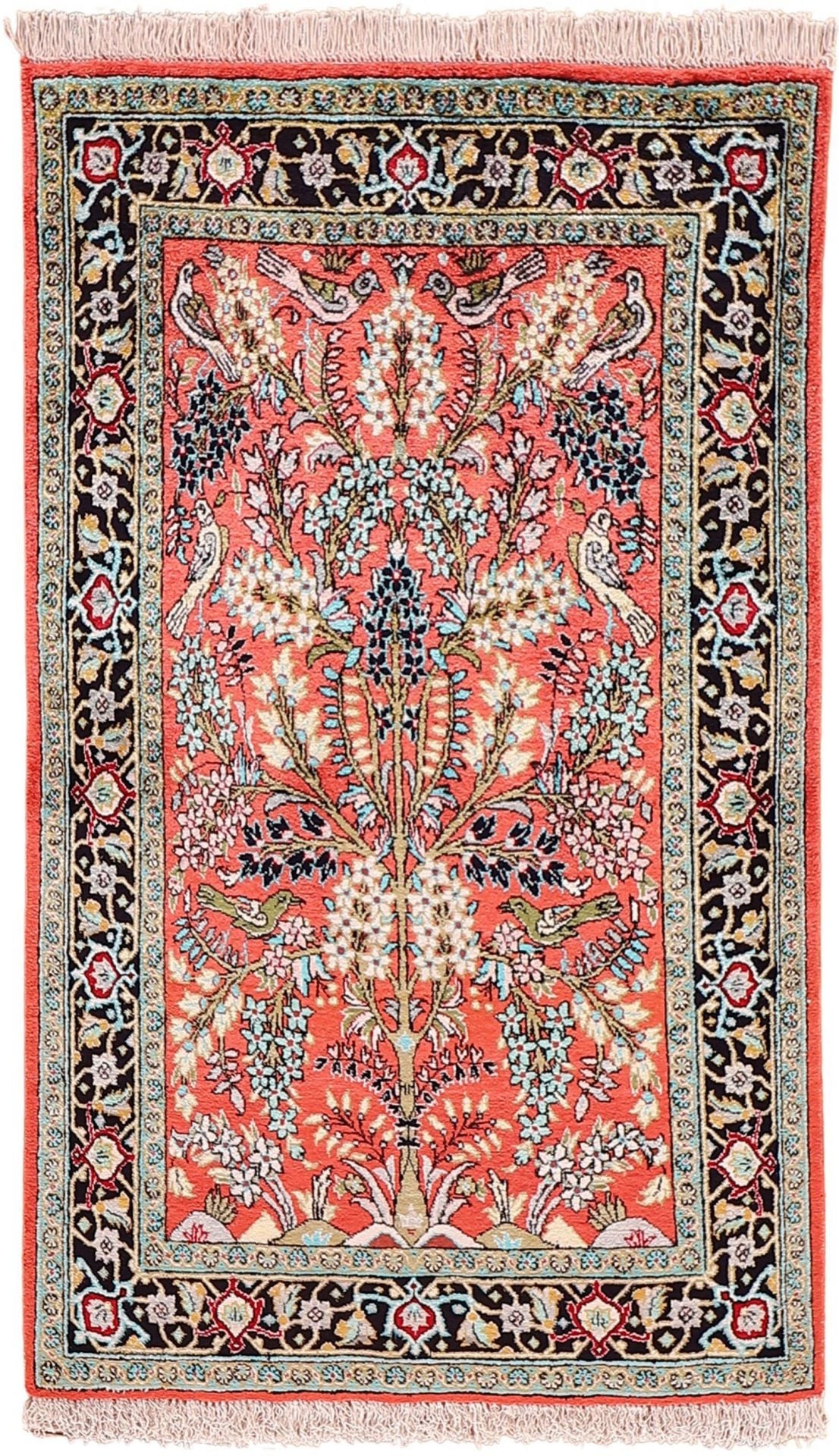
The Art of Knots: Chinese Carpets as Tradition and Craft
The world of carpets: tradition, craftsmanship and art
The fascination with carpets extends far beyond their function as floor coverings. They are works of art that tell stories, embody cultures, and reflect craftsmanship. Chinese carpets, in particular, have a rich tradition deeply rooted in history. In this article, we will explore the various aspects of carpet art, particularly in the context of Chinese carpets, and demonstrate why these special pieces are not only aesthetically pleasing but also possess cultural value.
The history of carpets
The origins of carpet weaving are difficult to determine, as they arose independently in different cultures. Historical finds indicate that carpet weaving was practiced as early as the 4th century BC in what is now Central Asia. Over the centuries, various styles and techniques have evolved, with each culture contributing its own characteristics.
The tradition of carpet weaving in China can be traced back to the Tang Dynasty (618-907 AD). At that time, however, carpet weaving was still relatively rudimentary, and the first carpets were made primarily from plant fibers and coarse materials. The heyday of the Chinese carpet as we know it today only came with the development of silk weaving in the Song Dynasty (960-1279 AD) and later in the Ming and Qing dynasties.
The art of knotting
A central aspect of Chinese carpet production is the knotting technique, often referred to as the "art of knotting." This technique requires the utmost precision and craftsmanship. Knotting is the process of interlacing threads to create a tightly woven and durable product.
Traditional Chinese carpet weaving uses various knotting techniques, with the Persian knot and the Turkish knot being the most well-known. The Persian knot is known for creating a fine, detailed texture, while the Turkish knot is more robust and therefore allows for stronger designs. Depending on the knotting technique, the density of the carpets varies, which in turn influences the appearance and feel of the final product.
Materials: From wool to silk
The choice of material plays a crucial role in the quality and appearance of a carpet. Traditionally, Chinese carpets use various materials, such as wool, silk, and cotton.
Wool is the most common material for carpets because it is not only durable but also soft and warm. Wool has the ability to absorb moisture and performs well in various climatic conditions.
Silk is the most luxurious and expensive material for carpet weaving. Silk carpets are distinguished by their soft texture and natural sheen. They are often decorated with intricate patterns and vibrant colors that can only be achieved through the fineness of silk.
Cotton is frequently used as the weft thread in carpets. It has good strength and allows for a high level of detail in the designs. Cotton carpets are often lighter and easier to clean, making them a popular choice for everyday use.
The symbolism in Chinese carpets
Chinese carpets are not only aesthetically pleasing, but also rich in symbolism and cultural significance. The designs and motifs found on these carpets often have deeper meanings closely tied to Chinese culture and tradition.
Floral motifs, for example, are very common. The peony is often associated with wealth and prosperity, while the lotus represents purity and enlightenment. Dragons are a frequent element in Chinese carpets, often symbolizing good fortune, strength, and the imperial regalia.
The colors in the designs also have specific meanings. Red represents happiness and joy, while yellow stands for wealth and power. The skillful interplay of colors and motifs results in a harmonious overall image that is both decorative and meaningful.
The role of craftsmanship
Carpet making, especially in the traditional Chinese handicrafts, is a time-consuming process that requires patience, dedication, and precise skills. Master weavers can work for months or even years on a single carpet, depending on the complexity of the design and the number of knots.
The craft of carpet weaving is often passed down from generation to generation. In many regions of China, families traditionally specialize in carpet making, with each family often maintaining its own unique style and special secrets.
Awareness of the art of carpet weaving is growing, and efforts are underway to preserve the techniques and traditions from extinction. Workshops and schools exist to train the next generations in the art of carpet weaving, and there is increasing emphasis on sustainable practices.
Care and maintenance of carpets
Carpets are not just works of art; they also require care and attention to maintain their beauty and longevity. Proper care depends largely on the materials and type of carpet.
Cleaning: Regular cleaning of a carpet is important to remove dirt and dust. For wool carpets, it is recommended to vacuum them every few months with a vacuum cleaner without a brush attachment. Silk carpets, on the other hand, should be cleaned carefully, ideally by a professional.
Stain removal: Prompt action should be taken when stains occur. Blotting immediately instead of rubbing helps prevent the stain from spreading. Mild soap or special carpet cleaners are often advisable for treating stains.
Positioning: Rugs should not be placed in direct sunlight, as UV rays can cause the colors to fade. Regularly rotating the rug is also important to ensure even wear.
Carpets as an investment
Carpets are not just functional objects; they are also significant investments. High-quality handmade carpets, especially those from China, can increase in value while bringing joy to their owner. Knowledgeable collectors and enthusiasts recognize the quality and history behind a well-made carpet.
If you're considering investing in a rug, it's important to educate yourself on the different styles and techniques. Purchasing rugs from trusted sources will help ensure you're purchasing an authentic piece.
Final section
The world of rugs, especially Chinese rugs, is a fascinating blend of history, art, and craftsmanship that's worth exploring. The rich tradition of rug weaving and the diversity of materials, techniques, and meanings offer not only aesthetic pleasure but also deeper insights into the cultures from which they originate. Whether you're looking for a statement piece for your home or want to further appreciate the art of rug weaving, Chinese rugs are an excellent choice that embody both style and tradition.
FAQ
How can I tell if a rug is hand-knotted?
To determine if a rug is hand-knotted, look at the back of the rug. Hand-knotted rugs will have visible knots on the back, while machine-made rugs often have a used stitch or a consistent, machine-made backing.
How do the different knotting techniques differ?
The two most common knotting techniques are the Persian knot and the Turkish knot. The Persian knot offers finer texture and detail, while the Turkish knot is more robust and often used for bolder designs. These differences affect the density and durability of the rug.
How often should I have my carpet cleaned?
It is recommended that hand-knotted rugs be professionally cleaned every 3 to 5 years to remove dirt and stains and ensure their longevity. Between professional cleanings, regular vacuuming and prompt treatment of stains may be necessary.