The Art of Khotan Carpets: Tradition, Craftsmanship, and Timeless Beauty from Xinjiang
Carpets: The art of Khotan carpets and their timeless beauty
Introduction to the world of carpets
Carpets are more than just floor coverings; they are cultural artifacts that tell stories and traditions. Among the many carpet styles and types found worldwide, Khotan carpets from the Xinjiang region of China hold a special place. These carpets reflect not only the artistic creativity of the weavers but also the heritage and history of an entire region. In this article, we will explore the tradition, craftsmanship, and timeless beauty of Khotan carpets and examine why they are a valuable addition to any home.
The history of Khotan carpets
The city of Khotan, located on the Silk Road, was an important trading center, bringing together cultures and trade goods. As early as the 8th century, carpets were produced here, widely appreciated for their high quality and aesthetic appeal. Khotan was not only a center for silk production, but also for textile arts and crafts, which favored the development of carpet weaving in this region.
Khotan carpets are particularly known for their natural materials and traditional techniques. The use of sheep's wool, silk, and vegetable dyes gives the carpets their characteristic texture and depth. These materials are often sourced locally and play a crucial role in the authenticity and sustainability of carpet production.
The cultures that shaped Khotan carpets
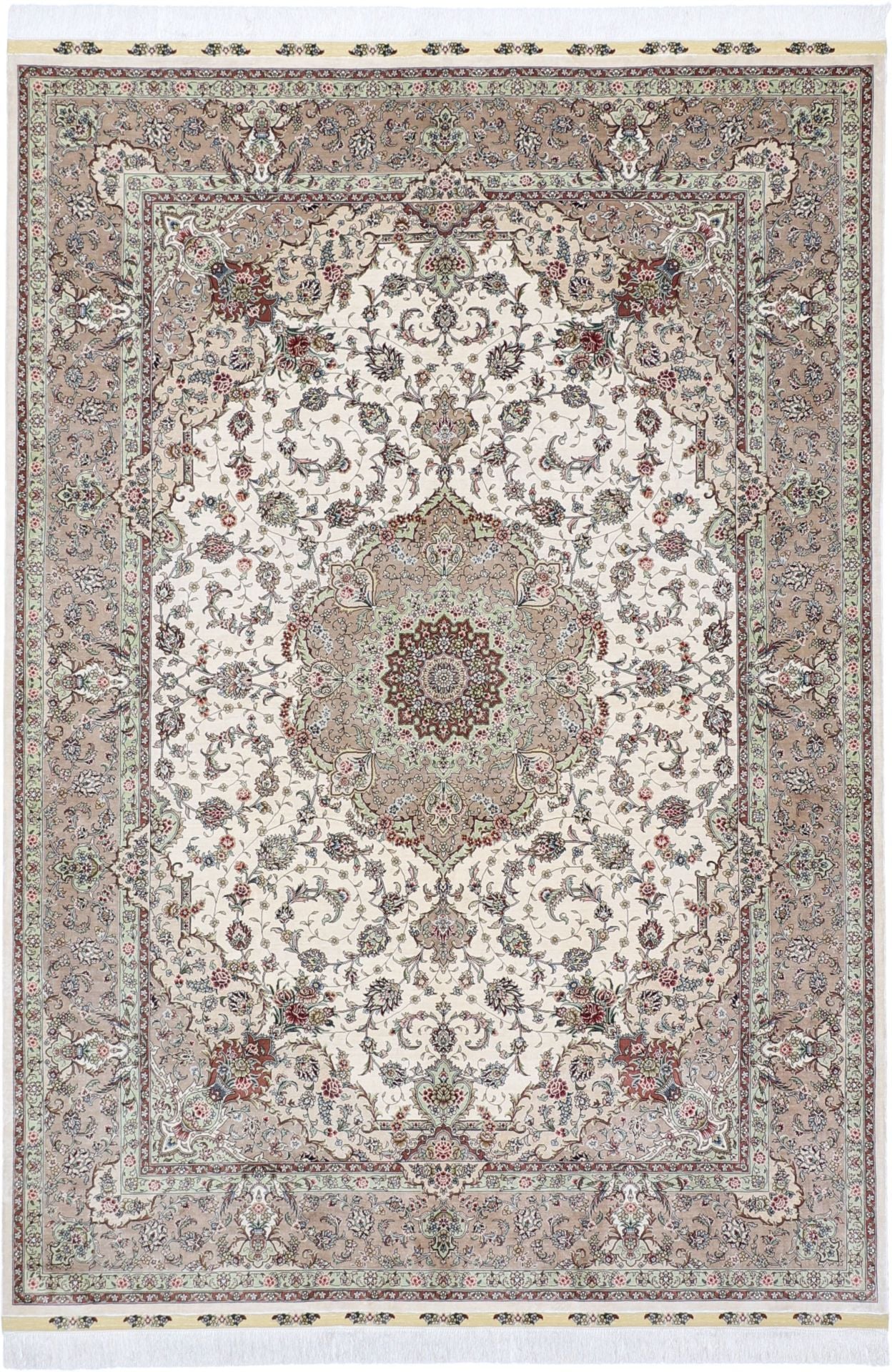
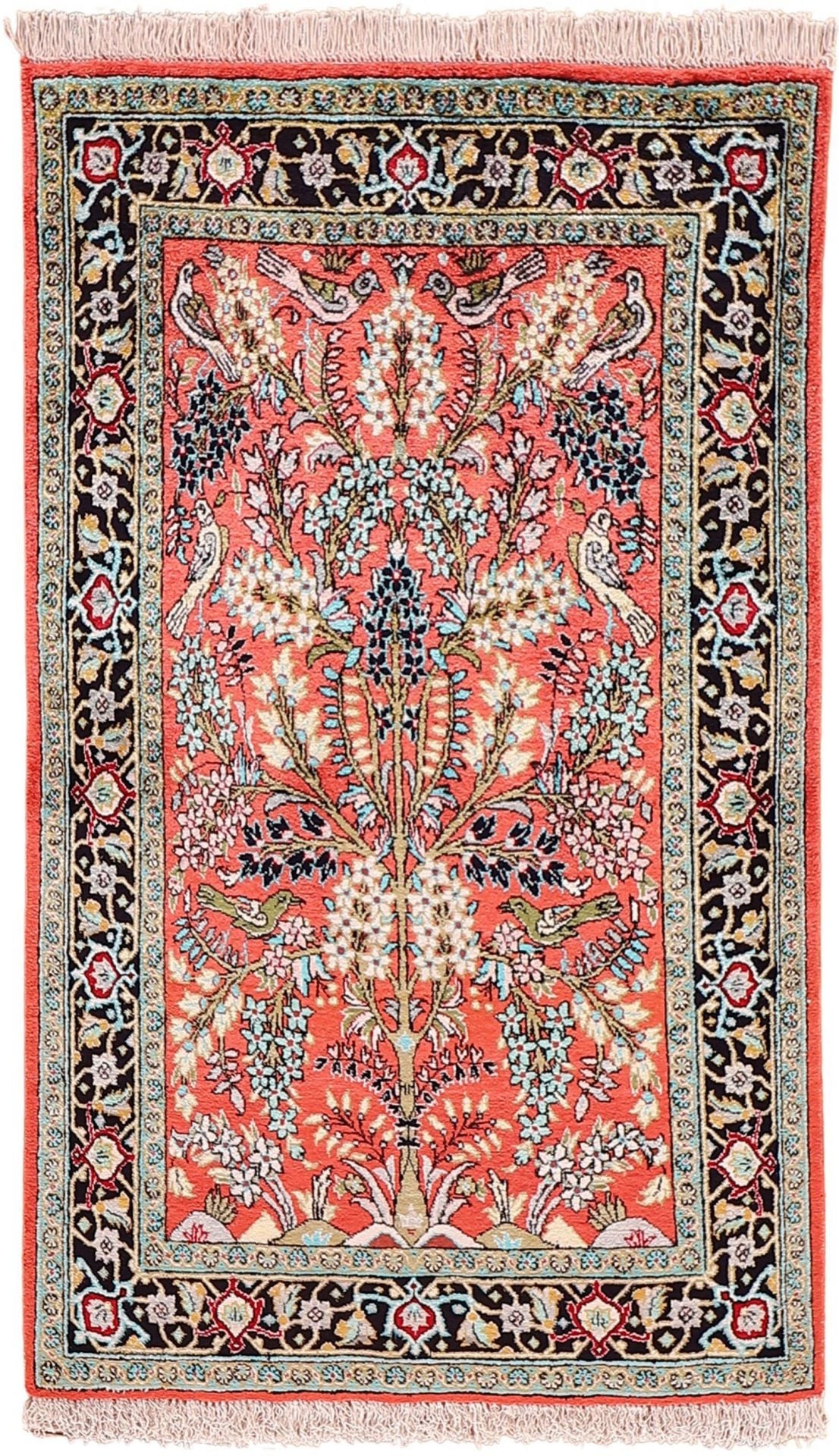
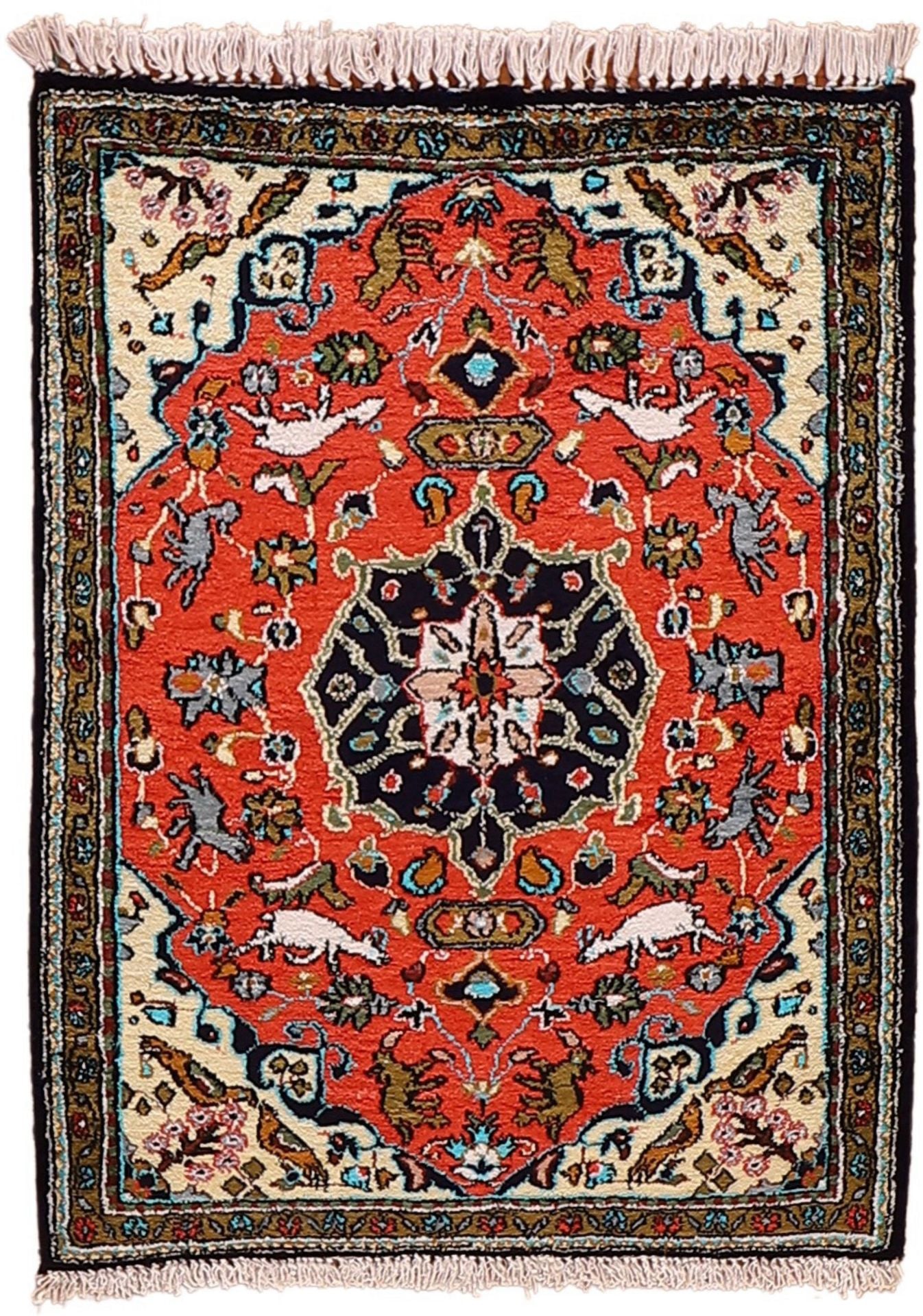
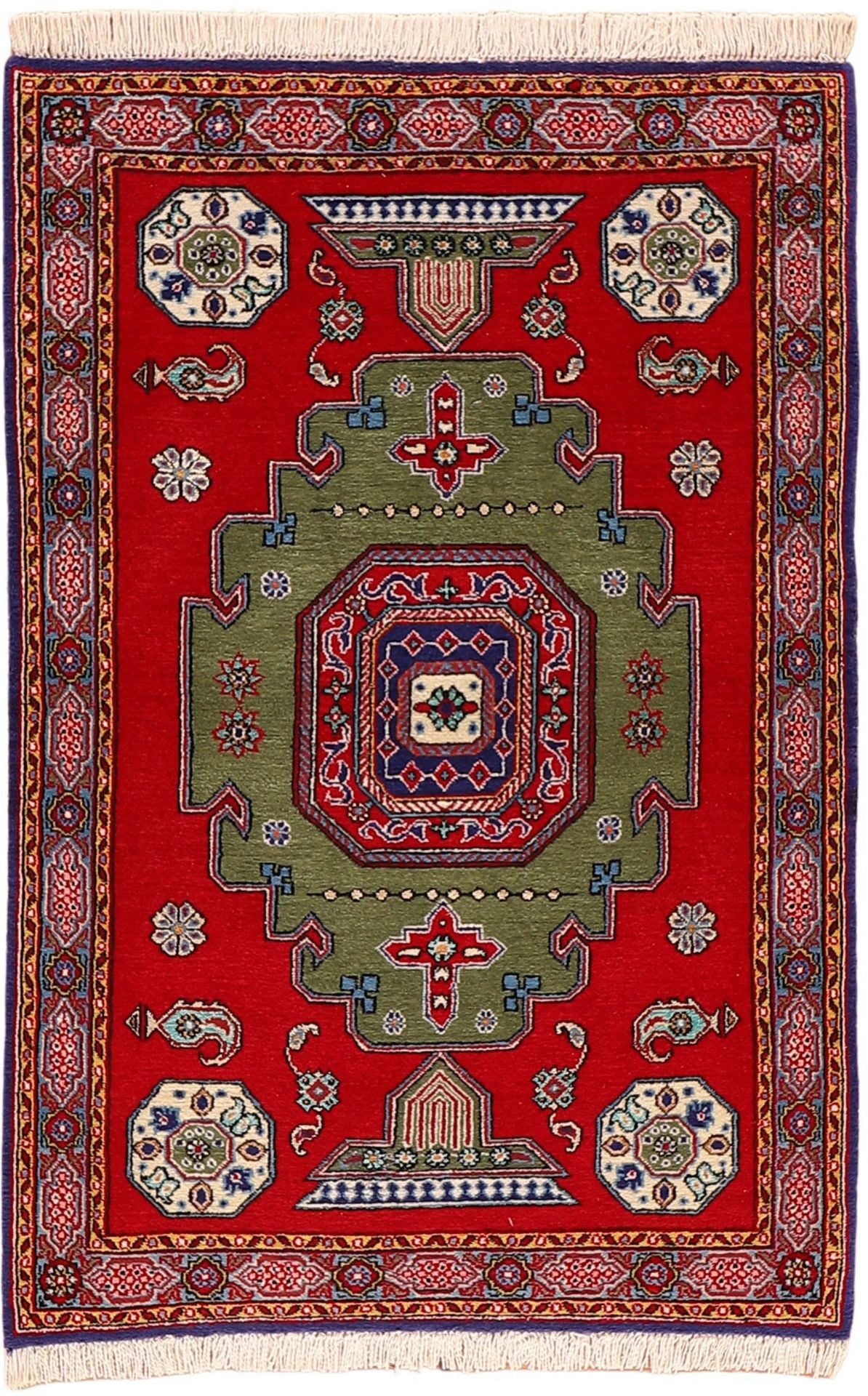
Khotan carpets are a product of diverse cultural influences. The Uyghurs, one of Xinjiang's main populations, have developed a rich carpet-making tradition that combines elements from Islamic, Chinese, and Central Asian art. This cultural exchange is evident in the geometric patterns, floral designs, and color palette of the carpets.
The motifs used in Khotan carpets often include stylized representations of flowers, arabesques, and geometric shapes that are deeply rooted in the region's tradition and symbolism. These design elements are not only aesthetically pleasing but also often charged with religious and cultural meanings.
Craft techniques in the production of Khotan carpets
The process of carpet making is both time-consuming and complex. Khotan carpets are typically hand-knotted, requiring an extremely precise and skilled technique. Weavers primarily use the knot-making method, in which each knot (or "knot") is created by hand to form the desired design.
The specific knotting technique used in Khotan is the so-called "Persian knot," which is considered the strongest and densest. This gives the carpets their high quality and durability, while also allowing them to retain vibrant colors for years.
Another crucial element in the production of the rugs is the dyeing of the wool. Traditionally, natural dyes from plants and minerals are used, giving Khotan rugs their characteristic, soft colors. These traditional dyeing techniques not only ensure environmental friendliness but also give the rugs a unique charm that distinguishes them from industrially manufactured rugs.
The timeless aesthetics of Khotan carpets
Khotan rugs are characterized by a distinctive aesthetic that makes them a popular element of interior design. Their harmonious color palettes and sophisticated patterns adapt to both traditional and modern home styles. Whether in a rustic country house, an elegant city apartment, or a minimalist home, Khotan rugs blend seamlessly into any environment, lending it a warm, inviting atmosphere.
Rugs are also very versatile, as they come in a variety of sizes, shapes, and designs. Whether you're looking for large tapestries that dominate the room or small rugs that accentuate a specific area, the selection is immense. This versatility allows you to set specific accents and personalize your rooms.
The importance of carpets today
Although Khotan rugs are deeply rooted in tradition, their relevance remains undiminished even in the modern world. Rugs are not just functional objects; they are also works of art that convey emotions and stories. In an age where sustainability and ethical production are becoming increasingly important, the geographical origin and craftsmanship of Khotan rugs are also an important consideration for many buyers.
More and more people are choosing handmade products and valuing the history and people behind them. Khotan rugs offer this connection to tradition and the artisans who incorporate their skill and craftsmanship into each piece.
The care and maintenance of Khotan carpets
To ensure the beauty and longevity of your Khotan rugs, proper care is crucial. Here are some tips for maintaining your rugs:
Cleaning
Regular vacuuming is important to prevent dirt and dust buildup. Use a light vacuum cleaner with a soft brush to avoid damaging the fibers. Professional cleaning every few years will help preserve the color and texture.
Protection from sunlight
Too much sunlight can fade the colors of rugs. Therefore, position your rugs in areas less exposed to direct sunlight or use curtains and blinds for shade.
Treatment of stains
If a stain occurs, dab it immediately with a clean, white cloth. Avoid using harsh cleaning agents; instead, use mild soap solutions and water. For stubborn stains, it's advisable to consult a professional.
Conclusion
Khotan rugs are more than just decorative elements; they are wearable works of art that tell a story and reflect the hands of talented artisans who have passed their knowledge down through generations. Their timeless beauty, cultural significance, and craftsmanship make them a sought-after choice for those who value aesthetics and quality. When you choose to incorporate a Khotan rug into your home, you're not only choosing a timeless piece of furniture, but also a piece of history that will enrich your spaces for years to come.
FAQ
How can I verify the authenticity of a Khotan carpet?
Pay attention to the material quality, weight, and knotting. Authentic Khotan rugs are hand-knotted and often made of wool and silk. A certificate or proof of origin can also be helpful.
How much does a Khotan carpet cost?
Prices can vary greatly depending on the size, quality, and age of the rug. Hand-knotted Khotan rugs can cost anywhere from a few hundred to several thousand euros.
How long do Khotan carpets last?
With proper care, Khotan rugs can last for many years, even decades, while retaining their beauty. Regular cleaning and protection from direct sunlight are crucial for their longevity.