“The Art of Kashan Carpets: Tradition and Craftsmanship from the Heart of Persia”
The art of Kashan carpets: tradition and craftsmanship from the heart of Persia
Carpets are far more than just decorative floor coverings; they are an expression of culture, history, and craftsmanship. Kashan carpets, which originate from the city of the same name in Persia, particularly embody these aspects beautifully. In this article, we explore the fascinating world of Kashan carpets and their significance in Persian tradition, as well as the techniques used in their production.
The history of Kashan carpets
Kashan's history stretches back over a thousand years and is deeply rooted in the art of carpet weaving. This city, located in central Iran, has established itself over the centuries as one of the most important centers of carpet production. As early as the 15th century, carpets from Kashan achieved great fame and were valued for their artistic design and high quality.
Carpets were not only household items, but also valuables found in princely palaces and wealthy households. The designs and patterns of these carpets often reflect religious and mythological themes and are deeply rooted in Persian culture.
Materials and techniques
The production of a Kashan rug is a time-consuming and artisanal process. These traditional rugs are typically made from high-quality materials such as wool, silk, or a combination of both. Wool offers durability and warmth, while silk is known for its luster and color intensity.
A crucial step in the manufacturing process is dyeing the wool and silk. Traditionally, artisans used natural dyes derived from plants, roots, and minerals. These environmentally friendly dyes are known for their resistance to fading over time.
The carpets are knotted using a special technique known as the "Persian knot." This technique allows for finer and more detailed designs than other knotting systems. A skilled craftsman can create over 1.000 knots per square meter, which accounts for the high density and detail of Kashan carpets.
designs and patterns
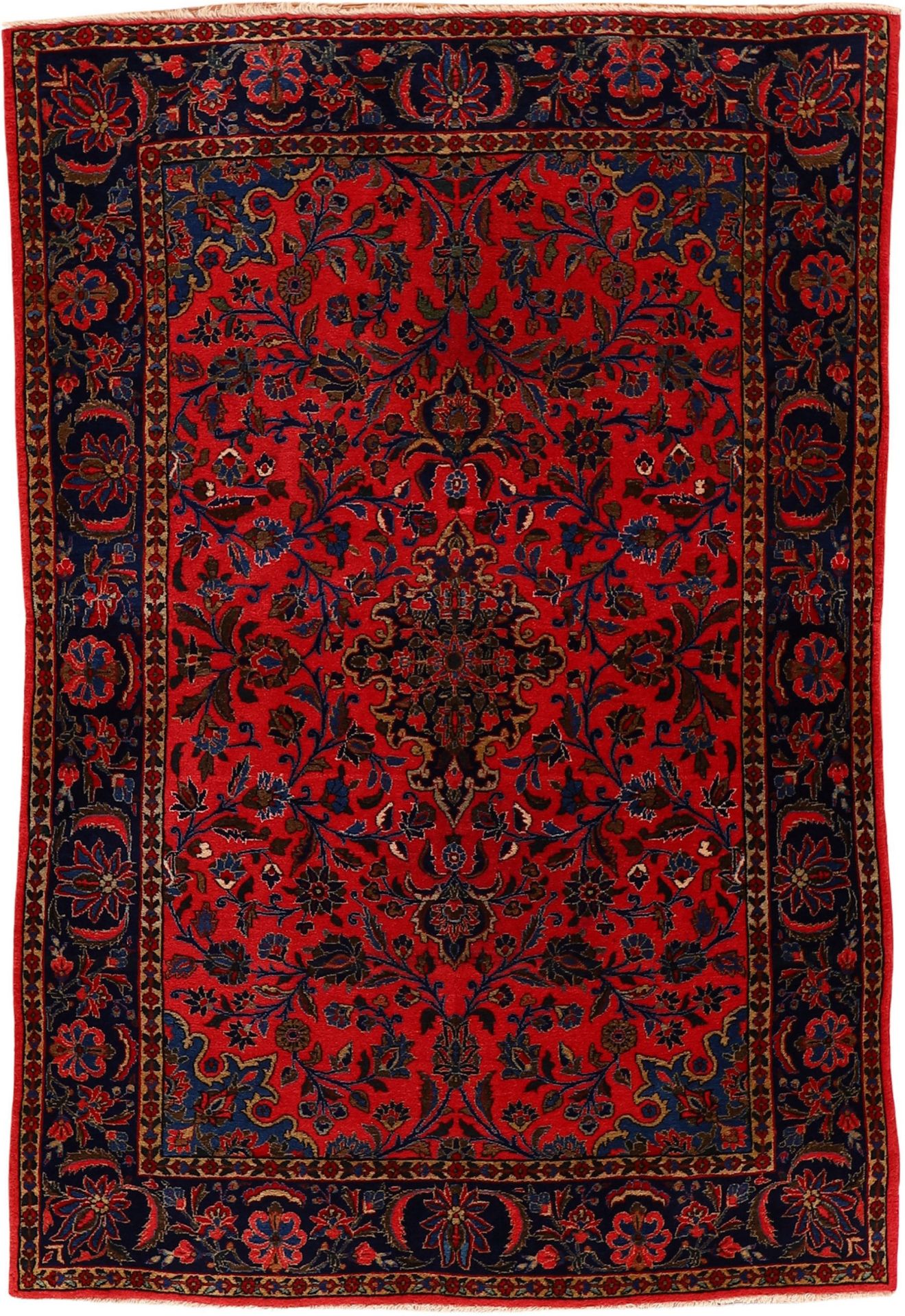
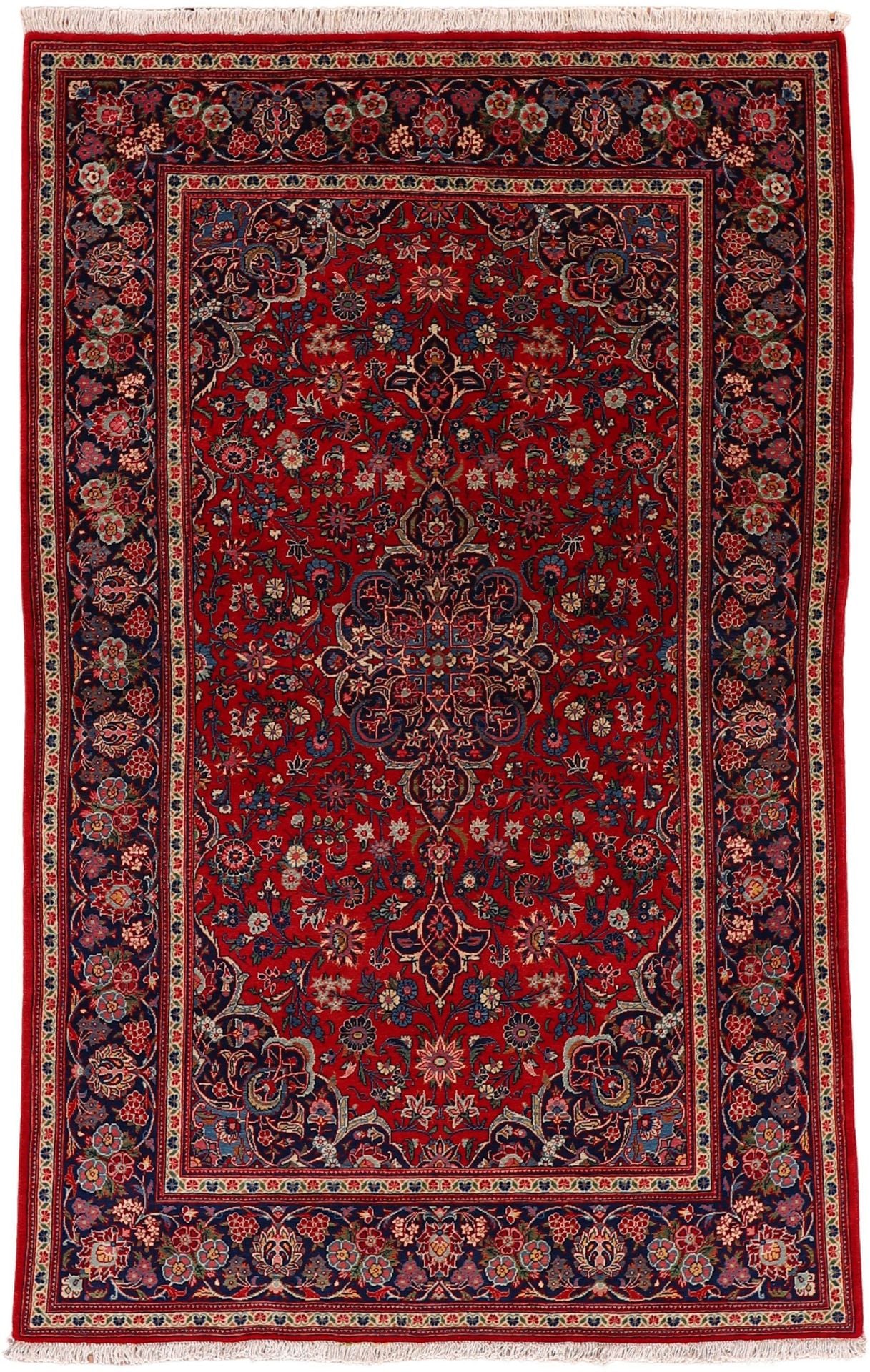
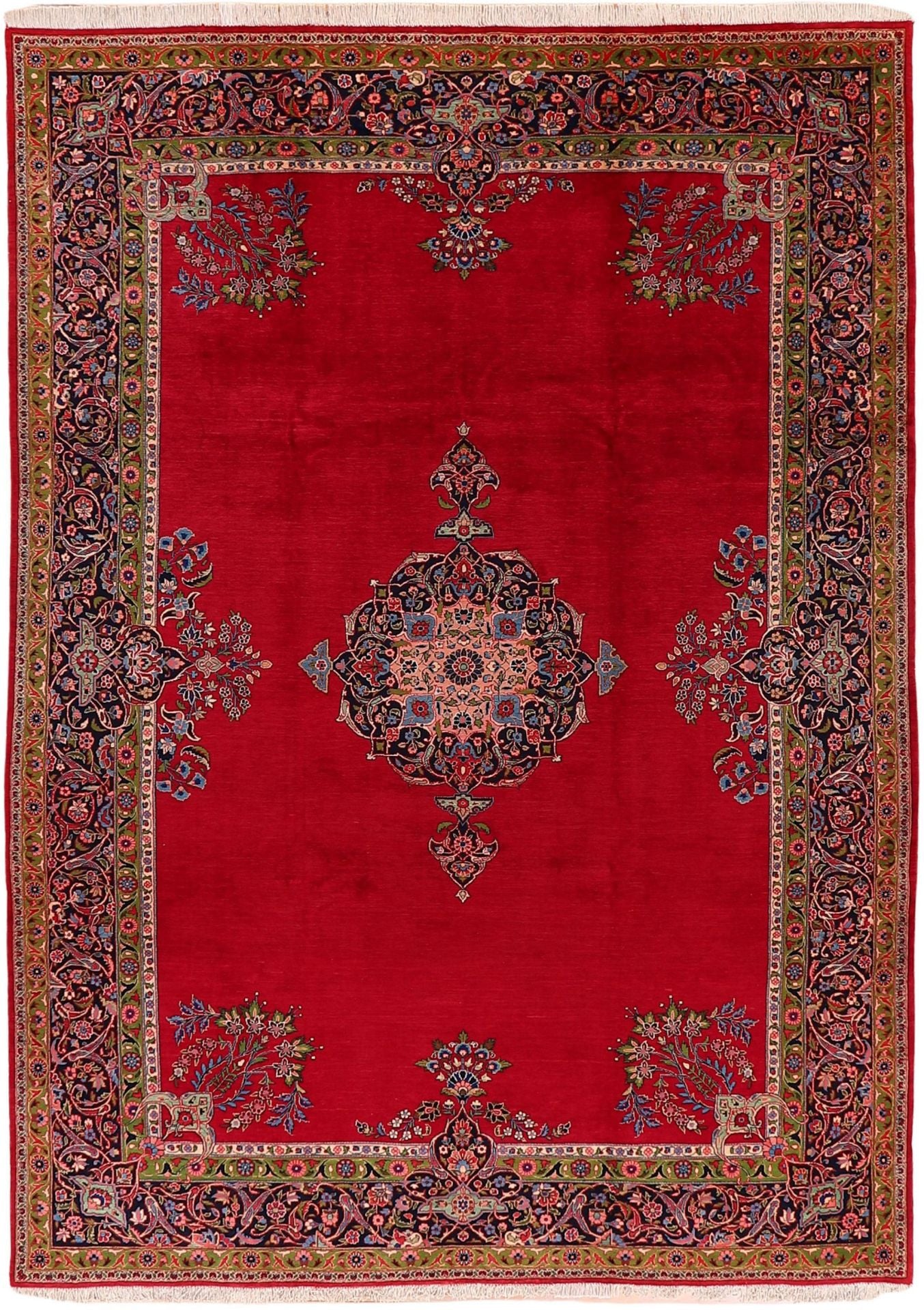
The designs of Kashan carpets are as diverse as the history of the city itself. Common motifs include floral, geometric, and figurative elements. Many carpets feature stylized floral patterns and scrolls reminiscent of the lush gardens of Persian palaces.
The center of the carpet is often highlighted by a medallion-like pattern, surrounded by a multitude of smaller patterns. This composition provides balance and harmony, which are of great importance in Persian art. Many designs are also associated with symbolic meanings that prophesy good luck, prosperity, and fertility.
The cultural significance of Kashan carpets
Kashan rugs are deeply rooted in Iranian culture and history. They are not only products of craftsmanship, but also bearers of stories, traditions, and beliefs. In many families, rugs are passed down from generation to generation as family treasures that embody both practical and emotional value.
Carpets are used in various areas of life. They are not only laid on floors, but also serve as wall hangings and decorative elements in living spaces. In many traditional Persian weddings, the carpet is a central element of the ceremony and symbolizes prosperity and happiness in the couple's new life.
Buying and caring for Kashan carpets
Purchasing a Kashan rug is both an investment in art and craftsmanship and a choice of quality and longevity. When choosing a rug, consider not only the design but also the materials and quality of workmanship. A good rug can last for generations, increasing in value in the process.
Carpet care plays a crucial role in its longevity. Regular vacuuming helps remove dirt and protect the fibers. Additionally, the carpet should be kept out of direct sunlight to prevent color fading. If necessary, it's advisable to have the carpet professionally cleaned to avoid damage to the delicate materials.
Sustainability in carpet production
Today, sustainability plays an increasingly important role in carpet production. The use of natural materials and dyes not only contributes to environmental friendliness but also ensures unique quality. Some modern manufacturers focus on fair trade and support local communities to maintain the tradition of carpet craftsmanship.
Therefore, purchasing a Kashan rug is not only an aesthetic decision, but also an ethical one. Consumers can ensure they are supporting artisanal traditions while acting in an environmentally conscious manner.
The future of Kashan carpets
The future of Kashan carpets is promising. Despite the challenges posed by globalization and the influence of mass-produced goods, interest in handmade carpets remains. The uniqueness and cultural heritage of Kashan carpets attract both collectors and lovers of classical art.
An important aspect for the future is adapting the designs to modern living styles without losing the traditional techniques and motifs. Designer They experiment with colors and patterns to create carpets that are both contemporary and traditional. This innovative spirit will help preserve the heritage of Kashan carpets for future generations.
Conclusion
Kashan rugs are more than just works of art; they are ambassadors of a centuries-old tradition that interweaves craftsmanship, culture, and history. The combination of high-quality materials, exquisite designs, and skilled craftsmanship makes each rug a unique piece that can last for generations.
By purchasing a Kashan rug, you not only support the artisanal tradition but also bring a piece of Persian culture into your home. Whether as floor coverings or wall art, these rugs are a timeless symbol of beauty and sophistication.
FAQ
1. How do I recognize a genuine Kashan carpet?
A genuine Kashan rug is characterized by its high knot density, fine materials such as wool and silk, and unique and detailed designs. You should look for signs of handcrafting, such as irregular knots and small imperfections that indicate manual production.
2. How do I best care for my Kashan carpet?
Regular vacuuming is important to remove dirt and dust. Avoid direct sunlight to prevent color fading. For deeper cleaning, we recommend professionals experienced in cleaning valuable carpets.
3. Are Kashan carpets a good investment?
Yes, Kashan rugs are considered a good investment due to their high quality, timeless designs, and craftsmanship. They can increase in value over the years and are often heirlooms passed down from generation to generation.