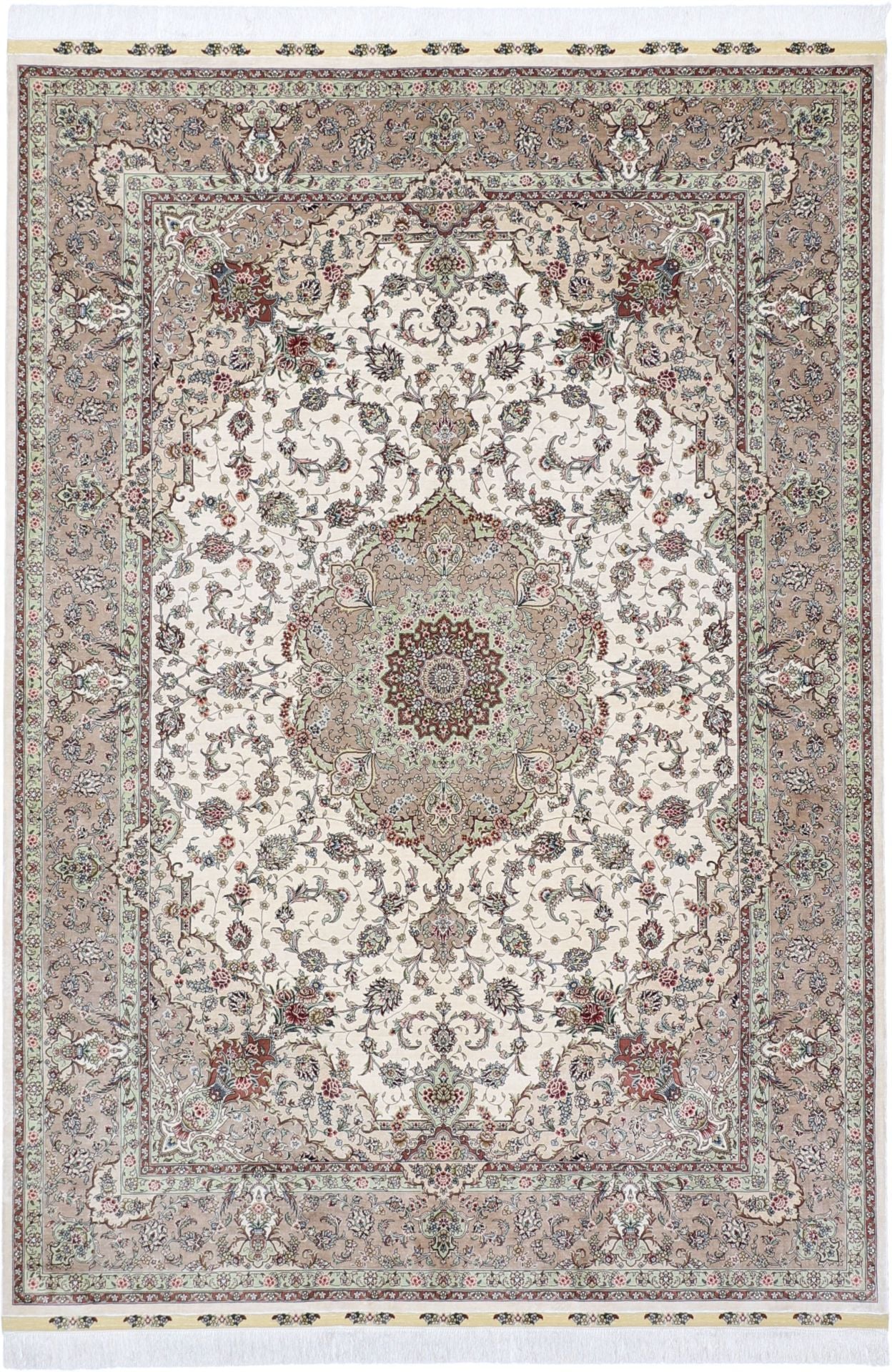
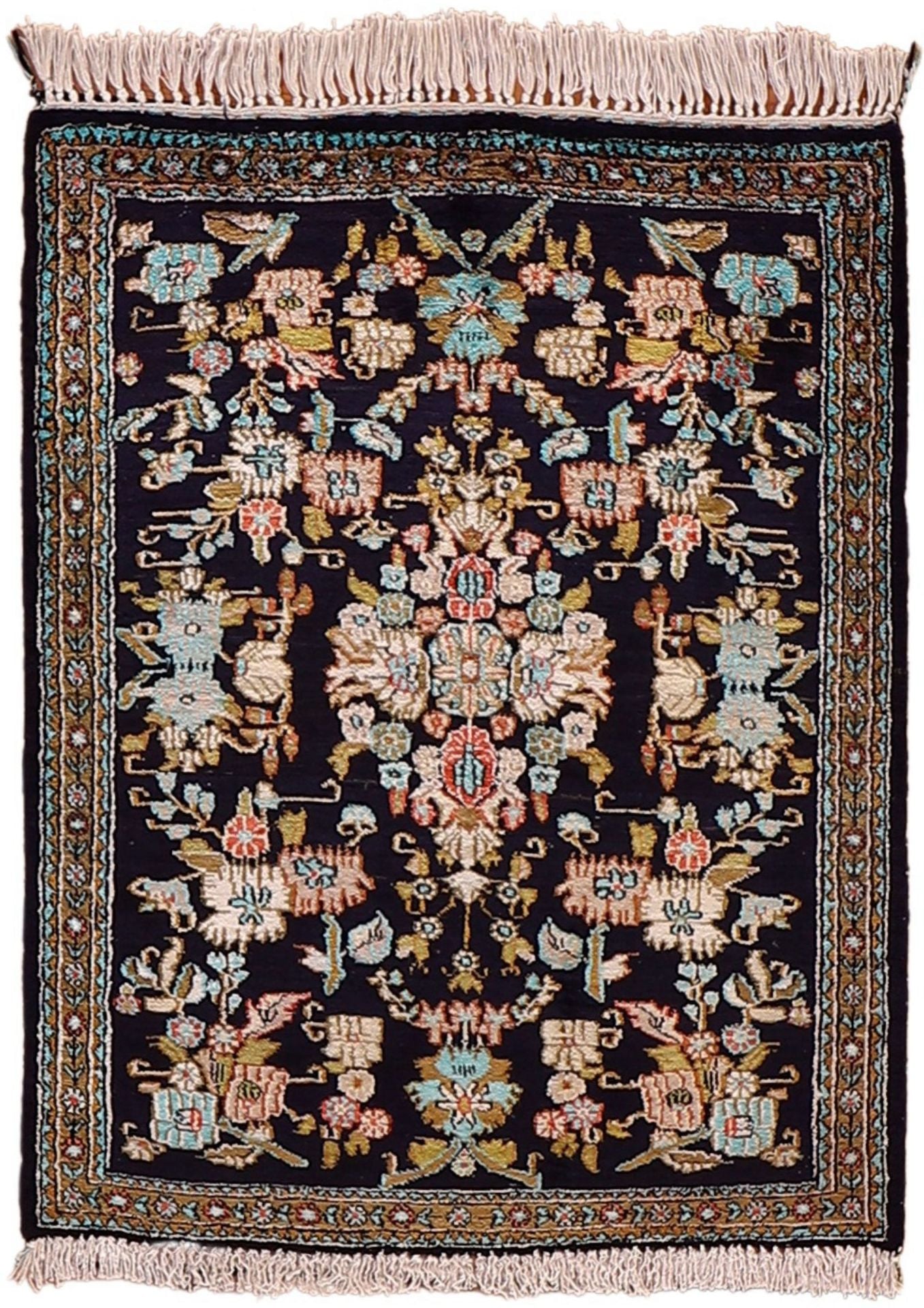
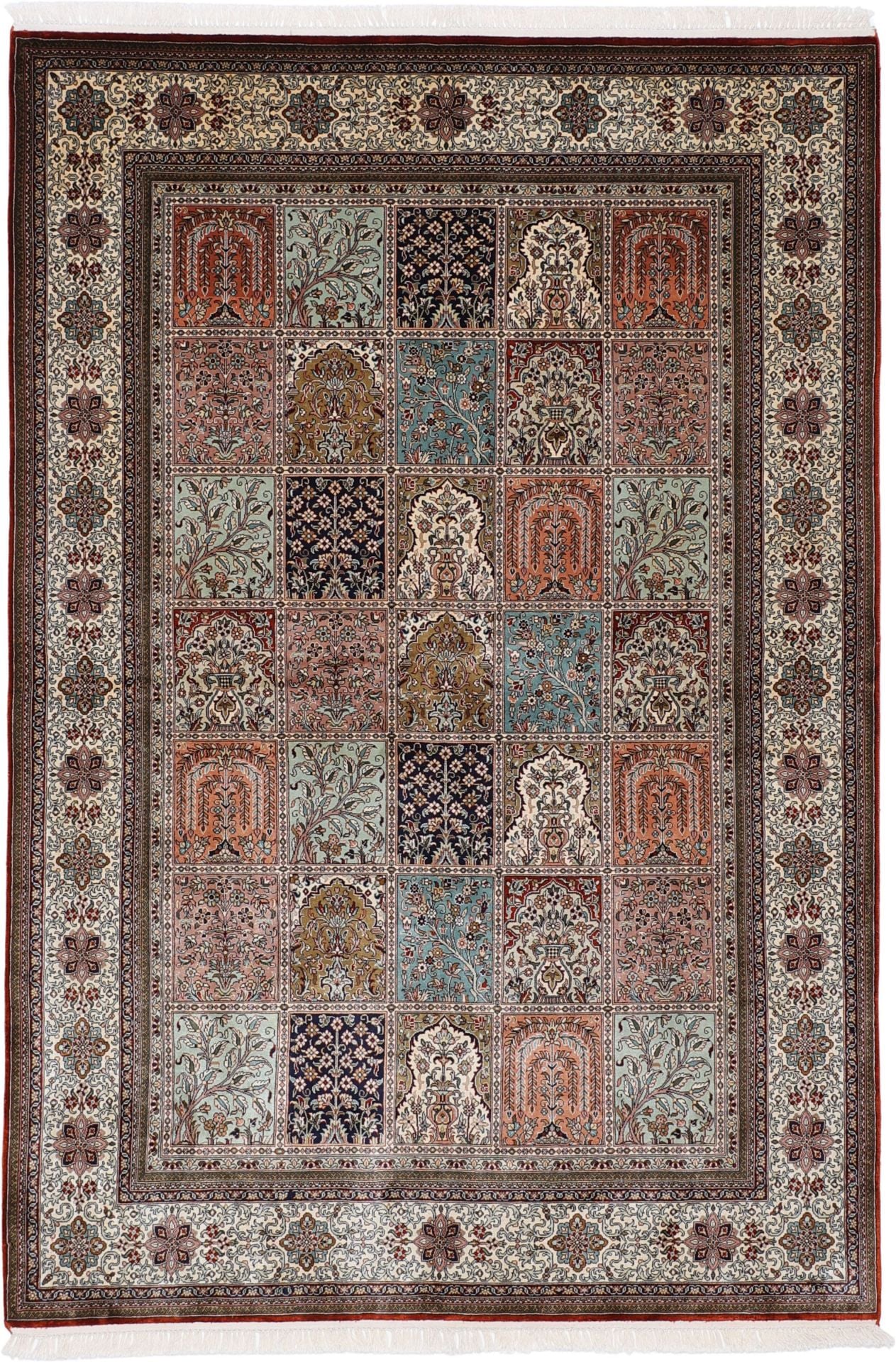
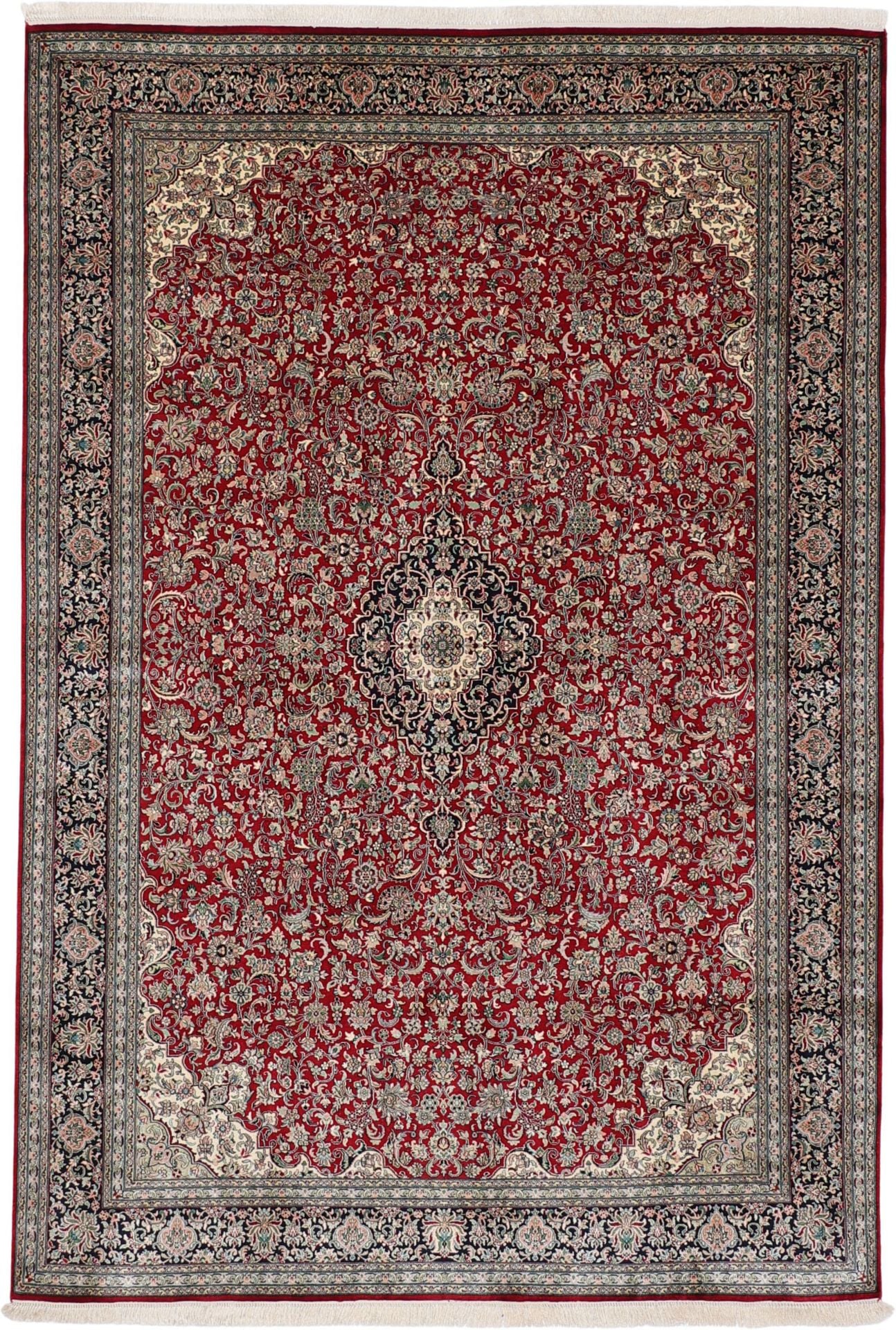
“The Art of Kazakh Carpets: Tradition and Crafts from the Steppe”
The art of Kazakh carpets: tradition and craftsmanship from the steppe
Carpets are not just practical home accessories; they also carry stories, traditions, and cultures. Kazakh carpets, in particular, originating in the vast steppes of Central Asia, are a fascinating example of craftsmanship deeply rooted in the history and way of life of the Kazakh people. In this article, we would like to introduce you to the distinctive features of Kazakh carpets and discuss the techniques, styles, symbolism, and noteworthy aspects of care and purchase.
The history of Kazakh carpets
The tradition of carpet weaving in Kazakhstan dates back several centuries. Originally, nomadic tribes made carpets to decorate and insulate their tents, called yurts. These carpets were not only decorative but also functional, providing protection from the cold and keeping out dust while also serving as seating and sleeping areas. Over time, different styles developed, reflecting regional characteristics and people's lifestyles.
The materials
Traditionally, Kazakh carpets were made from natural materials. Sheep's wool was the primary material due to its availability and thermal insulation. The wool was harvested by steppe herders and then washed, dyed, and woven into yarn. For the dyeing, artisans used natural plant dyes, which give the carpets their vibrant and diverse colors.
In addition to wool, other materials were also used, such as silk or cotton, which are found primarily in the finer carpets. Silk allows for greater detail in the patterns and is often used for special occasions or as a valuable item.
The techniques of carpet weaving
Carpet weaving is a laborious and time-consuming process that requires skill and patience. Traditionally, weaving is done by hand, making each carpet unique. Techniques vary by region and tradition, but there are two main methods: the Turkish knot and the Persian knot. The Turkish knot is one of the most commonly used techniques in Kazakh carpet making and is characterized by its high density and durability.
The patterns and symbols
The patterns of Kazakh carpets are deeply symbolic. Many designs are based on traditional patterns and motifs depicting nature, wildlife, or everyday scenes. Popular symbols include geometric shapes, spiral and wave patterns, and depictions of animals such as horses or birds, which play an important role in Kazakh culture.
Some patterns are also associated with specific meanings. For example, waves often represent the flow of life, while stylized trees represent growth and strength. These symbolic elements not only give the rugs aesthetic value but also a deeper meaning that reflects the cultural identity of the Kazakh people.
Carpet care and cleaning
Carpet care and cleaning are crucial for their longevity. Kazakh carpets, which are often made of natural materials, require special attention. Regular vacuuming is a simple way to remove dirt and dust. It is recommended to vacuum the carpet in the opposite direction to the dirt buildup to avoid damaging the fibers.
For thorough cleaning, professional help is recommended to avoid damaging the carpet. Sometimes even small stains can be treated with soapy water. However, the manufacturer's specific care instructions should always be followed to protect the colors and material.
Buying a Kazakh carpet
Buying a Kazakh rug is an investment in quality and tradition. Several factors should be considered when choosing a rug. First, you should find out about the rug's origin and materials. Authenticity is an important criterion, as there are many imitations on the market today.
Another consideration is size. Rugs come in many different sizes, from small runners to large living room rugs. It's advisable to accurately measure the area where the rug will be placed beforehand to ensure it fits well in the room.
Colors and patterns are also important factors. Choose a rug that reflects your personal aesthetic and the style of your home. Also consider the color palette of your living space to ensure the rug can be harmoniously integrated.
The role of Kazakh carpets in the modern world
Today, Kazakh carpets are enjoying increasing popularity in the international design scene. They are more than just floor coverings; they are works of art used in various settings, from modern apartments to traditional houses. Many Designer They use unique patterns and colors to tell stories and create an atmosphere that is both culturally and aesthetically appealing.
Additionally, numerous companies and artisans have specialized in combining traditional techniques with modern design to create contemporary rugs that fit the lifestyle of the 21st century. These developments help keep the heritage of rug weaving alive while opening up new markets.
Conclusion
Kazakh rugs are more than just furnishings; they are an expression of cultural identity and artisanal craftsmanship. Their rich colors, intricate patterns, and high-quality materials make them a special element in any home. Learning about the traditions and techniques used in the production of these rugs not only helps you understand the beauty and value of the rugs, but also helps you appreciate the culture and heritage of the Kazakh people. When you purchase a Kazakh rug, you are investing in a piece of history that will last for generations.
FAQ section
1. How do I know if a Kazakh carpet is authentic?
Authentic Kazakh rugs are usually hand-knotted and made from natural materials such as sheep's wool or silk. Pay attention to the patterns used, which should be traditional and unique. Certificates or proof of origin from the seller can also be helpful.
2. How much does a Kazakh carpet cost?
Prices for Kazakh rugs vary depending on size, materials, and craftsmanship. Smaller rugs can start at around 100 euros, while larger and more elaborately designed rugs can cost several thousand euros. It's worth comparing prices and considering quality.
3. Are Kazakh carpets easy to care for?
Kazakh rugs made from natural materials require special care. Regular vacuuming is essential to remove dust and dirt. For thorough cleaning, professional services are recommended. Avoid direct sunlight to prevent color fading, and treat stains immediately and carefully with mild soapy water.