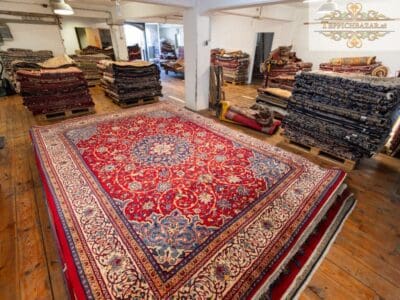
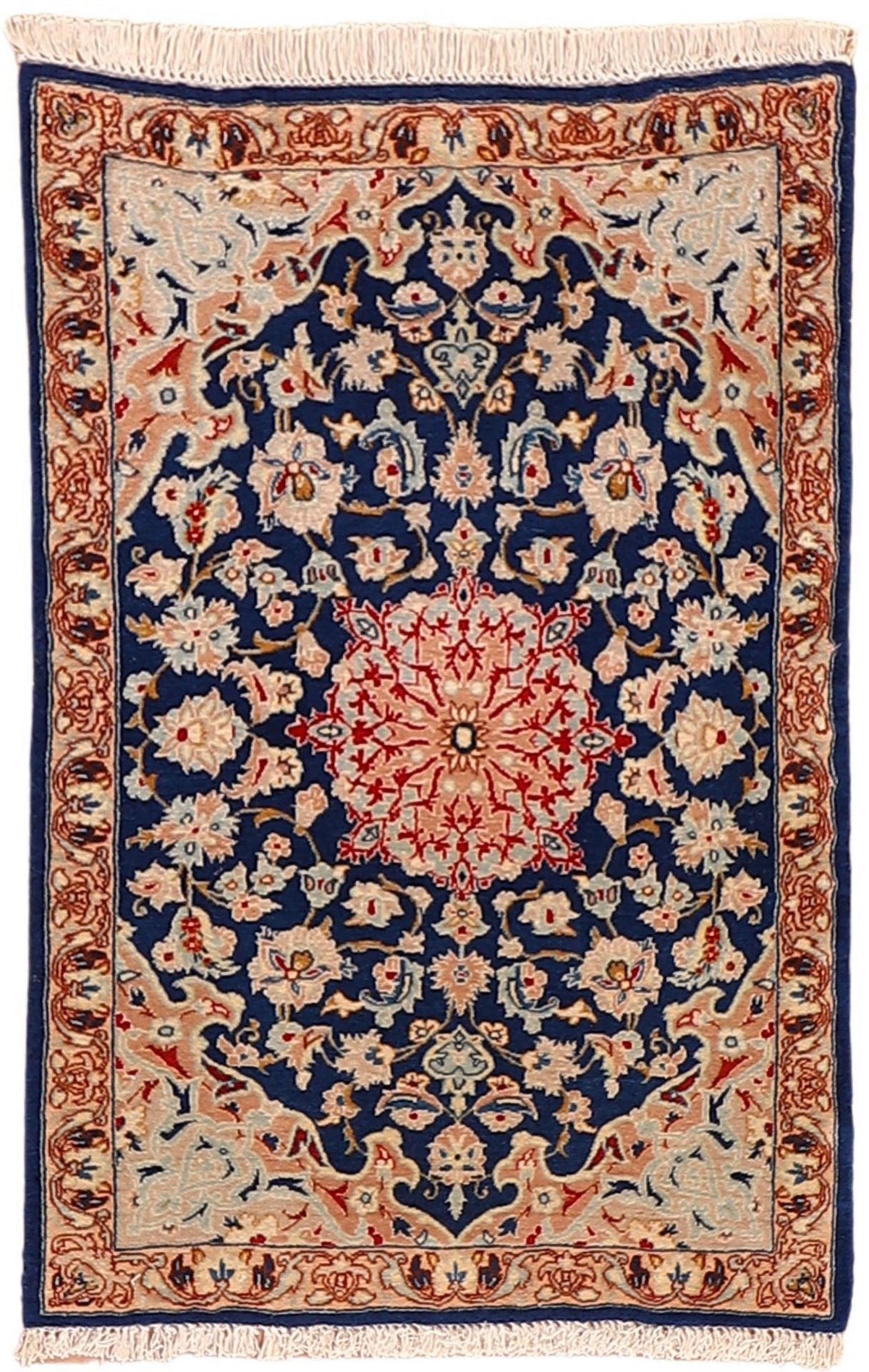
"The art of Isfahan-Carpets: Traditional craftsmanship from the heart of Persia"
Introduction
Carpets are more than just flooring or decorative elements – they are an expression of art, culture, and tradition. Especially the IsfahanCarpets originating from the city of the same name in Iran embody centuries-old craftsmanship and possess an almost magical allure. In this article, we take an in-depth look at the history, techniques, and cultural significance of these unique carpets and their place in modern living spaces.
The history of the Isfahan-carpets
Origin and development
The art of carpets in Isfahan Its roots lie in the 16th century, during the Safavid dynasty, when the city became a center for art and science. Isfahan It quickly developed into a center for carpet weaving, and the carpets began to display complex designs and vibrant colors. The connection between the city and the carpet craft became close, and IsfahanCarpets remain a symbol of Iranian culture and tradition to this day.
cultural significance
In Persian culture, carpets symbolize not only the wealth and status of their owners, but also craftsmanship and creativity. They are often given as gifts at weddings or other important occasions. A beautiful carpet is part of the tradition of decorating the home and welcoming guests.
Features of the Isfahan-carpets
Material
IsfahanCarpets are traditionally made from wool, silk, or a combination of both materials. Wool provides softness and durability, while silk is known for its sheen and elegance. Silk carpets are especially popular because of their fine details and vibrant colors.
designs and patterns
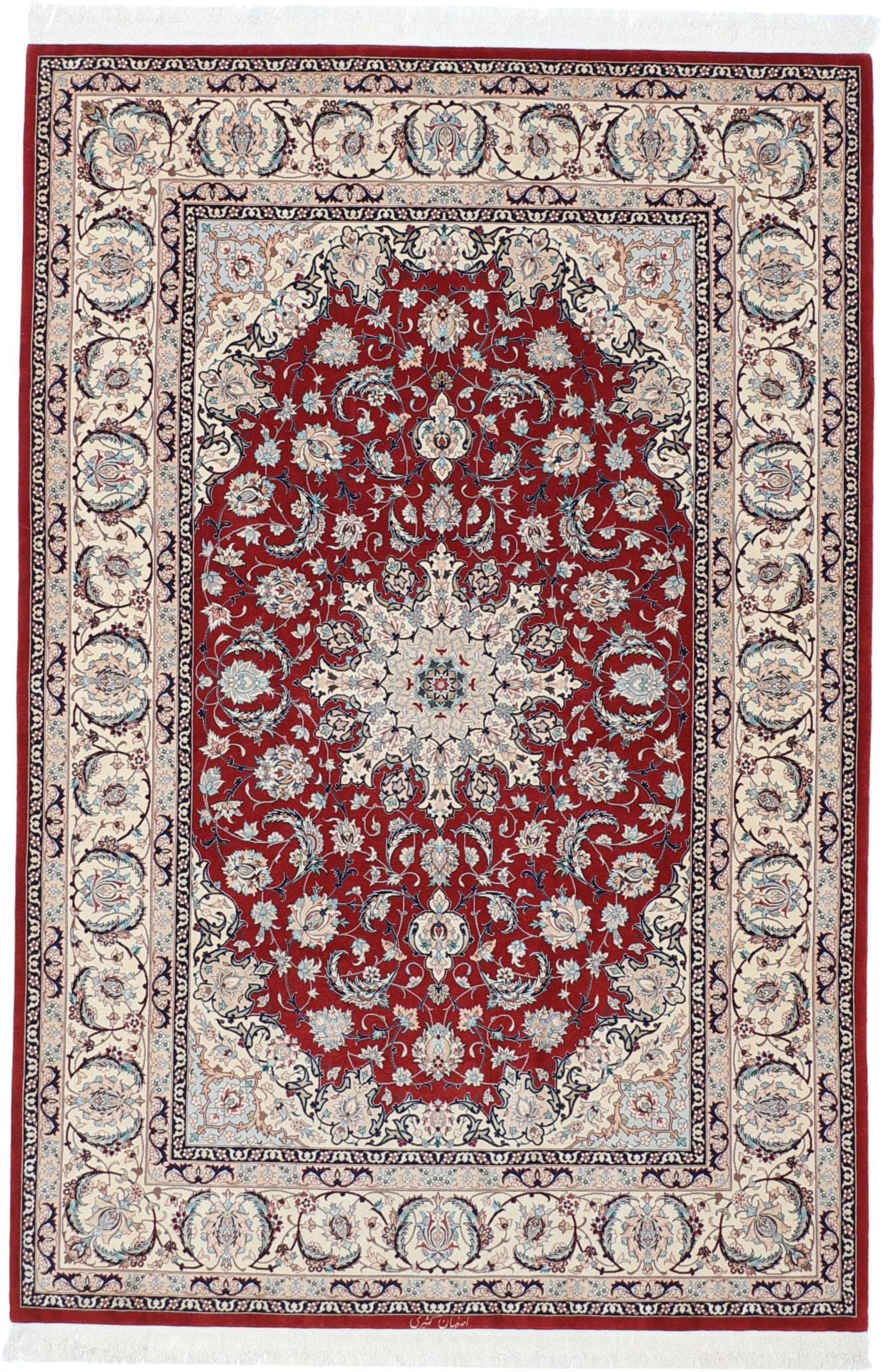
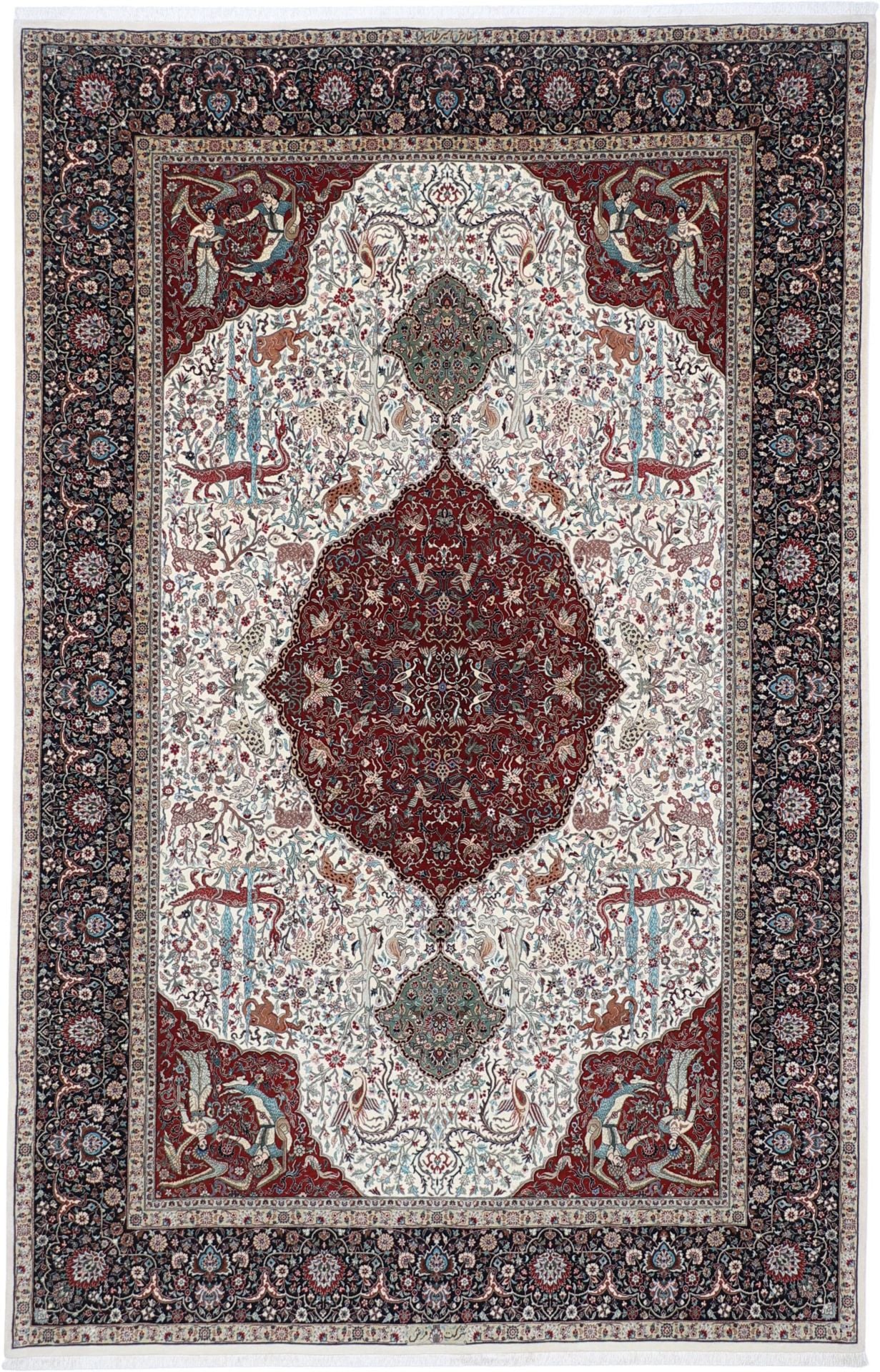
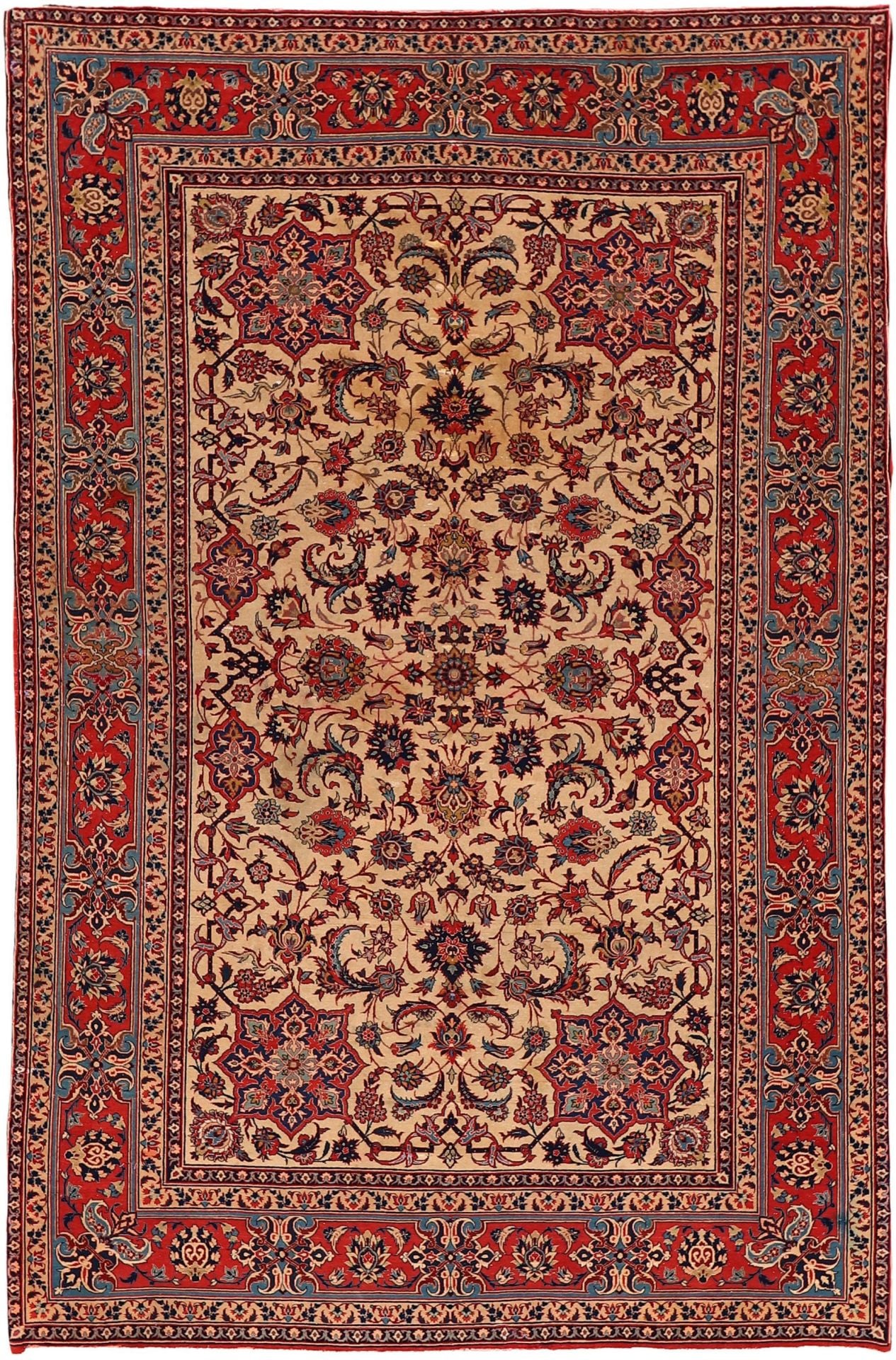
The designs of IsfahanCarpets are diverse and often inspired by nature or Persian mythology. Typical motifs include floral patterns, geometric shapes, or animal depictions. These designs are not only aesthetically pleasing but also carry symbolic meaning. For example, roses often represent love and beauty, while certain geometric patterns symbolize infinity.
knotting technique
IsfahanCarpets are typically knotted using the Persian knotting technique, which allows for high density and exceptional detail. This technique requires years of experience and dedication, making each carpet a unique work of art. The knotting process can take months to years, depending on the complexity of the design.
The role of colors
Color symbolism
The color selection in IsfahanCarpets are not chosen arbitrarily, but rather follow specific symbolic meanings. Red often represents strength and energy, blue tranquility and spirituality, and yellow friendship and joy. The combination of these colors creates harmonious compositions that attract the eye and enliven the room.
Dyeing methods
Traditionally, the colors are extracted from natural plant substances. These environmentally friendly methods ensure remarkable color depth and longevity. In recent years, the use of synthetic dyes has become more widespread, offering an even greater variety of colors, but may fall short of traditional methods in terms of quality and sustainability.
Care and maintenance of Isfahan-carpets
Regular cleaning
To appreciate the beauty of IsfahanTo preserve carpets, regular cleaning is essential. Vacuuming is a simple method to remove dirt and dust particles. However, the carpet should always be vacuumed on a low setting to avoid damaging the fibers.
Professional cleaning
Once a year, consider professional cleaning to remove deep-seated dirt and refresh the fibers. Specialists use gentle chemicals and methods to avoid damaging the carpets.
Storage:
When a rug is temporarily not in use, it should be carefully rolled up and stored in a dry, cool room. Storing it in a pile can cause wrinkling and damage the rug's structure.
Current trends in carpet design
Vintage and antique
VintageCarpets have been experiencing a resurgence in popularity for several years. The combination of fresh style and traditional craftsmanship appeals to many buyers looking for a unique element for their home. Antique IsfahanCarpets are in particularly high demand, as they are considered not only works of art but also investment objects.
Minimalism
Modern apartments often feature a minimalist style. Here, simple yet elegant design is key. IsfahanThe rug finds its place, combined with neutral tones and clean lines. This highlights the details and craftsmanship of the rug without making it appear cluttered.
Carpets in interior design
color coordination
When choosing a rug, the color coordination with the other elements in the room should be taken into account. A bold IsfahanA carpet can serve as a central design element and determine the color palette of the room.
Styles
A IsfahanThis rug complements both classic and modern interior design styles. It can create an authentic, warm atmosphere in an elegant living room or a minimalist workspace. Furthermore, it can serve as a stylish contrast when combined with simple furniture.
Create zones
Rugs help to visually structure different areas in a room. The use of a IsfahanCarpets can define a relaxing reading corner or a welcoming entrance area.
conclusion
The art of IsfahanCarpets are a fascinating example of masterful craftsmanship and cultural richness. Each piece tells its own story and contributes to the enrichment of interior design. Whether as a nostalgic heirloom or a modern design object – IsfahanCarpets are timeless treasures that last for generations.
FAQ
What is the difference between a Isfahan-carpet and another Persian carpet?
IsfahanPersian carpets are distinguished by their exquisite detailing, high-quality materials, and the designs based on them. While there are many types of Persian carpets, they are IsfahanCarpets are often particularly richly decorated and have a specific cultural significance.
How do I recognize a genuine one? Isfahan-Carpet?
A real IsfahanThis rug is hand-knotted and characterized by fine details, locally sourced materials, and a distinctive design. Pay attention to the knot count per square centimeter, the quality of the wool or silk, and the colorfastness.
How much cost one Isfahan-Carpet?
Prices for IsfahanCarpets vary greatly in price, depending on factors such as size, material, design complexity, and age. High-quality antique carpets can cost thousands of euros, while newer, less complex models are often in the lower price range.