"The art of Isfahan-Carpets: Masterpieces of handcrafted tradition from Persia"
The art of Isfahan-Carpets: Masterpieces of handcrafted tradition from Persia
Introduction
Carpets are far more than just floor coverings; they are living works of art that tell stories and convey cultural meanings. Among the many types of carpets that have shaped the history and art of carpet weaving, the following stand out: IsfahanCarpets occupy a special place. These carpets originate from the ancient city. Isfahan in Iran, which is known for its beautiful mosques, palaces, and gardens. The tradition of carpet weaving in Isfahan It is deeply rooted in the history of Persian culture and is a fascinating topic worth exploring.
In the following, we delve into the world of Isfahan-Tapests and discover their history, the techniques used in their production, the symbolic elements that adorn them, as well as care and purchasing advice. Let's take a closer look at these masterpieces of craftsmanship.
history of Isfahan-carpets
Isfahan It was a significant cultural center of the Persian Empire and experienced its golden age in the 16th century under the reign of Shah Abbas I. Carpet production during this period reached a high level of artistry and creativity. Carpets were not only valued domestically but also exported abroad, which contributed to the spread of the Isfahan-carpets all over the world.
IsfahanCarpets were distinguished by their high quality standards and detailed craftsmanship. Often made from the finest wool or silk, their designs paid homage to nature, religion, and daily life. The legacy of IsfahanCarpets are still alive today and are continued by talented craftsmen who preserve old techniques.
The knotting techniques
Materials
IsfahanCarpets are primarily made from wool, silk, or a combination of both. Wool offers excellent durability and is relatively easy to care for, while silk is renowned for its beauty and sheen. The choice of material significantly impacts the carpet's appearance and longevity.
Knotting techniques
The knotting technique is crucial for the quality and design of a carpet. IsfahanCarpets typically use the Persian knot, also known as the asymmetrical knot, which allows for precise and detailed execution. This technique enables artisans to create complex patterns and details, making each carpet a unique work of art.
Design and sample
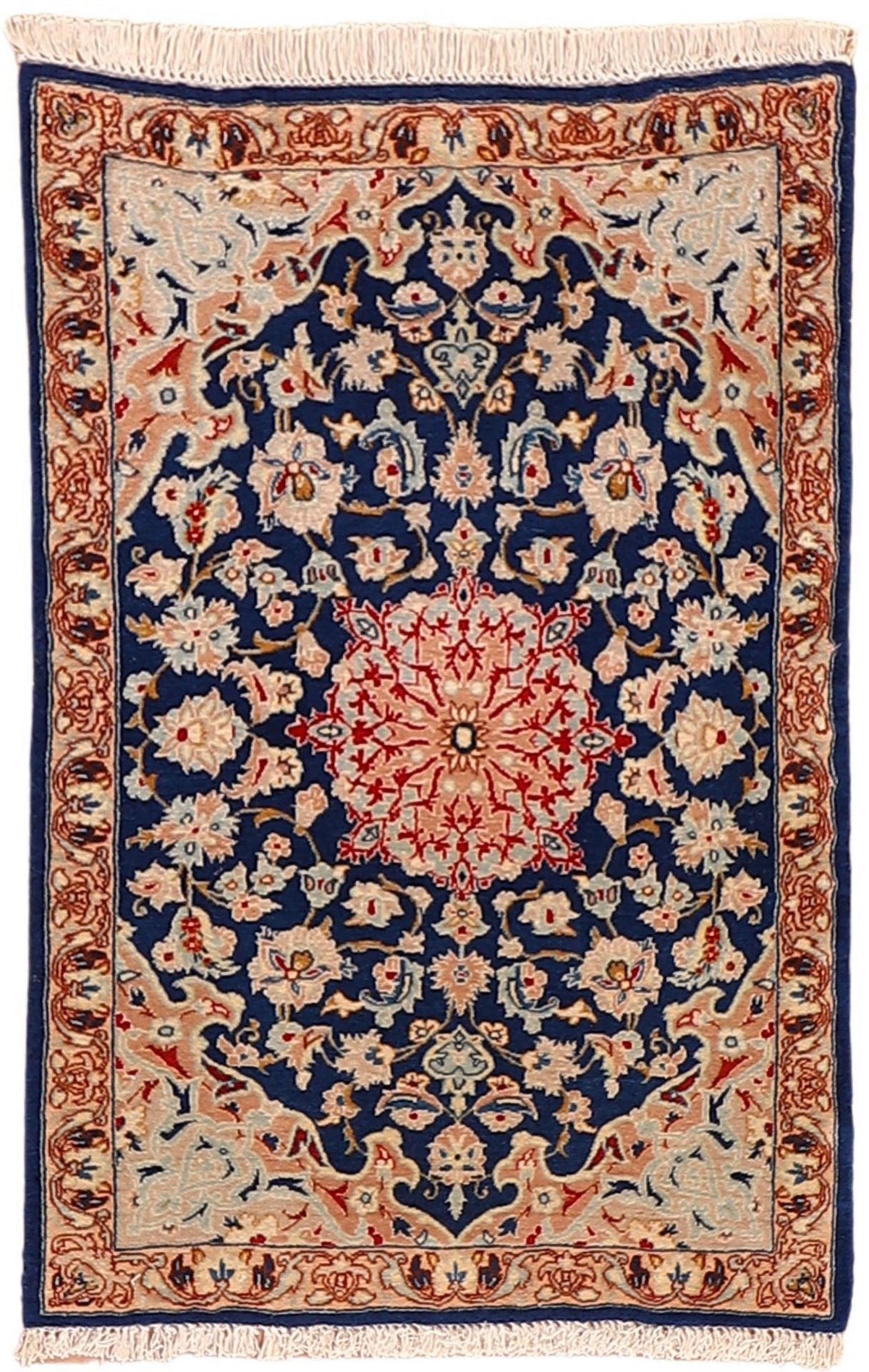
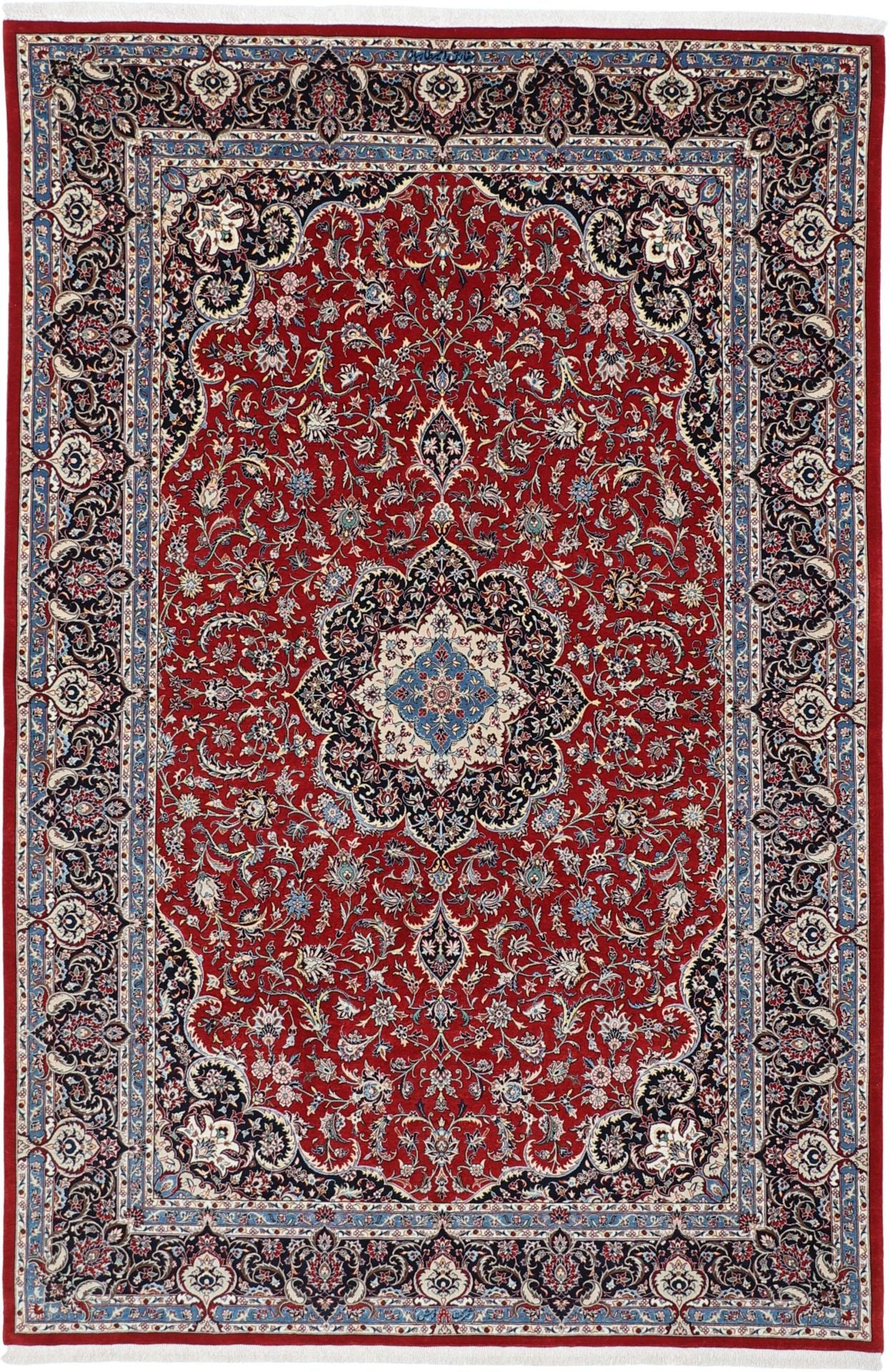
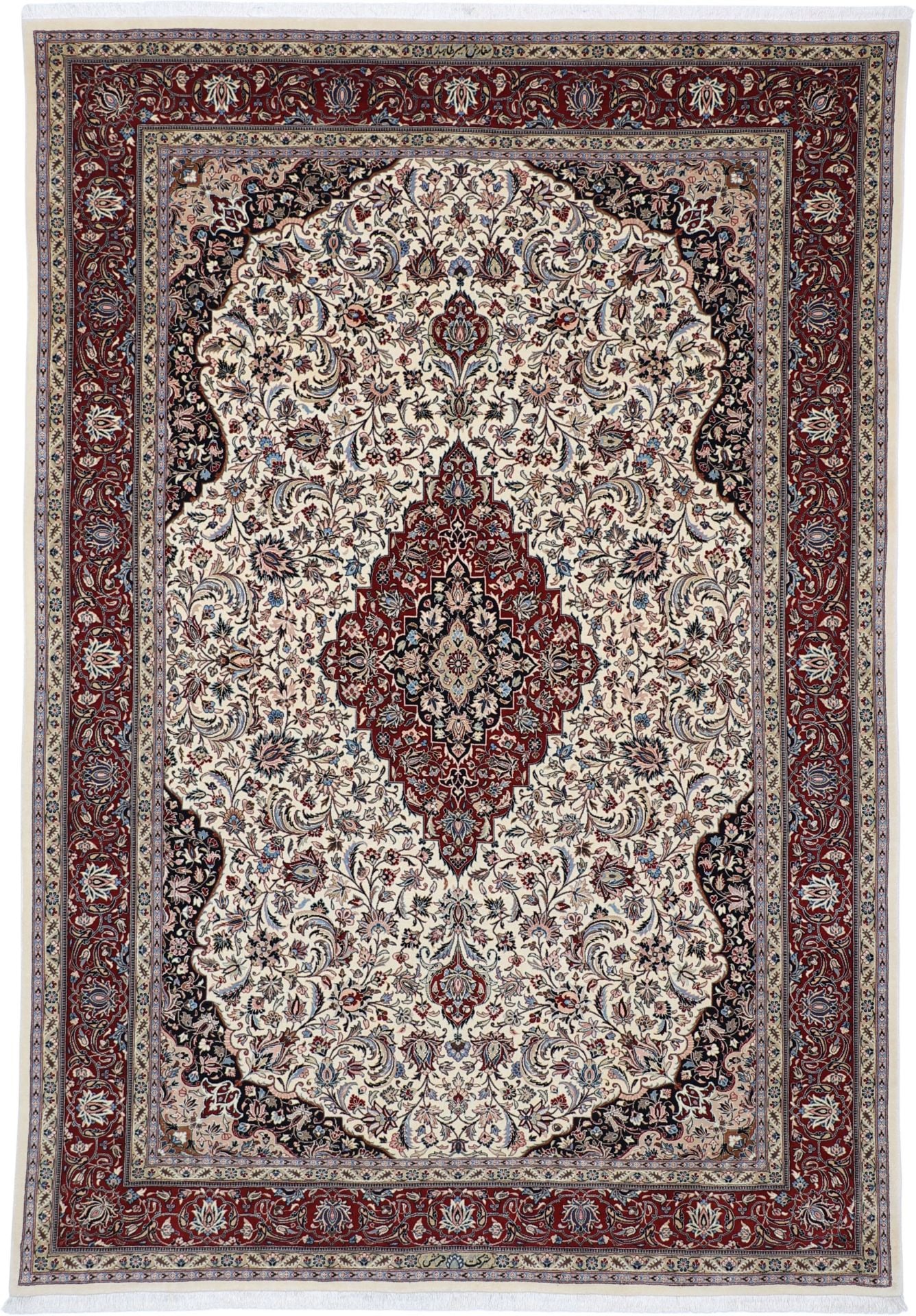
The patterns of IsfahanPersian carpets are often elaborate and inspired by nature, particularly floral motifs and geometric designs. Religious and historical elements are also frequently found, underscoring the deep connection between Persian culture and its history.
Symbolism in Isfahan-carpets
Each rug tells a story and carries symbolism, often profound. Floral patterns, for example, can represent spring and renewal, while geometric shapes symbolize stability and infinity. The use of certain colors also has meaning:
- Red often stands for happiness and joy.
- Blue symbolizes purity and heaven.
- Green is the color of life and paradise.
The choice of colors and color combinations is not random, but reflects the aesthetics and values of the culture from which the carpet originates.
Care and maintenance of Isfahan-carpets
Proper care of IsfahanProper care of carpets is crucial to preserving their beauty and quality over the years. Here are some important care tips:
Cleaning
- Regular vacuuming: To remove dust and dirt, carpets should be vacuumed regularly. Use a vacuum cleaner with a soft brush to avoid damaging the fibers.
- Stain treatment: If a stain occurs, act immediately. Use a clean, damp cloth and gently dab the stain. Avoid rubbing, as this can damage the fibers.
Professional cleaning
It's advisable to have your carpet professionally cleaned every few years. Professionals can use the appropriate techniques and cleaning products to ensure the carpet doesn't become damaged.
Storage:
If a rug needs to be stored for an extended period, it should be rolled up and stored in a cool, dry room. Avoid using plastic wrap, as this can encourage mold growth. Instead, cover the rug with a breathable fabric.
Buying advice for Isfahan-carpets
Recognize quality
When buying a IsfahanWhen choosing carpets, you should pay attention to the following criteria:
- Material: Make sure the rug is made of high-quality wool or silk.
- Knot density: A higher number of knots per square inch usually means better quality and more detailed patterns.
- model: Check that the pattern on the back of the rug is clearly visible, which is a sign of handmade quality.
Where buy?
IsfahanCarpets are available in many specialty stores and online shops. Be sure to buy only from trusted retailers who offer transparency regarding the carpet's origin and manufacturing conditions.
Price
Prices for IsfahanRugs can vary considerably depending on size, material, and the complexity of the design. Silk is generally more expensive than wool. Set a budget before you start shopping and be prepared to invest in quality to ensure you acquire a true work of art.
The influence of the Isfahan-Carpets for modern interior design
IsfahanCarpets occupy a special place in modern interior design. Their timeless designs and rich color palette allow them to be integrated into a variety of interior styles. Whether in a classic, modern, or eclectic room – the beauty of a carpet is undeniable. Isfahan-Carpets can instantly enhance a room.
color design
The color scheme of a room can be significantly influenced by the choice of carpet. A textured, colorful carpet IsfahanA carpet can serve as an eye-catcher and harmonize or contrast with the color palette of the room.
Stylistic accents
IsfahanCarpets can also be used as stylish accents in a room. They are not only functional, but also contribute to the overall aesthetic and create a welcoming atmosphere.
The revival of carpet art
While the tradition of carpet weaving in Persia dates back centuries, it is experiencing IsfahanCarpets are experiencing a renaissance in the modern art scene. Recent exhibitions and collections have helped to rekindle appreciation for this art form. Craftspeople and Designer experimenting with modern designs that respect tradition while appealing to the needs and tastes of today's buyers.
Final section
The art of IsfahanCarpets are a fascinating example of human creativity and craftsmanship. Their history, techniques, and symbolism make them an indispensable part of Persian culture. With the right knowledge about care, purchase, and design, you too can bring a piece of this tradition into your home. Isfahan-A carpet is not just a floor covering; it is a work of art, a piece of history, and an expression of style and elegance.
FAQ
1. How do I recognize a genuine one? Isfahan-Carpet?
To have a real one IsfahanTo identify a genuine rug, you should pay attention to the knotting technique, the material used, and the density of the knots. IsfahanThe rug is hand-knotted and has a high knot density. Furthermore, the patterns are clearly visible on the reverse side.
2. Are IsfahanAre carpets good for allergy sufferers?
IsfahanCarpets made from high-quality natural materials such as wool are generally hypoallergenic and suitable for allergy sufferers. However, they should be cleaned regularly to remove dust and allergens.
3. How long does a Isfahan-Carpet?
With proper care, a IsfahanCarpets can last for decades and often even outlast generations. Regular cleaning and proper storage are crucial for the carpet's longevity.