"The art of Isfahan-Carpets: Masterpieces from Persia"
The art of Isfahan-Carpets: Masterpieces from Persia
Carpets have a long and significant tradition in Persian culture, enhancing a room not only through their functionality but also through their aesthetic appeal. Among the numerous types of carpets produced in Iran, the following stand out: IsfahanCarpets stand out in particular. These exquisite works are not only products of craftsmanship but also ambassadors of a cultural history that stretches back centuries. In this article, we take a detailed look at the art of carpet making. Isfahan-Carpets, their characteristics, techniques and the significance they have in modern times.
history of Isfahan-carpets
The city Isfahan It has been a center of art and culture in Persia for centuries. During the Safavid dynasty (1501-1736), the city experienced a golden age, which also boosted carpet production. The carpets of this period were not only intended for the local market but were also exported all over the world. Isfahan It quickly became a meeting place for artisans who came from different regions and contributed their special techniques and designs.
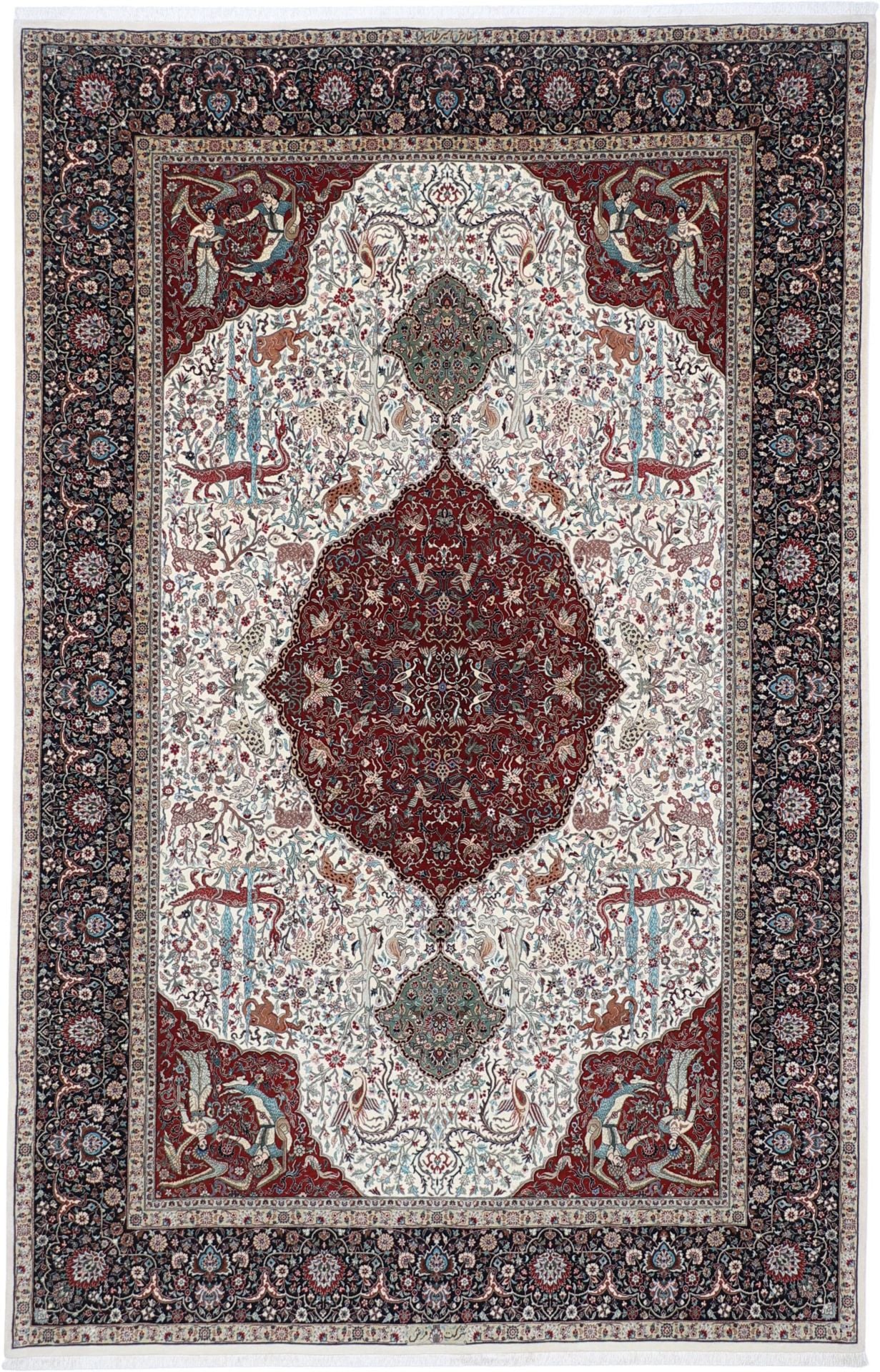
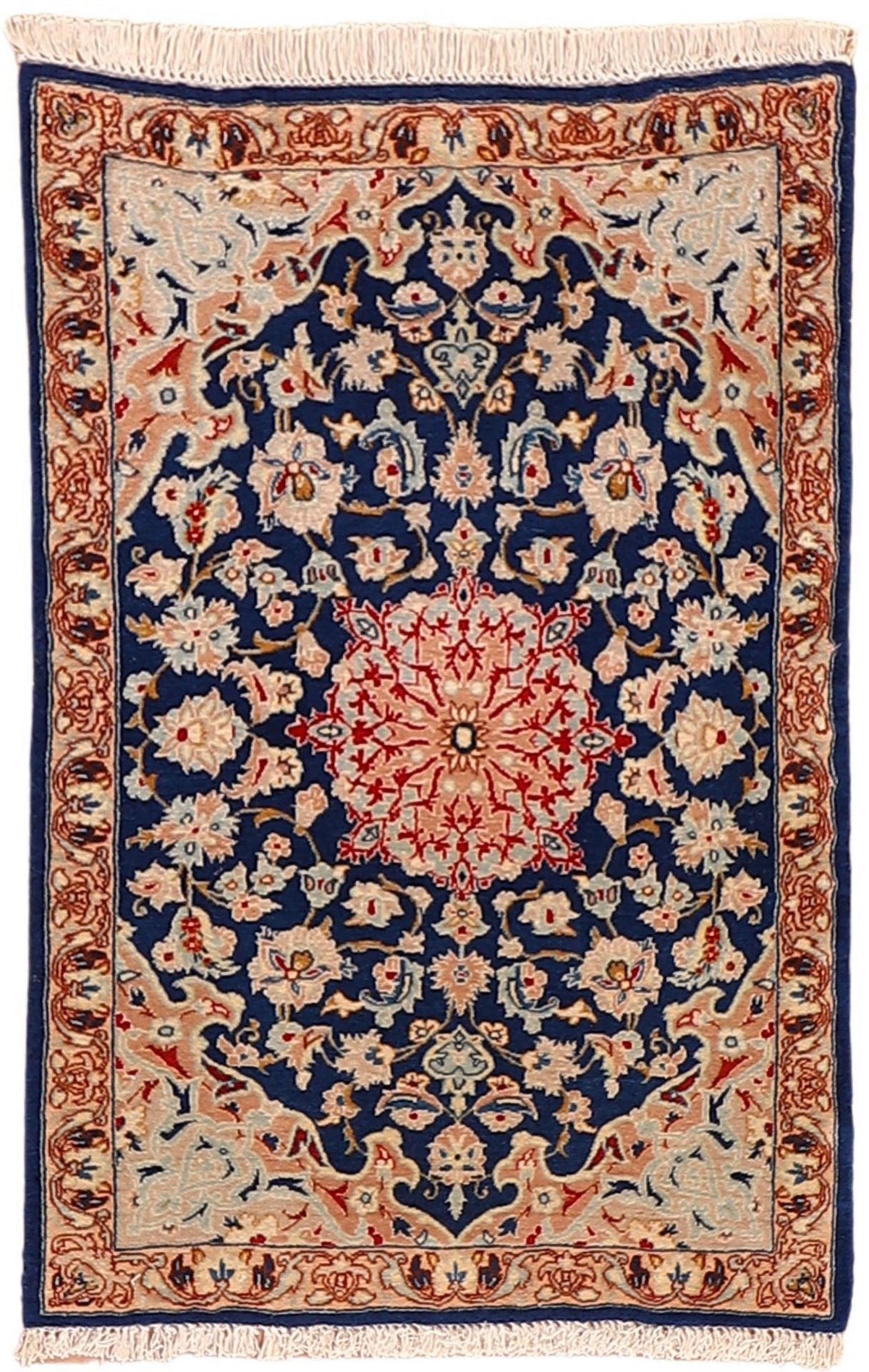
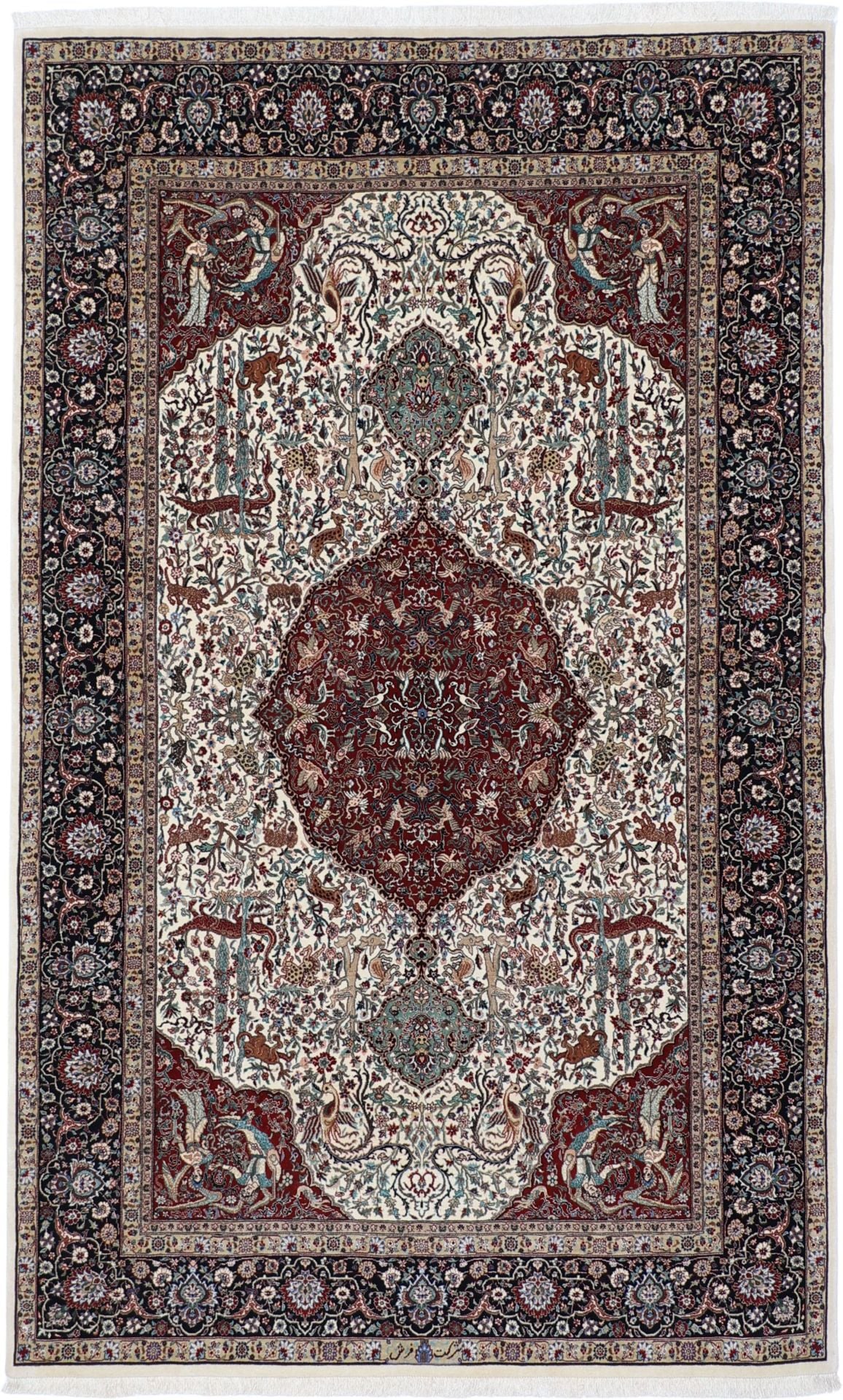
The traditional ones IsfahanCarpets are known for their intricate designs, often featuring floral and geometric patterns. They frequently incorporate medallion-like motifs in the center, surrounded by delicate borders. These designs tell stories and transform the carpets into vibrant works of art.
The special features of the Isfahan-carpets
IsfahanThese carpets stand out due to their high knot count and fine craftsmanship. Most are made using the Persian knotting technique, which allows for a high knot density – often reaching 300 to 1.000 knots per square meter. This fine knotting not only ensures remarkable detail but also contributes to the carpet's durability.
One of the most striking features of these carpets is the quality of the wool used. The wool often comes from sheep in the high mountains of Iran and is known for its softness and color brilliance. In addition, many Isfahan-Carpets combined with silk, which gives them an extra shine and expands the color palette.
Color palette and symbolism
Die Farbpalette der IsfahanCarpets are as diverse as their patterns. Common colors include deep red, blue, green, and gold tones. These colors often have specific meanings: red can represent luck and prosperity, while blue symbolizes tranquility and peace. The choice of colors and patterns can also often reflect the carpet's cultural and historical context.
Manufacturing process of the Isfahan-carpets
The production of one IsfahanCarpet making is a lengthy and complex process requiring considerable skill and experience. The process begins with the selection of raw materials, followed by the dyeing of the wool and silk. Traditionally, dyes are obtained from natural sources such as plants, minerals, and insects. This method ensures environmentally friendly and sustainable production.
After dyeing, the actual knotting begins. Artisans use special wooden frames to weave the rugs. The woven pieces are then carefully cut to highlight the distinctive patterns. This is the moment when the knotter's artistic vision comes to life.
An important step is the final finishing, which includes washing, drying, and tucking the carpet. These processes help remove impurities and ensure the quality of the final product.
The cultural significance of Isfahan-carpets
IsfahanCarpets are more than just textiles; they are carriers of Persian culture and history. In many Iranian homes, these carpets are an integral part of the interior design, representing a connection to tradition and history. They are often used for special occasions such as weddings or festivals and are considered treasured heirlooms.
Furthermore, take IsfahanCarpets also play a central role in the international art market. Collectors and lovers of handicrafts appreciate the exclusivity and quality of these carpets, leading to high demand. They are considered a valuable investment that can increase in value over time.
Care and maintenance of Isfahan-carpets
To preserve the beauty and longevity of IsfahanTo preserve carpets, regular maintenance is required. Best practices include:
- Regular vacuuming: Remove dust and dirt with a vacuum cleaner without a brush attachment.
- Protection from direct sunlight: Avoid direct sunlight to prevent color fading.
- Spot removal: If stains occur, react immediately and use gentle cleaning agents.
- Professional cleaning: Have your carpet professionally cleaned at least every few years.
Isfahan-Carpets in modern interior design
In recent years have IsfahanCarpets have found a place in modern interior design. They combine classic and contemporary styles, creating a harmonious connection between tradition and modernity. They can be used in both classic and minimalist interior design styles. Their intricate patterns can serve as eye-catchers in a simple room or be used as part of a more opulent design.
In addition, have Designer increasingly began to change the colors and patterns of IsfahanCarpets can be used in other aspects of interior design, such as cushions, curtains, or artwork. These carpets can significantly influence the ambiance of a room and give it a warm, inviting atmosphere.
Conclusion
The art of IsfahanCarpets are a fascinating subject that extends far beyond aesthetic appeal. These masterpieces uniquely combine history, culture, craftsmanship, and design. Whether they appear as cherished heirlooms in an Iranian home or as exquisite works of art in modern living spaces, IsfahanCarpets remain a timeless symbol of quality and tradition. When choosing a IsfahanWhen it comes to carpets, it is important to pay attention to the details in order to acquire a piece of history that can last for generations. May these carpets continue to be valued as works of art that embody the beauty and refinement of Persian culture.
FAQ
1. How do I recognize a genuine one? Isfahan-Carpet?
A real IsfahanA genuine carpet is characterized by its high knot density, fine materials, and handwoven details. Pay attention to distinctive patterns and the carpet's origin. Authentic carpets often contain high-quality wool or silk.
2. How much does a Isfahan-Carpet?
The price for IsfahanCarpets vary in price depending on size, quality, knot density, and age. Smaller, simpler models can start at a few hundred euros, while large, elaborately designed pieces can cost several thousand euros.
3. Can I get a Isfahan-How to clean the carpet yourself?
Generally, small stains should be removed as quickly as possible with a damp cloth. However, for thorough cleaning, it is advisable to consult a professional to avoid damaging the carpet.