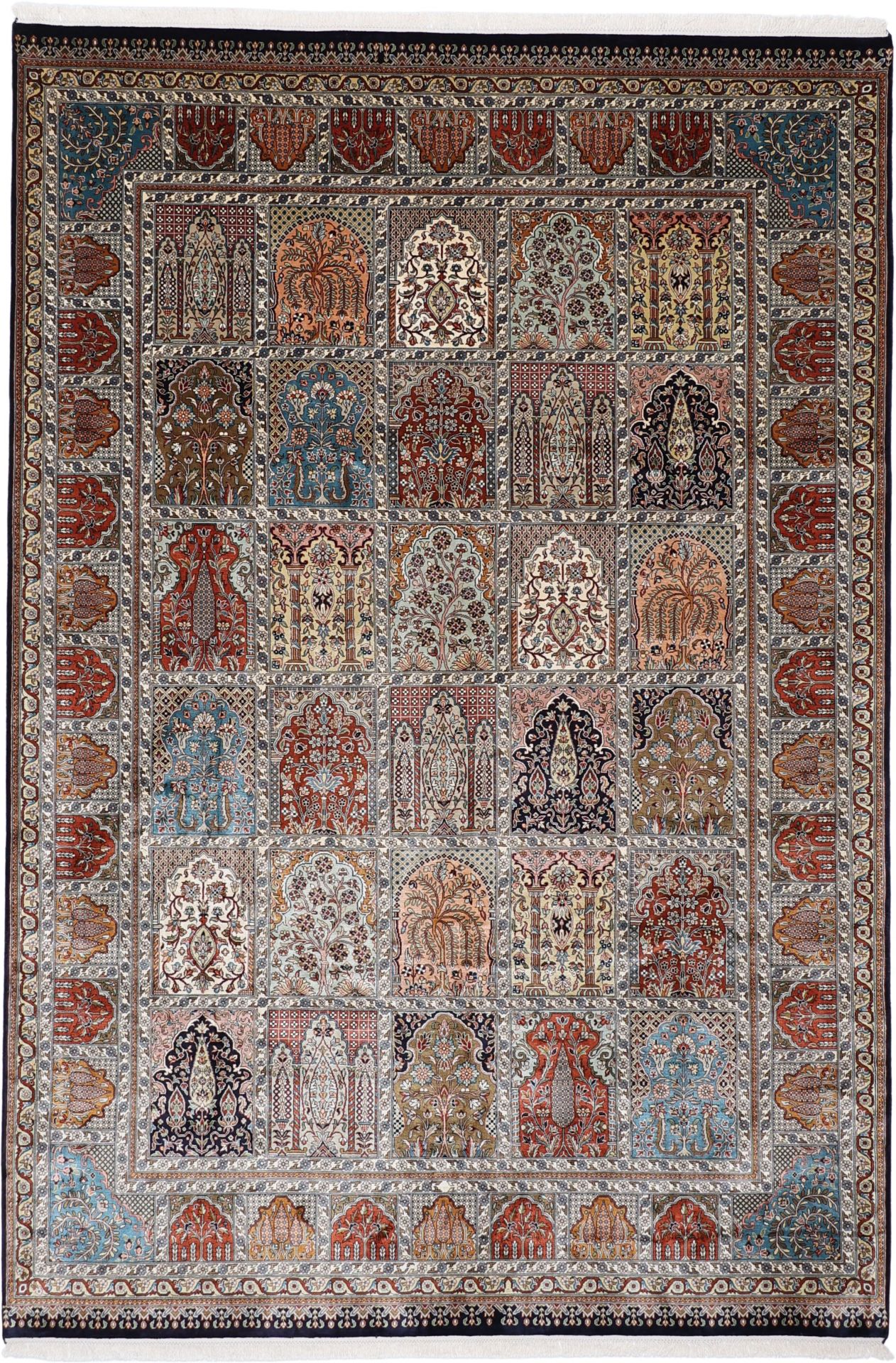
The art of Indian carpets: tradition, craftsmanship and timeless beauty
The art of carpets: tradition, craftsmanship and timeless beauty
Introduction to the world of carpets
Carpets are more than just floor coverings; they are an expression of culture, tradition, and craftsmanship. Indian carpets, in particular, have earned a reputation and are considered some of the most beautiful and artistic in the world. These works of art are a true eye-catcher in any home and add a special touch to any room. In this article, we will explore the various aspects of Indian carpets: from their history and traditional manufacturing methods to their influence on modern interior design.
The history of Indian carpets
Indian carpets have a long and fascinating history dating back to the 16th century. Originally popular during the Persian and Mughal eras, carpets were viewed as symbols of wealth and power. Mughal kings valued carpets not only as utilitarian objects but also as works of art. These carpets were often designed with complex patterns and vibrant colors that carried stories and cultural narratives.
Over time, carpet weaving evolved in India, and different regions began to develop their own styles and techniques. This led to the emergence of famous carpet centers such as Agra, Jaipur, and Kashan, which are known for their distinctive designs.
The different types of Indian carpets
Indian carpets can be divided into various categories, each characterized by regional traditions and craftsmanship. The most popular types include:
Persian carpets
Although often associated with India, most Persian carpets originate from the Persia region (Iran). These carpets are known for their detailed designs and high quality. The material is usually made of wool or silk.
Veggie-Dye Carpets
In recent years, the trend toward eco-friendly rugs has developed. Veggie-dye rugs are made with natural dyes from plants, fruits, and other organic materials. These rugs are not only environmentally friendly but also unique in their color variety.
Gabbeh-carpets
GabbehThese carpets originate from the Fars region and are known for their abstract and modern designs. They are usually made from coarse wool and are characterized by vibrant colors and simple geometric patterns.
Kashmiri-carpets
These carpets are known for their fineness and the quality of the materials used. They are often made of silk and decorated with intricate braided and leaf patterns. Kashmiri-carpets are true masterpieces and often very expensive.
Traditional production of Indian carpets
Making an Indian rug requires craftsmanship, time, and patience. Each rug is created in a complex process that can often take several months.
Materials
The most common materials used in carpet making are wool, silk, cotton, and synthetic fabrics. The choice of material influences the quality, pattern, and price of the carpet. High-quality materials are crucial for the longevity of the carpet.
Weaving techniques
There are various techniques used in carpet making. The most well-known are knotting and weaving. In knotting, knots of wool or silk are inserted into the base fabric, resulting in dense and detailed carpets. In contrast, weaving involves interweaving two threads (warp and weft).
design and pattern
The patterns and designs of Indian rugs vary greatly and are often inspired by the culture, religion, and environment of the region. Popular motifs include floral patterns, geometric shapes, and symbolic representations. The use of vibrant colors and detailed patterns makes each rug a work of art in its own right.
Modern trends in carpets
As times have changed, so have trends in the carpet industry. In the 21st century, many new designs and styles have emerged that combine traditional elements with modern touches.
Sustainability
More and more manufacturers are adopting sustainable practices in carpet production. The use of environmentally friendly materials and the reduction of chemical compounds during production are becoming increasingly popular.
Mix and Match
Another trend in interior design is the mixing and matching of rugs of different styles. Combining traditional and modern rugs creates a unique aesthetic and adds character to any room.
individualization
More and more buyers are looking for customized solutions that match their personal style. Custom-made rugs are becoming increasingly popular because they allow people to choose designs, sizes, and materials to suit their preferences.
The importance of carpets in interior design
Carpets play a crucial role in interior design. They are not only functional but also aesthetically pleasing, contributing to the overall atmosphere of a room.
Acoustics and comfort
A carpet can dampen sound in a room, thus creating more pleasant acoustics. It also provides a soft, comfortable surface for walking and sitting. This is of great importance in many living spaces, especially in the living and sleeping areas.
Color accents and style
Rugs can serve as a dominant design element in a room. They can help emphasize certain colors or create contrast. A bold rug can define the entire style of a room, while a plain rug serves as a neutral base.
Spatial structuring
Rugs can help define different areas within a larger room. They create visual separation and help structure a space functionally, for example, by creating cozy conversation nooks in an open-plan living area.
How to choose the right carpet
Choosing the right rug can be challenging as there are many factors to consider.
Style and color
The first step in choosing a rug is to determine the style and color scheme you want. Consider which colors and patterns will fit well in your home and complement the look you want.
Size
The size of the rug is a crucial consideration. Consider how the furniture is arranged and choose a rug that takes this into account. A rug that's too small can make the room feel disharmonious, while one that's too large can be overwhelming.
materials and care
Consider the material based on how the rug will be used. Wool is generally easy to care for and durable, while silk is more delicate. Also consider how much maintenance and cleaning you're willing to put into the rug.
Care and cleaning of carpets
A carpet is an investment in your home's decor, and proper care can significantly extend its lifespan.
Regular cleaning
Keep your carpet clean by vacuuming it regularly to remove dirt and dust. Pay particular attention to high-traffic areas.
Stain treatment
If stains occur, act immediately. Use special carpet cleaners or household remedies to gently clean the affected area. Avoid harsh chemicals that could damage the material.
Professional cleaning
It's advisable to have carpets professionally cleaned every one to two years. This removes deep-seated dirt and brings out the colors.
Conclusion
The art of Indian carpets unites tradition, craftsmanship, and timeless beauty. These remarkable works of art are not only functional elements in our living spaces but also cultural symbols with a rich history. Whether you choose a traditional Persian carpet or a modern one... GabbehWhen searching for a rug, the choice should suit both your aesthetic preferences and practical needs. Always remember to consider the size, material, and style to find the perfect rug for your home. With proper care and attention, Indian rugs will accompany and bring you joy for many years to come.
FAQ
1. How do I recognize a high-quality Indian carpet?
A high-quality Indian rug is characterized by the quality of the material used, the density of the knotting, and the complexity of the patterns. Make sure the rug is made of natural fibers such as wool or silk, and look at the back of the rug; a well-made rug will have a smooth and even backing.
2. How can I clean my carpet properly?
To properly clean a carpet, you should vacuum it regularly and take immediate action against stains. Use mild cleaning agents and test them on an inconspicuous area first. For a thorough cleaning, we recommend having the carpet professionally cleaned every few years.
3. Where can I buy Indian carpets?
Indian rugs can be found in specialized rug shops, markets, or online stores. Be sure to purchase from reputable sellers and ask for certificates of origin and quality to ensure you're getting an authentic rug.