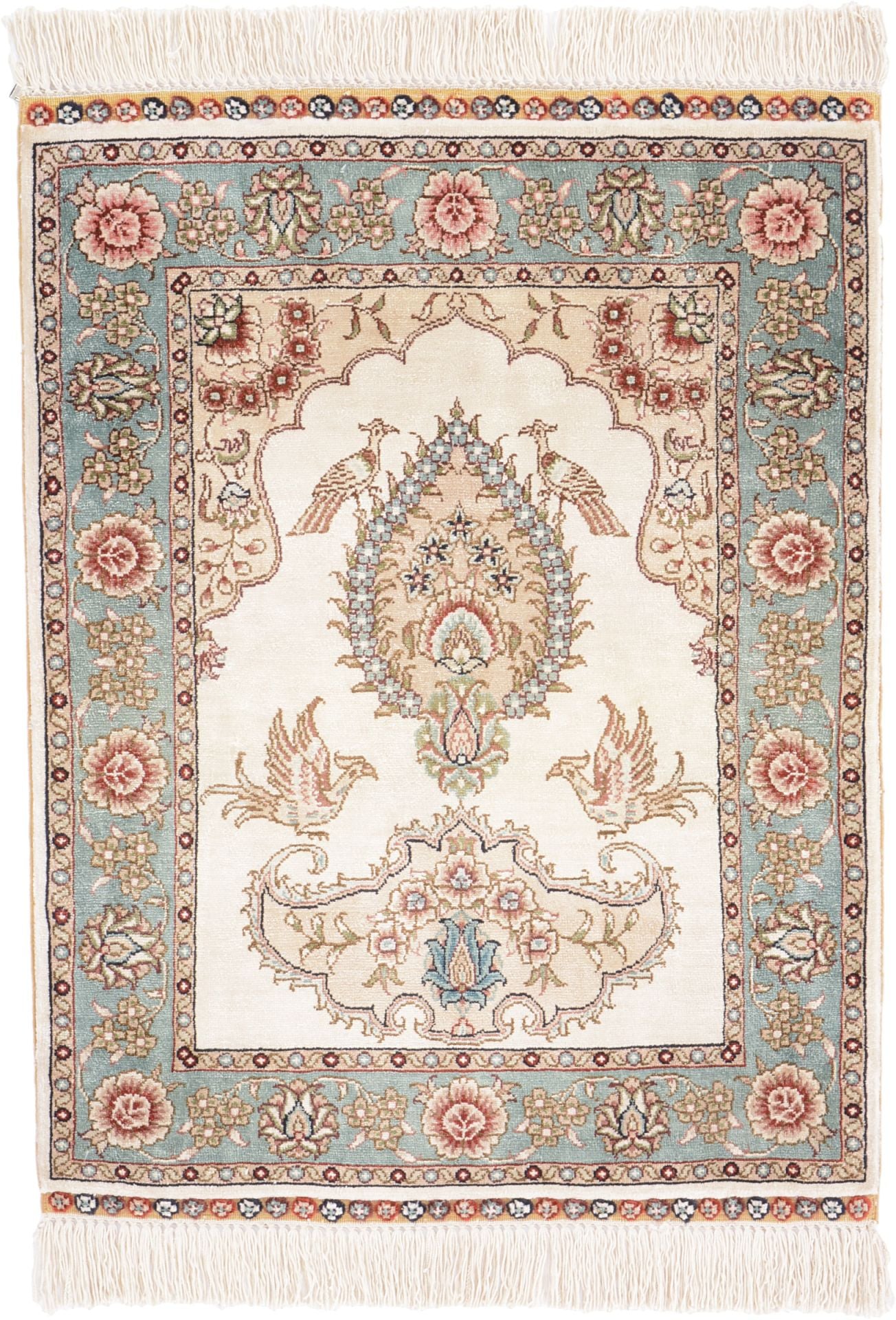
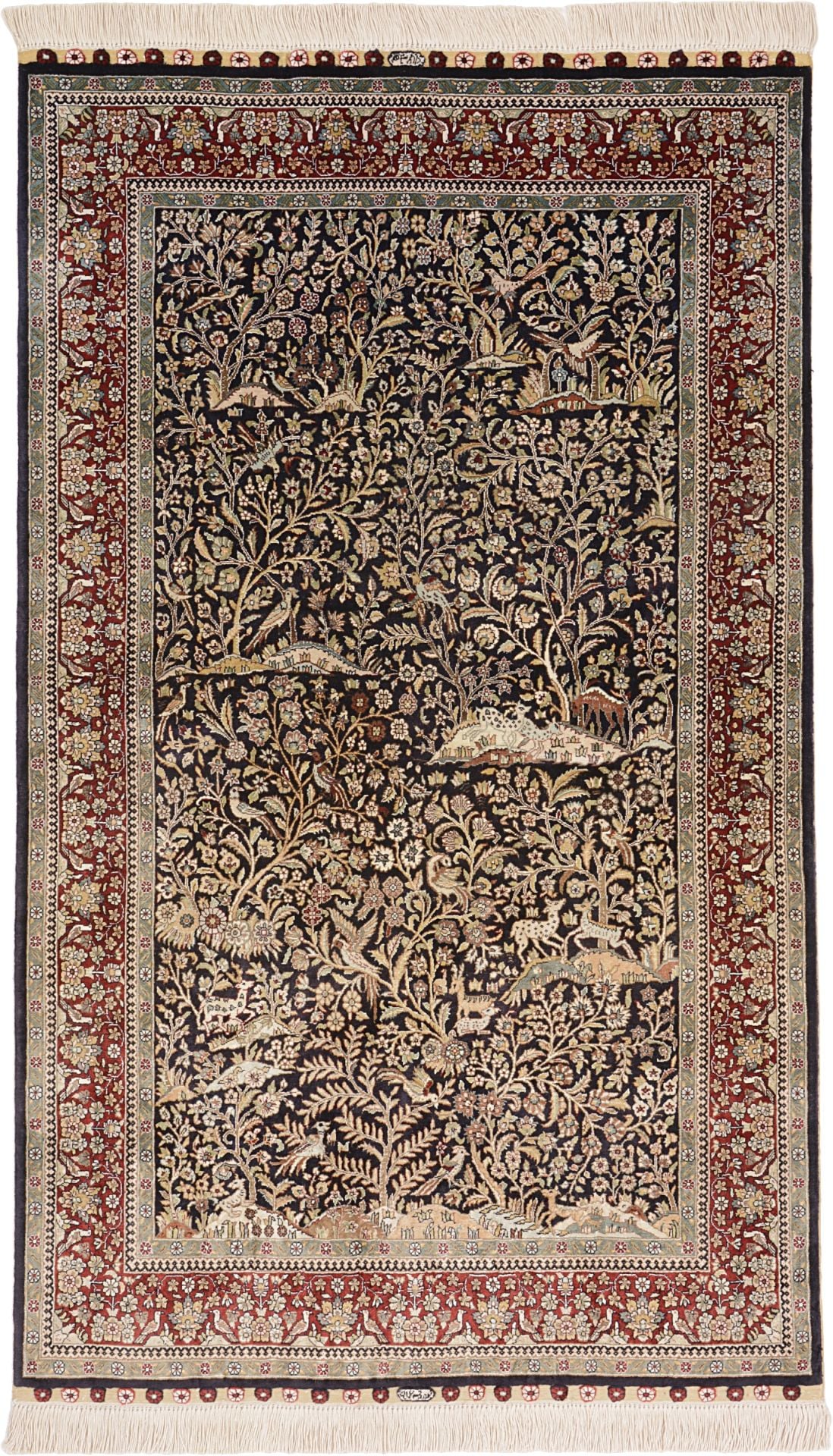
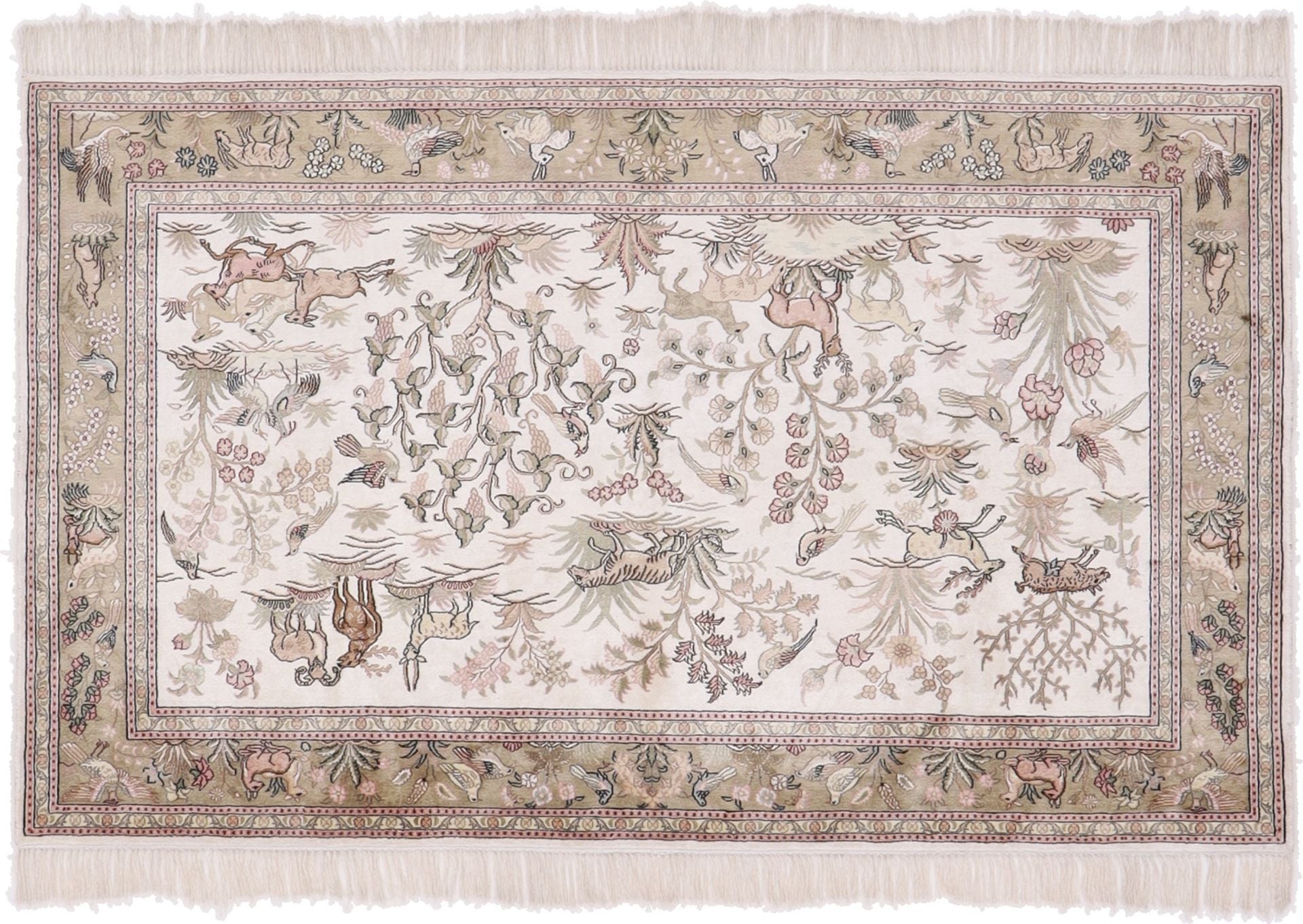
The Art of Craftsmanship: Turkish Carpets – A Look at Tradition and Beauty
Introduction to the world of carpets
Carpets are more than just floor coverings; they are an expression of culture, craftsmanship, and history. Turkish carpets, in particular, known for their exquisite craftsmanship, vibrant colors, and deep-rooted tradition, have established themselves as true masterpieces in the world of handicrafts. In this article, we take a detailed look at the beauty and tradition behind Turkish carpets, the different types, the meaning of patterns and colors, and the care and preservation of these remarkable works of art.
The history of Turkish carpets
The roots of carpet weaving in Turkey date back to the nomadic period of the Turkic peoples who invaded Anatolia between the 11th and 13th centuries. These nomadic tribes not only needed a practical solution to insulate their tents against the cold, but also wanted to create comfortable living spaces. From this need, the art of carpet weaving began, which has been continually refined over the centuries.
Development of carpet art in the Ottoman Empire
The art of carpet weaving flourished in the Ottoman Empire. The great palaces and mosques were decorated with magnificent carpets that symbolized both beauty and wealth. Not only functionality was valued, but also artistic design. Carpets served as status symbols, and their production was recognized as a high art form.
The most famous carpets of this period come from cities such as Hereke, Kayseri and Konya. The Ottoman period was characterized by elaborate patterns and deep, rich colors, which are still considered a benchmark for the quality of Turkish carpets today.
Types of Turkish carpets
Turkish carpets can be divided into several categories, each with its own characteristics and techniques. The most popular include:
1. Knotted carpets
The most well-known type of carpet is the knotted rug. In this method, knots are worked into the base material, usually wool, silk, or cotton. The two most common knots are the Turkish knot (Ghiordes knot) and the Persian knot (Senneh-knot). The Turkish knot is more stable and is used in many traditional carpets.
2. Woven carpets
Woven rugs differ in technique from knotted rugs. They are often made of cotton or wool and frequently feature geometric patterns. These rugs have a flatter structure and are therefore easier to clean.
3. Kelim
KelimFlat-woven, unknotted carpets, often made of wool, are known for their bold colors and simple yet striking patterns. KelimCarpets are versatile and are ideal for indoor and outdoor use.
4. Customs and traditions
In Turkey, there are many customs and traditions surrounding carpets. Carpets are often given as wedding gifts or are part of religious ceremonies. Weaving a carpet can also be seen as a symbol of preparation for marriage; artisans often use special patterns that promise good luck and prosperity.
The art of coloring
The use of color is a central element in carpet art. Turkish carpets are known for their vibrant colors, which are usually obtained from natural materials. Plants, roots, and minerals are used to produce dyes.
Symbolism of colors
In traditional carpet art, colors have a deeper meaning:
- Red: Symbol for happiness and joy.
- Blue: Represents spirituality and heaven.
- Green: Often associated with nature and life.
- Yellow: Symbolizes sunshine and life.
The choice of colors can vary depending on the region and traditional preferences. This gives each rug its own character and tells a story.
Patterns and their meaning
Each pattern used in a Turkish carpet has a specific meaning and can be understood as a cultural expression. Geometric patterns represent the order of life, while floral designs represent the beauty of nature.
Typical patterns
- subjects: Symbolizes coming together and community.
- Medallis: A central, circular pattern that often represents the idea of perfection.
- Trees and leaves: Represent growth and fertility.
The patterns and symbols vary greatly depending on the region and the specific traditions of the respective weaving community.
The care and maintenance of carpets
Despite their durability, rugs require regular care to maintain their beauty and longevity. Here are some tips for caring for and maintaining Turkish rugs:
1. Regular vacuuming
Vacuuming is one of the easiest and most effective ways to remove dirt and dust. Use a vacuum with a soft brush to avoid damaging the fibers.
2. Stain treatment
When treating stains, it's important to act quickly. Use a soft cloth and lukewarm water to clean the stain. Avoid chemical cleaners, as they can damage the carpet.
3. Professional cleaning
It's recommended to have a traditional carpet professionally cleaned every few years. This ensures thorough cleaning and preservation of the colors and fibers.
4. Avoid direct sunlight
Direct sunlight can cause the colors in the rug to fade. Make sure not to place the rug in areas exposed to intense sunlight.
5. Rotation practices
To ensure even wear, it is recommended to rotate the carpet regularly, especially if it is laid in a high-traffic area.
Conclusion
Turkish carpets are far more than just a home decor item; they carry stories of culture, tradition, and craftsmanship. Their variety of types, colors, and patterns provides a deep insight into the heritage of Turkish carpet art. With proper care, these wonderful works of art can be treasured for generations to come.
When you incorporate a Turkish rug into your home, you're not only bringing a piece of history into your home, but also a source of style, comfort, and cultural expression. Be inspired and consider the beauty of rug art!
FAQ
1. How can I tell if a carpet is hand-knotted?
A hand-knotted rug typically has an irregular texture and a higher knot count per square meter than machine-made rugs. You can also inspect the back of the rug; in hand-knotted rugs, the knots often appear irregular, while machine-knotted rugs have a uniform back.
2. How do I clean stains on my carpet?
To remove stains, use a soft cloth with lukewarm water. Gently dab the stain, avoiding rubbing to avoid damaging the fibers. For stubborn stains, professional carpet cleaning may be necessary.
3. How long do Turkish carpets last?
With proper care, Turkish rugs can last for generations. Their durability and high-quality materials make them a sustainable investment that not only increases in value but also in character over time.