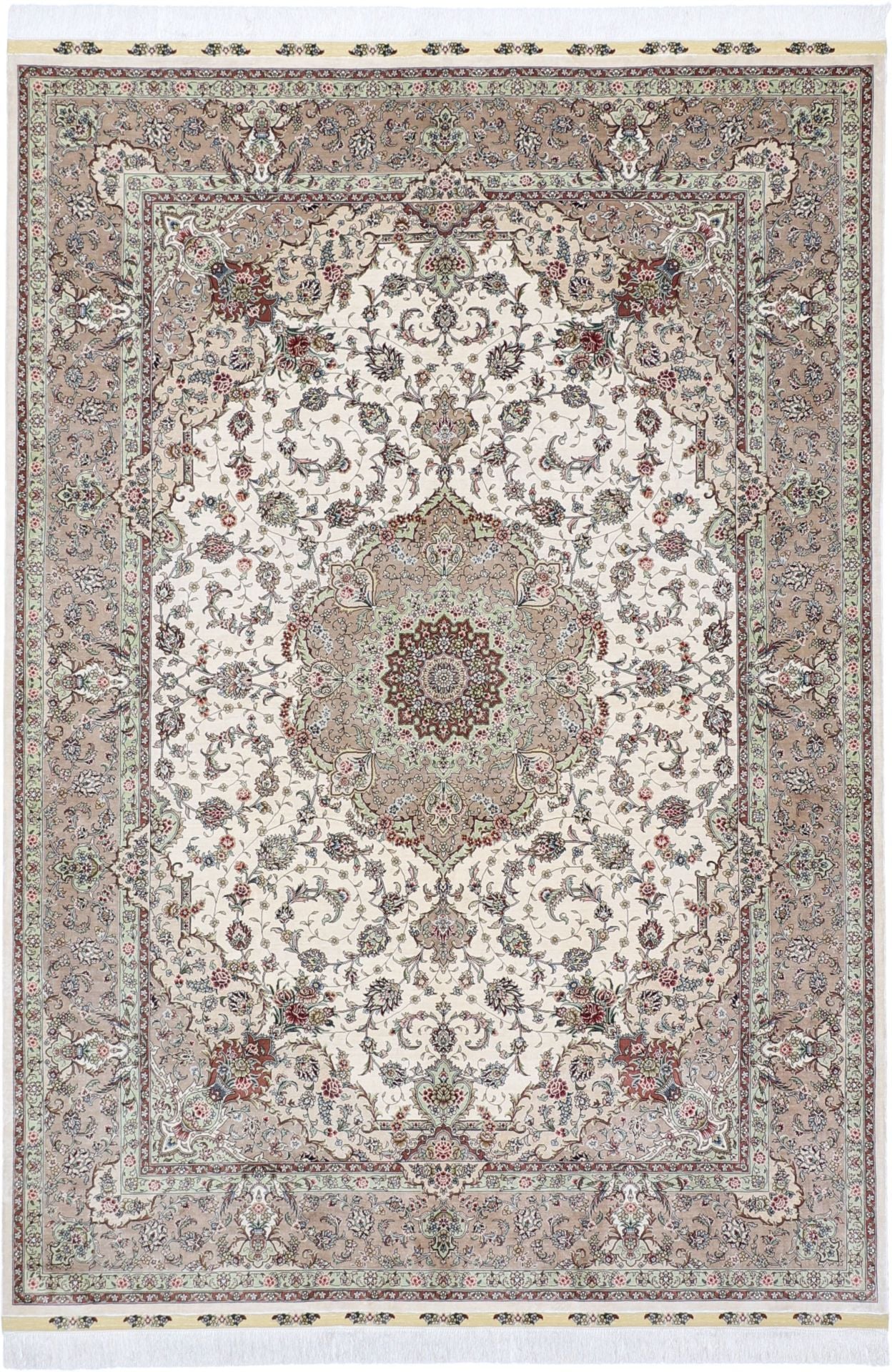
The art of hand-knotting: Timeless beauty and sustainability in hand-knotted carpets
The art of hand-knotting: Timeless beauty and sustainability in hand-knotted carpets
Introduction
Carpets are more than just decorations. They are works of art that tell stories, transform spaces, and create atmospheres. Hand-knotted carpets are particularly remarkable, captivating not only with their beauty but also with their sustainable production and cultural significance. In this article, we take a detailed look at the art of hand-knotting, the different types of carpets, the benefits of hand-knotted carpets, and how to care for and maintain them.
The history of hand-knotted carpets
Origins and development
The history of carpet weaving dates back to ancient times. It is believed that the first carpets were made in present-day Iran and Central Asia. These regions were known not only for their skilled artisans but also for their rich sources of raw materials, especially wool, which was used for carpet production.
Over the centuries, the technique of carpet weaving evolved. Each country, region, and culture developed its own style, colors, and patterns. While Persian carpets are famous for their intricate designs and high quality, Tibetan carpets are distinguished by their vibrant colors and straight lines.
The process of hand knotting
Materials
The quality of a hand-knotted carpet depends heavily on the materials used. The most common raw materials are:
- Wool: It's durable, soft, and naturally dyeable. High-quality wool often comes from sheep in the region where the rug is made.
- Silk: Silk is used for particularly luxurious carpets. This fiber is lustrous and has a unique color intensity.
- Cotton: Often used as a base for carpets because it provides good structure and is easy to dye.
Techniken
The art of hand-knotting encompasses several techniques that vary depending on the region and tradition. The most common are:
- Knotting techniques: There are various knotting techniques, such as the Persian knot or the Turkish knot. These techniques influence the density and appearance of the carpet.
- Coloring: Natural dyes are a popular choice for making sustainable carpets. This not only gives the carpets vibrant colors but is also more environmentally friendly than synthetic dyes.
The manufacturing process
Hand-knotting is a time-consuming process that often takes months or even years. A master knotter can only create a limited number of knots per day, which emphasizes the individuality and value of a handcrafted rug.
- Design: First, the design is developed. Many carpetsdesigner They draw a pattern that is then transferred to a special work frame.
- Raw material preparation: The raw materials are cleaned, sorted and dyed.
- Knotting: With the working frame in front of him, the artisan begins tying the wool or silk into knots. This is done in several layers until the entire pattern is complete.
- Conclusion: After knotting, the rug is cut to ensure a uniform texture. The edges are reinforced and often fringed.
Timeless beauty of hand-knotted carpets
design and aesthetics
The aesthetics of hand-knotted rugs are unparalleled. The variety of designs ranges from traditional patterns to modern, minimalist creations. They have the ability to enliven a room while creating a cozy atmosphere. Here are some of the most common designs:
- Geometric patterns: These designs are often found in modern carpets and bring a clear structure to the room.
- Floral motifs: Popular in many traditional cultures, floral patterns add a vibrant touch to the carpet.
- Pictures and stories: Some carpets tell stories or depict religious motifs that are deeply rooted in the culture of the country of origin.
variety of colors
The color palette of hand-knotted rugs is virtually endless. The use of natural dyes gives each rug a unique shade that changes beautifully over time. This patina is a sign of quality and age, making hand-knotted rugs especially desirable.
Sustainability and environmental awareness
Ecological benefits
At a time when sustainability and ecological awareness are increasingly coming into focus, hand-knotted carpets offer many advantages:
- Natural Materials: The use of wool, cotton and silk minimizes the ecological footprint because these raw materials are biodegradable.
- Longevity: Hand-knotted rugs are durable and can last for generations. They are a sustainable choice, unlike machine-made rugs, which often have shorter life cycles.
- Cultural preservation: Buying hand-knotted carpets supports traditional craft cultures and contributes to the preservation of skills and techniques that might otherwise be lost.
Social Responsibility
Another aspect of sustainability is social responsibility. Many companies that offer hand-knotted rugs work directly with artisans in the production regions to ensure fair wages and safe working conditions. This ethical practice not only supports the local economy but also ensures that the artisans can pass on their art.
Care and maintenance of hand-knotted carpets
Cleaning
A hand-knotted rug should be cleaned regularly to maintain its beauty and quality. Here are some tips:
- Vacuuming: Use a vacuum cleaner with a soft brush to clean the carpet regularly.
- Stain removal: If a stain occurs, act immediately. Use lukewarm water and a mild detergent. Gently dab the stain instead of rubbing.
Professional cleaning
Professional cleaning is recommended, especially if the carpet is heavily soiled or hasn't been cleaned for a long time. Professionals can ensure that the carpet is treated gently and its color intensity isn't affected.
Storage
If you need to store a hand-knotted rug, make sure it's clean and dry. Wrap it in cotton cloths to prevent damage and store it in a shady location to prevent fading from sunlight.
Final section
Hand-knotted rugs are not only a functional element in our interiors, but also true works of art of timeless beauty. They combine tradition with innovation and are an expression of cultural identity. With their sustainable approach and the professionalism of the artisans, they represent an ethical choice that both protects the environment and promotes craftsmanship. When you choose a hand-knotted rug, you are not only investing in a beautiful piece of art, but also in the future of craftsmanship and the preservation of cultural treasures.
FAQ
1. How long does a hand-knotted carpet last?
With proper care and regular maintenance, a hand-knotted rug can last for decades or even generations. Many antique hand-knotted rugs are still in excellent condition today.
2. How much does a hand-knotted carpet cost?
Prices for hand-knotted rugs vary depending on the size, material, and complexity of the design. Cheaper rugs start at a few hundred euros, while high-quality, intricate pieces can cost several thousand euros.
3. How do I best care for my hand-knotted rug?
Regular vacuuming, prompt stain removal, and professional cleaning every few years are the best ways to keep your carpet in perfect condition. Avoid direct sunlight to prevent color fading.